
The Eta Aquariids are known for their fast meteors, traveling at speeds of approximately 66 kilometers per second. Observers can expect to see up to 50 meteors per hour under optimal conditions, particularly in the Southern Hemisphere where visibility is generally better. In the Northern Hemisphere, fewer meteors may be visible, but dedicated stargazers can still enjoy the spectacle.
This meteor shower is significant not only for its beauty but also for its connection to Halley’s Comet, which has been observed for centuries.
As the date approaches, various astronomy organizations are encouraging public engagement through viewing events and educational programs. These initiatives aim to foster a greater appreciation for celestial phenomena and promote interest in astronomy among the general public. Observing meteor showers can also inspire discussions about space exploration and the importance of protecting our night skies from light pollution.
The Historical Significance of Halley’s Comet
Halley’s Comet, officially designated 1P/Halley, is one of the most famous celestial objects, with a history that dates back at least 2,200 years. Its periodic appearances have been documented since ancient times, with the earliest recorded sighting in 240 BC. This comet is notable not only for its visibility but also for its connection to various historical events, influencing both scientific thought and cultural beliefs across civilizations.
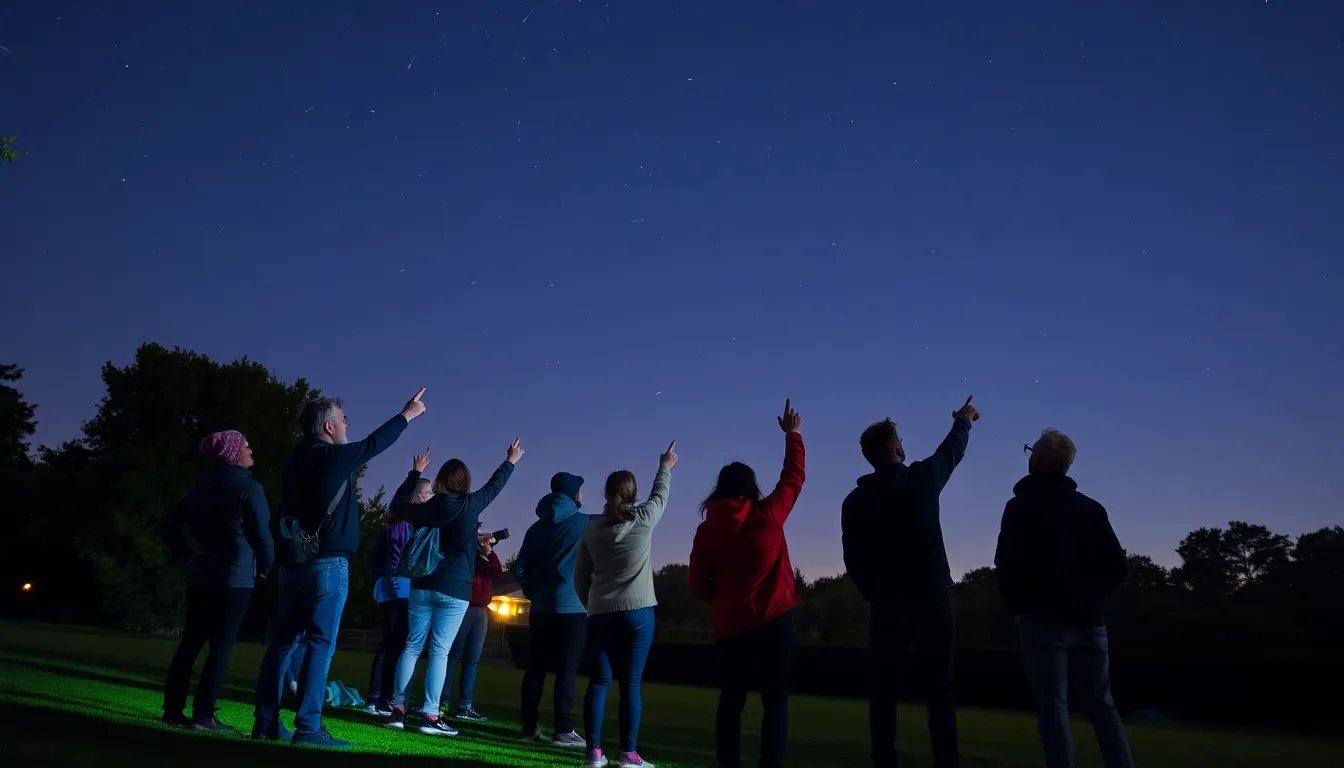
Throughout history, Halley’s Comet has been associated with significant milestones, such as its return in 1066 coinciding with the Norman Conquest of England, and it was famously depicted in the Bayeux Tapestry.
The Scientific Revolution and Halley’s Comet
The 17th century marked a turning point in the understanding of Halley’s Comet, as advancements in astronomy began to demystify its nature. The comet was named after Sir Edmond Halley, who in 1705 calculated its orbit and predicted its return. This groundbreaking work laid the foundation for the study of comets and contributed to the broader scientific revolution, highlighting the shift from superstition to empirical observation in understanding celestial events.
In the 20th century, Halley’s Comet continued to capture public imagination, particularly during its last appearance in 1986, which provided a unique opportunity to study the comet up close through space missions.
Today, Halley’s Comet remains a focal point for both scientific inquiry and public interest, as it is expected to return in 2061. Its historical significance and the ongoing fascination it inspires underscore the enduring relationship between humanity and the cosmos, reminding us of the interconnectedness of our past, present, and future.
Key Factors Influencing Meteor Shower Visibility
The visibility of meteor showers, particularly those associated with Halley’s Comet, involves various stakeholders including astronomers, space agencies, educational institutions, and the general public. Each of these groups has distinct interests that influence how meteor showers are observed and appreciated.
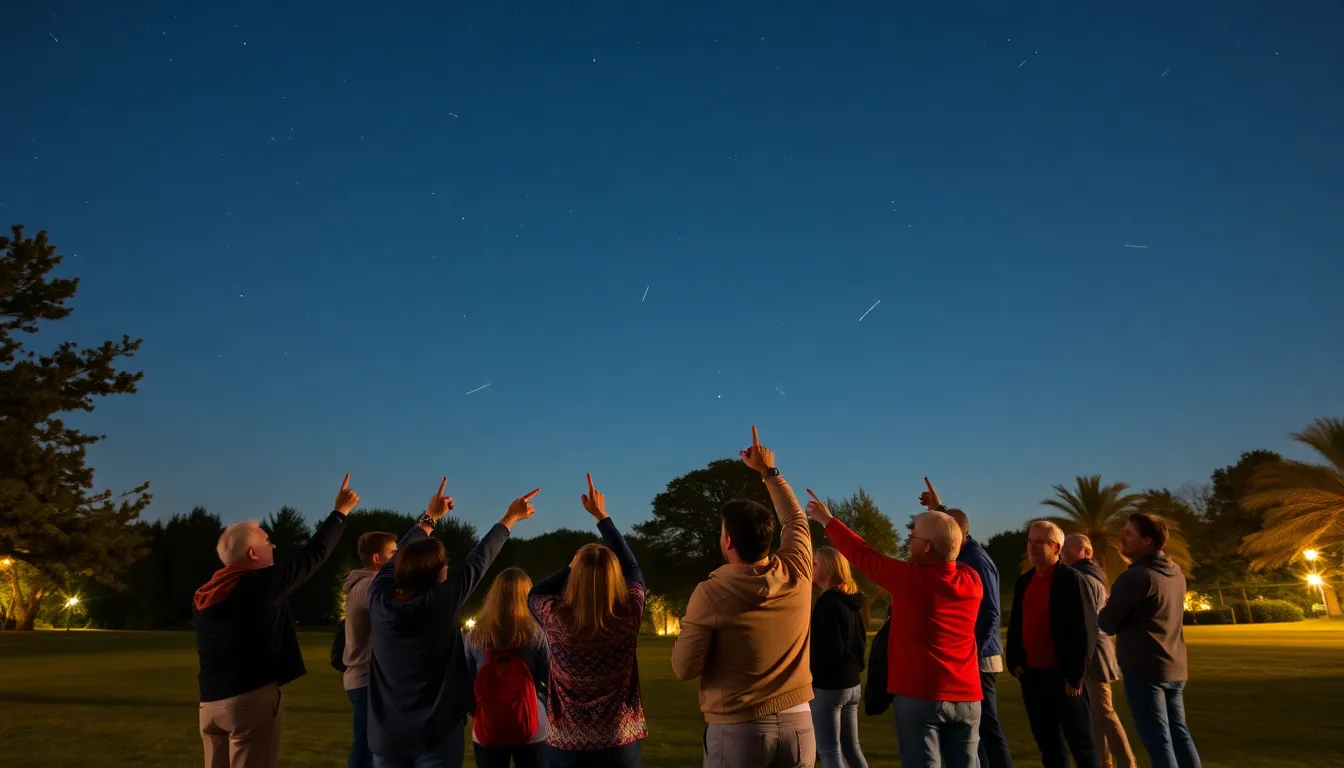
Astronomers and researchers are primarily interested in the scientific data that can be gathered during meteor showers. Their focus lies in understanding the composition, trajectory, and potential impacts of meteors. This group often collaborates with organizations like NASA and the European Space Agency (ESA) to enhance observational capabilities and share findings.
Governments play a critical role in funding space research and public outreach initiatives. They are interested in promoting STEM education and fostering public interest in space exploration. However, budget constraints can lead to trade-offs between funding for meteor observation programs and other scientific initiatives.
- Public Interest: The general public’s fascination with meteor showers drives attendance at viewing events and educational programs.
- Environmental Considerations: Light pollution from urban areas can significantly hinder visibility, prompting discussions about sustainable urban planning.
- Safety Concerns: While meteor showers are generally harmless, there are concerns regarding the potential for larger meteors to cause damage, which can influence governmental policies on space monitoring.
Legal issues also arise, particularly regarding the ownership of space resources and the liability for any potential damages caused by meteor impacts. As interest in space exploration grows, these legal frameworks will need to adapt to accommodate new challenges and ensure safety for all stakeholders involved.
Who Will Benefit from Observing the Meteor Shower
The meteor shower from Halley’s Comet presents a unique opportunity for various groups and industries. Astronomy enthusiasts, educators, and local tourism sectors are among the primary beneficiaries. As the shower occurs, interest in celestial events can lead to increased public engagement and educational outreach.
Regions with clear skies and minimal light pollution will see a surge in visitors, boosting local economies. Parks and observatories may host events to observe the meteor shower, attracting both locals and tourists. This influx can lead to short-term financial benefits for businesses such as hotels, restaurants, and retail shops.
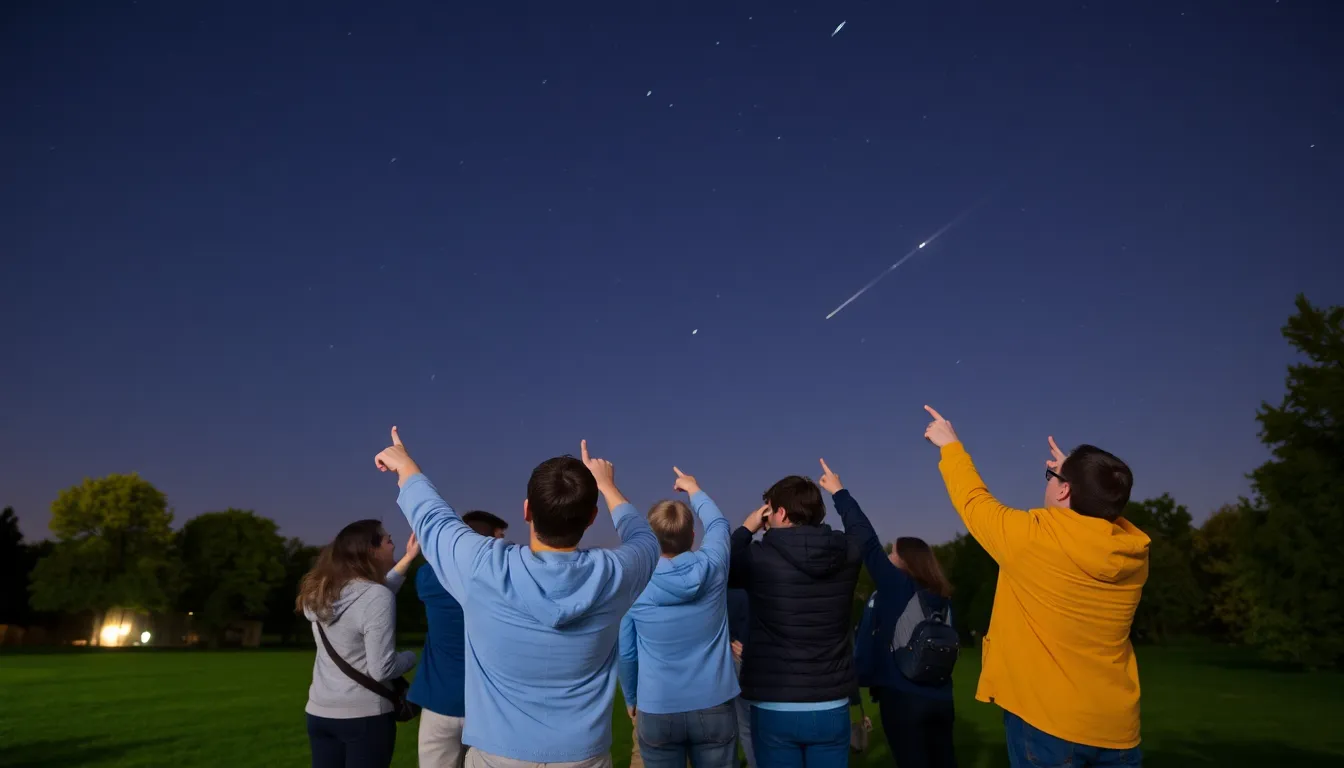
In the short term, communities may experience heightened excitement and participation in stargazing events, fostering a sense of community and shared experience. However, this can also bring challenges, such as traffic congestion and increased waste in popular viewing areas.
- Short-term impacts: Increased tourism, community engagement, and local business revenue.
- Mid-term impacts: Potential for ongoing interest in astronomy, leading to educational programs and policy discussions on light pollution.
- Risks: Environmental concerns from overcrowding and waste management issues.
- Opportunities: Development of sustainable tourism practices and enhanced public interest in science and education.
As the event draws near, educators can leverage the meteor shower to promote science and astronomy, inspiring the next generation of scientists. Schools and universities may incorporate this event into their curricula, providing students with hands-on learning experiences.
In summary, while the meteor shower from Halley’s Comet presents certain risks, the potential opportunities for economic growth, education, and community engagement make it a significant event for many stakeholders.
A: The best time to observe the meteor shower is usually during the peak hours after midnight when the sky is darkest. A: No special equipment is needed, but a comfortable chair and a blanket can enhance the viewing experience. A: It’s best to find a dark location away from city lights, such as a park or open field. A: The meteor shower typically lasts for several hours, with the most intense activity occurring during the peak. A: Yes, clear skies are ideal for viewing, so it’s important to check the weather forecast before planning your observation.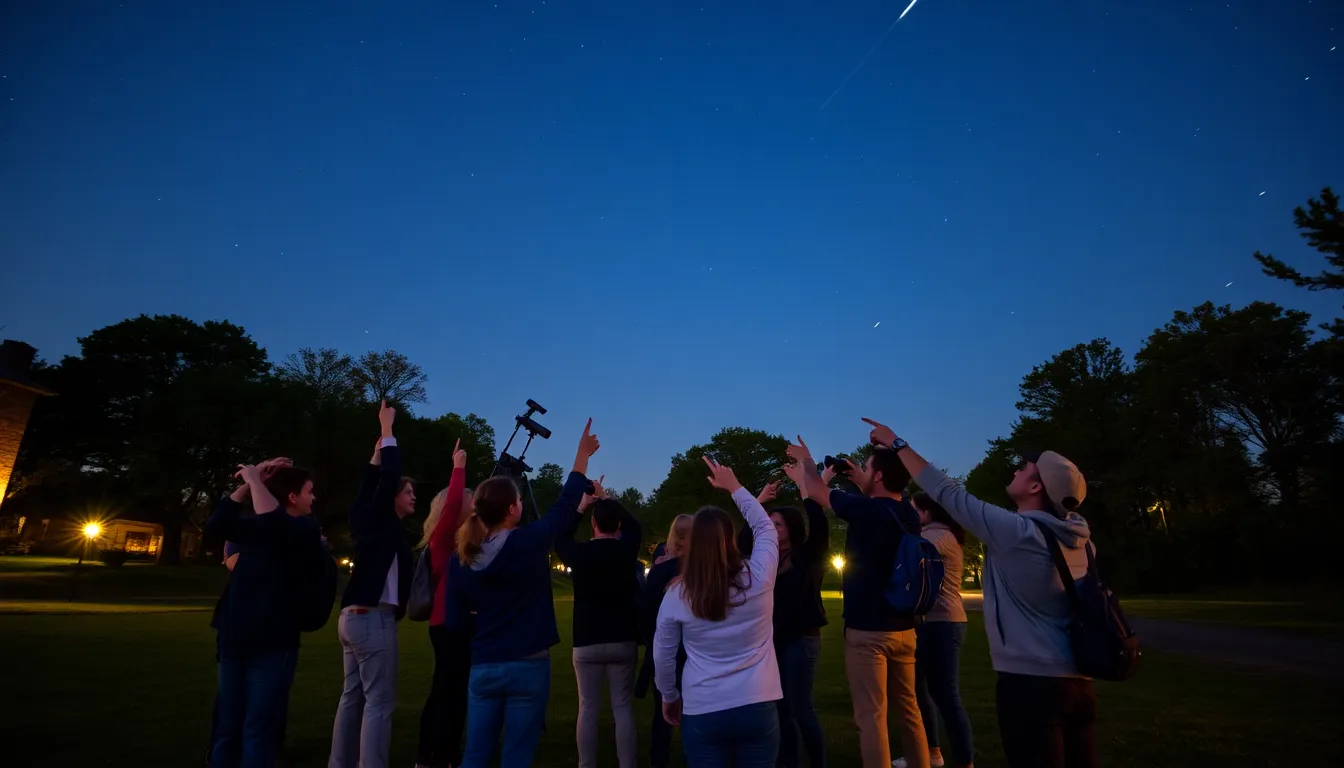
Frequently Asked Questions About Meteor Showers
Key Takeaways for Meteor Shower Observers
As the Earth prepares to pass through the debris left by Halley’s Comet, the upcoming meteor shower presents a unique opportunity for both amateur and seasoned astronomers. Understanding the optimal viewing conditions and timing can significantly enhance the experience. Observers should also consider the impact of light pollution and weather conditions on visibility, as these factors can greatly influence the number of meteors seen.
Planning your viewing strategy is essential. Selecting a location with minimal light interference, allowing for ample time to acclimate to the darkness, and being patient can lead to a rewarding experience. Additionally, staying informed about the specific dates and peak times of the meteor shower will maximize the chances of witnessing this celestial event.
- Choose a dark location away from city lights for optimal visibility.
- Check the weather forecast to ensure clear skies on the viewing night.
- Plan to spend at least an hour observing to increase the likelihood of seeing meteors.
- Be aware of the peak dates and times for the meteor shower to enhance your viewing experience.
- Consider using a reclining chair or blanket to comfortably gaze at the sky.