
For instance, in September 2023, residents of a small town in Texas rallied against a proposed data center, citing fears of noise pollution and water usage. Similarly, in Nevada, local officials have delayed approvals for new data center projects, demanding more comprehensive environmental assessments. These actions illustrate a growing trend where local voices are increasingly influencing corporate and governmental decisions related to technology infrastructure. For more insights on how local opposition is impacting A.I. data centers, check out our article on Local Opposition Slowing A.I. Data Centers and Wall Street’s Reaction.
Wall Street has taken note of these developments, with analysts warning that local opposition could lead to delays and increased costs for tech companies. Investment firms are reevaluating their strategies, considering the potential for regulatory hurdles in regions where data centers are planned. The financial implications of these community responses may reshape how companies approach future A.I. investments.
This situation highlights a critical intersection of technology and community interests, where the push for innovation meets the need for sustainable development. As public awareness grows regarding the implications of A.I. technologies, the dialogue between tech companies and local stakeholders is becoming increasingly vital. The outcomes of these local battles could set important precedents for the future of data center development nationwide.
Understanding the rise of A.I. data centers and local resistance
In recent years, the proliferation of artificial intelligence (A.I.) technologies has driven an unprecedented demand for data centers, which are pivotal in processing and storing vast amounts of information. As companies like Google, Amazon, and Microsoft invest heavily in A.I. capabilities, they require significant infrastructure to support their operations. This surge in data center construction has sparked a complex interplay between technological advancement and local community concerns, leading to increased resistance against new projects.

Historically, data centers have been welcomed in many regions for their potential to create jobs and stimulate local economies. However, the rapid expansion of A.I. data centers has raised new issues, including environmental impacts, increased energy consumption, and concerns about data privacy. Communities have begun to voice their opposition, citing fears of overdevelopment, strain on local resources, and the potential for job displacement as automation becomes more prevalent.
Political dynamics also play a crucial role in this resistance. Local governments often find themselves caught between the economic benefits promised by tech giants and the concerns of their constituents. In some instances, public hearings and community meetings have revealed deep-seated anxieties about the long-term implications of hosting A.I. data centers, leading to calls for stricter regulations and more transparent decision-making processes.
Key milestones in local opposition
Several key events have marked the growing local opposition to A.I. data centers. For instance, in 2021, a proposed data center in a small town faced significant backlash, resulting in a moratorium on new developments until comprehensive studies could be conducted. Similarly, in 2022, residents in a suburban area successfully lobbied against a planned facility, citing environmental degradation and traffic concerns. These instances illustrate a broader trend of communities becoming more organized and vocal in their opposition, prompting Wall Street to take notice of the potential risks associated with investing in such projects. The implications of these developments can also be seen in related issues like The Consequences of U.S.A.I.D. Birth Control Failures in Africa.
Key stakeholders and their positions on A.I. data center projects
As the demand for artificial intelligence (A.I.) continues to grow, the establishment of data centers has become a focal point of contention among various stakeholders. These stakeholders include local communities, technology companies, government entities, and investors, each with their own interests and concerns.
Local communities often express opposition to A.I. data centers due to concerns about environmental impacts, increased traffic, and changes to the character of their neighborhoods. Many residents fear that the construction and operation of these facilities could lead to noise pollution, higher energy consumption, and potential harm to local ecosystems.

Technology companies, on the other hand, advocate for the expansion of data centers as essential infrastructure to support A.I. advancements. They argue that these facilities are necessary for processing vast amounts of data and that their presence can stimulate local economies through job creation and increased investment. However, they must navigate the growing local resistance and regulatory hurdles that can delay or halt projects.
Government entities play a crucial role in this dynamic, balancing the need for technological growth with the concerns of their constituents. They may face pressure to support data center projects for economic reasons while also needing to address environmental regulations and community feedback. This often results in complex negotiations and compromises.
- Local opposition: Concerns about environmental impact and community disruption.
- Technology companies: Advocacy for infrastructure development to support A.I. growth.
- Government involvement: Balancing economic benefits with regulatory and community concerns.
- Investor interests: Monitoring potential returns on investment amid project delays.
- Legal challenges: Emerging lawsuits and regulatory frameworks affecting project timelines.
The economic and social implications of slowed A.I. data center growth
The local opposition to A.I. data centers is creating ripples across various sectors, affecting technology companies, local economies, and communities. Regions that were once poised for technological advancement are now facing delays and potential cancellations of projects, which can lead to a slowdown in economic growth and job creation. This intersection of local interests and technological growth is crucial, as discussed in our piece on Football fans support female commentator facing online sexism.
In the short term, businesses that rely on A.I. technologies may experience disruptions in their operations due to limited access to necessary data processing capabilities. This could result in delayed product launches and reduced competitiveness in the market. Local governments may also face challenges in meeting budget expectations, as anticipated tax revenues from these data centers may not materialize.

Mid-term impacts could include shifts in policy as local governments grapple with balancing economic development and community concerns. Stricter regulations may emerge, aimed at addressing environmental and social issues, which could further complicate the establishment of new data centers. On the flip side, this could prompt companies to invest in more sustainable practices and technologies, opening up new markets and opportunities.
- Risks: Economic stagnation in regions dependent on tech investments.
- Risks: Delayed advancements in A.I. technology and applications.
- Opportunities: Increased focus on sustainable technology solutions.
- Opportunities: Potential for community-driven tech initiatives.
Communities are also feeling the impact, as public sentiment against A.I. data centers can lead to increased activism and engagement in local governance. While this may slow down growth in the tech sector, it could foster a more inclusive dialogue about the future of technology in society, encouraging stakeholders to consider the broader implications of A.I. development.
A: Local communities often cite concerns over environmental impact, increased traffic, and changes to the local economy as reasons for their opposition. A: Investors are closely monitoring the situation, as prolonged delays could affect the profitability and growth potential of companies involved in A.I. data center development. A: Slowed development can lead to lost job opportunities, reduced local investment, and a slowdown in technological advancements in the region. A: Some companies are engaging with communities to address concerns, proposing measures such as environmental assessments and community benefit agreements. A: The long-term outlook will depend on how effectively companies can navigate local opposition and adapt their projects to meet community needs.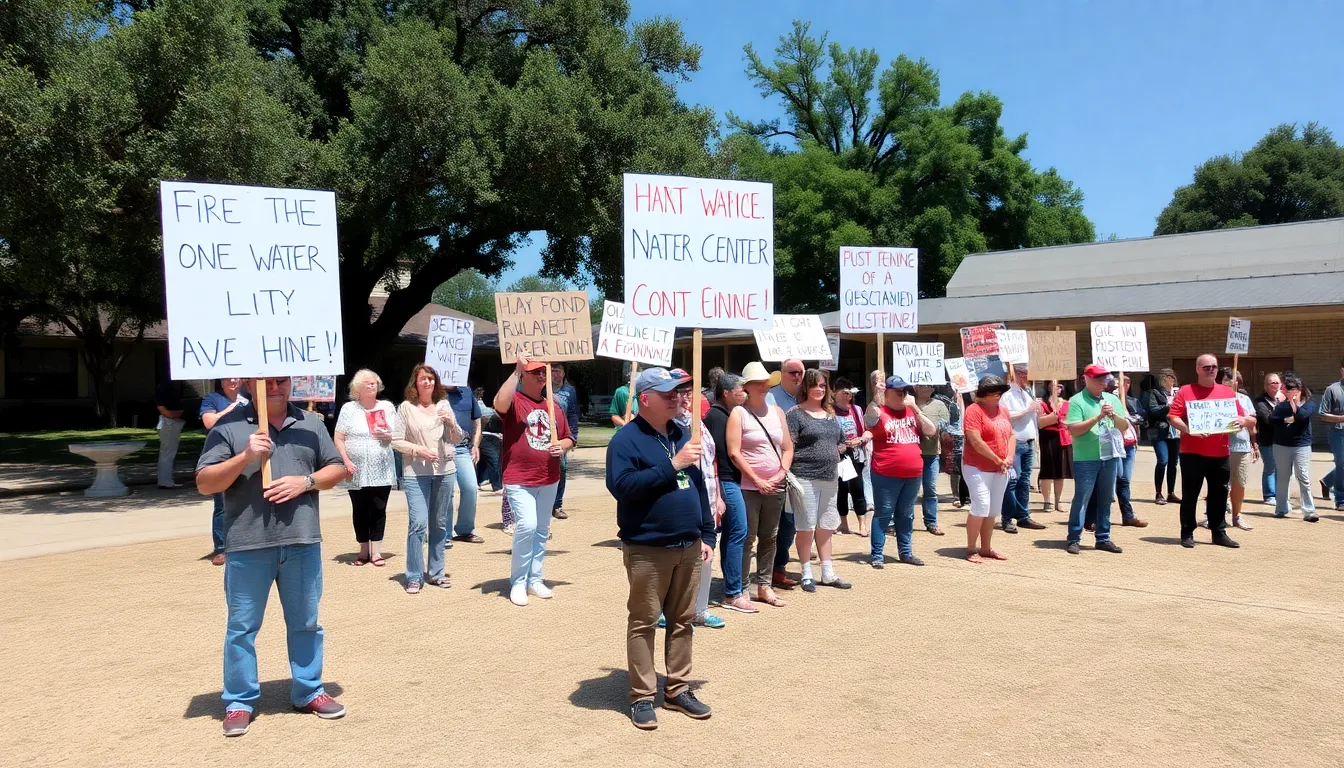
Frequently Asked Questions about A.I. data centers and local opposition
Looking ahead: The future of A.I. data centers amid local opposition
The increasing pushback from local communities against A.I. data centers highlights a growing tension between technological advancement and community concerns. As these facilities become essential for supporting the rapid growth of artificial intelligence, understanding the implications of local opposition is crucial for stakeholders. The financial markets are taking notice, indicating that the future landscape of A.I. infrastructure may be shaped significantly by these local dynamics.
Moving forward, companies involved in the development of A.I. data centers will need to navigate not only regulatory hurdles but also community sentiment. Engaging with local populations and addressing their concerns will be vital in securing the necessary support for these projects. The interplay between technological progress and local advocacy will likely dictate the pace and scale of future A.I. initiatives.
- Community Engagement: Companies must prioritize transparent communication and collaboration with local residents to mitigate opposition.
- Regulatory Adaptation: Expect evolving regulations as local governments respond to community concerns, potentially impacting project timelines.
- Investment Shifts: Investors may favor companies that demonstrate proactive community relations, influencing funding decisions.
- Technology Alternatives: Explore decentralized or smaller-scale data solutions that may be more palatable to local communities.