
Key actors in this issue include U.S.A.I.D. officials, local health authorities, and non-governmental organizations that rely on these supplies to provide essential reproductive health services. In March 2023, a shipment destined for several African nations was reported to have been compromised, leading to urgent calls for an investigation into the supply chain management practices employed by U.S.A.I.D. and its partners. This situation highlights the need for better coordination among health organizations.
The implications of this situation are far-reaching, as millions of women and families depend on these contraceptives for health and economic stability. Without reliable access to birth control, there is a heightened risk of unintended pregnancies, which can exacerbate poverty and hinder educational opportunities for women. Furthermore, this issue underscores the importance of effective international aid and the need for accountability in the management of health resources, as seen in various programs.
As discussions continue about the future of U.S.A.I.D. programs in Africa, stakeholders are advocating for improved oversight and better logistical strategies to prevent similar occurrences in the future. The ongoing challenges highlight the critical need for a robust framework to ensure the safe and effective delivery of reproductive health supplies to vulnerable populations, a growing concern addressed in articles about global health initiatives.
Understanding the Background of U.S.A.I.D. Initiatives in Africa
The United States Agency for International Development (U.S.A.I.D.) has played a pivotal role in providing developmental assistance to African nations since its inception in 1961. Over the decades, U.S.A.I.D. has focused on various sectors, including health, education, and economic development, with a particular emphasis on family planning and reproductive health services. These initiatives aimed to address high birth rates, improve maternal health, and empower women through access to contraceptive methods.
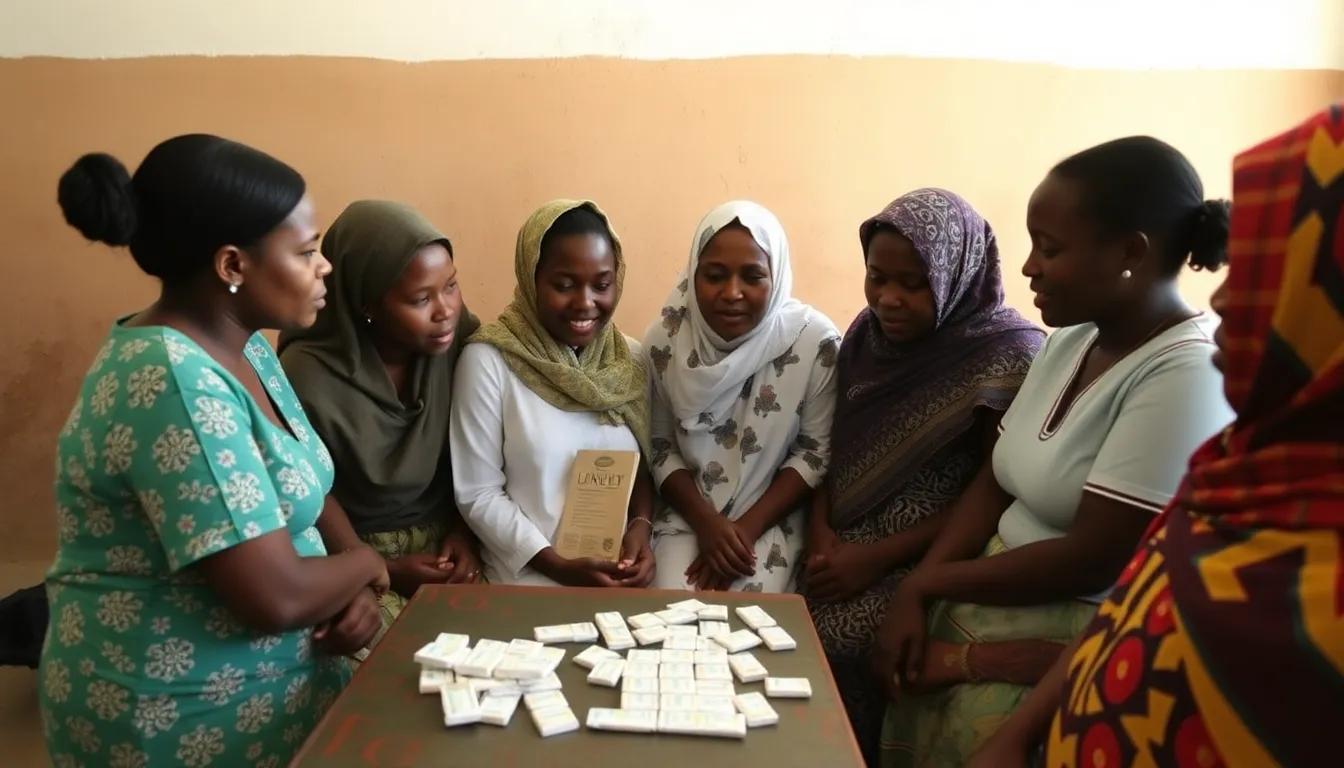
Historically, the push for birth control in Africa can be traced back to the 1970s when global population growth raised concerns about sustainability and resource allocation. The U.S. government, influenced by both humanitarian motives and geopolitical strategies during the Cold War, began promoting family planning programs as a means of stabilizing populations and reducing poverty. This led to significant investments in contraceptive technologies and health education across the continent.
However, U.S.A.I.D.’s efforts have not been without controversy. Political opposition, both domestically and internationally, has often shaped the narrative around reproductive health. For instance, the “Mexico City Policy,” also known as the “Global Gag Rule,” instituted by various U.S. administrations, restricted funding to organizations that provide or promote abortion services. This policy not only limited access to comprehensive reproductive health services but also complicated the distribution of birth control methods, leading to significant gaps in availability.
Economic Factors Influencing Access
The economic landscape in many African countries has also played a crucial role in the effectiveness of U.S.A.I.D.’s birth control initiatives. Limited financial resources, coupled with high levels of poverty, have often hindered the implementation and sustainability of family planning programs. Additionally, local health systems frequently lack the infrastructure necessary to distribute contraceptives effectively, resulting in a mismatch between supply and demand. These economic challenges have been exacerbated by external factors such as global economic downturns and fluctuating aid levels, further complicating efforts to improve reproductive health services.
Key Stakeholders and Issues in the Birth Control Controversy
The controversy surrounding the U.S.A.I.D. birth control initiative intended for Africa involves a complex array of stakeholders, each with distinct interests and motivations. Key actors include U.S. government agencies, African governments, non-governmental organizations (NGOs), and the communities directly affected by these policies.
U.S.A.I.D. represents the interests of the U.S. government, which aims to promote public health and family planning in Africa as part of its foreign aid strategy. However, the agency faces criticism for the effectiveness and appropriateness of the products distributed, particularly when they do not align with local needs or cultural values.
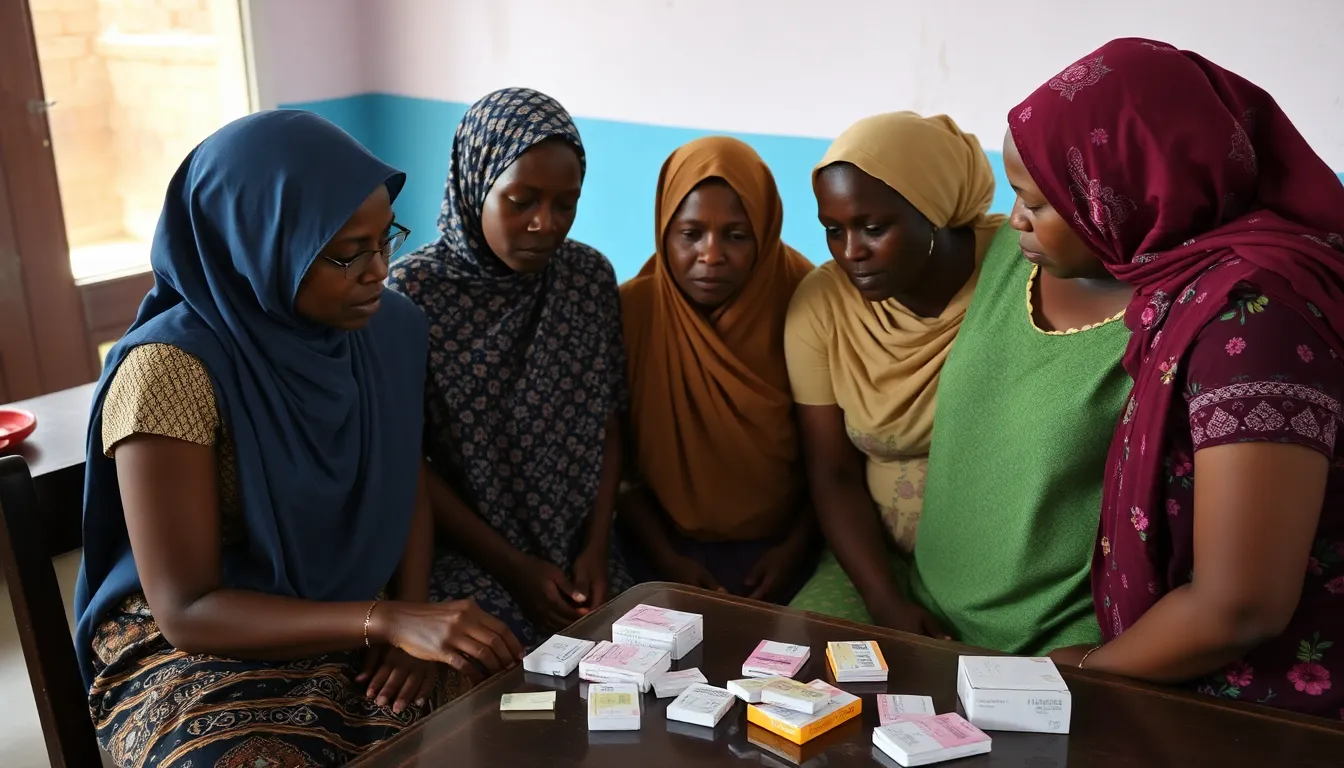
African governments play a dual role as both recipients of aid and regulators of health services. They are often caught between the pressures of international funding and the expectations of their own populations. The trade-offs involved can lead to conflicts over resource allocation and the prioritization of public health initiatives.
NGOs are pivotal in implementing birth control programs but may have differing agendas, sometimes prioritizing reproductive rights over local customs. This can create tension with local communities, who may resist external interventions that they perceive as undermining their cultural practices.
- Legal Issues: The legality of distributing certain contraceptives may vary by country, raising questions about compliance with local laws.
- Economic Concerns: Funding cuts or changes in U.S. policy can impact the availability and distribution of birth control resources.
- Public Perception: Misinformation about birth control can lead to stigma and resistance among communities.
- Cultural Sensitivity: Programs that do not consider local beliefs may face backlash, undermining their effectiveness.
- Health Outcomes: The failure of these initiatives can have long-term implications for maternal and child health in the region.
The Impact of Failed Birth Control Programs on African Communities
The recent failure of U.S.A.I.D. birth control programs intended for Africa has far-reaching consequences for various groups, particularly women, families, and healthcare providers. Women in rural and underserved areas, who rely heavily on such programs for family planning and reproductive health, are among the most affected. This disruption not only impacts individual lives but also places a strain on local healthcare systems that are already under-resourced.
In the short term, the absence of reliable birth control options can lead to increased rates of unintended pregnancies, which may overwhelm healthcare facilities and lead to higher maternal and infant mortality rates. Families may experience economic hardship as they are forced to allocate more resources towards unexpected child-rearing responsibilities, thereby affecting their overall quality of life. Additionally, businesses that rely on a stable workforce may face challenges as employees navigate the complexities of unplanned family growth.
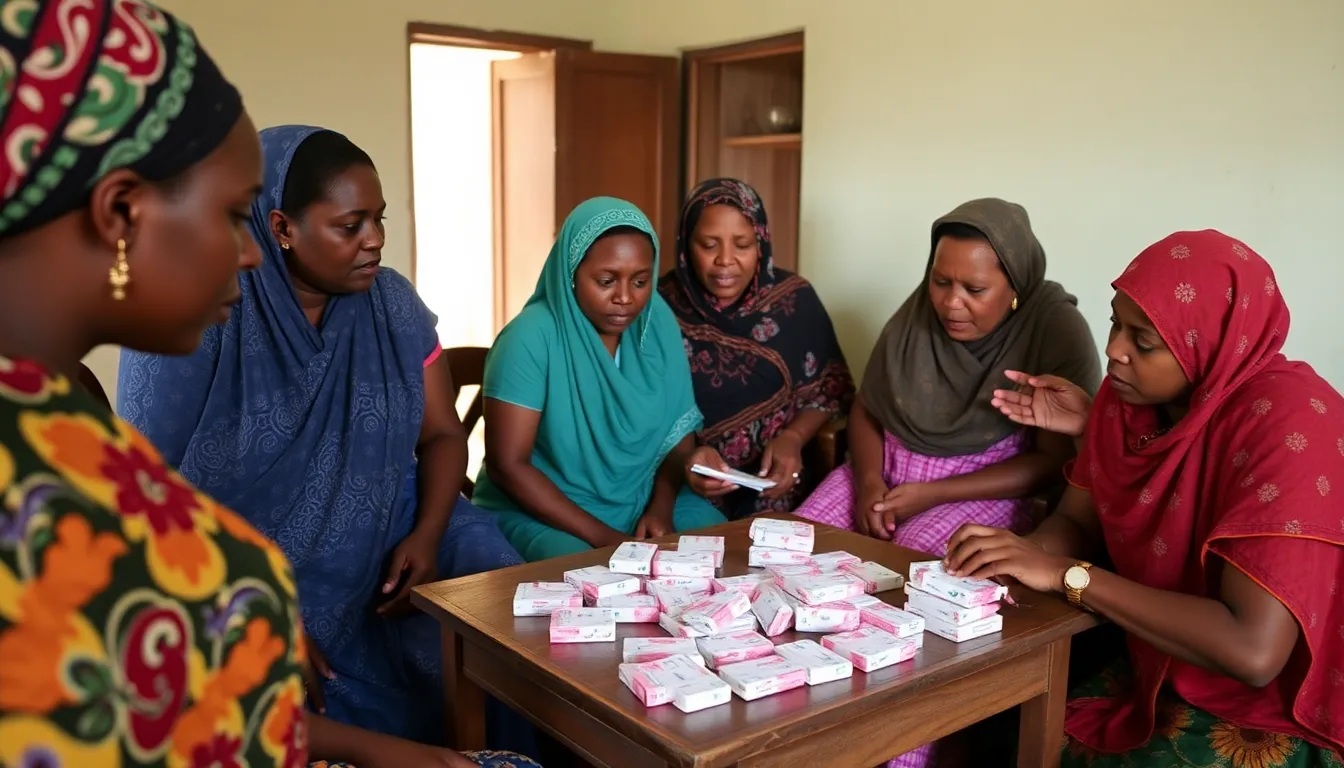
In the mid-term, the failure of these programs could influence policy discussions around reproductive health and funding allocations. Governments may find themselves under pressure to address the rising needs for maternal and child health services, which could shift priorities away from other critical areas. This situation presents both risks and opportunities for local NGOs and international organizations looking to fill the gap left by U.S.A.I.D.’s shortcomings.
- Increased maternal and infant mortality rates
- Economic burden on families
- Strain on local healthcare systems
- Potential for policy shifts in reproductive health
- Opportunities for NGOs to expand services
While the immediate impacts are concerning, there is also a potential for innovation as local organizations may seek to develop alternative solutions to reproductive health challenges. This could foster a new wave of community-driven initiatives aimed at providing education and access to family planning resources, ultimately empowering women and families in the long run.
A: Several factors contributed to the failure, including logistical challenges, cultural resistance, and insufficient funding. These issues hindered effective distribution and acceptance of birth control methods. A: The failure of these programs has led to increased rates of unintended pregnancies and related health complications. Women have found themselves without access to necessary reproductive health services. A: U.S.A.I.D. may need to reevaluate its strategies and engage more with local communities to ensure that future initiatives are culturally sensitive and effectively implemented. A: Yes, some programs have succeeded by incorporating local input and adapting to cultural contexts. These examples highlight the importance of community involvement in health initiatives.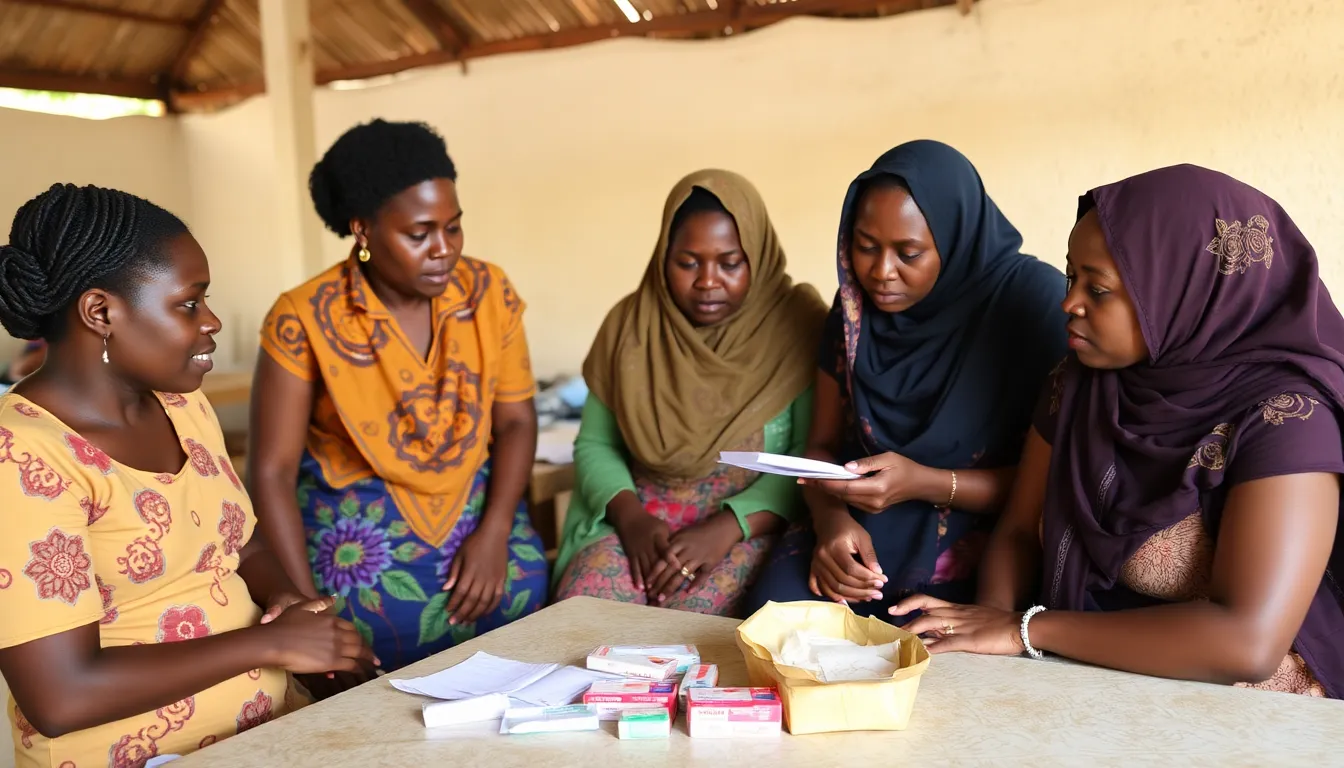
Frequently Asked Questions about U.S.A.I.D. Birth Control in Africa
Key Takeaways and Future Outlook on U.S.A.I.D. Initiatives
The recent challenges faced by U.S.A.I.D. in delivering effective birth control solutions to Africa underscore the complexities involved in international aid and public health initiatives. The mismanagement of resources and the need for culturally sensitive approaches highlight the importance of understanding local contexts and needs. As the agency reassesses its strategies, it is crucial to consider the implications for future projects and the broader landscape of health initiatives in developing regions.
Moving forward, collaboration with local organizations and stakeholders will be essential to ensure that aid is both effective and respectful of cultural values. The lessons learned from this situation can inform better practices, ultimately leading to improved health outcomes and trust in foreign aid efforts.
- Local Engagement: Future initiatives must prioritize partnerships with local organizations to ensure cultural relevance and community buy-in.
- Resource Management: Effective oversight and transparent management of resources are critical to prevent misallocation and ensure that aid reaches those in need.
- Adaptability: Programs should remain flexible and responsive to the unique challenges and changing dynamics of the regions they aim to serve.
- Long-term Commitment: Sustainable health solutions require ongoing investment and support rather than short-term fixes.
- Monitoring and Evaluation: Implementing robust mechanisms for assessing the impact of initiatives can provide valuable insights for future projects.