
Supporters of the commentator have rallied around her, using hashtags to express solidarity and condemn the harassment. Prominent figures in the sports community, including players and fellow commentators, have publicly defended her, emphasizing the need for a more inclusive environment in football. This support highlights the growing awareness of gender-based discrimination in sports, as seen in other areas like discrimination issues in esports.
The abuse directed at the commentator is not an isolated incident but part of a larger pattern of online harassment faced by women in sports. According to a report by the organization Women in Sport, around 45% of female sports professionals have experienced online abuse, which often includes derogatory comments and threats. This alarming statistic underscores the urgent need for action against such behavior.
As discussions around the issue continue, organizations and social media platforms are being called upon to implement stronger measures to combat online harassment. Initiatives aimed at promoting respect and equality in sports are gaining traction, with advocates pushing for policies that protect female commentators and athletes from abuse. The current situation serves as a critical reminder of the challenges women face in the sports industry and the ongoing fight for equality.
Understanding the history of sexism in sports commentary
Sexism in sports commentary has deep roots, reflecting broader societal attitudes toward gender roles. Historically, sports have been perceived as a male-dominated arena, where women were often sidelined or entirely excluded from commentary and analysis. This exclusion was not only a reflection of the prevailing cultural norms but also a systematic marginalization of women’s contributions to sports, similar to challenges faced by female professionals in other fields.
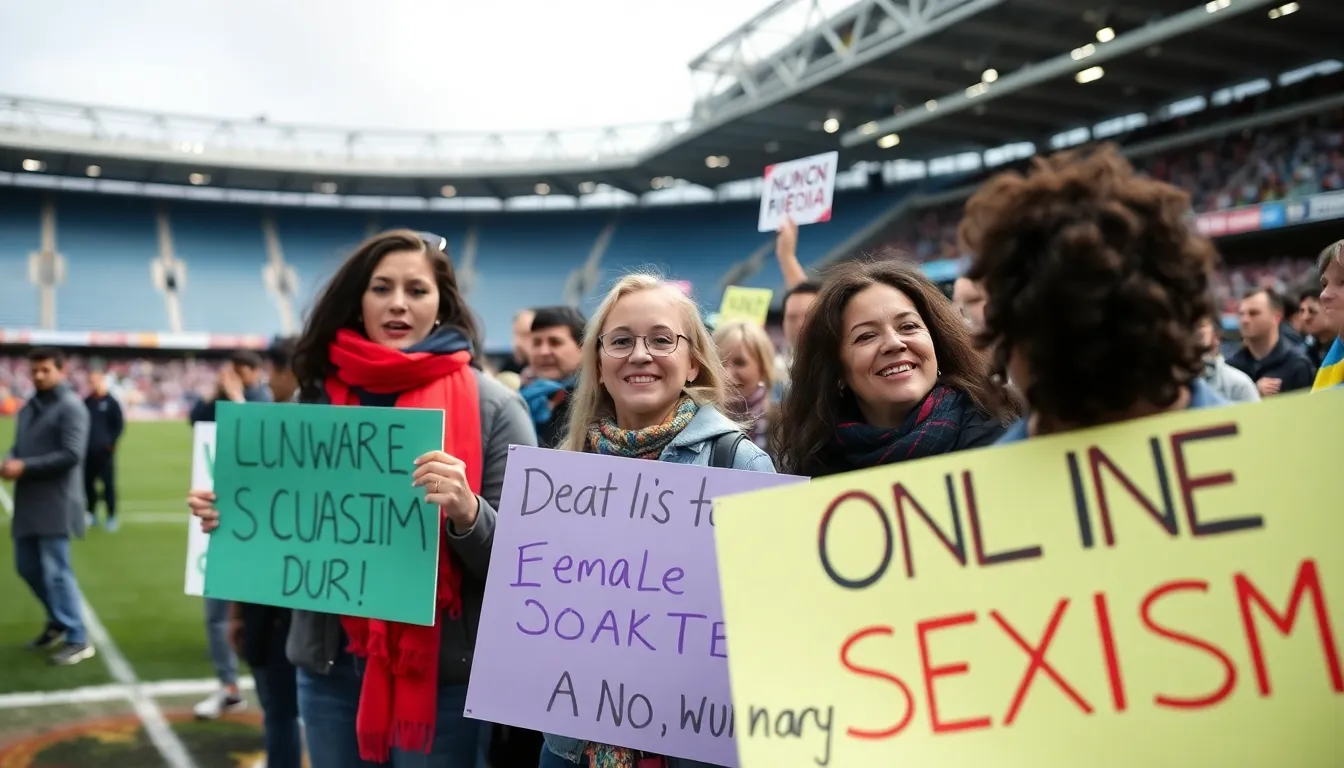
In the early days of sports broadcasting, female commentators were a rarity. When they did appear, they often faced skepticism and scrutiny, with their expertise questioned simply because of their gender. This not only discouraged women from pursuing careers in sports commentary but also perpetuated a cycle of exclusion, where the voices of women were deemed less authoritative or credible in the eyes of audiences and producers alike.
Milestones in the Fight Against Sexism
Throughout the years, there have been significant milestones that have challenged these entrenched attitudes. The 1972 Title IX legislation in the United States marked a turning point, ensuring equal opportunities for women in sports and education. This legislative change opened doors for women not only as athletes but also as commentators and analysts. As more women began to enter the field, the push for representation intensified, leading to a gradual shift in the landscape of sports media.
Despite these advancements, the rise of social media has brought new challenges. While it has provided a platform for female commentators to voice their opinions and reach wider audiences, it has also exposed them to unprecedented levels of online harassment and abuse. The recent rallying of football fans around a female commentator facing sexist abuse highlights the ongoing struggle against these toxic behaviors and the need for a collective response to support women in sports commentary, akin to the evolving conversations surrounding public figures addressing harassment.
As the conversation around sexism in sports continues to evolve, it is crucial to recognize the historical context that has shaped these dynamics. The courage of female commentators who stand against harassment not only paves the way for future generations but also challenges the status quo, urging society to confront and dismantle the systemic sexism that persists in sports commentary today.
Key stakeholders and the implications of online harassment
The recent surge of support for female commentators in football, particularly in response to online abuse, highlights several key stakeholders in this issue. These include the commentators themselves, the sports organizations that employ them, social media platforms, and the wider community of football fans. Each of these actors has distinct interests that influence their responses to the situation.
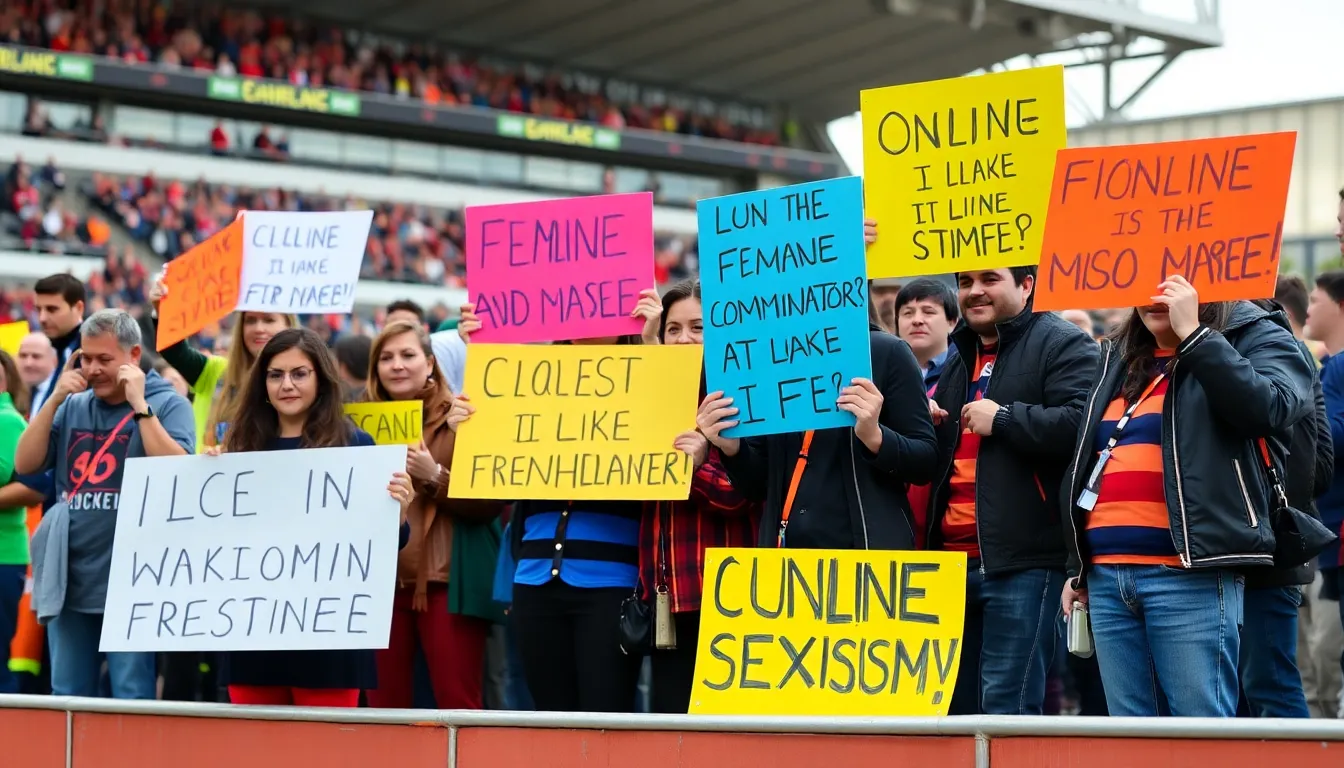
Female commentators, such as the subject of the recent rallying support, are primarily focused on their professional integrity and the right to work in an environment free from harassment. Their interest lies in fostering a more inclusive atmosphere in sports media, which has historically been male-dominated. As they gain visibility, they also face increased scrutiny and, unfortunately, targeted abuse.
Sports organizations, including football clubs and broadcasting companies, have a vested interest in maintaining a positive public image and ensuring the safety of their employees. They are tasked with addressing online harassment to protect their talent and uphold their brand values. However, they often grapple with the challenge of balancing free speech with the need to create a safe working environment.
- Social media platforms are under pressure to implement stricter policies against online abuse while also respecting user freedom.
- Football fans play a crucial role in shaping the culture surrounding the sport, and their reactions can either perpetuate or challenge sexist attitudes.
- Legal frameworks regarding online harassment vary significantly across jurisdictions, complicating enforcement efforts.
- The economic implications of online harassment can affect sponsorships and viewership, as brands increasingly align with inclusive values.
Conflicts arise as stakeholders navigate the complexities of addressing online abuse. For instance, while female commentators advocate for stronger protections, some fans may resist changes that challenge traditional norms in sports commentary. Additionally, the legal landscape surrounding online harassment remains fraught with ambiguity, making it difficult for organizations to take decisive action without risking backlash from various interest groups.
The impact of online abuse on female commentators and the sports community
The recent rallying of football fans in support of a female commentator facing online abuse highlights the broader implications of sexism within the sports industry. This issue affects various groups, including female sports commentators, fans, and the organizations that govern sports. The pervasive nature of online harassment not only impacts the individuals directly involved but also resonates throughout the entire sports community, influencing how the industry addresses gender equality.
In the short term, the backlash against online abuse can lead to increased awareness and discussions surrounding sexism in sports. This heightened visibility may prompt sports organizations to implement more stringent policies against harassment and to promote female representation in commentary roles. The immediate response from fans and fellow commentators can foster a supportive environment, encouraging more women to enter the field.
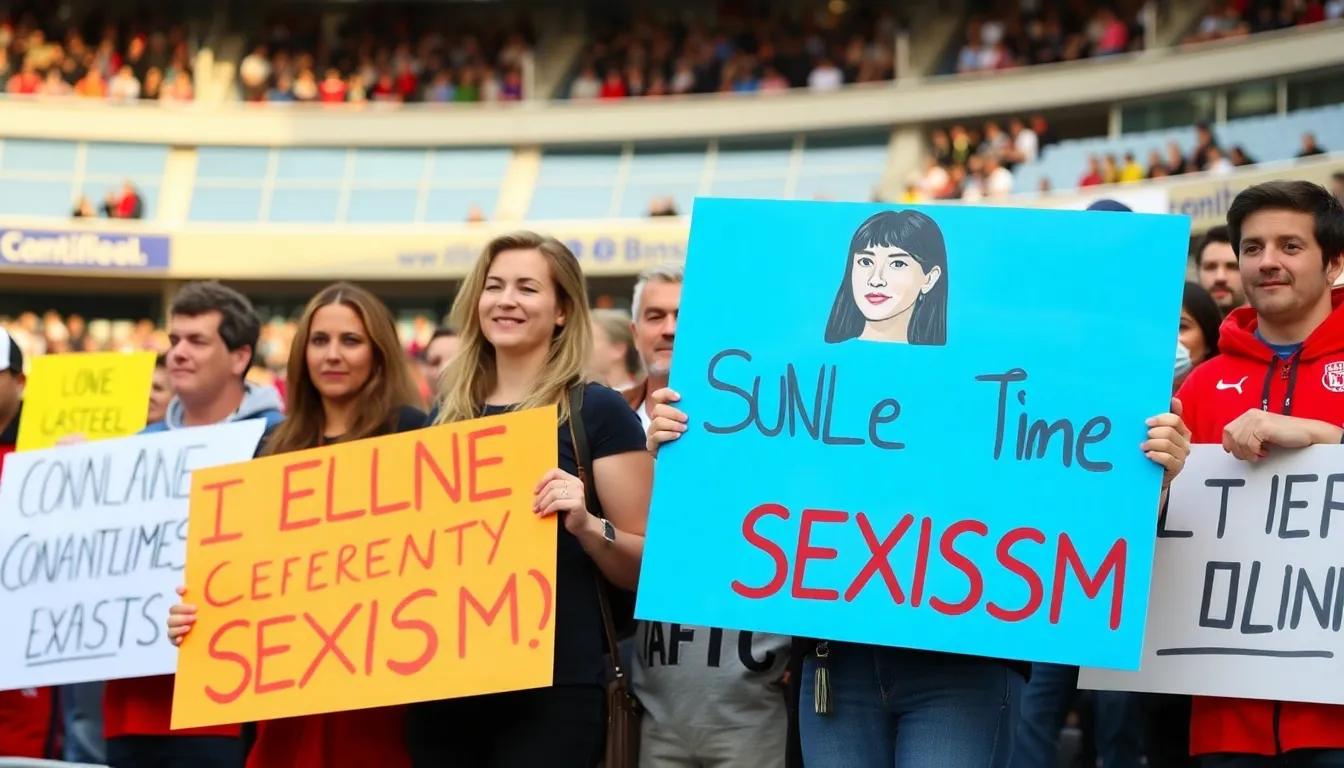
However, the mid-term impacts could be more complex. While there is potential for positive change, there are also risks associated with backlash against female commentators. Increased scrutiny may lead to some organizations hesitating to hire women in visible roles, fearing negative reactions from a segment of the fan base. Additionally, if the issue of online abuse is not adequately addressed, it could perpetuate a toxic culture that deters women from pursuing careers in sports commentary.
- Risks: Potential backlash against hiring female commentators, discouragement of women in sports media.
- Opportunities: Increased advocacy for gender equality, development of supportive policies in sports organizations.
- Impact on Fans: Strengthened community among fans advocating for equality, fostering a more inclusive environment.
Ultimately, the response to online abuse can shape the future landscape of sports commentary, influencing both the experiences of female commentators and the perceptions of fans. As the sports community continues to address these challenges, the potential for meaningful change remains significant, with the possibility of creating a more equitable environment for all involved.
A: The abuse began after the commentator expressed her opinions on a match, which some fans found controversial. This led to a wave of sexist remarks directed at her on social media. A: Many fans have rallied around the commentator, using hashtags to show their support and condemn the sexist behavior. This collective response highlights a growing intolerance for such abuse. A: Raising awareness, promoting diversity in sports media, and encouraging reporting of abusive behavior are crucial steps. Initiatives aimed at educating fans about respect and inclusion can also help. A: Yes, various organizations advocate for women in sports media, providing resources and support to help combat sexism and promote gender equality in the industry.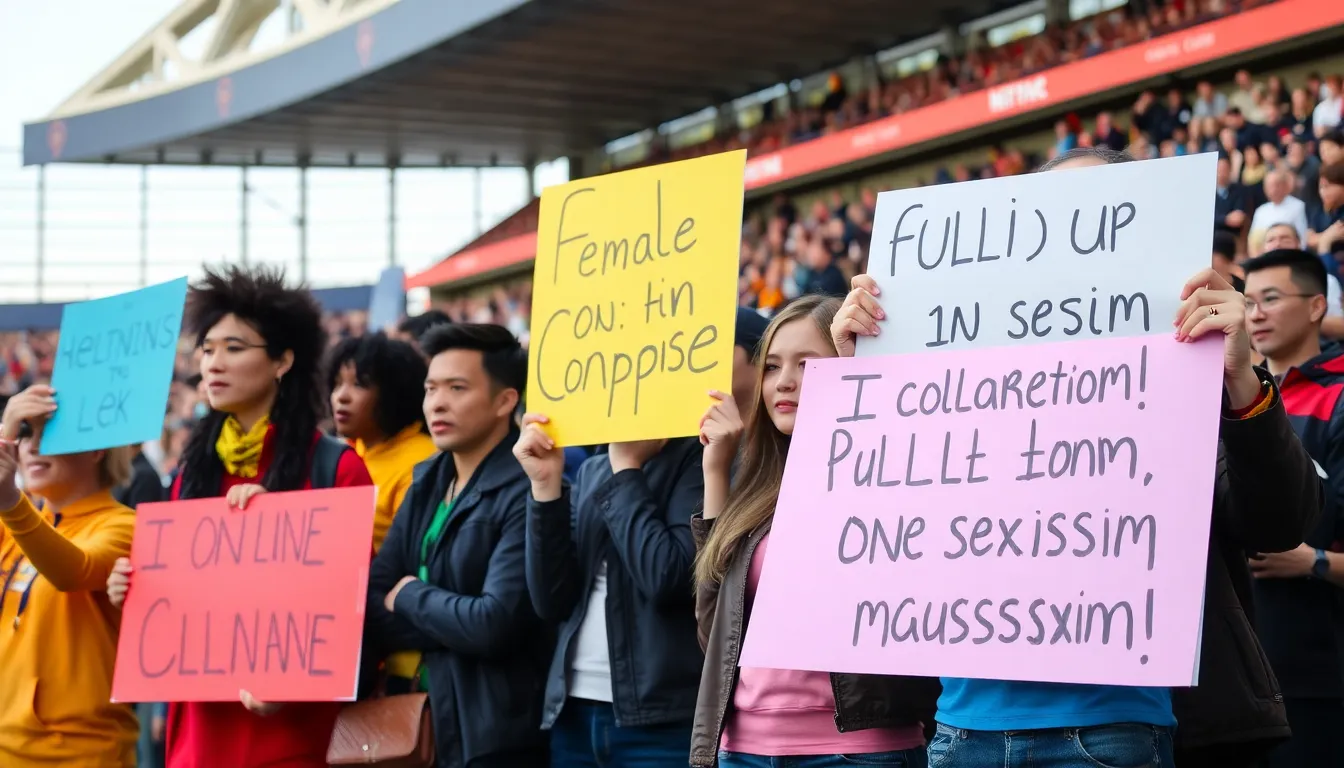
Frequently asked questions about the incident
Looking ahead: the future of women in sports commentary
The recent rallying of football fans in support of a female commentator who faced online sexist abuse highlights a significant shift in societal attitudes toward women in sports media. This incident serves not only as a reflection of the challenges women encounter in this field but also as a catalyst for change, encouraging a more inclusive environment. As discussions around gender equality gain momentum, it is crucial to recognize the potential for a more diverse representation in sports commentary.
With the backing of fans and the increasing awareness of the need for respectful dialogue, the landscape for women in sports commentary is poised for transformation. The ongoing support from the community may lead to more opportunities for female commentators, as well as a reevaluation of the norms that have historically marginalized their voices.
- Increased visibility: Expect to see more female commentators being featured prominently in sports broadcasts, reflecting a growing acceptance of women’s contributions to the field.
- Community support: The solidarity shown by fans can encourage networks and organizations to take a stand against sexist behavior, fostering a safer environment for all commentators.
- Policy changes: Media outlets may implement stricter policies against harassment, promoting a culture of respect and professionalism in sports commentary.
- Mentorship opportunities: The rise in female commentators may inspire mentorship programs aimed at nurturing the next generation of women in sports media.
- Broader conversations: This incident can serve as a springboard for larger discussions about sexism in sports, prompting further advocacy for equality across all levels of the industry.