
However, the debut was overshadowed by a heated debate among professional players regarding the newly introduced armored aim punch mechanic in CS2. This feature has sparked discussions about its impact on gameplay and competitive balance, with various players expressing their concerns over its implications in high-stakes matches and how it relates to current issues in esports.
The controversy intensified during the early matches of the tournament, as players from different teams voiced their frustrations about the armored aim punch affecting their performance. Some argue that it adds an unnecessary layer of complexity, while others believe it enhances the strategic depth of the game.
As the tournament progresses, the community is closely monitoring how Karrigan and Team Falcons adapt to these challenges. The outcome of this event may not only shape the team’s future but also influence discussions about game mechanics among the broader CS2 professional scene.
Understanding the significance of Karrigan’s move to Team Falcons
The competitive landscape of esports, particularly in first-person shooters like Counter-Strike 2 (CS2), has always been marked by strategic team changes and player transfers. Karrigan, a veteran player known for his leadership and tactical acumen, joining Team Falcons signifies a pivotal moment not only for the team but also for the broader competitive scene. His experience and skill set are expected to enhance the team’s performance as they prepare for major tournaments, including IEM Atlanta.
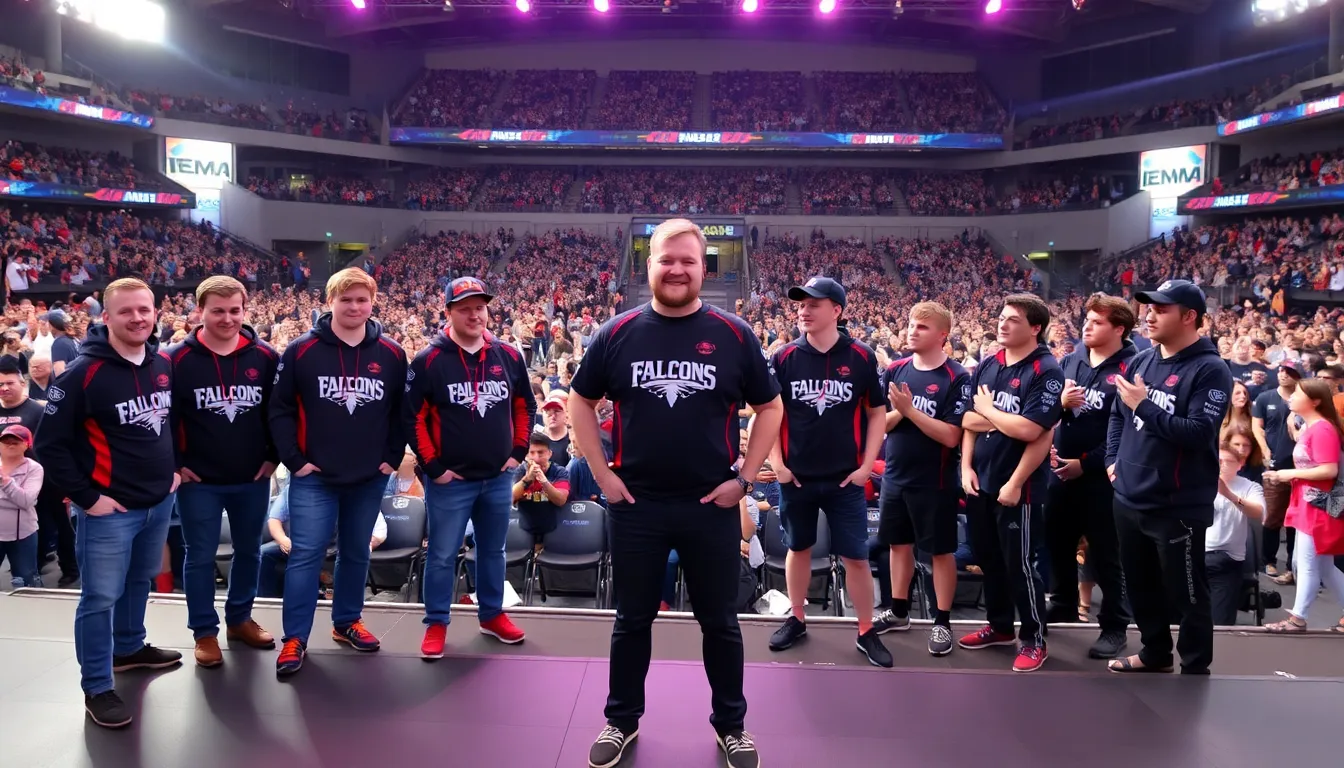
Historically, player transfers in esports have been influenced by various factors such as team dynamics, performance metrics, and the evolving meta of the game. Karrigan’s previous stints with top-tier teams like FaZe Clan and Astralis have established him as a formidable force in the CS2 community. His transition to Team Falcons comes at a time when the team is seeking to solidify its standing in the competitive hierarchy, aiming to challenge established powerhouses in the circuit.
Moreover, the recent argument among players regarding the armored aim punch mechanic highlights ongoing debates within the professional community. This mechanic, which affects how players aim and shoot when hit, has been a contentious topic, influencing strategies and gameplay styles. As teams gear up for IEM Atlanta, such discussions are crucial as they reflect the players’ desire for a balanced competitive environment that allows for fair play and skill expression.
The Evolution of Team Dynamics in CS2
The evolution of team dynamics in CS2 has been shaped by both player movements and the game’s development. As teams experiment with different rosters and strategies, the impact of each player’s role becomes increasingly significant. Karrigan’s arrival at Team Falcons is a testament to the importance of leadership in fostering a cohesive unit capable of adapting to the fast-paced nature of competitive play. His ability to navigate conflicts and unify players will be essential as the team prepares for the challenges ahead in IEM Atlanta.
Analyzing the implications of the armored aim punch debate among pros
The recent debut of Karrigan with Team Falcons has sparked not only excitement among fans but also a heated debate among professional players regarding the armored aim punch mechanic in Counter-Strike 2 (CS2). This mechanic, which affects how players can aim and shoot when hit while wearing armor, has become a focal point for discussions on balance and fairness in competitive play, reminiscent of legal controversies that have affected player dynamics.
Key stakeholders in this debate include professional players, game developers at Valve, and tournament organizers. Professional players, like Karrigan, have vested interests in ensuring that the mechanics of the game do not unfairly disadvantage them or their teams. Game developers aim to maintain a balanced and enjoyable gaming experience, while tournament organizers seek to ensure that competitions are fair and engaging for both players and audiences.
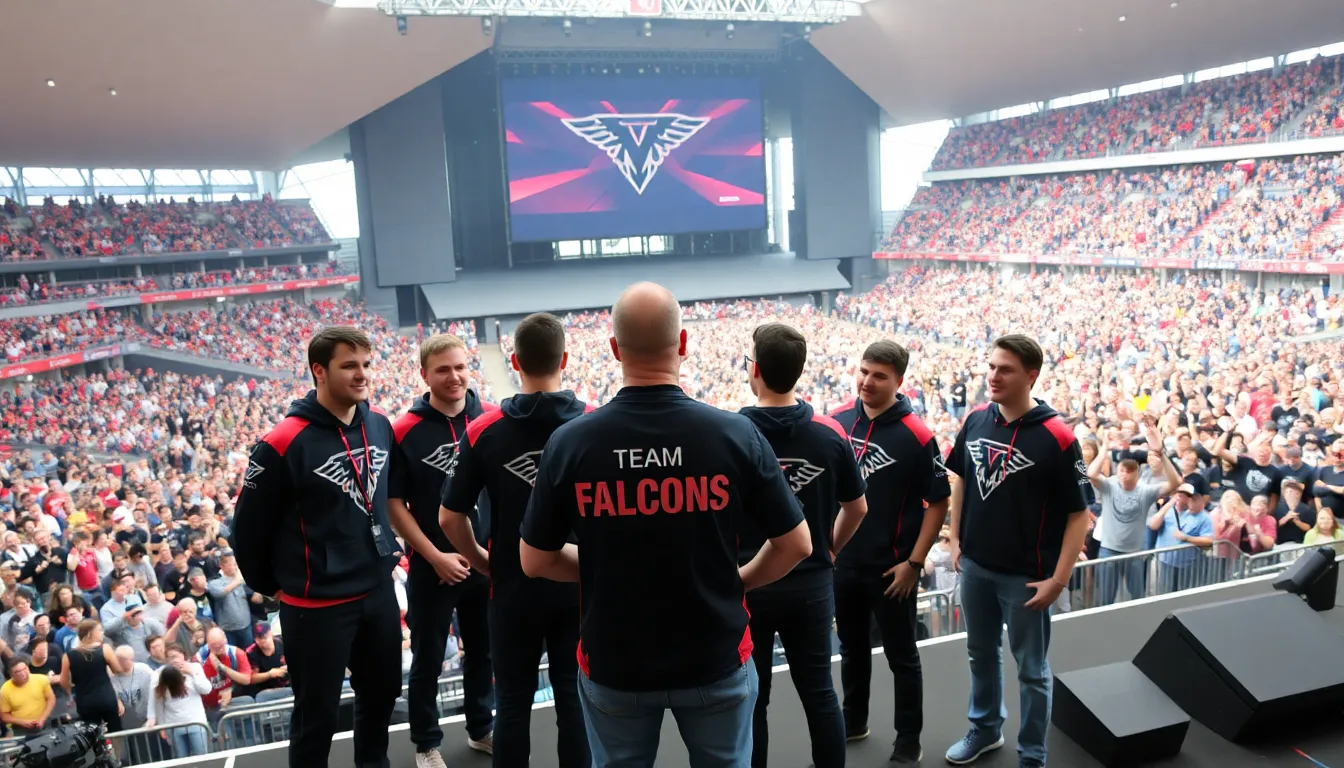
Conflicts arise as players express differing opinions on the effectiveness and fairness of the armored aim punch. Some argue that it adds a layer of strategy, while others believe it undermines the skill required to play at a high level. This dichotomy creates trade-offs; for instance, a change to the mechanic could enhance fairness but might also alter the game’s dynamics in ways that some players may not appreciate.
- Player Interests: Ensuring competitive fairness and maintaining strategic depth.
- Developer Goals: Balancing gameplay mechanics to enhance user experience.
- Tournament Considerations: Creating a level playing field for all participants.
- Community Impact: Player feedback can influence future updates and game mechanics.
- Economic Factors: Changes in game mechanics can affect sponsorships and viewership for tournaments.
As the debate continues, it is essential for all stakeholders to engage in constructive dialogue. The outcomes of this discussion could have significant implications for the future of competitive CS2, affecting not only gameplay but also the broader esports ecosystem.
How these developments affect the competitive CS2 landscape
The recent debut of Karrigan with Team Falcons and the ongoing disputes over armored aim punch have significant implications for various stakeholders in the competitive Counter-Strike 2 (CS2) scene. These developments primarily impact professional players, esports organizations, and the broader gaming community, particularly those engaged in competitive gaming.
In the short term, the introduction of Karrigan to Team Falcons could energize the team’s performance and fan engagement. His expertise and leadership may lead to improved gameplay, attracting attention from sponsors and increasing viewership for upcoming matches. Conversely, the arguments surrounding armored aim punch may lead to heightened tensions among players and teams, potentially disrupting practice schedules and match preparations.
In the mid-term, the controversies surrounding gameplay mechanics like armored aim punch could prompt discussions about game balance and fairness, influencing developer policies and updates. This may result in changes to game mechanics that could either benefit or hinder player performance, impacting team strategies and overall competition dynamics. Additionally, organizations may need to adapt their training regimens to align with any adjustments made to the game.
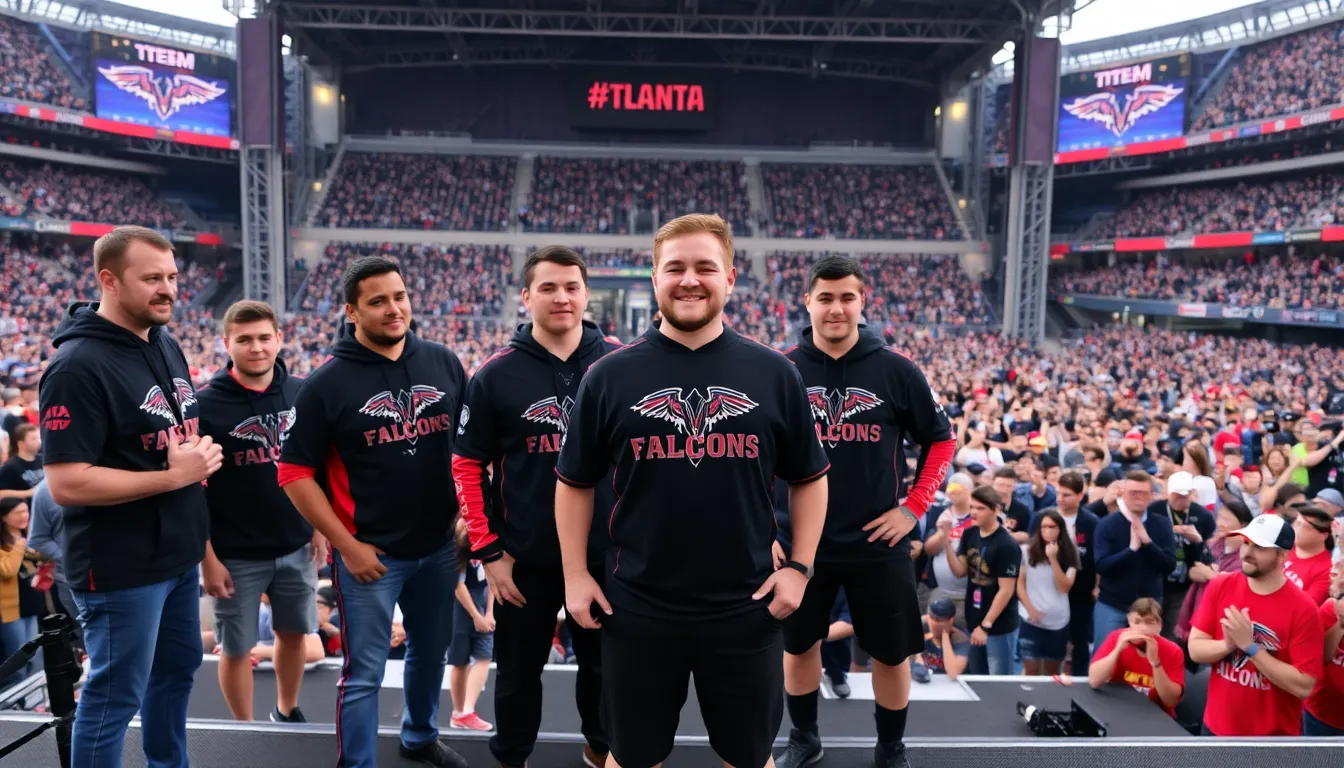
- Increased visibility: Karrigan’s debut may boost Team Falcons’ profile in the esports industry.
- Potential policy changes: Ongoing debates about gameplay mechanics could lead to adjustments in CS2’s competitive rules.
- Team dynamics: The introduction of new players and controversies may alter team chemistry and strategies.
- Sponsorship opportunities: Enhanced performance and visibility could attract new sponsorship deals for teams.
Overall, while there are risks associated with player disputes and potential gameplay imbalances, there are also opportunities for growth and innovation within the competitive CS2 landscape. Organizations and players must navigate these changes carefully to maximize their impact and maintain a competitive edge.
A: Karrigan’s debut brings experienced leadership to Team Falcons, potentially enhancing their performance in upcoming tournaments. His strategic insights could be pivotal for the team’s success. A: The armored aim punch debate revolves around the mechanics of weapon accuracy when players are shot while wearing armor. This has raised questions about fairness and balance in competitive play. A: IEM Atlanta is expected to showcase top-tier CS2 talent and strategies, influencing the meta and possibly leading to shifts in team dynamics. It will be a critical event for teams to prove their capabilities. A: Besides Karrigan, other notable players include top performers from various teams who have consistently shown strong results in previous tournaments. Their performances will be crucial in shaping the competition. A: Team Falcons may adopt more strategic and tactical approaches under Karrigan’s leadership, focusing on team coordination and effective communication to outmaneuver opponents.
Frequently asked questions about Karrigan and CS2
Key takeaways and future outlook for CS2 and Team Falcons
The debut of Karrigan with Team Falcons marks a significant evolution in the competitive landscape of CS2, particularly as the team navigates the complexities of player dynamics and the ongoing debate over game mechanics such as the armored aim punch. As teams prepare for IEM Atlanta, the implications of these developments could reshape strategies and team compositions in upcoming tournaments.
With the integration of new talent and the resolution of internal disputes, Team Falcons is poised to harness its potential. Observers should pay close attention to how the team adapts to Karrigan’s leadership style and how they address the contentious issues surrounding gameplay mechanics that could influence their performance on the international stage.
- The impact of Karrigan’s leadership will be crucial in establishing Team Falcons’ competitive identity.
- Ongoing discussions about armored aim punch may lead to shifts in gameplay strategies across teams.
- Team dynamics will be tested as players adjust to new roles and responsibilities.
- Performance at IEM Atlanta will serve as a litmus test for Team Falcons’ cohesion and adaptability.
- Watch for potential changes in team compositions as organizations respond to gameplay feedback and meta shifts.