
The inquiry, held on October 15, 2023, featured accounts from various individuals who reported instances of verbal harassment, vandalism, and social exclusion. These testimonies underscore a climate of fear and anxiety among local Jews, who feel increasingly targeted within their own neighborhoods, as evidenced by reports of recent incidents in areas like Bondi Beach.
Witnesses described specific events, including a series of graffiti incidents that occurred over the past year, which included antisemitic slogans and symbols. Community leaders are urging local authorities to take these reports seriously and implement measures to combat hate crimes effectively.
This inquiry not only sheds light on the experiences of those affected but also serves as a call to action for both the government and the community. The testimonies reflect a broader societal issue, emphasizing the need for increased awareness and education surrounding antisemitism and its impact on community cohesion, similar to the challenges faced in other regions.

Understanding the historical context of antisemitism in Australia
Antisemitism has a long and complex history in Australia, tracing back to the arrival of the first Jewish immigrants in the late 18th century. Initially, the Jewish community was small, with many members fleeing persecution in Europe. However, as the community grew, so did the instances of discrimination and prejudice. The rise of nationalism and xenophobia during the late 19th and early 20th centuries further exacerbated antisemitic sentiments, particularly during times of economic hardship.
In the post-World War II era, Australia became a refuge for Holocaust survivors, which contributed to the growth of the Jewish population. While this period saw a significant increase in Jewish cultural and religious life, it also brought about renewed challenges. The 1960s and 1970s marked a period of heightened awareness and activism against antisemitism, as various community organizations sought to combat prejudice and promote tolerance.
Key milestones in the fight against antisemitism
Several key milestones have shaped the Australian Jewish experience regarding antisemitism. The establishment of the Anti-Defamation Commission in 1989 aimed to combat discrimination and promote understanding. Additionally, the introduction of legislation targeting hate speech and discrimination has provided legal frameworks to address antisemitic acts. Despite these advancements, incidents of antisemitism continue to persist, often fueled by global events and local socio-political dynamics.
Recent years have seen a disturbing rise in antisemitic incidents, particularly in urban areas like Bondi Beach, where the Jewish community is prominent. This has prompted inquiries and testimonies from community members to shed light on their experiences and the impact of such discrimination on their daily lives, similar to those reported in other inquiries across Australia.
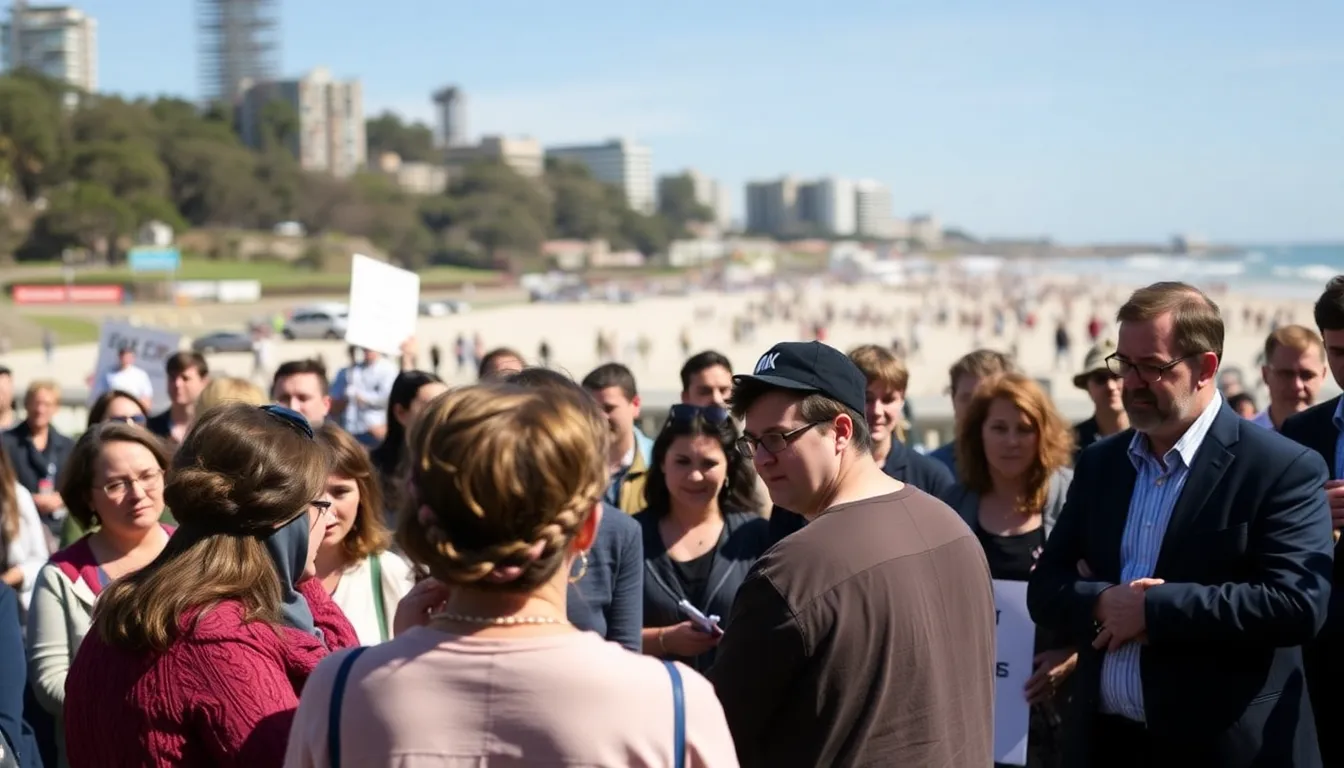
Key stakeholders and the implications of their testimonies
The inquiry into antisemitism at Bondi Beach has drawn attention to various stakeholders, each with distinct interests and concerns. Key actors include the Jewish community in Australia, local government officials, law enforcement agencies, and advocacy organizations focused on combating hate crimes. These groups are pivotal in shaping public discourse and policy regarding antisemitism and broader issues of discrimination.
Jewish community members, who have come forward to testify, share personal experiences of antisemitism that highlight the challenges they face in their daily lives. Their testimonies aim to raise awareness about the prevalence of hate incidents and to advocate for stronger protective measures. This community’s interest lies in fostering a safe environment where they can practice their faith and cultural traditions without fear of harassment or violence.
Local government officials have a vested interest in maintaining public safety and community cohesion. Their responses to the testimonies will likely influence future policies and resource allocation for community safety initiatives. This may involve increasing police presence in areas identified as hotspots for antisemitic incidents or implementing educational programs aimed at reducing prejudice.
- Law enforcement agencies are tasked with addressing hate crimes and ensuring that victims feel supported in reporting incidents.
- Advocacy organizations are focused on lobbying for legislative changes to enhance protections against hate crimes.
- The inquiry may expose underlying tensions within the community, necessitating dialogue between different cultural groups to promote understanding.
- Economic implications may arise if antisemitism affects tourism and local businesses in Bondi Beach.
Conflicts may emerge between the need for public safety and the rights to free speech, particularly in discussions surrounding the limits of expression. The testimonies could lead to legal debates on how best to balance these interests while protecting marginalized communities. Additionally, the inquiry’s outcomes may set precedents for how similar cases are handled in the future, influencing both legal frameworks and community relations across Australia.
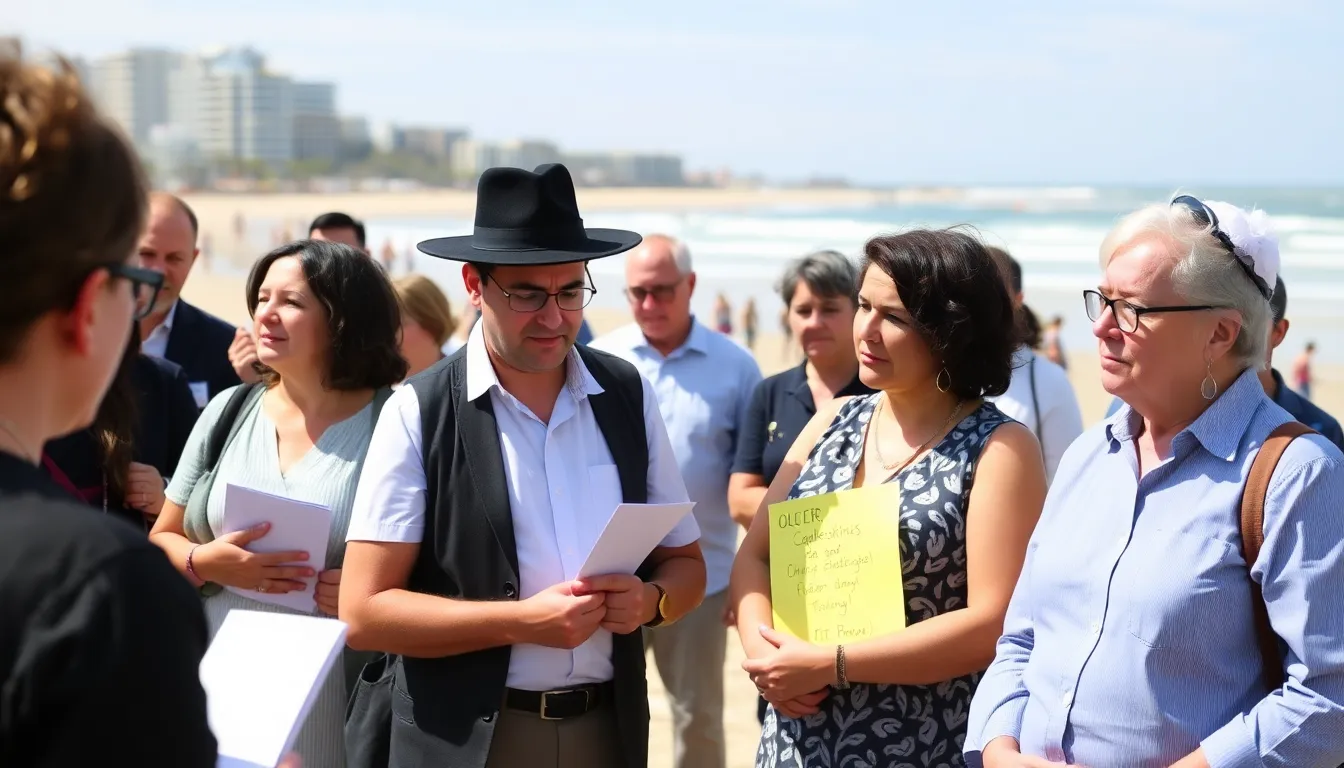
The impact of antisemitism on the Jewish community and broader society
The recent testimonies from Australian Jews regarding their experiences of antisemitism during the Bondi Beach inquiry have highlighted the profound effects on the Jewish community, as well as the broader society. The primary group affected is the Jewish community in Australia, particularly those residing in areas like Bondi Beach, where incidents of antisemitism have been reported. This situation also impacts local businesses and community organizations that serve or are associated with Jewish individuals.
In the short term, the rise in antisemitic incidents can lead to increased anxiety and fear among Jewish residents, affecting their daily lives and sense of security. This heightened tension may result in fewer individuals participating in community events or frequenting local businesses, leading to a decline in economic activity in the area. Additionally, educational institutions may face pressure to address antisemitism more rigorously, prompting policy changes regarding inclusivity and anti-bullying measures.
In the mid-term, the impact of antisemitism may extend beyond individual experiences to influence public policy and community relations. Local governments and organizations might implement new initiatives aimed at combating hate speech and promoting diversity, which could foster a more inclusive environment. However, there is also the risk of further polarization within the community, as differing views on how to address these issues may lead to tensions between various cultural and religious groups.
- Short-term impacts: Increased anxiety among Jewish residents, reduced community participation.
- Mid-term impacts: Changes in public policy, potential community polarization.
- Opportunities: Initiatives promoting diversity and inclusion, enhanced community dialogue.
Ultimately, while the challenges posed by antisemitism are significant, they also present an opportunity for communities to come together in solidarity, fostering a culture of understanding and respect for all individuals, regardless of their background.

Frequently Asked Questions about the Bondi Beach Inquiry
A: The inquiry was initiated in response to increasing reports of antisemitic incidents in the area, prompting community leaders to seek a formal investigation.
A: Witnesses recounted various forms of antisemitism, including verbal harassment, vandalism, and social exclusion, highlighting the pervasive nature of the issue.
A: The government has expressed commitment to addressing antisemitism through policy changes and community support initiatives following the inquiry.
A: Individuals can educate themselves and others, report incidents of antisemitism, and support local Jewish organizations working to promote tolerance and understanding.
Looking ahead: Key takeaways from the inquiry
The recent inquiry into antisemitism experienced by Australian Jews at Bondi Beach has shed light on the pressing need for community engagement and policy reform. Testimonies reveal a troubling trend of rising antisemitic incidents, emphasizing the importance of addressing these issues not only through awareness but also through actionable measures. As the community reflects on these experiences, it is crucial to consider steps that can foster inclusivity and safety for all individuals, regardless of their background.
Moving forward, stakeholders must prioritize the development of educational programs that promote understanding and respect among diverse communities. Additionally, law enforcement agencies should enhance their training to better recognize and address hate crimes, ensuring that victims feel supported and heard. The inquiry serves as a call to action for both community leaders and policymakers to collaborate in creating a safer environment for everyone.
- Community Engagement: Foster dialogue between different cultural groups to build mutual understanding and respect.
- Education Initiatives: Implement programs in schools that address antisemitism and promote diversity from an early age.
- Policy Reform: Advocate for stronger hate crime legislation to protect vulnerable communities.
- Law Enforcement Training: Enhance training for police and community leaders on recognizing and responding to antisemitic incidents.
- Support Networks: Establish support systems for victims of antisemitism to ensure they receive the help they need.