
The recent launch of OpenAI’s ChatGPT-4 has further highlighted this collaboration, as Microsoft has exclusive access to the model through its services. This exclusivity raises questions about the potential influence Microsoft wields over OpenAI’s strategic decisions and product development, particularly given the competitive landscape of AI technology. For further insights on similar collaborations, see our article on China Seeks Access to Anthropic’s Latest AI Technology.
Moreover, the ongoing discussions surrounding AI regulation and ethical considerations have placed additional scrutiny on the relationship between these two entities. As governments and organizations worldwide grapple with the implications of AI, the role of major players like Microsoft in shaping the direction of OpenAI’s research and deployment strategies is increasingly significant.
In the backdrop of this partnership, concerns have emerged regarding transparency and accountability in AI development. Critics argue that the close ties between Microsoft and OpenAI could lead to a concentration of power that may stifle innovation and limit the diversity of AI applications available to the public.
Background on Microsoft and OpenAI’s partnership
The partnership between Microsoft and OpenAI began in 2019, marking a significant moment in the intersection of technology and artificial intelligence. Microsoft invested $1 billion in OpenAI, a move that underscored its commitment to advancing AI technologies while also securing a competitive edge in the rapidly evolving tech landscape. This investment aimed to accelerate OpenAI’s mission to ensure that artificial general intelligence (AGI) benefits all of humanity, while also integrating OpenAI’s capabilities into Microsoft’s products and services.

Over the years, the relationship has deepened, with Microsoft becoming OpenAI’s exclusive cloud provider. This partnership allowed Microsoft to leverage OpenAI’s cutting-edge technologies, such as the GPT series of language models, which have since been embedded into various Microsoft applications, including Azure and the Office suite. The collaboration not only enhanced Microsoft’s product offerings but also positioned the company as a leader in the AI field, attracting attention from both investors and consumers alike.
However, the growing influence of Microsoft over OpenAI has raised questions about the dynamics of corporate power in the AI sector. Critics argue that such a significant financial stake could lead to potential conflicts of interest, where Microsoft’s business objectives might overshadow OpenAI’s foundational mission to prioritize ethical AI development. This concern is particularly relevant as AI technologies become more integrated into everyday life, raising ethical and regulatory issues that need to be addressed.
Key Milestones in the Partnership
Several key milestones have defined the trajectory of Microsoft and OpenAI’s partnership. In 2020, OpenAI released its first commercial product, the OpenAI API, which allowed developers to access its powerful language models through Microsoft’s Azure platform. This marked a pivotal moment in democratizing access to advanced AI technologies. In 2021, the partnership was further solidified with the announcement of Azure OpenAI Service, enabling businesses to harness OpenAI’s capabilities for their own applications. This development raises discussions paralleling those in other technology sectors, as illustrated in our piece on Scientists warn that whales could be harmed by diverted ships avoiding the Middle East.
As the partnership continues to evolve, the balance of power between a tech giant like Microsoft and an AI research organization like OpenAI remains a critical focal point. Understanding the implications of this relationship is essential as society navigates the challenges and opportunities presented by the rapid advancement of artificial intelligence.
Key issues surrounding Microsoft’s control over OpenAI
The relationship between Microsoft and OpenAI is complex, involving various stakeholders with differing interests. Microsoft, as a major technology company, has invested significantly in OpenAI, aiming to integrate its advanced AI capabilities into its products and services. This investment raises questions about the influence Microsoft has over OpenAI’s research directions and ethical considerations. For more on the challenges faced in tech partnerships, check out our coverage of Four-try Packer shines as England prepares for Grand Slam decider.
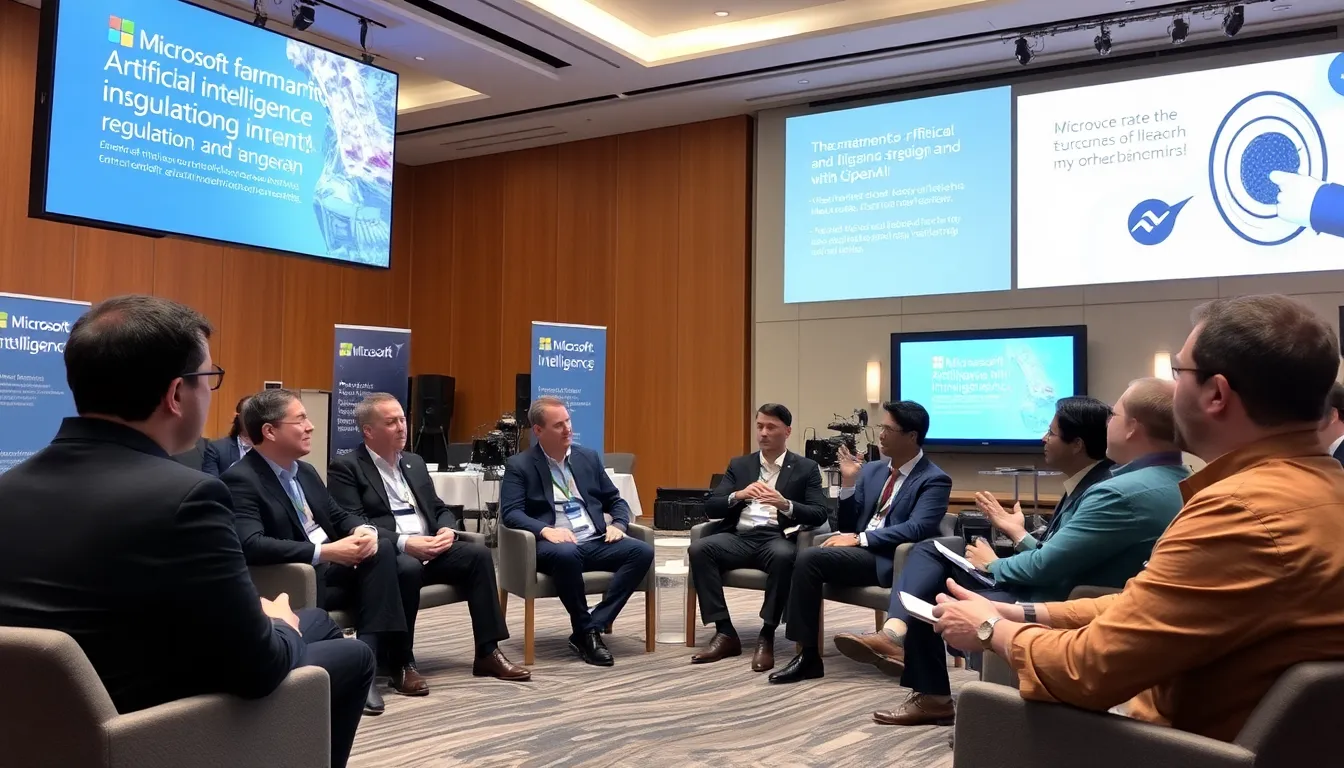
OpenAI, originally founded as a non-profit organization, has shifted towards a capped-profit model, allowing it to attract substantial funding while still pursuing its mission of ensuring that artificial general intelligence (AGI) benefits all of humanity. This transition has led to concerns about the potential commercialization of AI technology and the implications for safety and accessibility.
Key stakeholders in this scenario include:
- Microsoft: Interested in leveraging AI for competitive advantage, enhancing its cloud services, and expanding its software ecosystem.
- OpenAI: Aiming to balance innovation with ethical considerations and public good, while navigating financial sustainability.
- Governments and Regulatory Bodies: Concerned about the implications of AI technology on privacy, security, and job displacement, seeking to establish guidelines for responsible AI use.
- AI Researchers and Developers: Focused on advancing the field of AI while ensuring ethical practices and transparency in AI development.
Conflicts arise primarily from the differing priorities of these stakeholders. Microsoft’s profit-driven approach may clash with OpenAI’s original mission of prioritizing safety and ethical standards in AI development. Additionally, the potential for monopolistic behavior in the AI sector poses significant economic and legal challenges, prompting calls for regulatory scrutiny.
Trade-offs are evident as well; while Microsoft’s investment enables OpenAI to accelerate its research and development, it could also lead to limitations on OpenAI’s independence and decision-making processes. This dynamic illustrates the delicate balance between funding innovation and maintaining ethical integrity in the rapidly evolving AI landscape.
Impact of Microsoft’s influence on the AI market and society
The influence of Microsoft over OpenAI has far-reaching implications for various groups and industries. Technology companies, startups, and academic institutions are particularly affected as they navigate a landscape increasingly dominated by the capabilities and resources of Microsoft-backed AI systems. This consolidation of power may stifle innovation among smaller players who struggle to compete with the vast resources of a tech giant.
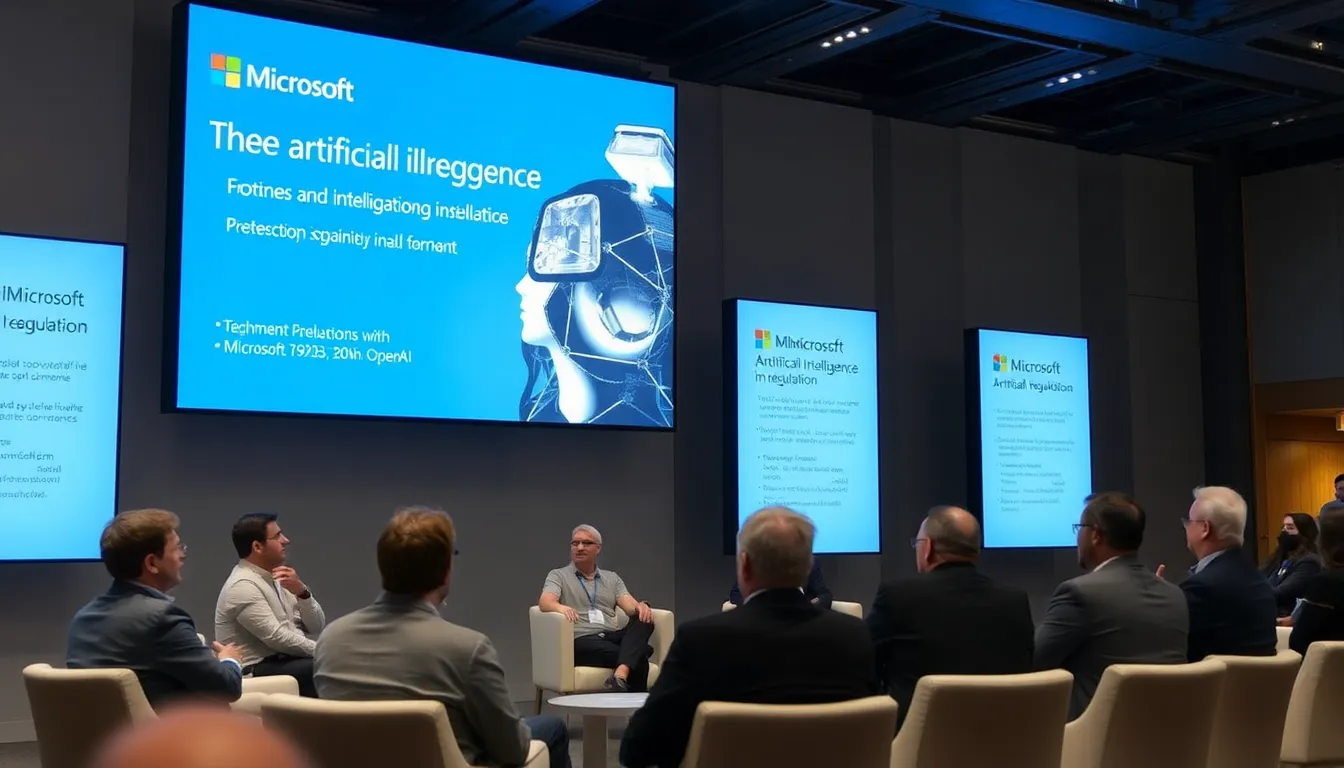
In the short term, businesses leveraging AI technologies may experience enhanced productivity and efficiency, as Microsoft’s investments enable rapid advancements in AI capabilities. However, this may also lead to increased dependency on Microsoft’s ecosystem, raising concerns about vendor lock-in. As companies integrate these AI solutions into their operations, they may face challenges related to data privacy and security, given the centralization of AI development.
In the mid-term, the impact on policy could be significant as governments and regulatory bodies grapple with the implications of AI’s growing influence. There may be calls for stricter regulations to ensure ethical AI use and to prevent monopolistic practices. This could create an opportunity for advocacy groups and policymakers to push for frameworks that promote transparency and fairness in AI deployment.
- Short-term benefits: Increased efficiency and productivity for businesses.
- Short-term risks: Potential vendor lock-in and privacy concerns.
- Mid-term opportunities: Advocacy for ethical AI policies and regulations.
- Mid-term risks: Stifling of competition and innovation among smaller companies.
Regions with a strong tech presence, such as Silicon Valley and other innovation hubs, may see a concentration of talent and resources directed towards Microsoft’s AI initiatives, potentially overshadowing local startups. While this could lead to a surge in job opportunities in AI development, it may also exacerbate economic disparities in the tech sector, as smaller firms struggle to attract talent in a competitive environment.
A: Microsoft has invested significantly in OpenAI and provides cloud computing resources through Azure. This partnership allows OpenAI to scale its technologies effectively. A: While OpenAI retains its mission, Microsoft’s financial backing raises questions about potential influence over its strategic decisions and research directions. A: Microsoft’s influence could shape the development and deployment of AI technologies, impacting competition and innovation in the sector. A: Yes, there are concerns that Microsoft’s dominance in the AI space may stifle competition and limit the diversity of AI solutions available to consumers. A: The partnership may deepen as AI technology advances, but it will be crucial to monitor how it affects OpenAI’s mission and the broader AI ecosystem.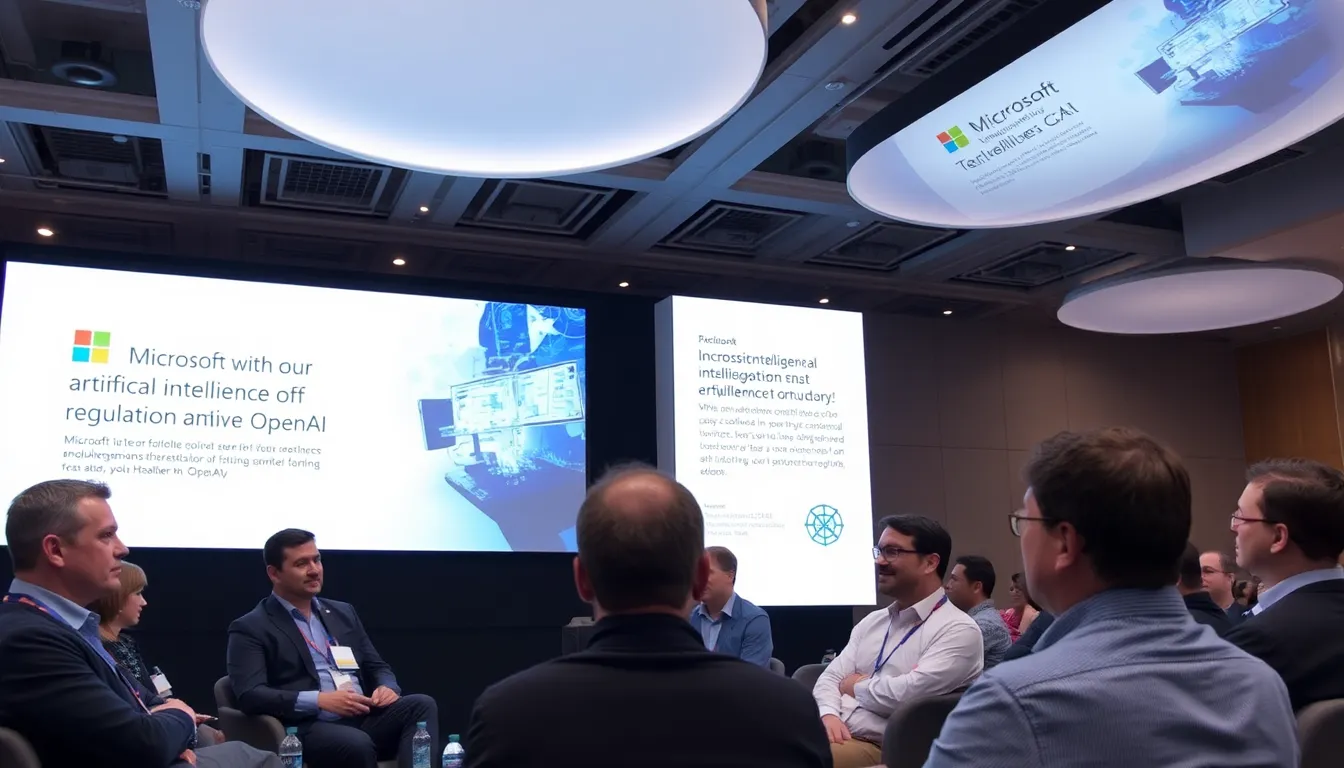
Frequently Asked Questions about Microsoft’s power over OpenAI
Key takeaways and future outlook on Microsoft’s influence
The relationship between Microsoft and OpenAI highlights a pivotal intersection of technology, investment, and ethical considerations in artificial intelligence. As Microsoft continues to deepen its integration of OpenAI’s capabilities into its products, the implications for competition, innovation, and regulatory scrutiny become increasingly significant. Observers should note how this partnership shapes the landscape of AI development and the potential for monopolistic behaviors in the tech industry.
Looking ahead, the dynamics of this collaboration will likely influence not only the future of AI technologies but also the regulatory frameworks that govern them. Stakeholders in the tech sector, policymakers, and consumers should remain vigilant about the evolving power structures and their broader societal impacts.
- Watch for regulatory responses: Increased scrutiny from governments regarding monopolistic practices in AI could reshape the partnership dynamics.
- Monitor competitive responses: Other tech companies may accelerate their AI development efforts in response to Microsoft’s dominance in the sector.
- Observe ethical implications: The ethical considerations surrounding AI deployment will become more pronounced as Microsoft leverages OpenAI’s technology.
- Evaluate user trust: Consumer confidence in AI products will hinge on transparency and accountability in how these technologies are developed and used.