
Hansen, a former fighter pilot and a member of the Canadian Space Agency, was selected for this mission alongside a diverse crew of astronauts from NASA and international partners. The Artemis II mission will mark a significant step in human exploration of space, as it will be the first crewed flight of NASA’s Space Launch System (SLS) rocket and the Orion spacecraft. For more details on the crew, you can visit Meet the Astronauts of NASA’s Artemis II Moon Mission.
This mission is not only pivotal for NASA but also for international cooperation in space exploration. Canada’s contributions to the Artemis program, including Hansen’s role, highlight the growing collaboration between nations in advancing human presence beyond Earth. The mission aims to demonstrate new technologies and gather data that will inform future missions to Mars and beyond. To understand some of the challenges faced, check out Understanding the Delay of Artemis II’s Moon Landing.
The involvement of Hansen brings a sense of national pride to Canada, as he represents the country on this monumental journey. His participation underscores Canada’s commitment to space exploration and its role in the Artemis program, which aims to establish a sustainable presence on the Moon and foster international partnerships in space endeavors.
The Significance of the Artemis Program
The Artemis Program, initiated by NASA, represents a monumental step in space exploration, aiming to return humans to the Moon by the mid-2020s. This ambitious program not only seeks to land the first woman and the next man on the lunar surface but also emphasizes international collaboration and sustainable exploration. As part of this initiative, Artemis II will mark a historic milestone by including Jeremy Hansen, a Canadian astronaut, as the first Canadian to participate in a crewed lunar mission.
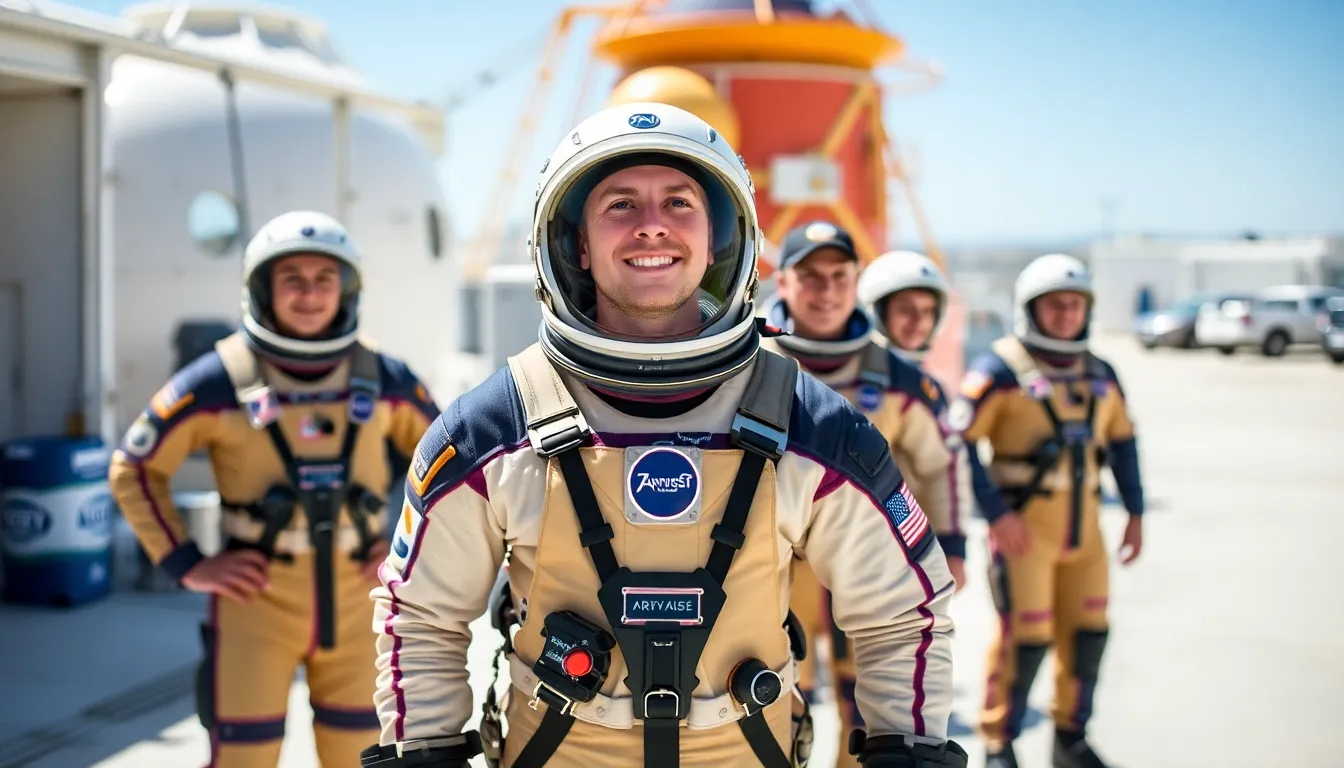
The roots of the Artemis Program can be traced back to the Apollo missions of the 1960s and 1970s, which successfully landed humans on the Moon and expanded our understanding of space. However, the landscape of space exploration has evolved significantly since then, with a growing emphasis on international partnerships, technological advancements, and the importance of scientific research. The Artemis Program aims to build on the legacy of Apollo while fostering collaboration among space agencies worldwide, including the Canadian Space Agency (CSA).
International Collaboration in Space Exploration
Canada’s involvement in the Artemis Program is a testament to the increasing importance of international cooperation in space exploration. The CSA has a long history of contributing to various space missions, including the International Space Station (ISS) and the development of advanced robotics like the Canadarm. This collaboration not only enhances the capabilities of individual nations but also promotes shared knowledge and resources, making space exploration more efficient and inclusive.
The selection of Jeremy Hansen as a crew member for Artemis II highlights Canada’s commitment to participating in significant space missions. Hansen, a former fighter pilot and experienced astronaut, embodies the spirit of exploration and innovation that the Artemis Program seeks to inspire. His participation not only elevates Canada’s status in the global space community but also serves as an inspiration for future generations of Canadian scientists and engineers.
As the Artemis Program progresses, it is poised to pave the way for future missions to Mars and beyond, establishing a sustainable human presence on the Moon. The inclusion of astronauts from various countries underscores the program’s goal of uniting nations in the quest for knowledge and discovery, making the journey to the Moon a truly global endeavor.
Key Stakeholders and Their Interests in Lunar Exploration
The Artemis II mission marks a significant milestone in space exploration, particularly for Canada, as Jeremy Hansen becomes the first Canadian astronaut to participate in a crewed lunar mission. This event brings together various stakeholders, each with distinct interests and objectives. Among them are national space agencies, private aerospace companies, international partners, and the scientific community. For insights on how the crew is preparing for this monumental task, see Artemis II crew prepares for lunar mission high above Earth.
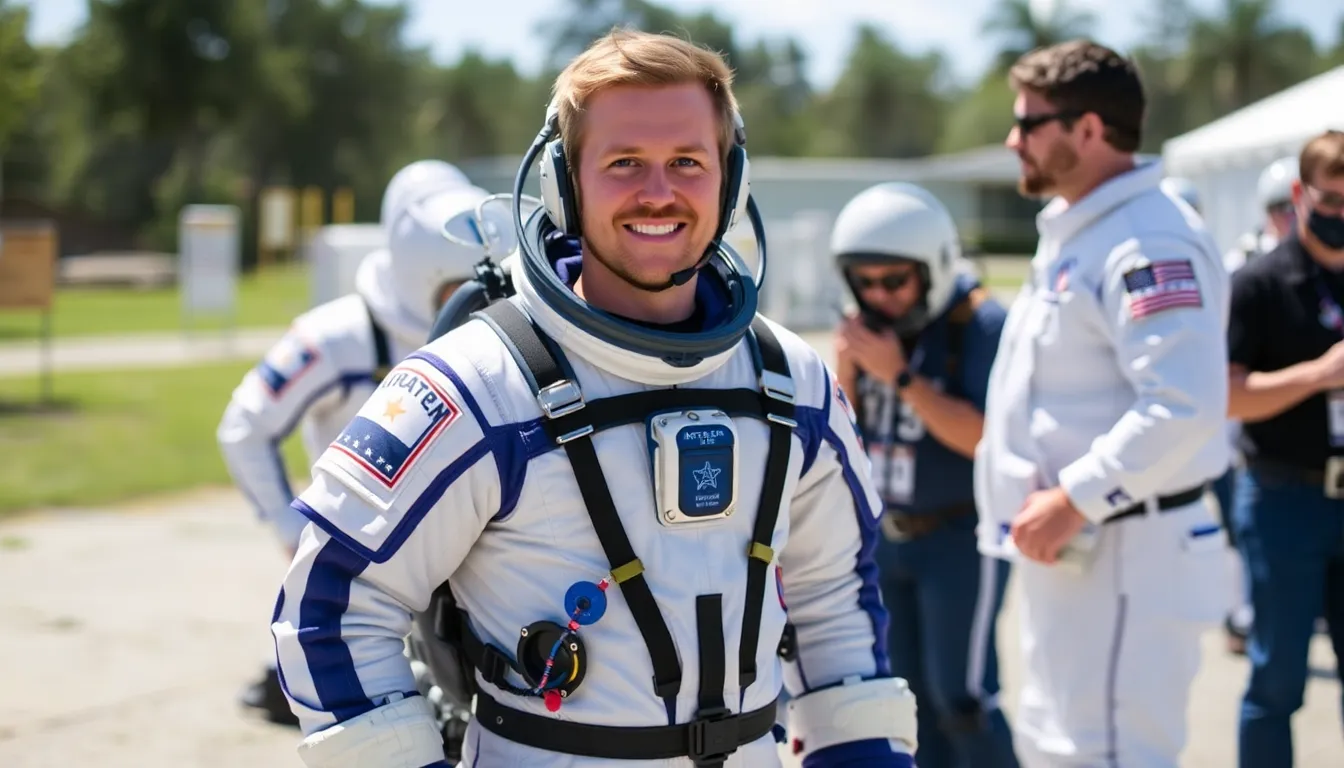
At the forefront is the Canadian Space Agency (CSA), which aims to enhance Canada’s role in international space exploration. By participating in Artemis II, the CSA not only fosters national pride but also seeks to secure future collaborations and funding for Canadian space initiatives. This mission highlights Canada’s capabilities in space technology and science, potentially leading to increased investment in the sector.
NASA is another key player, with its interest rooted in advancing human exploration beyond Earth. The Artemis program aims to establish a sustainable human presence on the Moon, which is crucial for future Mars missions. Collaborating with international partners like Canada allows NASA to share the financial and logistical burdens associated with such ambitious projects.
- Private Aerospace Companies: Companies like SpaceX and Blue Origin are also stakeholders, driven by the commercial potential of lunar missions. Their involvement can lead to new technologies and services that benefit both government and private space exploration efforts.
- International Partners: Countries involved in the Artemis program, such as the European Space Agency (ESA) and Japan, have vested interests in collaborative research and development, enhancing their own space capabilities through shared technology and expertise.
- Scientific Community: Researchers and scientists have a keen interest in lunar exploration for its potential to unlock new knowledge about the Moon’s geology, resources, and the broader cosmos. Their work can inform future missions and contribute to humanity’s understanding of space.
Despite the excitement surrounding the mission, there are also conflicts and trade-offs to consider. Funding for space exploration is often limited, leading to competition among stakeholders for resources. Additionally, the geopolitical landscape can influence international collaborations, as countries navigate their own national interests while trying to work together on shared goals.
The Impact of Hansen’s Mission on Canadian Space Exploration
Jeremy Hansen’s participation in the Artemis II mission marks a significant milestone not only for Canada but also for the global space exploration community. This mission will have far-reaching implications for various groups, industries, and regions, particularly in Canada, where the space sector has been steadily growing.
In the short term, Hansen’s journey to the Moon will inspire a new generation of scientists, engineers, and space enthusiasts. Educational institutions may see an uptick in interest in STEM (science, technology, engineering, and mathematics) programs, leading to increased enrollment and funding opportunities. Additionally, businesses in the aerospace sector could experience a boost in contracts and collaborations as the mission garners international attention.
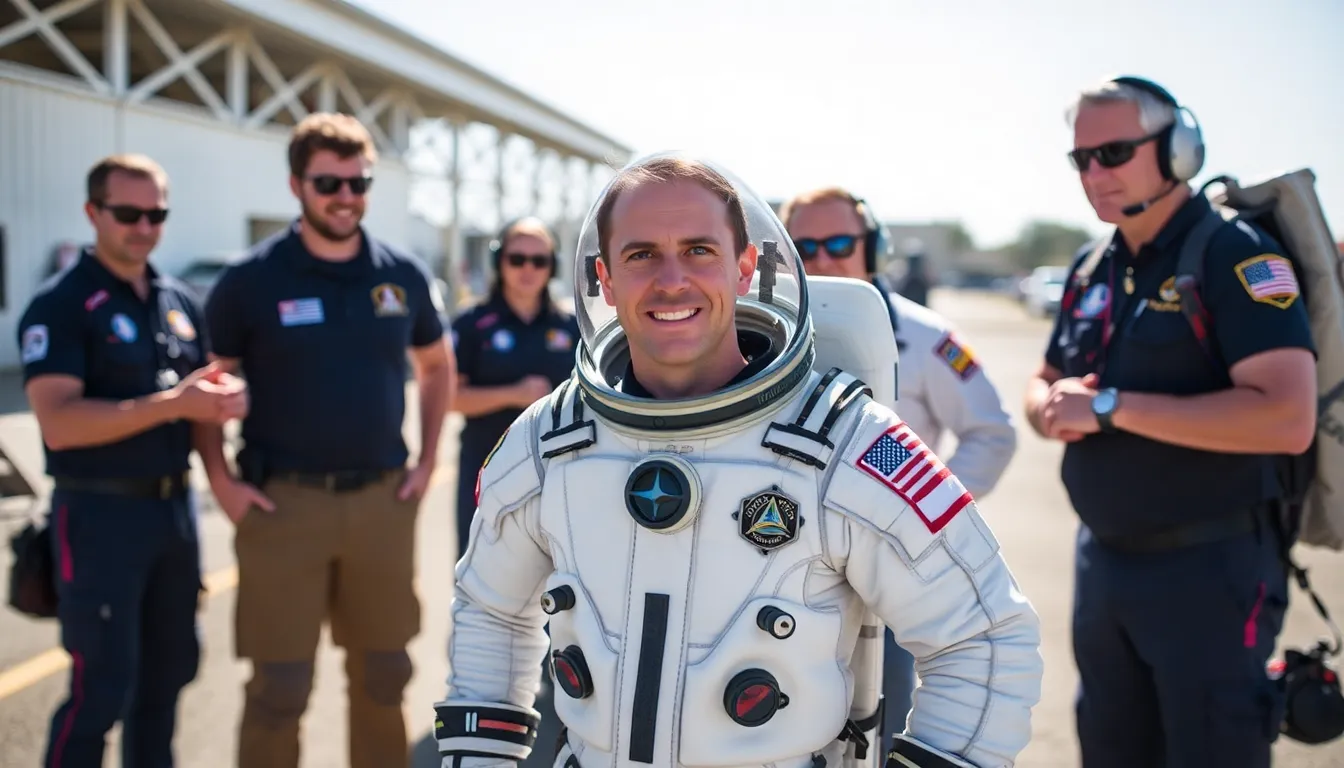
In the mid-term, Hansen’s mission could catalyze new policies aimed at enhancing Canada’s role in space exploration. This may include increased government investment in space technology, research, and development, as well as partnerships with international space agencies. The mission could also strengthen Canada’s position in global discussions about space governance and exploration.
- Increased STEM interest: More students pursuing careers in science and technology.
- Aerospace industry growth: Potential for new contracts and collaborations.
- Policy advancements: Enhanced government investment and international partnerships.
- Global recognition: Elevation of Canada’s status in the space exploration arena.
However, there are risks associated with such high-profile missions. The pressure to succeed can lead to public scrutiny and potential backlash if challenges arise. Additionally, the focus on space exploration may divert funding from other critical areas such as healthcare and education. Balancing these priorities will be crucial as Canada navigates its expanding role in the cosmos.
A: Jeremy Hansen is a Canadian astronaut selected for NASA’s Artemis II mission, making him the first Canadian to participate in a crewed lunar mission. A: Artemis II is the first crewed mission in NASA’s Artemis program, aiming to return humans to the Moon and eventually facilitate missions to Mars. A: Hansen’s participation highlights Canada’s growing contributions to space exploration and inspires future generations of Canadian scientists and engineers. A: The Artemis II mission is currently scheduled for 2024, though specific dates may be subject to change based on various factors. A: The crew will orbit the Moon, testing systems and preparing for future lunar landings, while conducting scientific research.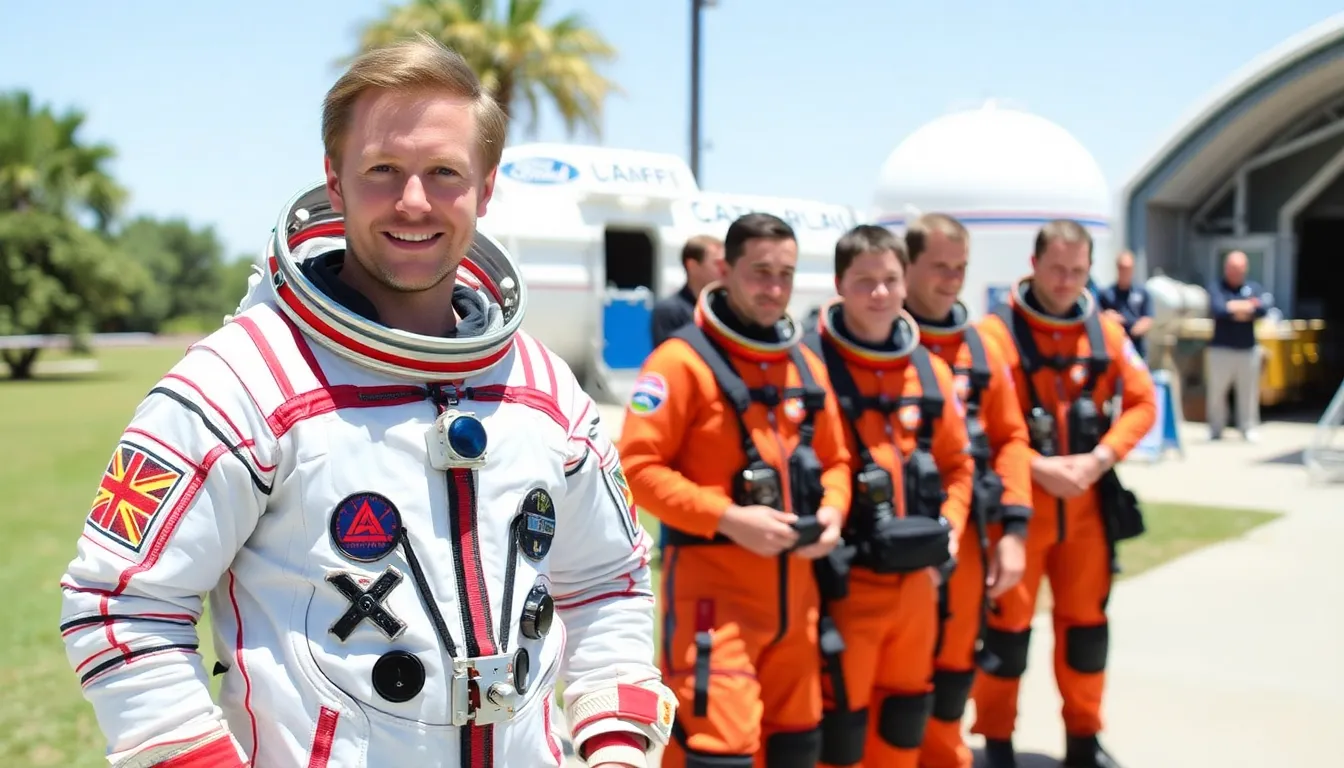
Frequently Asked Questions About Jeremy Hansen and Artemis II
Looking Ahead to the Future of Lunar Missions
As Jeremy Hansen embarks on his historic journey as the first Canadian astronaut on a crewed moon mission, his participation in Artemis II signifies not just a personal achievement but also a pivotal moment for Canada in the realm of space exploration. This mission is expected to pave the way for increased collaboration among international space agencies and inspire a new generation of scientists and engineers in Canada and beyond.
The implications of Hansen’s journey extend beyond national pride; they highlight the growing importance of partnerships in space exploration and the potential for technological advancements that could arise from these collaborative efforts. As we look to the future, the focus will be on how these missions can contribute to sustainable exploration and the eventual goal of human presence on Mars.
- Increased International Collaboration: Expect more partnerships between countries and agencies, fostering a global approach to space exploration.
- Inspiration for Future Generations: Hansen’s mission may motivate young Canadians to pursue careers in STEM fields, enhancing the workforce needed for future space endeavors.
- Advancements in Technology: Innovations developed for lunar missions could have applications on Earth, driving progress in various industries.
- Focus on Sustainability: Future lunar missions will likely emphasize sustainable practices, setting a precedent for long-term human presence on the Moon and beyond.