
Current Status of Artemis II Mission
The Artemis II mission, NASA’s highly anticipated crewed lunar flight, is currently in the preparation phase, with a targeted launch window set for November 2024. This mission will mark the first time astronauts will travel aboard the Orion spacecraft, which is designed to orbit the Moon before returning to Earth. However, the mission will not include a lunar landing, as the primary objective is to test critical systems in preparation for future landings, including Artemis III.
As of now, NASA is focused on finalizing the Orion spacecraft and the Space Launch System (SLS) rocket, both of which have undergone extensive testing. In August 2023, the SLS successfully completed its final green run test, a crucial step that validated the rocket’s performance capabilities. Despite these advancements, delays in hardware production and testing have pushed back the timeline for Artemis II.
The decision to refrain from landing on the Moon during Artemis II is strategic, allowing NASA to prioritize safety and mission reliability. By conducting a lunar flyby instead, the agency aims to gather valuable data on the spacecraft’s performance in a deep-space environment. This approach is essential for ensuring that subsequent missions, including Artemis III, which is planned to land astronauts on the lunar surface, can be executed successfully, reflecting the goals outlined in the Artemis program.
In addition to technical challenges, the Artemis II mission is also influenced by budgetary constraints and shifting political priorities. Congressional support for NASA’s lunar program remains crucial, as funding decisions can directly impact the timeline and scope of future missions. As the agency works to maintain momentum, it continues to engage stakeholders and the public to emphasize the importance of returning humans to the Moon.
Background on Artemis Program and Its Goals
The Artemis program, initiated by NASA in 2019, aims to return humans to the Moon by the mid-2020s, marking the first crewed lunar landing since Apollo 17 in 1972. This ambitious endeavor is not only about revisiting our celestial neighbor but also about establishing a sustainable human presence on the Moon by the end of the decade, paving the way for future missions to Mars. The program is named after Artemis, the twin sister of Apollo in Greek mythology, symbolizing a new era of lunar exploration with a focus on inclusivity and international collaboration.
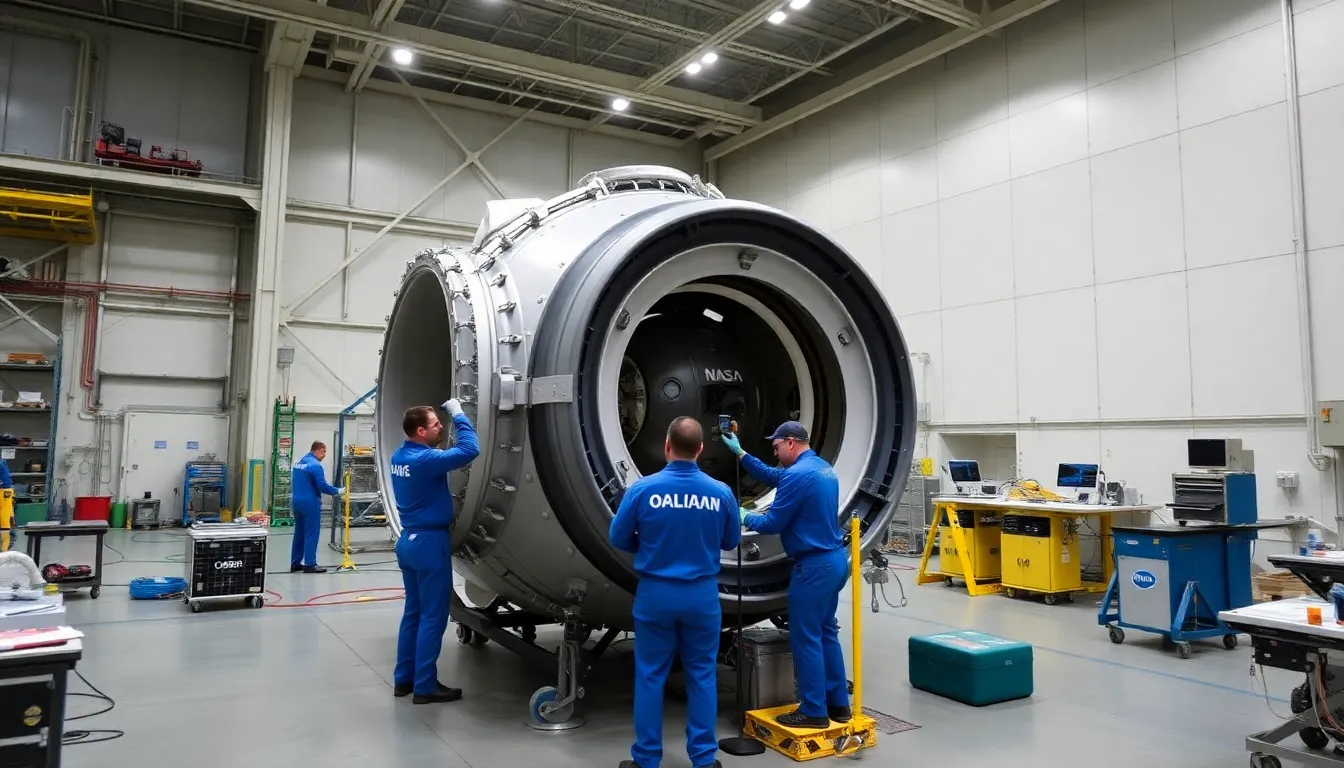
Historically, the Apollo program set the stage for lunar exploration, achieving six successful landings between 1969 and 1972. The technological advancements and scientific discoveries from these missions laid the groundwork for future space endeavors. However, after Apollo, U.S. lunar exploration efforts dwindled, shifting focus to low Earth orbit and the International Space Station (ISS). It wasn’t until the renewed interest in space exploration in the 21st century, driven by both governmental and commercial interests, that the idea of returning to the Moon gained momentum.
Political and Economic Factors
The Artemis program is not solely a scientific initiative; it is also deeply intertwined with political and economic factors. The U.S. government has emphasized the importance of maintaining leadership in space exploration amid growing competition from nations like China and Russia. The program has received bipartisan support, reflecting a national interest in securing technological and strategic advantages. Economically, the Artemis missions are expected to stimulate the aerospace industry, creating jobs and fostering innovation, while also attracting international partnerships that can share the financial burden and broaden the scope of exploration, much like the renewed dreams of space travel noted in recent articles about space exploration.
Despite the ambitious goals, the Artemis II mission, which is intended to be the first crewed flight of the Orion spacecraft, will not land on the Moon. Instead, it will conduct a lunar flyby, allowing astronauts to test systems and gather data in preparation for future landings. This decision stems from the complexities of developing new technologies and ensuring safety for crewed missions, as well as the need for thorough testing before attempting a lunar landing. The timeline for Artemis has faced delays due to various challenges, including budget constraints, technical issues, and the impacts of the COVID-19 pandemic, all of which have contributed to the cautious approach taken by NASA.
Key Issues Surrounding the Artemis II Mission
The Artemis II mission, intended to be NASA’s first crewed flight to the Moon since the Apollo program, faces a complex array of challenges that involve multiple stakeholders, including government agencies, private contractors, and international partners. Each of these actors has distinct interests that influence the mission’s trajectory and outcomes.
NASA, as the primary agency overseeing the Artemis program, aims to establish a sustainable human presence on the Moon and demonstrate technologies for future Mars missions. This ambition is supported by significant funding from the U.S. government, which is keen on maintaining leadership in space exploration. However, budget constraints and shifting political priorities can lead to conflicts over resource allocation and mission timelines.
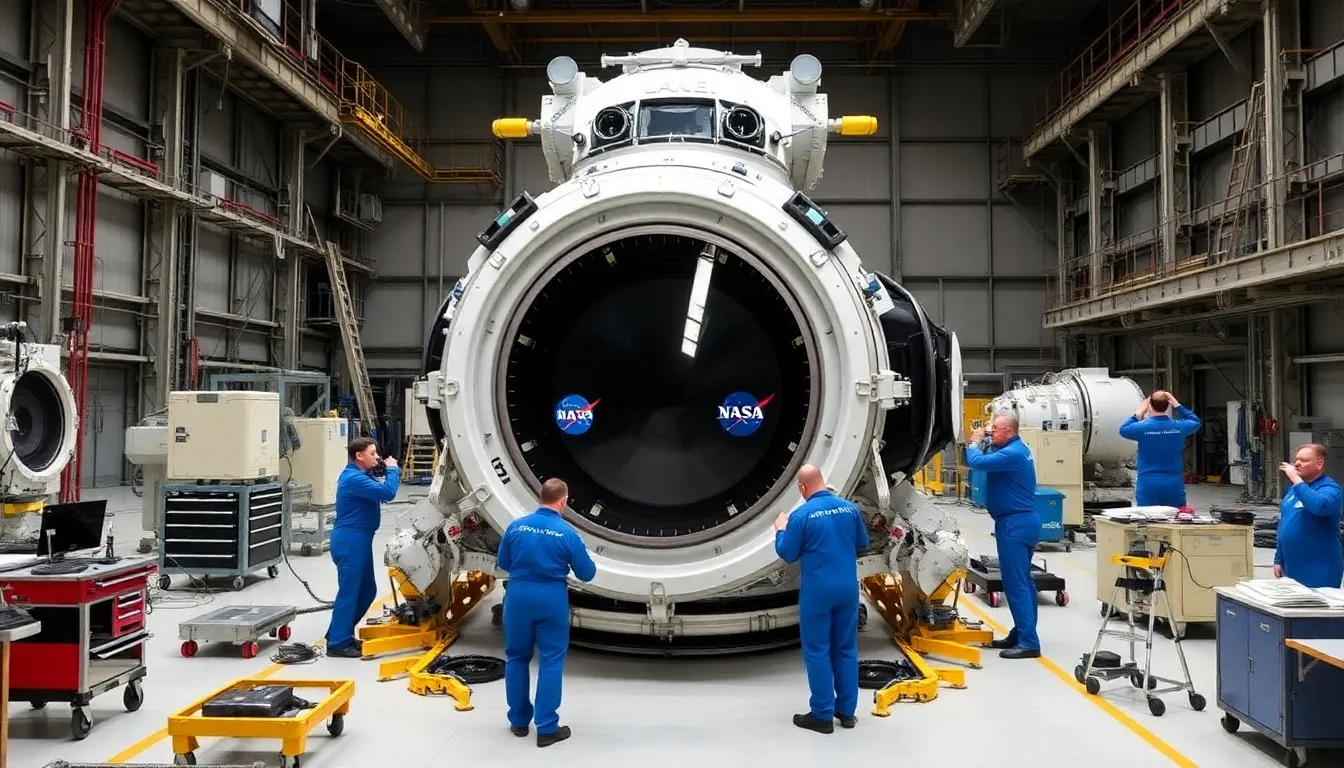
Private aerospace companies, such as SpaceX and Boeing, play a crucial role in providing launch services and spacecraft development. Their interests are often aligned with NASA’s goals, yet they face pressures to meet deadlines and stay within budget. Delays in the Artemis II schedule can result in financial implications for these contractors, affecting their reputation and future contracts.
- Technological Challenges: The development of new spacecraft and systems poses risks that can delay mission timelines.
- Political Dynamics: Changes in U.S. administration can alter funding and support for the Artemis program.
- International Collaboration: Partnerships with other countries, such as the European Space Agency, introduce additional complexities in decision-making.
- Public Interest: Growing public enthusiasm for space exploration can pressure stakeholders to deliver results, impacting strategic decisions.
- Legal and Regulatory Issues: Compliance with international space treaties and regulations can complicate mission planning and execution.
In summary, the interplay of these stakeholders and their interests creates a multifaceted landscape for the Artemis II mission. Understanding these dynamics is essential for grasping why the mission is not yet landing on the Moon and the broader implications for future space exploration endeavors.
Impacts on NASA and Future Space Exploration
The decision not to land Artemis II on the Moon affects various stakeholders, including NASA, aerospace companies, researchers, and space enthusiasts. NASA’s plans for lunar exploration and eventual Mars missions hinge on the success of the Artemis program, which aims to establish a sustainable human presence on the Moon. Delays or changes in mission objectives can lead to uncertainty in funding and resource allocation, impacting the entire space exploration ecosystem.
Aerospace companies that depend on contracts and partnerships with NASA may face short-term disruptions. Industries involved in spacecraft manufacturing, technology development, and launch services could see a ripple effect, with potential layoffs or project cancellations. Regions that host these companies, particularly in states like Texas and Florida, may experience economic downturns as local businesses reliant on the aerospace sector suffer.
In the mid-term, the postponement of lunar landings could shift public interest and investment in space exploration. While some may view this as a setback, it also presents opportunities for innovation in technology and alternative missions. Companies could pivot towards developing new technologies for deep-space travel or enhancing Earth-based applications of space technology.
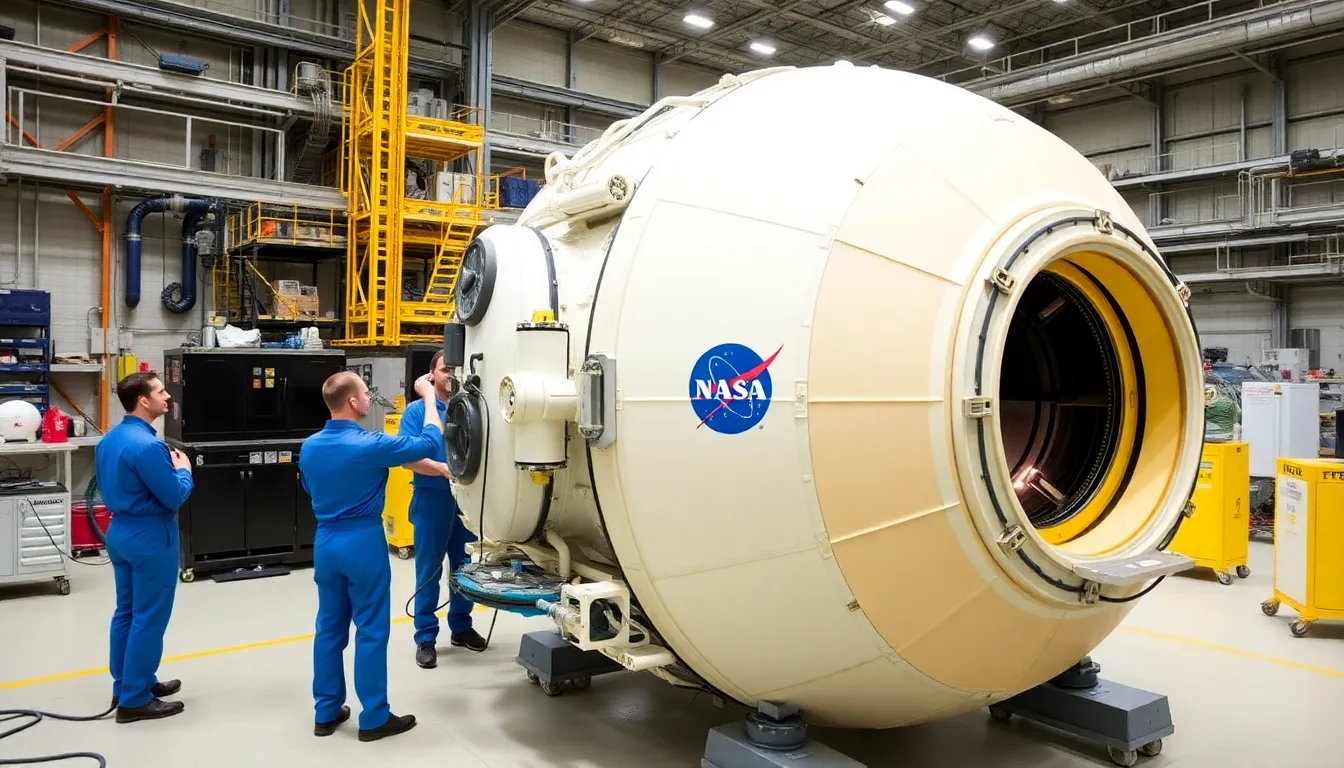
- Short-term impacts: Economic uncertainty for aerospace industries, potential layoffs.
- Mid-term impacts: Shift in public interest and investment; potential for innovation.
- Risks: Loss of momentum in space exploration; decreased funding.
- Opportunities: Development of new technologies; alternative mission planning.
Ultimately, the ramifications of Artemis II’s mission objectives extend beyond NASA, influencing a wide array of stakeholders and shaping the future landscape of space exploration and technology development. The balance between risks and opportunities will play a crucial role in determining the trajectory of upcoming missions and the broader space industry.
A: Artemis II is primarily a crewed test flight that aims to orbit the Moon rather than land on it. The mission is designed to validate systems and prepare for future lunar landings. A: The main objectives include testing the Orion spacecraft’s life support systems and demonstrating the capabilities needed for future lunar missions. A: Artemis II is scheduled to launch in the coming years, but specific dates may vary based on ongoing developments and testing outcomes. A: While Artemis II won’t land on the Moon, it is a crucial step in ensuring the success of subsequent missions, including those that will land astronauts on the lunar surface. A: The insights gained from Artemis II will inform NASA’s approach to future missions, enhancing safety and efficiency for lunar landings.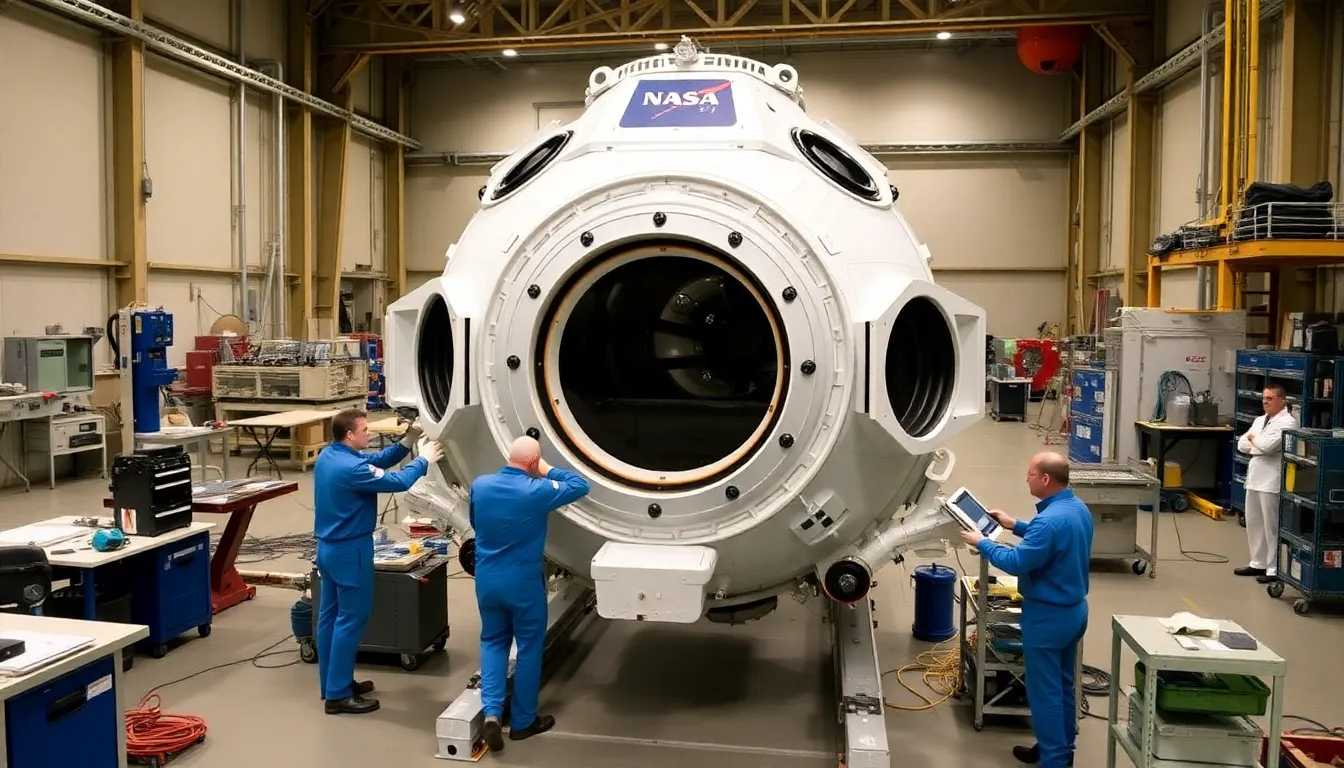
Frequently Asked Questions About Artemis II
Key Takeaways and Future Outlook for Artemis Missions
The Artemis II mission represents a significant step in NASA’s efforts to return humans to the Moon, but its decision to not land on the lunar surface highlights the complexities involved in deep space exploration. This mission serves as a crucial test of systems and technologies that will be essential for future lunar landings and sustainable exploration. Understanding the implications of this decision can provide valuable insights into the future of space travel and lunar exploration.
As NASA continues to refine its approach, stakeholders should focus on the lessons learned from Artemis II, as they will influence subsequent missions. The emphasis on safety, technology validation, and international collaboration will be vital as the agency prepares for the challenges ahead.
- Increased Focus on Safety: The decision to skip the landing reflects a commitment to ensuring astronaut safety and mission success before attempting lunar landings.
- Technological Validation: Artemis II will serve as a critical testbed for technologies that will be used in future lunar missions, providing insights into system performance and reliability.
- International Collaboration: The mission underscores the importance of partnerships with international space agencies, which will be essential for the long-term sustainability of lunar exploration.
- Public Engagement: Continued transparency and communication about mission goals and challenges will be necessary to maintain public interest and support for space exploration initiatives.
- Future Mission Planning: Observations from Artemis II will inform the planning of subsequent missions, particularly regarding timelines, resource allocation, and risk management strategies.