
Aguilar was born in 1943 in the town of Ocotlán de Morelos, Oaxaca, a region known for its rich artistic traditions. Over her six-decade career, she became a pivotal figure in the revival and promotion of traditional Mexican ceramics, blending contemporary themes with age-old techniques. Her work often depicted everyday scenes, cultural rituals, and vibrant Mexican folklore, resonating with audiences both locally and internationally. You can explore more about the artistic traditions of Oaxaca to understand her creative background.
The artist’s legacy is highlighted by numerous exhibitions and accolades throughout her lifetime, including recognition from the Mexican government and various art institutions. Her pieces are part of esteemed collections, showcasing the beauty and depth of Mexican culture through the medium of clay. Aguilar’s passing not only signifies the loss of a talented artist but also the end of a significant chapter in the narrative of Mexican folk art.
As the art world reflects on her contributions, there is a renewed focus on the importance of preserving traditional crafts and supporting emerging artists in the field. Aguilar’s influence will continue to inspire future generations, emphasizing the need to celebrate and sustain the rich heritage of Mexican artistry in an increasingly globalized society. This reflects the ongoing conversation similar to the recent article on Henry C. Lee, which also discusses legacy and influence.
Understanding the significance of Josefina Aguilar’s contributions to art
Josefina Aguilar, a renowned Mexican artisan, has left an indelible mark on the world of folk art through her intricate clay sculptures that vividly depict the everyday life and traditions of Mexican culture. Born in the small town of Ocotlán de Morelos, Oaxaca, Aguilar was influenced by the rich cultural heritage of her surroundings, which included a blend of indigenous and colonial histories. Her work not only celebrated the beauty of Mexican life but also served as a commentary on the social and political realities faced by her community.
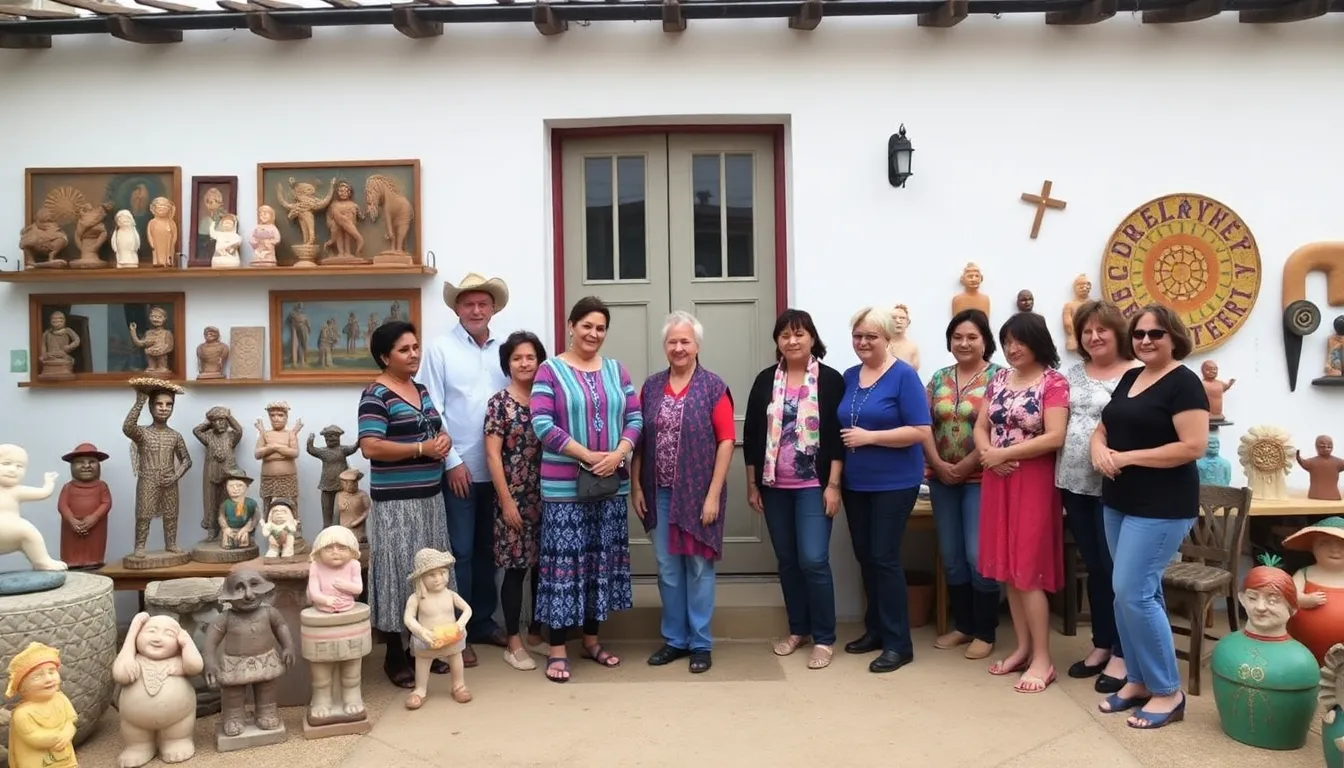
Aguilar’s artistic journey began in a time when traditional crafts were often overlooked in favor of modern art forms. However, the 20th century saw a resurgence of interest in folk art as a means of cultural expression and identity. This shift was partly fueled by movements that sought to reclaim indigenous heritage and promote local craftsmanship. Aguilar emerged as a key figure in this revitalization, using her talent to highlight the stories and struggles of her people, thus bridging the gap between art and activism.
Throughout her career, Aguilar received numerous accolades that underscored her contributions to the arts. She was not only a master of her craft but also a mentor to many aspiring artists, particularly women in her community. Her work was exhibited internationally, bringing attention to the rich traditions of Mexican folk art and inspiring a new generation to appreciate and preserve these cultural practices. For an example of how artists can gain recognition, you can read about the iconic 19th Century painting that set an art record.
The Cultural Impact of Folk Art in Mexico
Folk art has long been an essential aspect of Mexican identity, serving as a reflection of the country’s diverse cultural landscape. The recognition of artists like Aguilar has played a crucial role in promoting the importance of preserving traditional art forms. As Mexico continues to navigate the complexities of globalization and modernization, the work of artisans like Aguilar reminds us of the value of cultural heritage and the stories that shape our understanding of community and identity.
Examining the impact of Aguilar’s work on contemporary artists and culture
Josefina Aguilar’s passing at the age of 80 marks not only the loss of a talented artist but also highlights the ongoing conversation about cultural representation in the arts. As a prominent figure in the world of Mexican folk art, her clay sculptures depicted everyday life and traditions, resonating with both local and international audiences. The stakeholders in this narrative include contemporary artists, cultural institutions, and the Mexican government, each with distinct interests in preserving and promoting Mexican heritage.
Contemporary artists often draw inspiration from Aguilar’s work, which serves as a bridge between traditional and modern artistic expressions. Her ability to encapsulate the essence of Mexican life in her sculptures encourages new generations of artists to explore their cultural roots. This connection fosters a sense of identity and pride among artists, who may face the challenge of balancing innovation with respect for tradition.
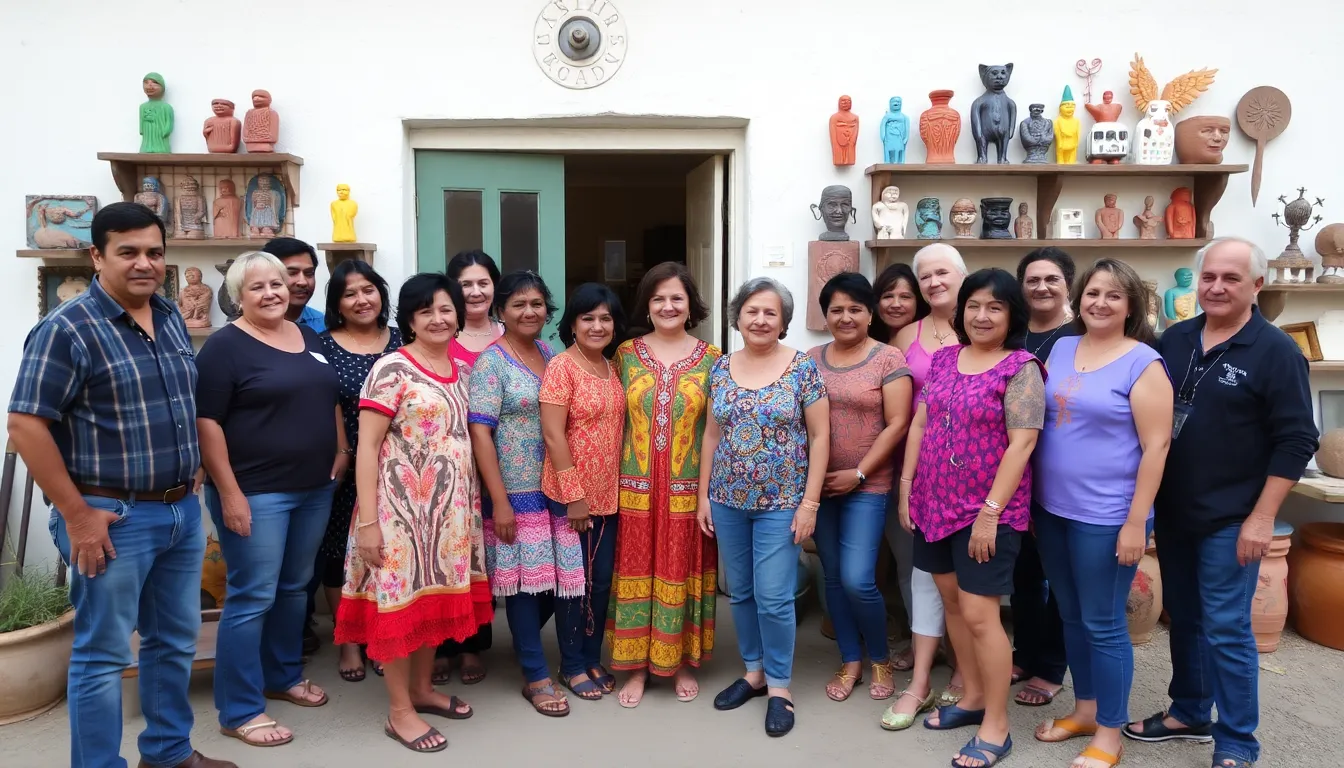
Cultural institutions, such as museums and galleries, play a crucial role in preserving Aguilar’s legacy. They have the responsibility to curate exhibitions that not only showcase her work but also educate the public about the cultural significance of Mexican folk art. However, funding and resources can be a challenge, leading to potential conflicts over which artists and artworks receive prominence in the cultural narrative.
- Economic Impact: The popularity of Aguilar’s art contributes to the local economy through tourism and art sales, but it also raises questions about the commercialization of folk art.
- Legal Issues: Copyright and intellectual property rights surrounding traditional art forms can lead to disputes, especially as demand for replicas and inspired works increases.
- Cultural Preservation: There is an ongoing debate about how to maintain the authenticity of traditional art while allowing for contemporary interpretations.
Additionally, the Mexican government has an interest in promoting its cultural heritage on a global stage. Supporting artists like Aguilar can enhance national pride and attract international attention to Mexico’s rich artistic traditions. However, this support must be balanced with the need to foster innovation and growth within the contemporary art scene.
The influence of Aguilar’s art on communities and cultural preservation
Josefina Aguilar’s passing at the age of 80 marks a significant loss for various communities, particularly in Mexico, where her clay sculptures have served as a vital representation of Mexican life and culture. Artists, cultural historians, and local artisans are among those most affected by her absence. Her work has inspired countless individuals to explore their own cultural identities through art, fostering a sense of pride and community.
In the short term, the art market may experience a surge in interest in Aguilar’s works, as collectors and enthusiasts seek to acquire pieces that represent her legacy. This could lead to increased sales for galleries and auction houses specializing in folk art. However, there is also a risk of commodification, where the true essence of her work may be overshadowed by market trends, potentially diluting its cultural significance.
In the mid-term, educational institutions and cultural organizations may feel the impact as they reassess their programs related to Mexican folk art. Workshops, exhibitions, and educational initiatives may be launched or expanded to honor Aguilar’s contributions, presenting opportunities for community engagement and cultural education. This could also lead to increased funding for arts programs that promote traditional crafts and cultural preservation.
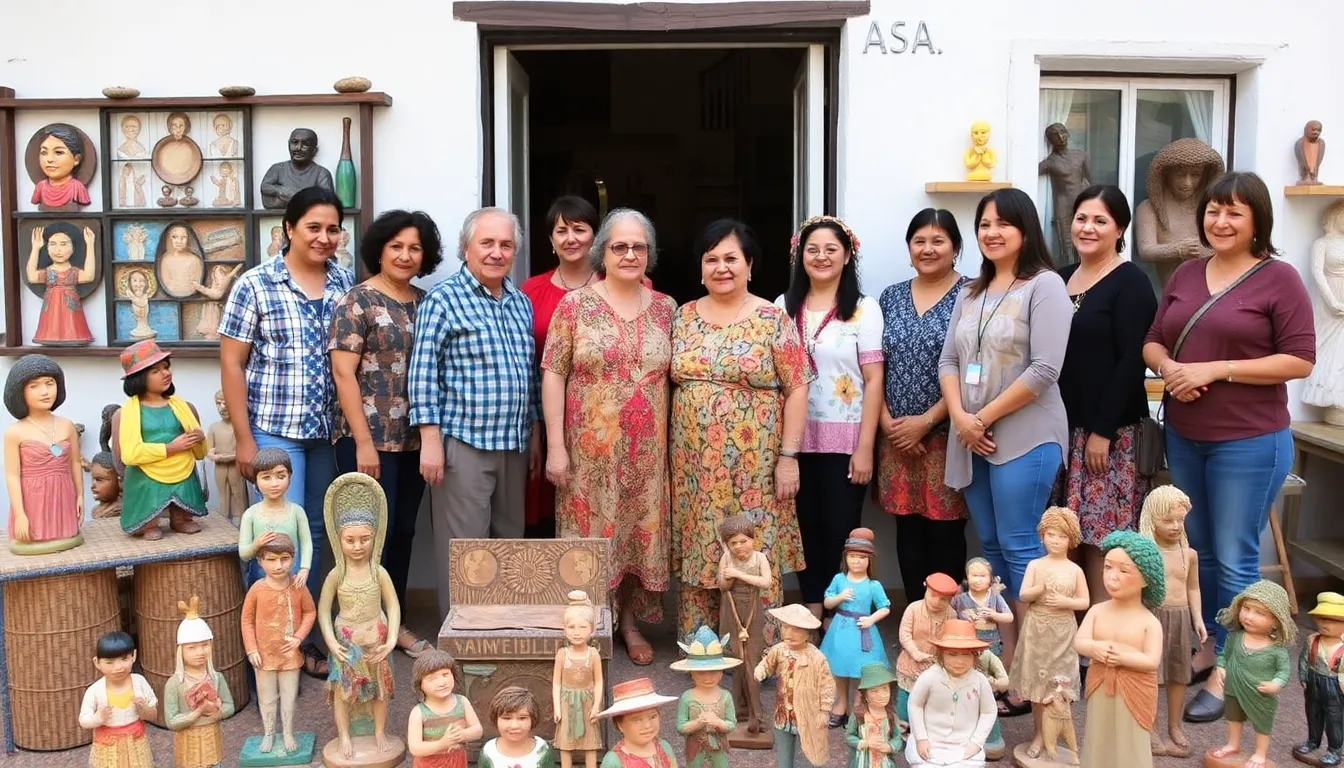
- Communities: Cultural pride and identity may be both reinforced and challenged.
- Art Market: Potential increase in demand for Aguilar’s works and similar folk art.
- Education: Growth in programs focusing on Mexican culture and traditional arts.
- Policy: Potential for new initiatives supporting cultural preservation and local artisans.
Overall, while the loss of Josefina Aguilar poses challenges, it also opens avenues for renewed appreciation and exploration of Mexican cultural heritage, highlighting the importance of preserving such artistic legacies for future generations.
A: Josefina Aguilar was known for her intricate clay sculptures that depicted everyday life in Mexico, showcasing the rich culture and traditions of her homeland. A: Aguilar’s unique style and dedication to Mexican folk art inspired many contemporary artists to explore their cultural heritage through various mediums. A: Aguilar primarily used clay to create her sculptures, often incorporating vibrant colors and traditional techniques that reflected her cultural background. A: Aguilar’s work can be found in various museums and galleries dedicated to folk art, as well as in private collections around the world. A: Her legacy lies in her ability to capture the essence of Mexican life and culture, influencing future generations to appreciate and continue the tradition of folk art.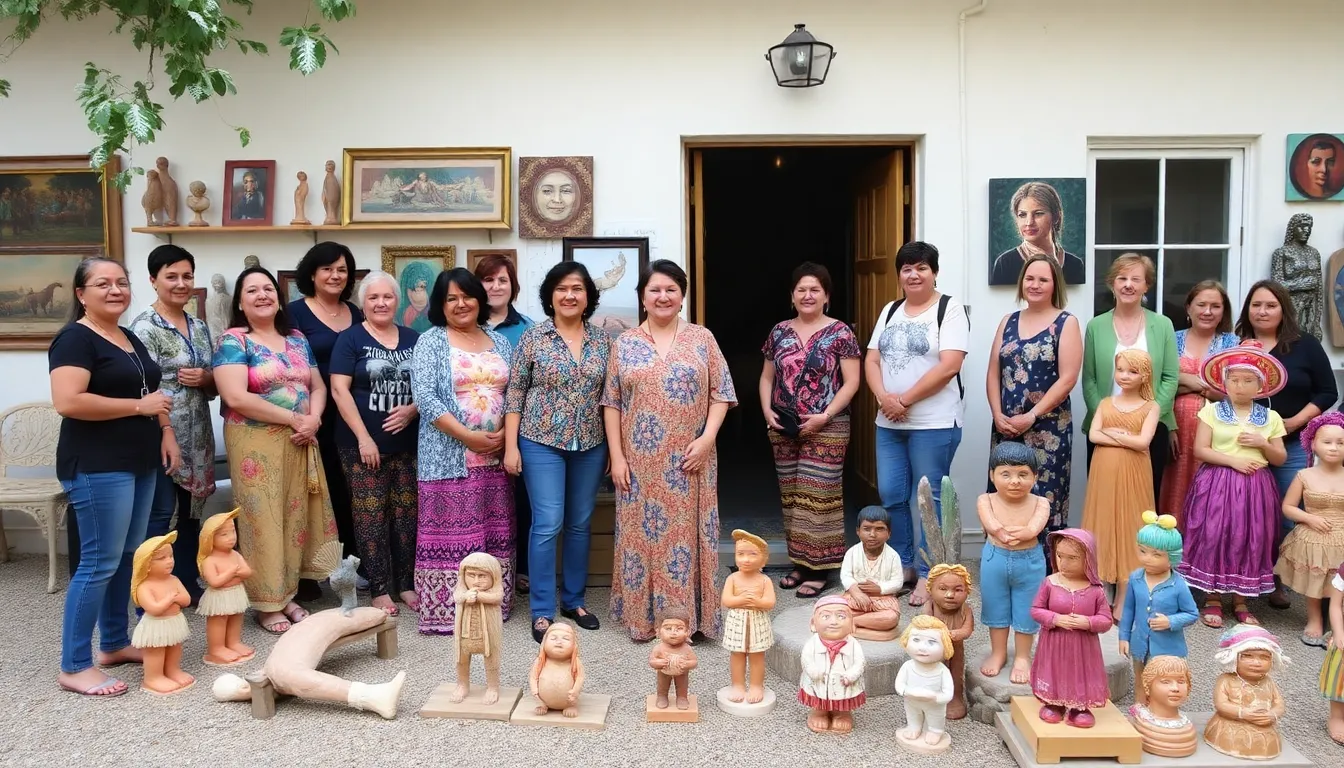
Frequently Asked Questions about Josefina Aguilar
Reflecting on the legacy of Josefina Aguilar and future of Mexican folk art
Josefina Aguilar’s passing marks a significant moment in the world of Mexican folk art, as her work not only captured the essence of Mexican life but also elevated the visibility of traditional craftsmanship on a global scale. Her clay figures, rich in cultural narratives and intricate details, serve as a testament to the stories and traditions of her community. As we reflect on her legacy, it becomes essential to consider the future of folk art in Mexico and how it continues to evolve in contemporary society.
The impact of Aguilar’s artistry extends beyond her lifetime, prompting discussions about the preservation of folk art and the importance of supporting artisans who carry forward these traditions. As younger generations engage with these cultural practices, the challenge lies in balancing innovation with authenticity while ensuring that the narratives of Mexican life remain vibrant and relevant.
- Support for local artisans is crucial to maintain the integrity and continuation of traditional folk art.
- Increased global interest in folk art can lead to new opportunities for cultural exchange and economic development.
- Educational initiatives that promote understanding of folk art can inspire younger generations to engage with their cultural heritage.
- Collaborations between traditional artisans and contemporary artists may yield innovative interpretations while honoring historical roots.
- Documentation and archiving of folk art practices can help preserve these cultural narratives for future generations.