
The selected crew for Artemis II includes Commander Reid Wiseman, Pilot Victor Glover, Mission Specialist Christina Koch, and Mission Specialist Jeremy Hansen from the Canadian Space Agency. These astronauts will embark on a 10-day mission that will take them approximately 1.4 million miles from Earth, testing critical systems and gathering data for future lunar missions, such as those outlined in our article on Exploring the Moon and Mars.
As the launch date approaches, NASA is finalizing the Space Launch System (SLS) rocket and the Orion spacecraft, both of which are crucial for the mission’s success. The SLS is designed to be the most powerful rocket ever built, capable of carrying heavy payloads beyond low Earth orbit, while the Orion spacecraft will serve as the crew’s home during their journey.
The Artemis II mission is not just a technical endeavor; it represents a renewed commitment to human space exploration and international collaboration. By partnering with agencies like the Canadian Space Agency, NASA aims to foster global cooperation in space exploration, paving the way for future missions to the Moon and eventually Mars.
Understanding the significance of the Artemis program
The Artemis program represents a pivotal moment in space exploration, aiming to return humans to the Moon for the first time since the Apollo missions of the late 1960s and early 1970s. This initiative, led by NASA, is not just about lunar exploration; it is a stepping stone toward future missions to Mars and beyond, similar to what we discussed in our piece on Meet the Astronauts of NASA’s Artemis II Moon Mission.
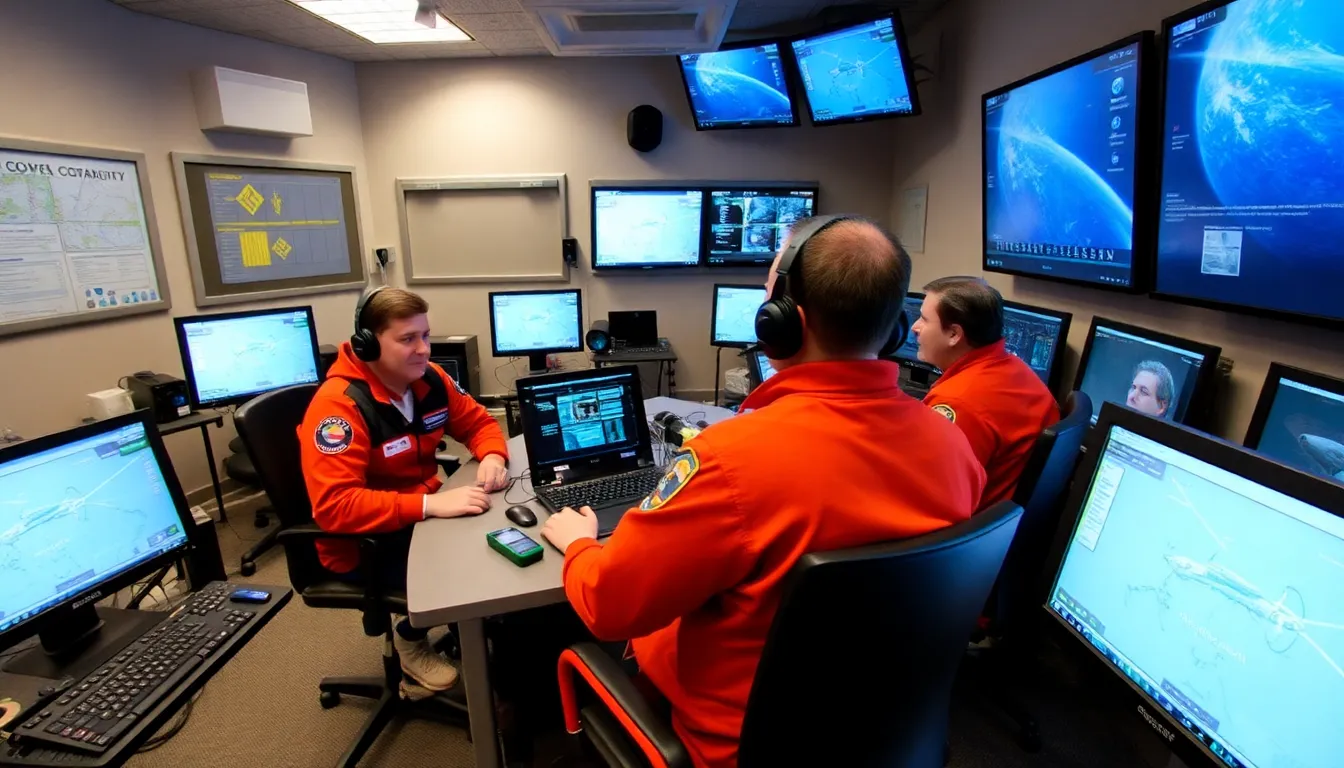
The historical context of lunar exploration dates back to the Cold War era, when the Space Race fueled significant advancements in technology and international rivalry. The Apollo 11 mission in 1969 marked a monumental achievement, with Neil Armstrong and Buzz Aldrin becoming the first humans to set foot on the lunar surface. However, after Apollo 17 in 1972, human missions to the Moon ceased, leading to decades of robotic exploration and scientific research from afar.
In recent years, the geopolitical landscape has shifted, prompting a resurgence in interest in lunar exploration. Nations such as China and Russia have made strides in their own space programs, leading to renewed discussions about international cooperation and competition in space. The Artemis program aims to establish a sustainable human presence on the Moon, fostering partnerships with commercial entities and international space agencies to enhance global collaboration in space exploration.
Key milestones leading to Artemis II
The Artemis program has already achieved several key milestones, including the successful launch of the Artemis I mission, which tested the Space Launch System (SLS) and the Orion spacecraft without a crew. This mission laid the groundwork for Artemis II, which will carry astronauts around the Moon, marking an important step toward long-term lunar exploration; ensuring all details about conditions are in mind as explored in our article on Could weather conditions impact the launch of Artemis II.
Key stakeholders and their roles in the mission
The Artemis II mission, which aims to send astronauts around the Moon, involves a diverse array of stakeholders, each with distinct interests and responsibilities. The primary actors include NASA, the astronauts, international space agencies, private aerospace companies, and governmental bodies.
NASA, as the lead agency, is focused on advancing human space exploration and establishing a sustainable presence on the Moon. Their interests lie in demonstrating the capabilities of the Space Launch System (SLS) and the Orion spacecraft, which are critical for future missions to Mars. The agency also seeks to foster international collaboration and inspire a new generation of scientists and engineers.
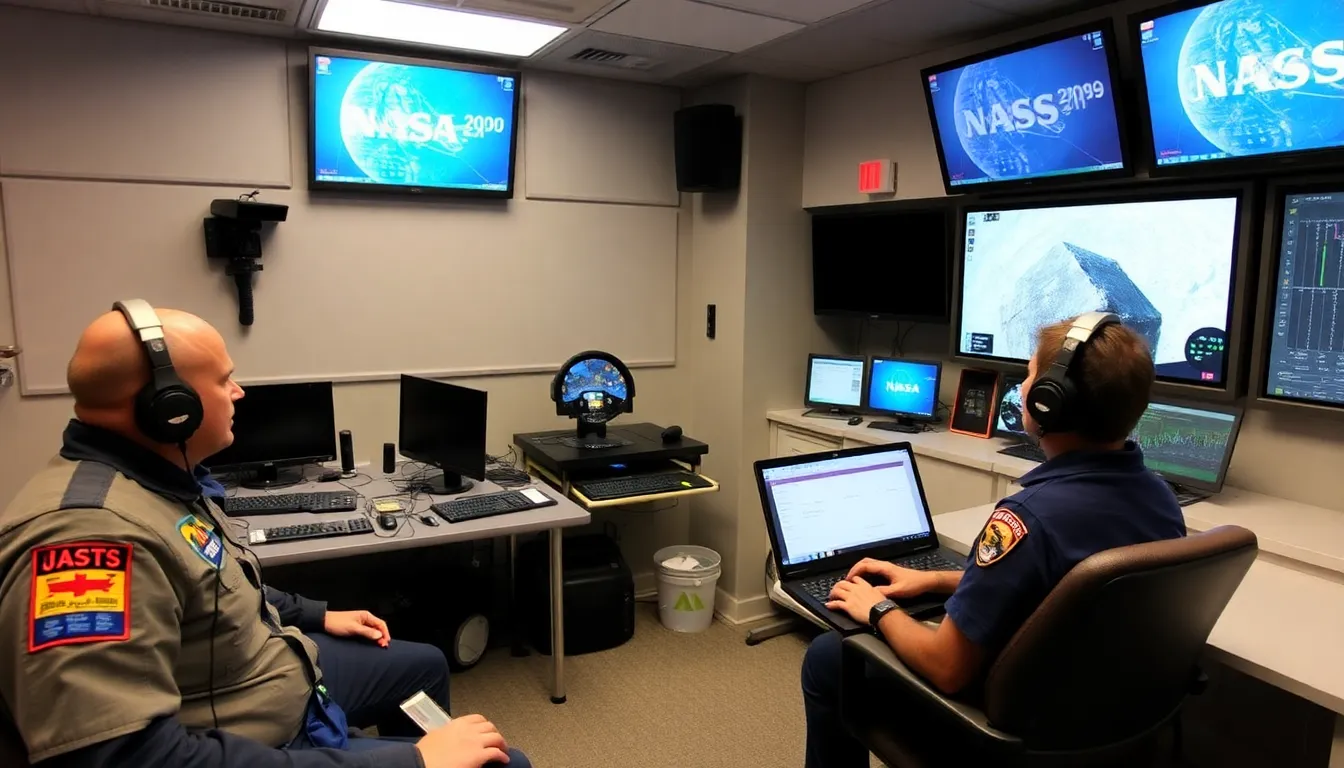
The astronauts selected for Artemis II represent not only the human element of the mission but also serve as symbols of diversity and inclusion in space exploration. Their experiences and backgrounds highlight the importance of varied perspectives in tackling complex challenges. The astronauts have personal stakes in the mission, as their performance will impact future crewed spaceflights and the overall success of NASA’s Artemis program.
International space agencies, such as the European Space Agency (ESA) and the Canadian Space Agency (CSA), play crucial roles in providing technology and expertise. Their collaboration with NASA reflects a shared interest in advancing space exploration as a global endeavor. However, this partnership also raises questions about resource allocation and the equitable distribution of benefits derived from lunar exploration.
- Private aerospace companies are increasingly involved, with interests in contracts and technology development, leading to potential competition and collaboration with NASA.
- Legal issues arise regarding lunar resource utilization, as nations and companies navigate the Outer Space Treaty and emerging regulations.
- Economic implications include the potential for commercial opportunities in lunar exploration, which could reshape the landscape of space industry investments.
- Public interest and support are vital, as the mission’s success hinges on maintaining transparency and engagement with the global community.
As these stakeholders navigate their interests, conflicts and trade-offs will inevitably arise. Balancing national priorities with international collaboration, ensuring equitable access to lunar resources, and addressing the economic implications of space exploration will be key challenges as the Artemis II mission progresses.
The potential impact of Artemis II on space exploration
The Artemis II mission, set to take astronauts around the Moon, stands to influence a wide array of groups, industries, and regions. Primarily, the aerospace industry is at the forefront, with companies involved in spacecraft manufacturing, launch services, and mission support all poised to benefit. Additionally, educational institutions and research organizations will feel the ripple effects as new opportunities for research and collaboration emerge.
In the short term, the excitement surrounding Artemis II is likely to boost public interest in STEM (Science, Technology, Engineering, and Mathematics) fields. Schools and universities may see an uptick in enrollment in related programs, and businesses could experience increased demand for educational materials and workshops. This heightened interest can also influence policy, as governments may prioritize funding for space-related initiatives and education.
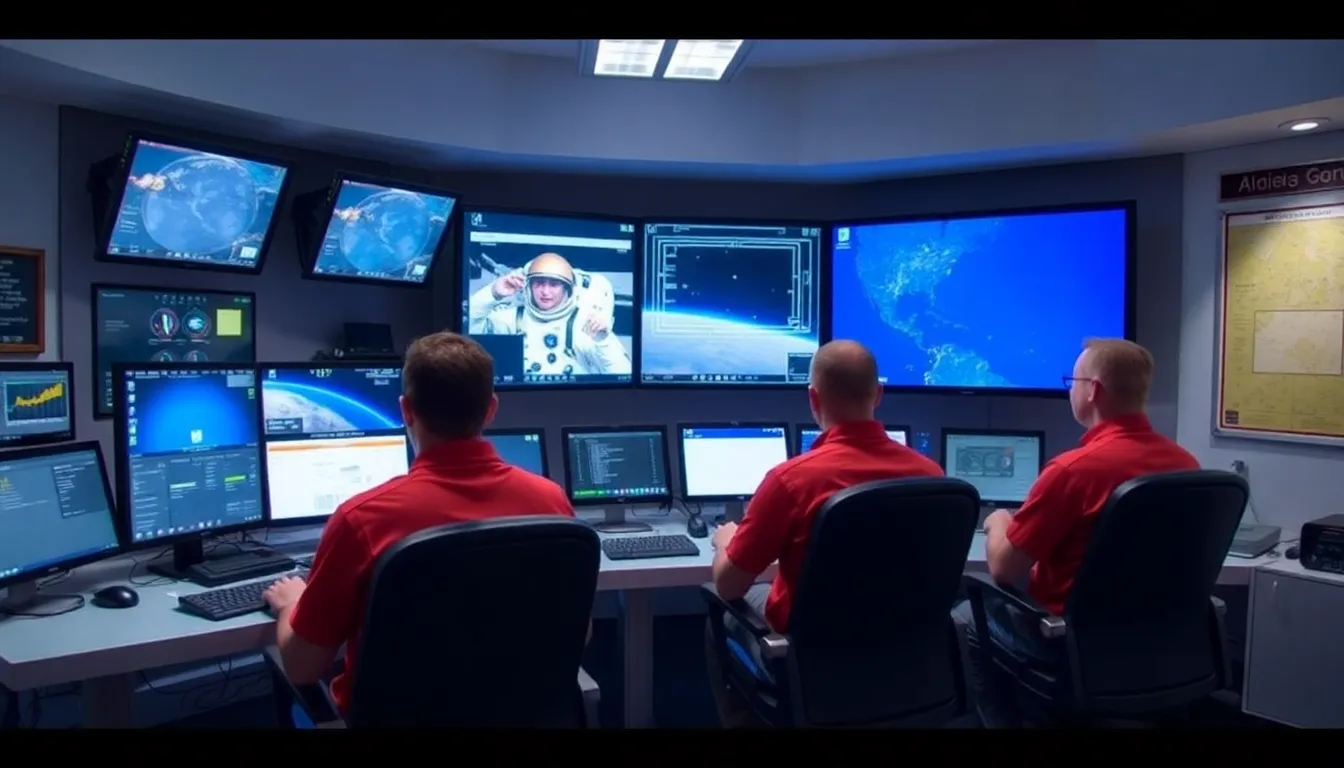
Mid-term impacts could include advancements in technology and infrastructure as a result of the mission. The development of new technologies for Artemis II may lead to innovations in various sectors, such as telecommunications and materials science. Furthermore, regions with aerospace facilities, like Florida and Texas, might experience economic growth through job creation and increased investment.
- Economic Growth: Increased funding and investment in the aerospace sector.
- Job Creation: New opportunities in STEM fields and related industries.
- Policy Changes: Potential shifts in government priorities towards space exploration and education.
- Technological Advancements: Innovations that may benefit other industries.
However, there are also risks involved. The significant investment in Artemis II could divert funds from other critical areas such as climate change initiatives or social programs. Additionally, if the mission faces delays or setbacks, public interest and support may wane, impacting future funding and projects. Balancing these risks with the potential for groundbreaking discoveries and advancements will be crucial as humanity embarks on this next chapter of space exploration.
A: The primary goal of Artemis II is to conduct a crewed mission around the Moon, testing systems and preparing for future lunar landings. A: Artemis II is currently scheduled for launch in 2024, depending on successful testing and readiness of the spacecraft. A: The Artemis II crew includes astronauts from NASA and international partners, selected for their expertise and experience in spaceflight. A: Artemis II will provide critical data and experience that will inform the design and execution of future lunar missions, including Artemis III, which aims to land astronauts on the Moon. A: Artemis II will test various technologies, including the Orion spacecraft’s life support systems and navigation capabilities, essential for long-duration space travel.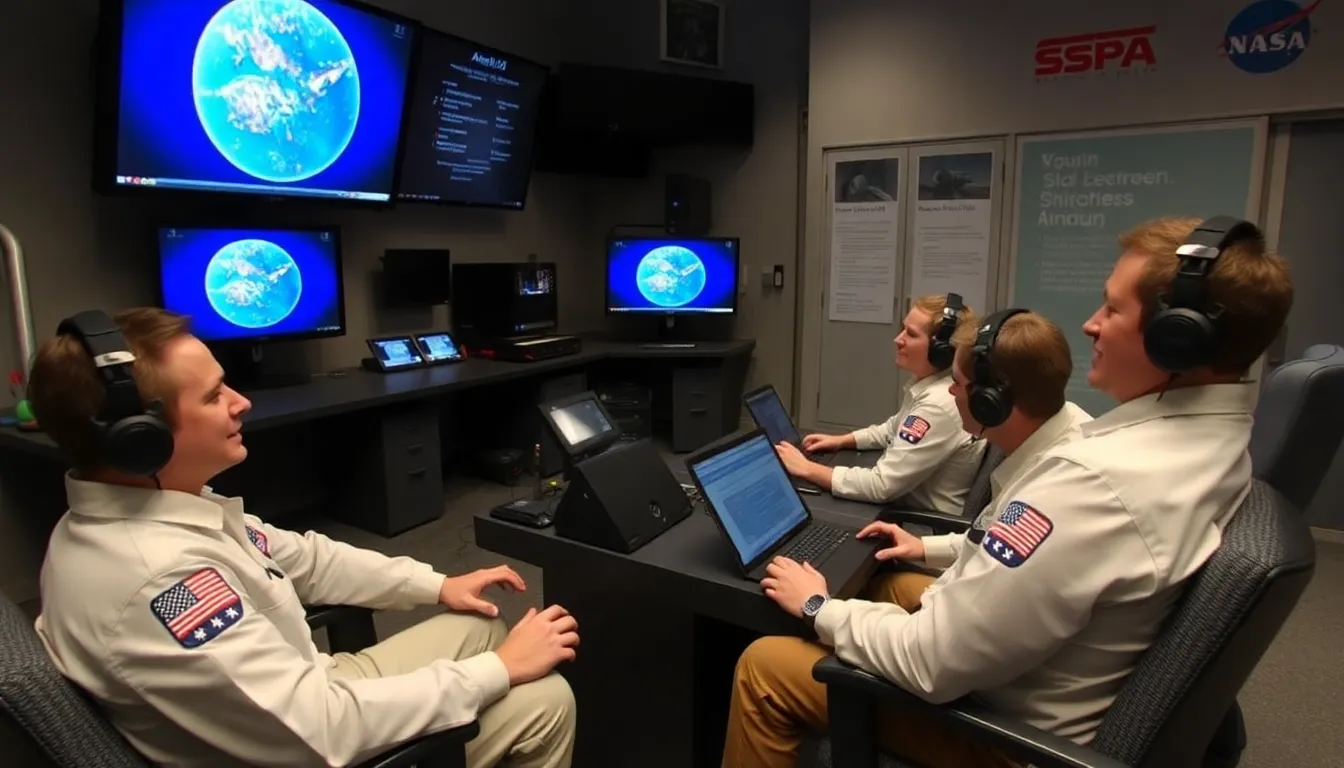
Frequently asked questions about Artemis II
Looking ahead to the future of lunar exploration
The Artemis II mission marks a significant step in humanity’s return to the Moon, paving the way for future lunar exploration and potential colonization. As the crew prepares for their historic journey, the implications of this mission extend beyond mere exploration; they touch on technological advancements, international collaboration, and the potential for sustainable human presence on the Moon.
With the Artemis program set to establish a new era of lunar activity, it is essential to consider the broader impact of these missions on science, technology, and global partnerships. The lessons learned from Artemis II will inform subsequent missions and shape our understanding of deep space travel.
- Technological Innovation: The advancements developed for Artemis II will likely influence various sectors on Earth, driving innovation in aerospace and beyond.
- International Collaboration: The mission highlights the importance of global partnerships in space exploration, setting a precedent for future cooperative efforts.
- Sustainability Focus: The emphasis on sustainable practices during lunar missions could lead to new approaches in resource management and environmental considerations.
- Public Engagement: Increased visibility of lunar missions may foster greater public interest and support for space exploration initiatives.
- Long-term Vision: The success of Artemis II could catalyze future missions aimed at Mars and beyond, expanding humanity’s reach in the solar system.