
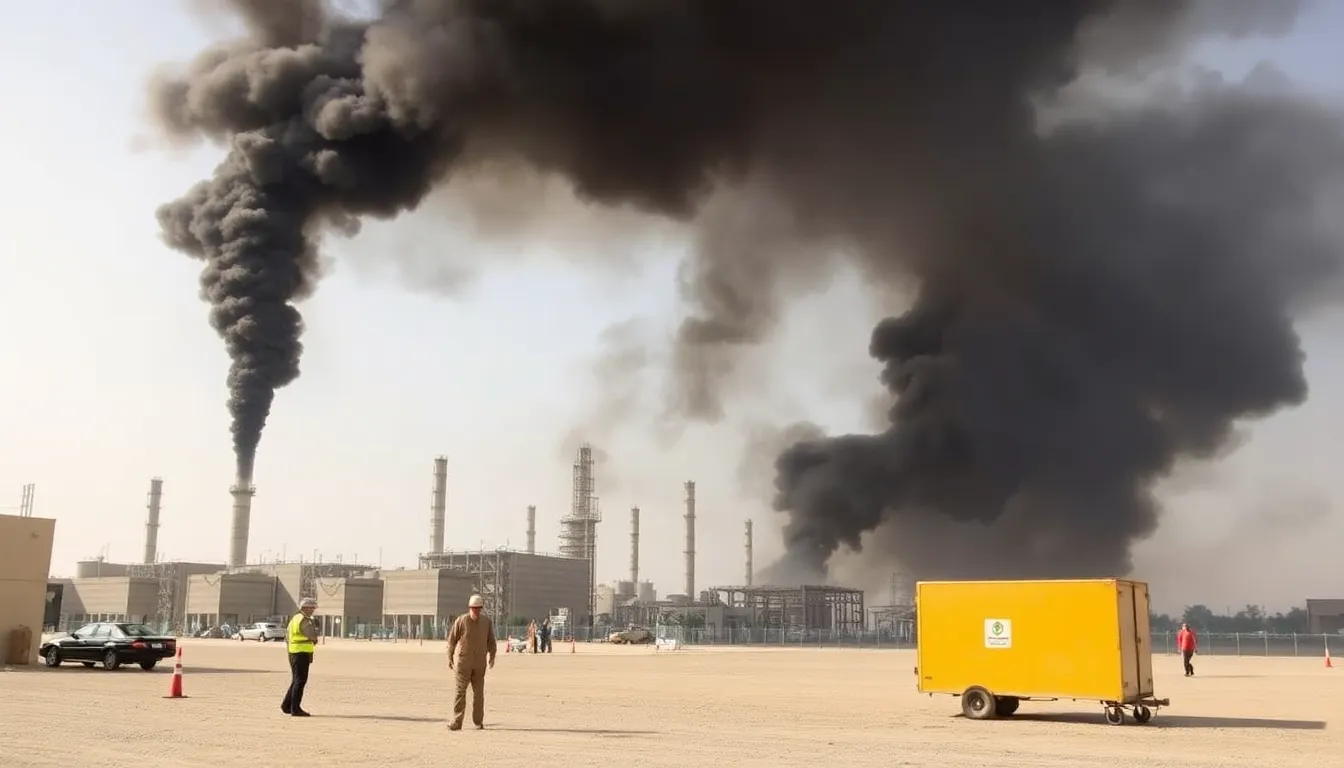
On October 10, an attack on a prominent oil facility in eastern Saudi Arabia resulted in significant damage, disrupting production and leading to increased oil prices globally. The Iranian-backed Houthi rebels claimed responsibility for this assault, stating it was in retaliation for ongoing conflicts in Yemen and Saudi support for the Yemeni government. For more insights on international tensions, check out our article on Pro-Israel Democrats condemning violence.
Further complicating the situation, on October 15, drone strikes targeted a major shipping port in the UAE, causing delays in maritime traffic and raising alarms among international shipping companies. The UAE government has condemned the attacks, emphasizing the need for collective security measures to protect vital trade routes in the region.
The implications of these attacks extend beyond immediate economic impacts, as they threaten to destabilize the already fragile geopolitical landscape of the Gulf. Analysts warn that continued aggression from Iran could provoke a stronger military response from Gulf states and their allies, heightening the risk of broader conflict.
Understanding the historical background of Iranian regional actions
The geopolitical landscape of the Gulf region has been significantly shaped by historical grievances, ideological conflicts, and power struggles. Following the 1979 Iranian Revolution, Iran’s shift towards a theocratic regime led to heightened tensions with neighboring countries, particularly those with Sunni-majority populations. The revolution not only established a new political order in Iran but also inspired various Shiite movements across the region, leading to fears among Gulf states of Iranian expansionism.
Throughout the 1980s and 1990s, Iran’s influence in the region grew, particularly during the Iran-Iraq War, where it sought to assert its power against Iraq and its allies. The aftermath of the war saw Iran adopting a more aggressive foreign policy, supporting proxy groups in Lebanon, Iraq, and Yemen. This strategy aimed to counterbalance the influence of the United States and its allies, who were perceived as threats to Iran’s sovereignty, further elaborated in our article on big tech challenges.
Key milestones in Iranian regional actions
Several key events have marked Iran’s regional actions over the years. The U.S. invasion of Iraq in 2003, which resulted in the toppling of Saddam Hussein, allowed Iran to extend its influence into Iraq. This shift altered the balance of power in the region, as Iran began to support Shiite militias and political groups, further entrenching its role in Iraqi politics. Additionally, the Arab Spring in 2011 provided Iran with opportunities to bolster its support for allied regimes and movements, most notably in Syria, where it has been a crucial supporter of President Bashar al-Assad.
More recently, the assassination of Iranian General Qassem Soleimani in January 2020 by a U.S. drone strike heightened tensions between Iran and the U.S., leading to a series of retaliatory attacks across the Gulf. These actions have not only targeted U.S. interests but have also affected regional allies, with significant implications for the security and economic stability of Gulf states. The ongoing conflict in Yemen, where Iran supports the Houthi rebels, further illustrates the complexity of Iran’s involvement in regional conflicts and its willingness to engage in asymmetric warfare.
As the situation evolves, the historical context of Iran’s actions in the Gulf remains critical for understanding the current dynamics and the potential for future conflicts. The interplay of regional rivalries, sectarian divisions, and external interventions continues to shape the landscape, making it essential for observers to consider these factors when analyzing Iranian attacks across the Gulf.
Key stakeholders and the implications of ongoing conflicts
The ongoing Iranian attacks across the Gulf have drawn attention to a complex web of stakeholders, each with distinct interests and motivations. At the forefront are the Iranian government and its military forces, which aim to assert regional dominance and counter perceived threats from adversaries. This is particularly relevant in the context of Iran’s nuclear ambitions and its efforts to maintain influence over key shipping routes in the Strait of Hormuz, similar to the global implications discussed regarding Larry Reed in our recent post: Larry Reed, Master of Shadow Puppetry Dies at 81.
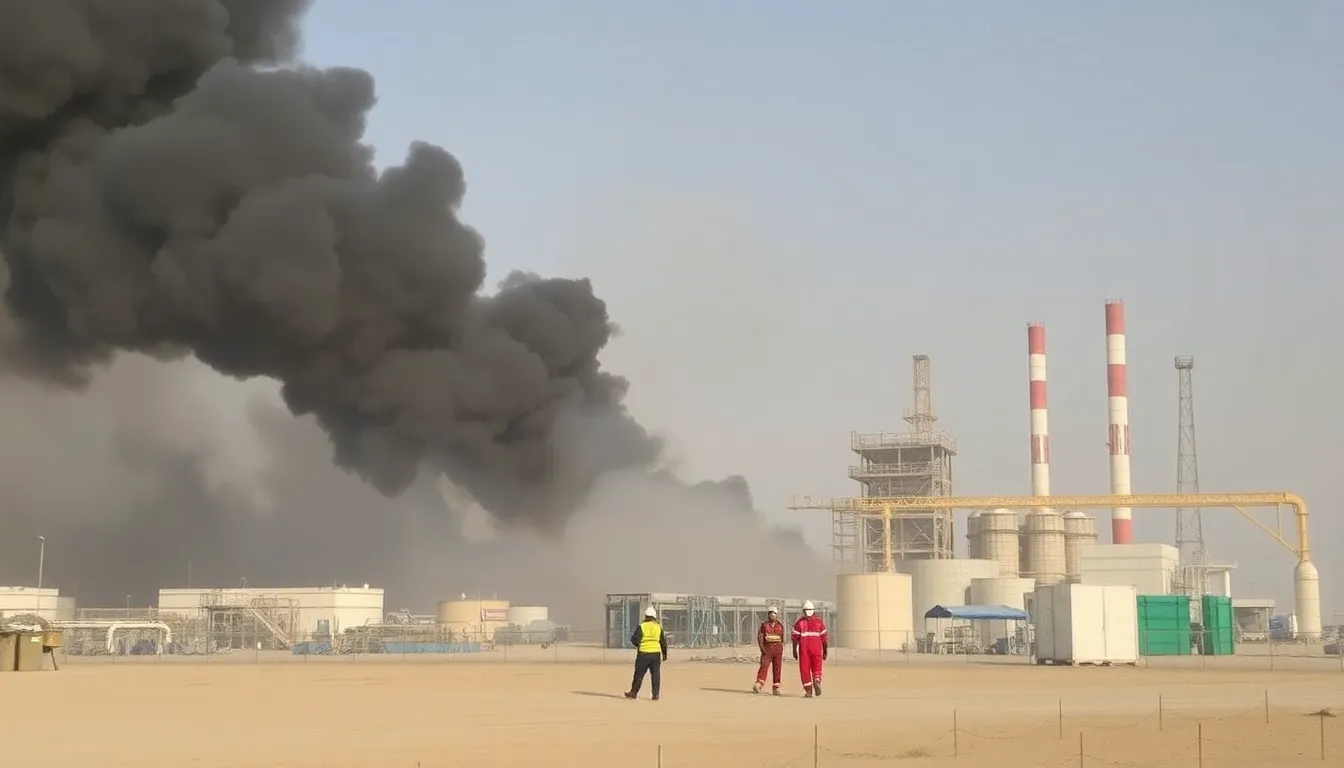
On the other side, Gulf Cooperation Council (GCC) member states, particularly Saudi Arabia and the United Arab Emirates, have vested interests in ensuring the security of their industrial sites and maintaining stability in the region. These nations are concerned about the potential for escalated conflict that could disrupt oil supplies and impact their economies. The United States, as a strategic ally to many Gulf states, also plays a critical role, advocating for a collective response to Iranian aggression while balancing its own interests in the region.
Key issues at play include the legal ramifications of military actions in international waters and the economic implications of disrupted trade routes. The potential for sanctions or retaliatory measures could further complicate the situation, especially as Iran seeks to navigate its economic challenges exacerbated by existing sanctions. Meanwhile, the global oil market remains sensitive to these developments, with fluctuations in prices reflecting the uncertainty surrounding the region’s stability.
- Iranian Government: Aims to strengthen its regional influence and deter adversaries.
- GCC States: Focused on protecting their industrial infrastructure and economic interests.
- United States: Seeks to maintain stability and support allies while managing its own strategic interests.
- International Shipping Companies: Concerned about the safety of maritime routes and potential disruptions.
- Global Oil Markets: Impacted by the ongoing conflict, with price volatility reflecting geopolitical tensions.
The effects on local economies and international relations
The ongoing Iranian attacks across the Gulf have significant implications for various groups, industries, and regions. Key sectors such as oil and gas, shipping, and tourism are particularly vulnerable. Countries directly impacted include Saudi Arabia, the United Arab Emirates, and other Gulf Cooperation Council (GCC) nations, which rely heavily on stable conditions for their economies.
In the short term, businesses face disruptions due to heightened security measures and potential supply chain interruptions. The oil industry, for instance, may experience fluctuations in production and pricing, leading to increased costs for consumers and businesses alike. Additionally, shipping routes could be affected, resulting in delays and increased transportation costs.
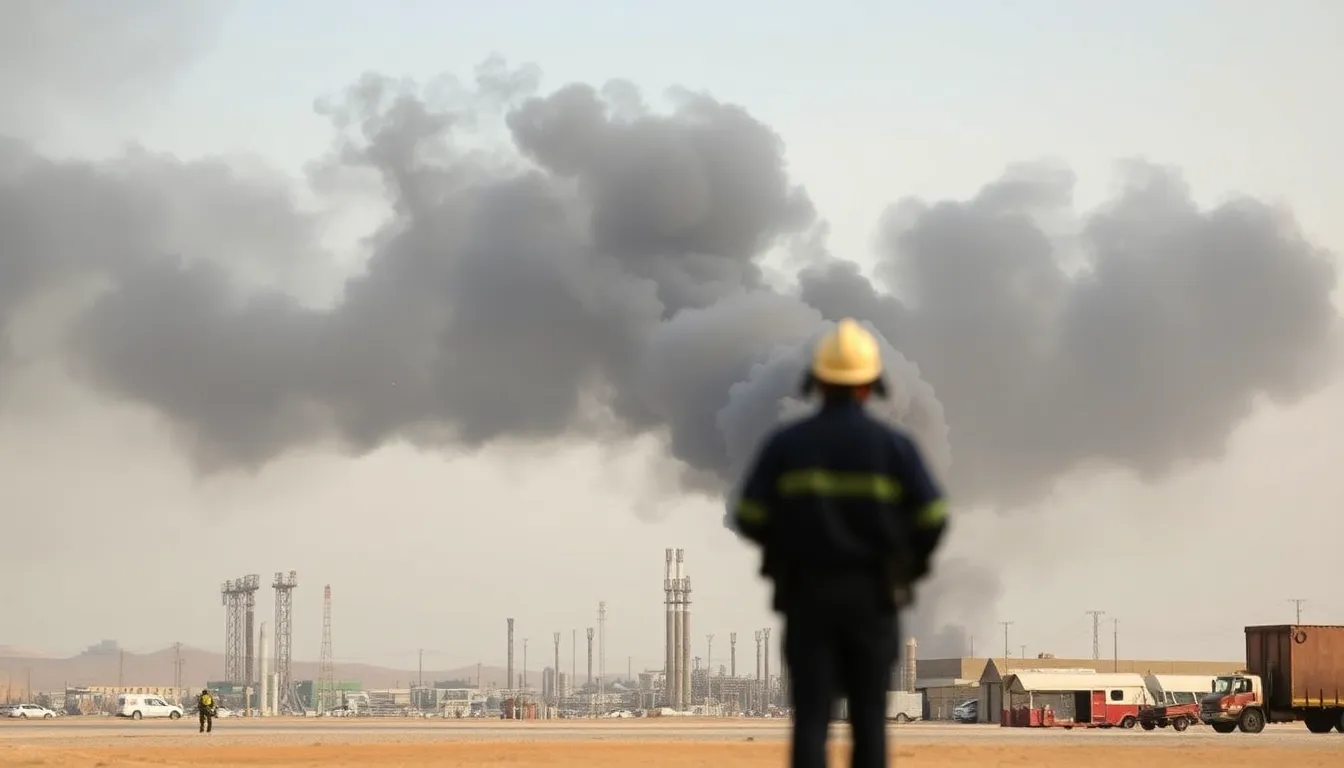
Mid-term impacts may include shifts in policy as governments reassess their defense strategies and diplomatic relationships. The need for enhanced security could lead to increased military spending and a reevaluation of alliances, potentially straining relations with countries that have economic ties to Iran.
- Increased operational costs for businesses due to security measures.
- Potential for economic downturn in tourism as travelers may avoid affected areas.
- Shifts in energy prices impacting global markets.
- Changes in international trade routes affecting global supply chains.
While risks abound, there may also be opportunities for companies specializing in security, defense, and alternative energy sources. As industries adapt to the new geopolitical landscape, innovative solutions may emerge, fostering growth in sectors that prioritize resilience and sustainability.
A: The Iranian attacks have primarily targeted major industrial sites, including oil refineries and shipping routes, aiming to disrupt economic activities in the region. A: Neighboring countries have expressed concern and increased their military readiness, while also seeking diplomatic solutions to de-escalate tensions. A: The attacks are likely to lead to fluctuations in global oil prices due to concerns over supply disruptions in a critical region for oil production. A: Yes, several countries are engaging in diplomatic talks to mediate the conflict and reduce hostilities in the Gulf region. A: Iran’s actions in the Gulf have a long history, often tied to geopolitical rivalries, sectarian tensions, and its pursuit of regional influence.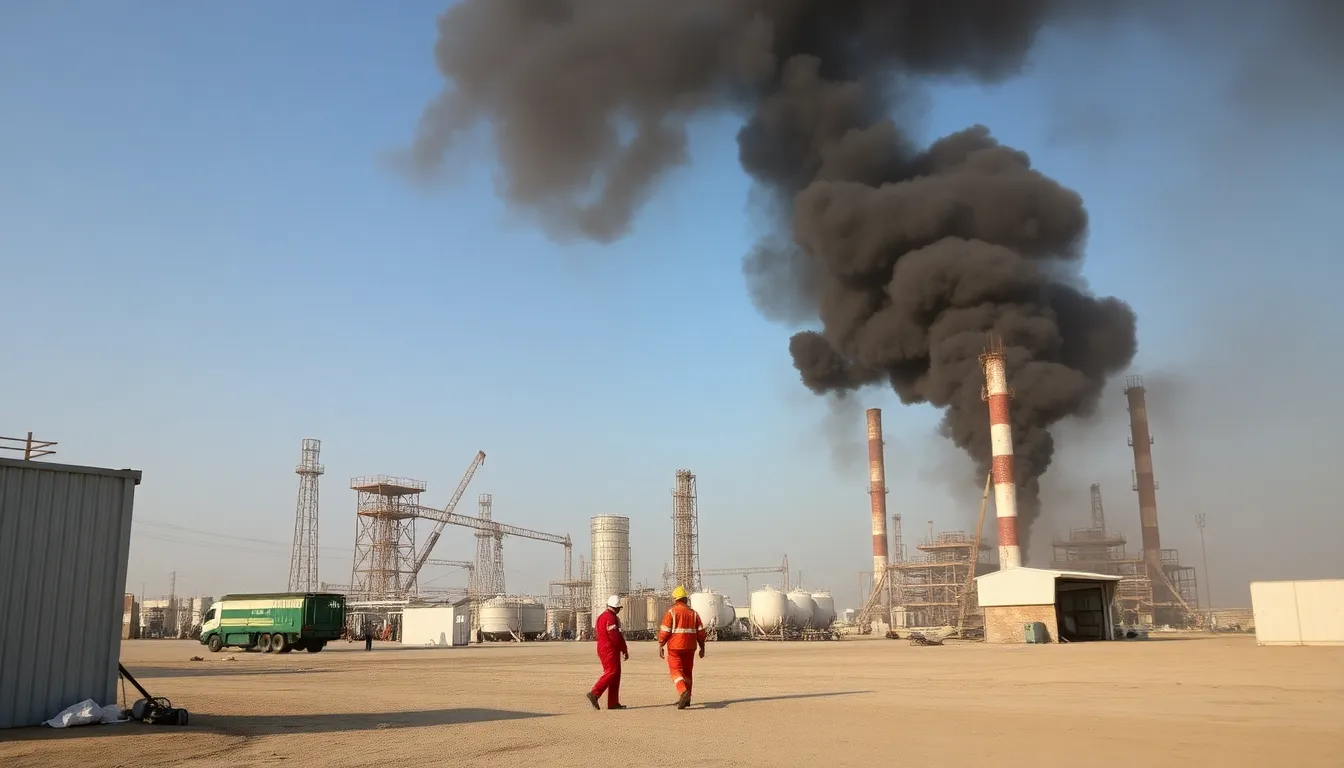
Frequently asked questions about the Iranian attacks
Looking ahead: potential outcomes and key takeaways
The recent Iranian attacks across the Gulf, targeting major industrial sites, underscore a shifting landscape in regional security dynamics. As tensions escalate, the implications for both local economies and international relations are significant. Stakeholders must remain vigilant as the situation evolves, with potential ripple effects that could impact energy markets and geopolitical alliances.
Monitoring responses from affected nations and international bodies will be crucial in assessing the next steps. The interplay between military actions and diplomatic efforts will likely shape the region’s stability in the coming months.
- Increased military readiness: Nations in the Gulf may enhance their defense postures in response to the threat of further attacks.
- Impact on oil prices: Disruptions in oil production or transportation could lead to volatility in global energy markets.
- Diplomatic negotiations: Expect intensified diplomatic efforts aimed at de-escalating tensions and preventing further conflict.
- Regional alliances: Shifts in alliances may occur as countries reassess their security partnerships in light of the new threats.
- Cybersecurity concerns: Increased focus on protecting critical infrastructure from potential cyber-attacks linked to regional conflicts.