
Following Dahal’s arrest, thousands of demonstrators took to the streets in various cities across Nepal, demanding his release and expressing their discontent with the current government. Protesters have accused authorities of suppressing dissent and have called for a thorough investigation into the police’s actions during the protests. The unrest highlights the growing tensions between the government and segments of the population who feel marginalized. For more on the implications of political unrest in Nepal, you can read about the historical struggles for democracy.
Political analysts suggest that Dahal’s arrest could have significant implications for Nepal’s political landscape, as it may deepen existing divisions among political factions. Many supporters view him as a champion of the people’s rights, while opponents argue that his leadership contributed to the unrest. The situation remains fluid, with potential for further escalation as both sides stand firm in their positions. This complex political environment continues to evolve, impacting public sentiment and governance.
The international community is closely monitoring the developments in Nepal, with human rights organizations urging the government to respect citizens’ rights to peaceful assembly and free expression. As protests continue, the government’s response will be crucial in determining the future of political stability and public trust in Nepal’s institutions. Amid these tensions, the recent arrest of former Prime Minister Sher Bahadur Deuba draws attention to the persistent challenges facing the nation.
Understanding the political landscape leading to the crackdown
Nepal’s political history has been marked by a tumultuous struggle for democracy, characterized by the transition from a monarchy to a federal democratic republic in 2008. The decade-long Maoist insurgency, which began in 1996, played a crucial role in shaping the current political dynamics, as it aimed to overthrow the monarchy and establish a people’s government. The aftermath of the civil war left deep-seated divisions among various political factions, leading to a fragile governance structure that has often been challenged by protests and civil unrest.
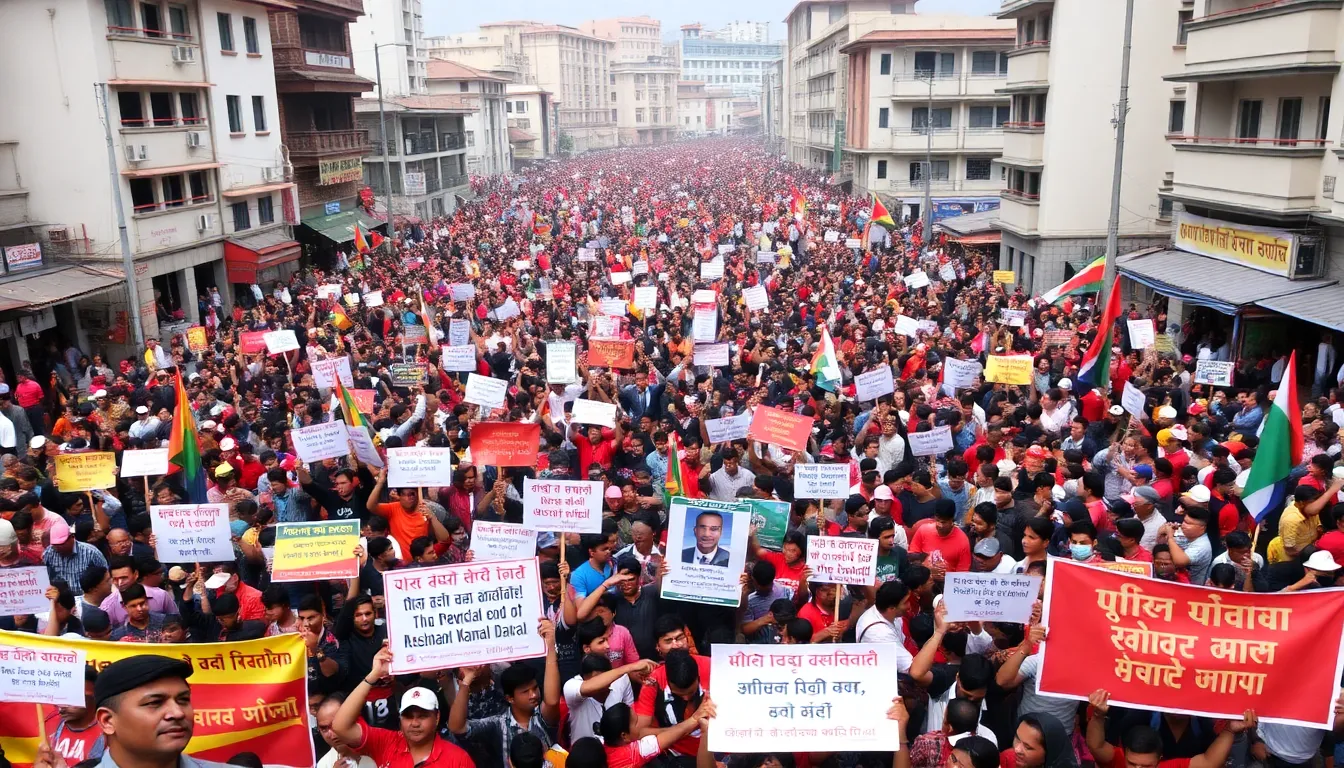
The recent arrest of former Prime Minister Sher Bahadur Deuba is a direct consequence of this ongoing political instability. Deuba, who has served multiple terms as Prime Minister, faced criticism for his handling of protests that erupted over various social and economic issues, including rising prices, unemployment, and corruption. The protests escalated when security forces were accused of using excessive force against demonstrators, resulting in fatalities and injuries, which further inflamed public sentiment against the government.
Key milestones in Nepal’s political evolution
Several key milestones have defined Nepal’s political evolution, influencing the current crisis. The adoption of the 2015 Constitution was a significant moment, intended to unify the nation and address ethnic and regional disparities. However, the Constitution has faced criticism from various groups, particularly the Madhesi community, which has led to widespread protests and calls for amendments. This discontent has been a persistent backdrop to the political landscape, often leading to violent clashes between protesters and security forces.
Moreover, the COVID-19 pandemic exacerbated existing economic challenges, leading to increased frustration among the populace. The government’s perceived inability to effectively manage the crisis and provide adequate support has fueled protests, culminating in the recent violent confrontations. The interplay of these historical and contemporary issues has created a volatile environment, where political accountability remains a contentious topic, ultimately leading to the arrest of leaders like Deuba amid calls for justice and reform.
Key stakeholders and their positions on the recent events
The recent arrest of Nepal’s former Prime Minister has sparked a wave of reactions from various stakeholders, each with their own interests and perspectives. The primary actors in this scenario include the Nepali government, opposition political parties, civil society organizations, and international observers.
The Nepali government, currently led by Prime Minister Pushpa Kamal Dahal, has a vested interest in maintaining law and order following the violent protests that led to the crackdown. The government aims to assert its authority and demonstrate a commitment to justice, as it faces pressure from both domestic and international communities to address human rights concerns. However, this also places the government in a delicate position, as it must balance the need for stability with the rights of citizens to protest.
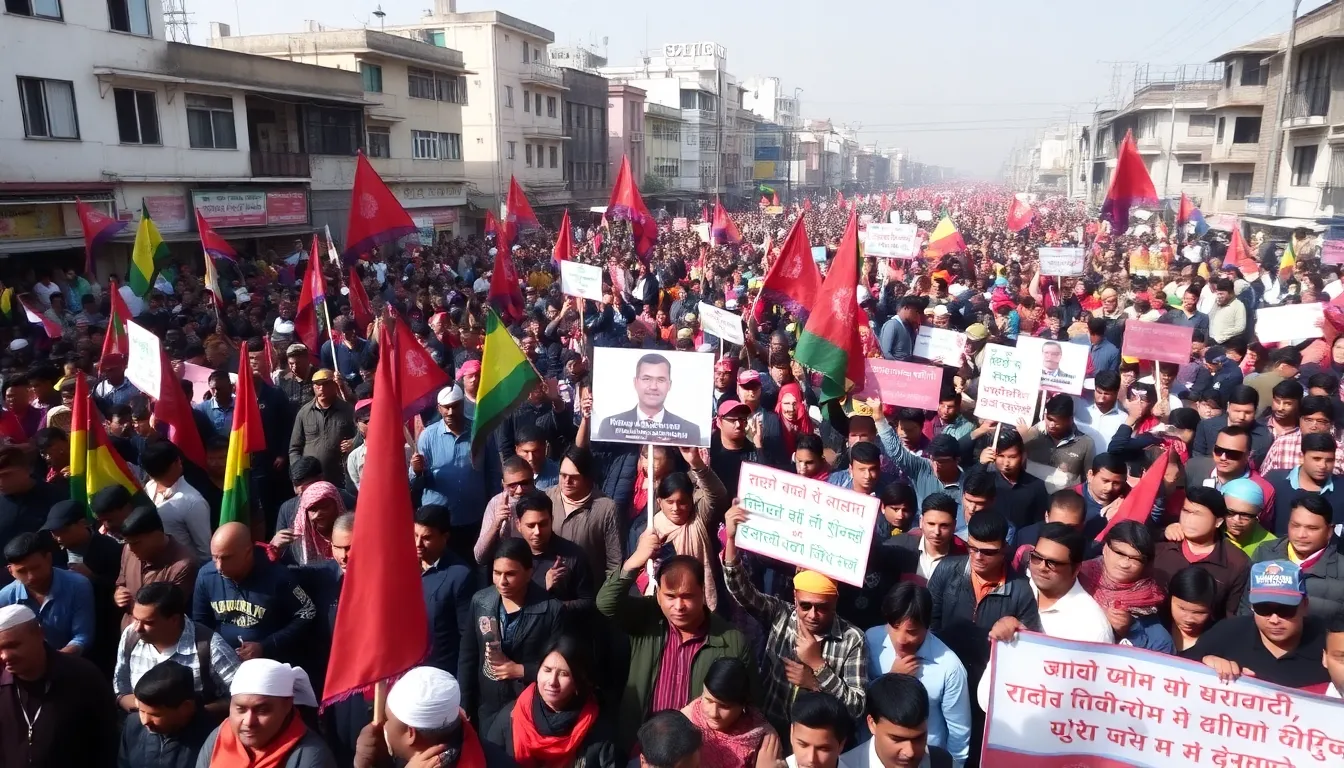
Opposition political parties, particularly those aligned with the former Prime Minister, are leveraging this situation to challenge the current government’s legitimacy. They argue that the arrest is politically motivated, aimed at silencing dissent and undermining democratic principles. This conflict highlights the ongoing power struggle within Nepal’s political landscape, where accusations of authoritarianism are prevalent.
Civil society organizations play a crucial role in advocating for human rights and accountability. Many of these groups have condemned the government’s actions during the protests, calling for an independent investigation into the crackdown. Their position emphasizes the importance of protecting citizens’ rights to peaceful assembly and expression, which are fundamental to a functioning democracy.
- The Nepali government seeks to restore order and demonstrate commitment to justice.
- Opposition parties view the arrest as a tactic to suppress dissent and consolidate power.
- Civil society organizations demand accountability and protection of human rights.
- International observers are closely monitoring the situation, advocating for adherence to democratic norms.
- The general public remains divided, with some supporting the government’s actions and others calling for reform.
The implications of the arrest on Nepal’s political climate
The arrest of Nepal’s former Prime Minister has sent shockwaves through the country’s political landscape, impacting various groups and industries. Political parties, civil society organizations, and ordinary citizens are all grappling with the immediate fallout. The incident has reignited tensions among different factions, which may lead to increased political instability.
In the short term, daily life for many Nepalese citizens could be disrupted as protests and demonstrations are likely to escalate in response to the arrest. Businesses, particularly in urban areas, may experience a decline in foot traffic due to safety concerns. The tourism sector, already vulnerable due to previous unrest, could face significant challenges as potential visitors reevaluate their plans.
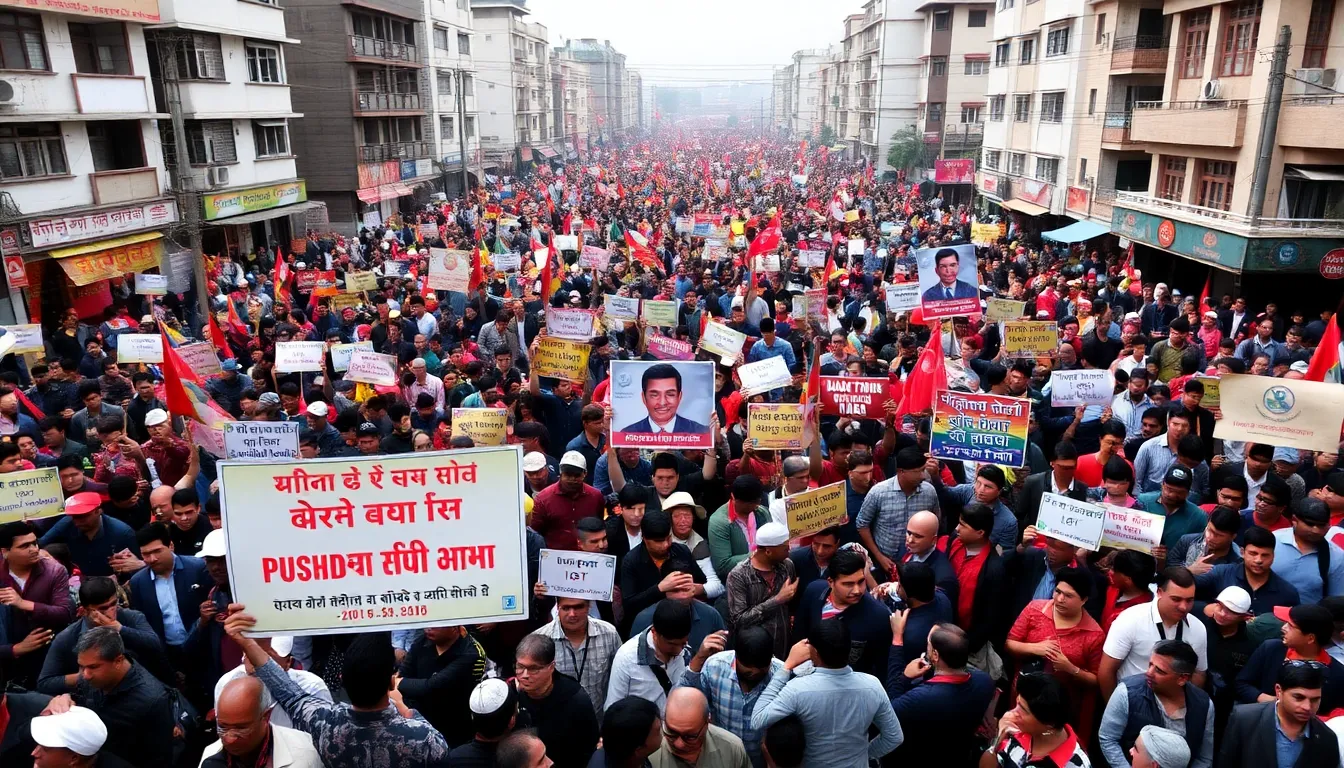
Mid-term impacts may include shifts in policy as the current government attempts to navigate the unrest. There is a risk that the political climate could become more polarized, leading to a lack of effective governance. However, this situation may also present opportunities for new political alliances to form, potentially leading to a more representative government in the long run.
- Increased political tensions: Heightened divisions among political parties and civil society.
- Economic uncertainty: Businesses may suffer from reduced consumer confidence and tourism decline.
- Potential policy shifts: Opportunities for reform and new political coalitions to emerge.
- Public unrest: Likely rise in protests and demonstrations affecting daily life.
Ultimately, while the arrest of the ex-PM represents a significant risk to stability, it could also serve as a catalyst for change, prompting a reevaluation of governance and accountability in Nepal.
A: The former Prime Minister was arrested due to his alleged involvement in the violent crackdown on protests that resulted in fatalities. A: The protests are primarily focused on demands for political reform and accountability regarding government actions against demonstrators. A: The international community has expressed concern over the arrest and the government’s handling of the protests, calling for restraint and dialogue. A: The situation remains tense, and further protests are likely, which could lead to increased political instability and potential government changes.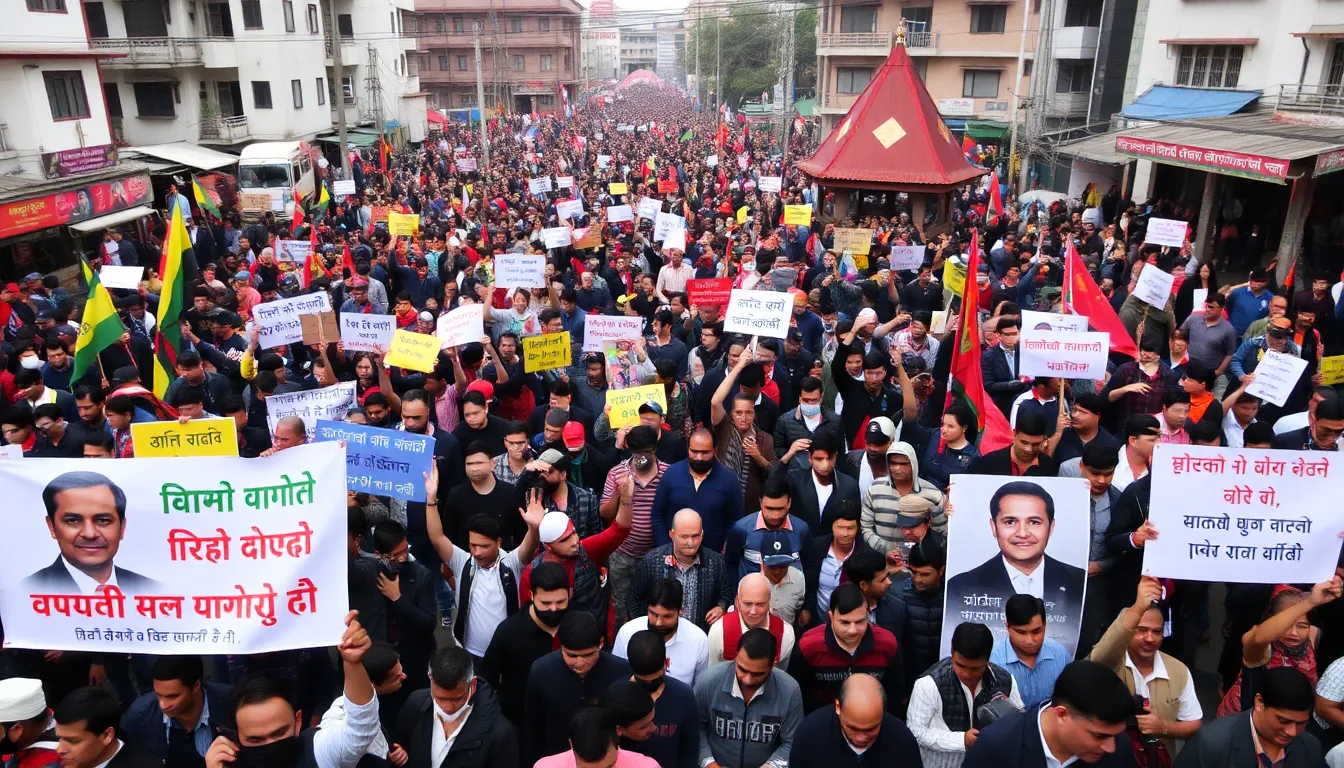
Frequently asked questions about the situation
Looking ahead: potential outcomes and key takeaways
The arrest of Nepal’s former Prime Minister over the violent crackdown on protests signals a pivotal moment in the country’s political landscape. This event not only raises questions about accountability for state actions but also highlights the ongoing tensions between government authorities and civil society. As the situation unfolds, the implications for governance, public trust, and future protests will be significant.
Observers should pay close attention to how this development might influence political alliances and public sentiment in Nepal. The response from both the government and opposition parties will be critical in shaping the narrative and potential reforms in the wake of this incident.
- The potential for increased civil unrest as citizens demand accountability and justice for those affected by the protest crackdown.
- Impacts on the ruling party’s stability and possible shifts in power dynamics within the government.
- The role of international observers and organizations in advocating for human rights and democratic practices in Nepal.
- Future legislative changes aimed at addressing the issues of police conduct and protest rights.
- The possibility of renewed dialogue between the government and opposition to mitigate tensions and foster reconciliation.