
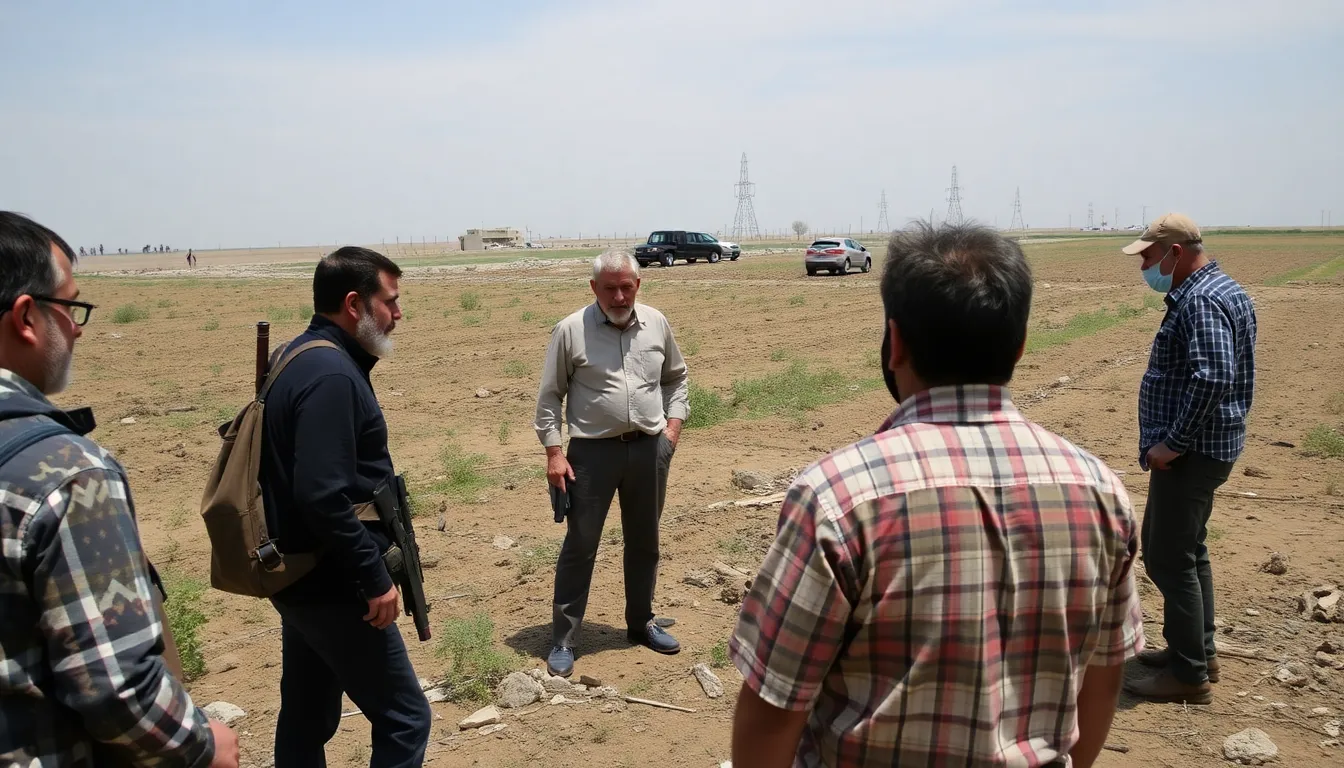
On October 15, 2023, a group of settlers reportedly attacked Palestinian farmers in the village of Burin, resulting in several injuries and damage to crops. This incident is part of a broader pattern, with multiple reports of similar attacks occurring throughout the West Bank, particularly in areas with a high concentration of Israeli settlements, highlighting the complexities of the ongoing Israeli-Palestinian conflict.
The escalation of settler violence has drawn criticism from various political leaders, including prominent Democrats who traditionally support Israel. They are urging the Israeli government to take action to protect Palestinian communities and address the growing unrest, emphasizing that unchecked violence undermines the prospects for peace and stability in the region.
As the situation develops, the international community is closely monitoring these incidents, with calls for accountability and a renewed commitment to dialogue between Israeli and Palestinian leaders. The ongoing violence not only affects the immediate communities involved but also poses significant challenges to diplomatic efforts aimed at resolving the long-standing conflict.
Historical background of the Israeli-Palestinian conflict
The Israeli-Palestinian conflict is rooted in a complex history that dates back to the late 19th and early 20th centuries, when nationalist movements began to take shape among both Jews and Arabs in the region. The rise of Zionism, a movement advocating for the establishment of a Jewish homeland in Palestine, coincided with growing Arab nationalism, contributing to the dynamics that are still relevant today.
One of the pivotal moments in this conflict occurred in 1947 when the United Nations proposed a partition plan to create separate Jewish and Arab states. While Jewish leaders accepted the plan, Arab leaders rejected it, leading to the 1948 Arab-Israeli War. The war resulted in the establishment of the State of Israel and the displacement of hundreds of thousands of Palestinians, an event referred to as the Nakba, or “catastrophe,” by Palestinians. This displacement set the stage for ongoing disputes over land and rights.
In subsequent decades, various wars and uprisings, including the Six-Day War in 1967 and the First and Second Intifadas, further complicated the situation. The Israeli occupation of the West Bank and Gaza Strip has been a significant point of contention, with Israeli settlements expanding in these territories. The settlements are considered illegal under international law, but Israel disputes this interpretation, citing historical and security reasons.
Recent Developments and Settler Violence
In recent years, the rise of right-wing political factions in Israel has led to increased settler activity in the West Bank, often resulting in violence against Palestinian communities. Pro-Israel Democrats in the United States have begun to express concern over these actions, recognizing that settler violence not only exacerbates tensions but also undermines the prospects for peace. As violence escalates, it raises questions about the future of the two-state solution and the role of international actors in mediating the conflict.
Key stakeholders and their positions on the violence
In the ongoing conflict in the West Bank, various stakeholders have emerged, each with distinct interests and perspectives regarding the recent surge in settler violence against Palestinians. The primary actors include pro-Israel Democrats, Israeli settlers, Palestinian communities, the Israeli government, and international organizations.
Pro-Israel Democrats, a faction within the Democratic Party, have increasingly voiced their concerns over the violence perpetrated by Israeli settlers. Their interest lies in maintaining a strong U.S.-Israel relationship while advocating for human rights and the rule of law, reflecting a broader conversation on the implications of U.S. foreign policy in the region.
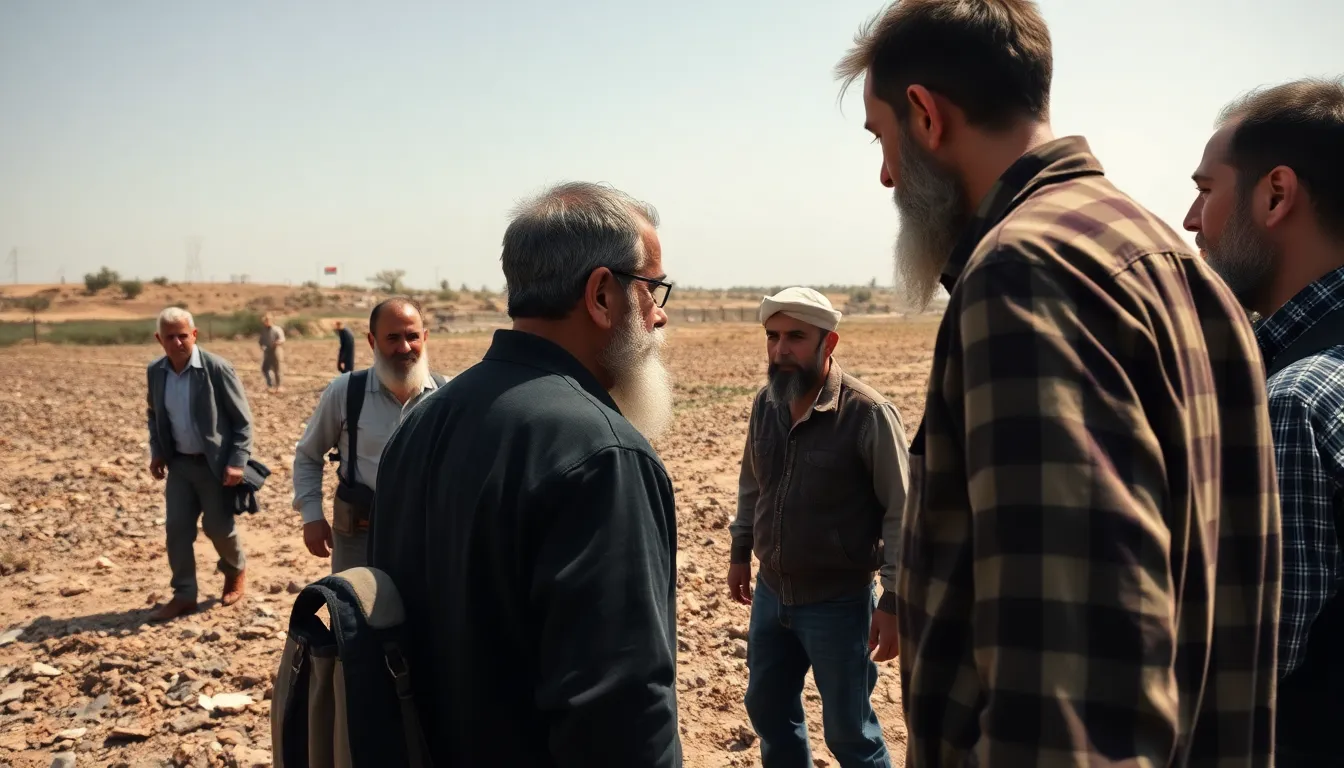
Israeli settlers, who often view their actions as a fulfillment of historical and religious claims to the land, have a vested interest in expanding their presence in the West Bank. Their activities, however, have drawn criticism not only from Palestinians but also from segments of Israeli society and international observers who argue that such actions exacerbate tensions and hinder peace efforts. This creates a complex dynamic where settlers’ aspirations clash with the rights and safety of Palestinian residents.
Palestinian communities are directly affected by settler violence, which they view as part of a broader strategy of dispossession and oppression. Their interests focus on securing their rights to land, safety, and self-determination. The ongoing violence has led to international calls for accountability and has raised questions about the legality of settlement expansion under international law, further complicating the situation.
- The Israeli government faces pressure to address settler violence while maintaining its support base among right-wing constituents.
- International organizations, including the United Nations, advocate for human rights and often criticize both settler violence and military actions by Israel.
- Humanitarian groups are concerned about the impact of violence on civilian populations and the need for immediate intervention to protect vulnerable communities.
Effects of violence on Palestinian communities and international relations
The ongoing violence in the West Bank has profound implications for Palestinian communities, impacting their daily lives, economic stability, and overall safety. Families living in affected areas face increased threats to their personal safety, leading to heightened anxiety and trauma. The psychological toll on children and adults alike can lead to long-term mental health issues, further complicating the social fabric of these communities.
Industries such as agriculture, which is vital for the Palestinian economy, are severely disrupted by the violence. Farmers may find it difficult to access their land or markets, resulting in decreased productivity and income. This situation not only threatens food security but also exacerbates poverty levels in the region, creating a cycle of economic decline.
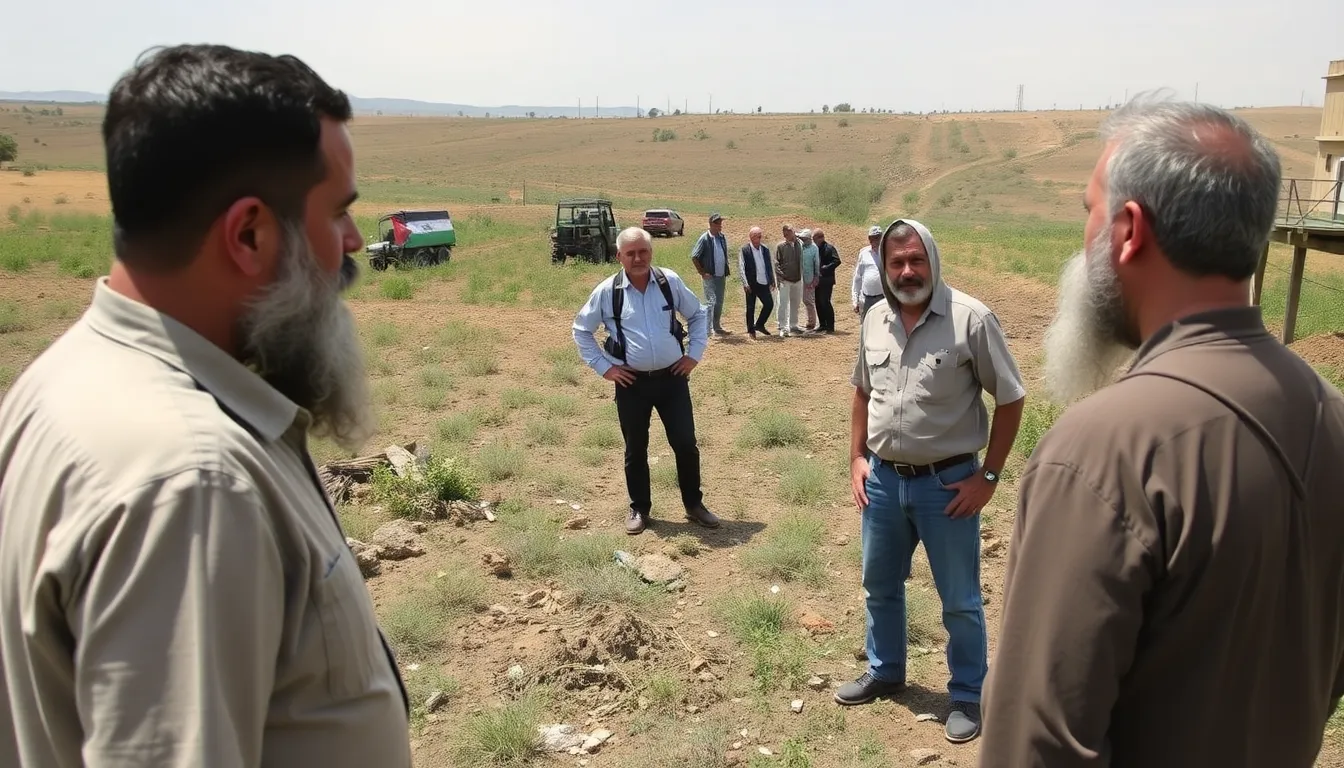
On a broader level, the violence has implications for international relations, particularly between the United States and its allies in the Middle East. Pro-Israel Democrats expressing concern over settler violence may lead to shifts in U.S. foreign policy, potentially impacting aid and diplomatic efforts in the region. This could create both risks and opportunities for peace negotiations.
- Short-term impacts: Increased tensions and violence lead to immediate disruptions in daily life and economic activities.
- Mid-term impacts: Potential shifts in U.S. foreign policy could either escalate or de-escalate tensions in the region.
- Risks: Heightened violence may lead to further isolation of Palestinian communities and international condemnation.
- Opportunities: A renewed focus on dialogue and peace initiatives could emerge from the current unrest, fostering potential collaborations.
As the situation evolves, the interplay between local dynamics and international responses will continue to shape the lives of those affected, highlighting the urgent need for effective conflict resolution strategies.
A: The recent wave of settler violence has been triggered by ongoing tensions in the region, including disputes over land and resources, as well as political rhetoric from various factions. A: Pro-Israel Democrats are publicly condemning the violence, calling for accountability and urging the Israeli government to take action against extremist settlers. A: The international community, including the United Nations, has expressed concern over settler violence, urging Israel to uphold its obligations under international law and protect Palestinian civilians. A: Settler violence complicates peace negotiations by increasing mistrust between Israelis and Palestinians, making it harder to achieve a lasting resolution to the conflict. A: Legal consequences for settlers involved in violence are often limited, as Israeli authorities may not take significant action, leading to calls for reform in the legal system.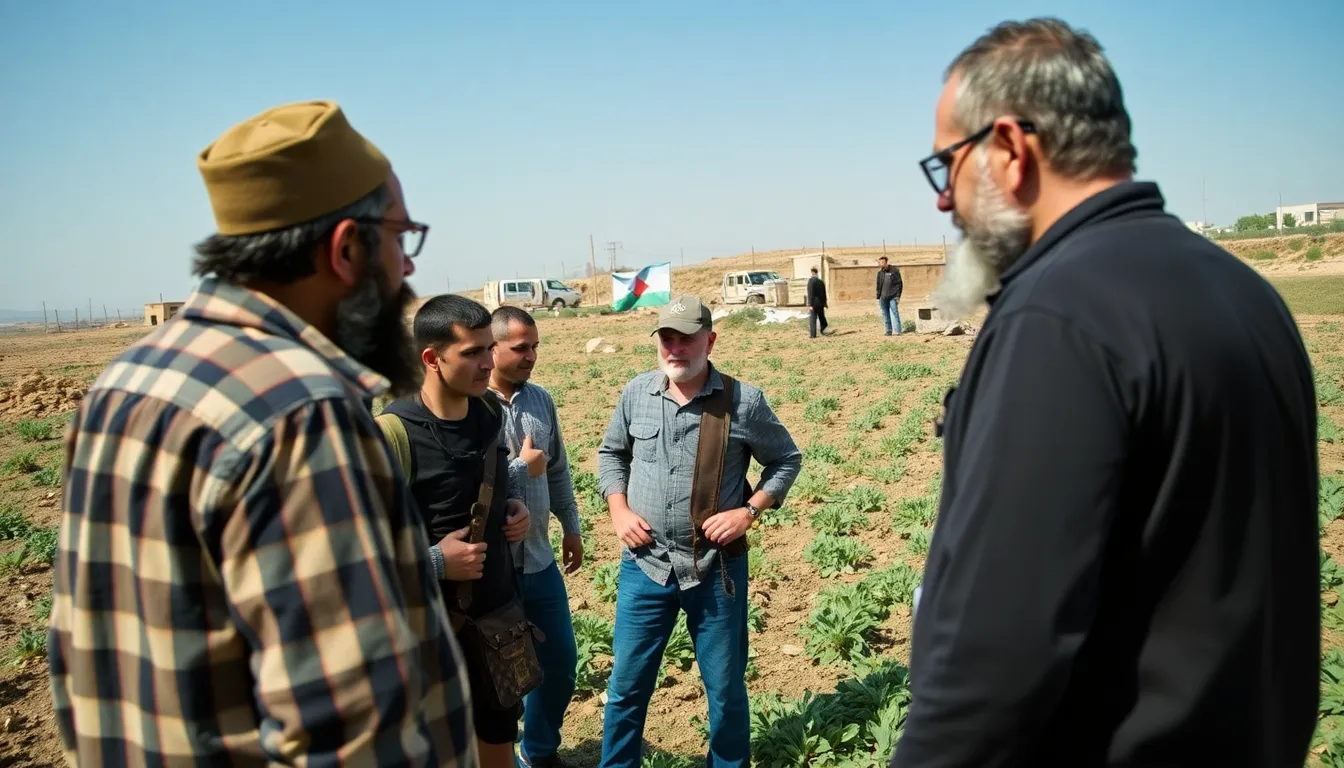
Frequently asked questions about the situation
Outlook on the future of Israeli-Palestinian relations
The recent expressions of concern from pro-Israel Democrats regarding settler violence highlight a growing recognition of the complexities surrounding the Israeli-Palestinian conflict. As tensions escalate in the West Bank, the dynamics within U.S. political support for Israel may shift, prompting a reevaluation of long-standing policies and alliances. This evolving discourse reflects broader societal concerns about human rights and the implications of unchecked violence on both sides.
Moving forward, the international community will likely play a crucial role in mediating tensions and advocating for de-escalation. Monitoring the responses from both Israeli authorities and Palestinian representatives will be essential in understanding the potential for renewed dialogue or further conflict. The implications of domestic political shifts in the U.S. could also reshape the broader geopolitical landscape, influencing future peace efforts.
- Increased scrutiny of Israeli policies may lead to a more nuanced approach from U.S. lawmakers.
- Heightened awareness of settler violence could galvanize grassroots movements advocating for Palestinian rights.
- Potential shifts in U.S. foreign aid and diplomatic support based on human rights considerations.
- Monitoring the response of Israeli leadership to settler actions will be critical for future peace negotiations.
- Continued violence could deepen divisions within Israeli society and impact public opinion on the conflict.