
The hearings are significant as they mark one of the first instances where a former head of state is facing potential prosecution for actions taken while in office, an issue that has been highlighted in various reports, including Duterte at very heart of murderous drug crackdowns in Philippines ICC told.
Duterte, who served as president from June 2016 to June 2022, has consistently denied any wrongdoing, claiming that his anti-drug efforts were necessary to combat a national crisis. His administration’s stance has been to dismiss the ICC’s jurisdiction, arguing that the Philippines has withdrawn from the Rome Statute, the treaty that established the ICC, in 2019. However, the court maintains that it can still pursue cases related to crimes committed while the country was a member.
The ongoing proceedings have drawn significant attention from human rights organizations and governments worldwide, highlighting the broader implications for global accountability mechanisms. Observers note that the outcome of these hearings could set a precedent for future cases involving leaders accused of similar human rights abuses. As the ICC continues its investigation, the situation remains dynamic, with potential repercussions for both Duterte and the Philippines’ legal obligations on the international stage.
Background on Duterte’s presidency and drug war
Rodrigo Duterte served as the 16th President of the Philippines from June 30, 2016, until June 30, 2022. His presidency was marked by a controversial and aggressive anti-drug campaign that drew both national and international scrutiny. Duterte’s approach was characterized by a hardline stance against illegal drugs, which he claimed was necessary to combat the country’s drug problem. This campaign led to thousands of deaths, with human rights organizations alleging extrajudicial killings and violations of human rights.
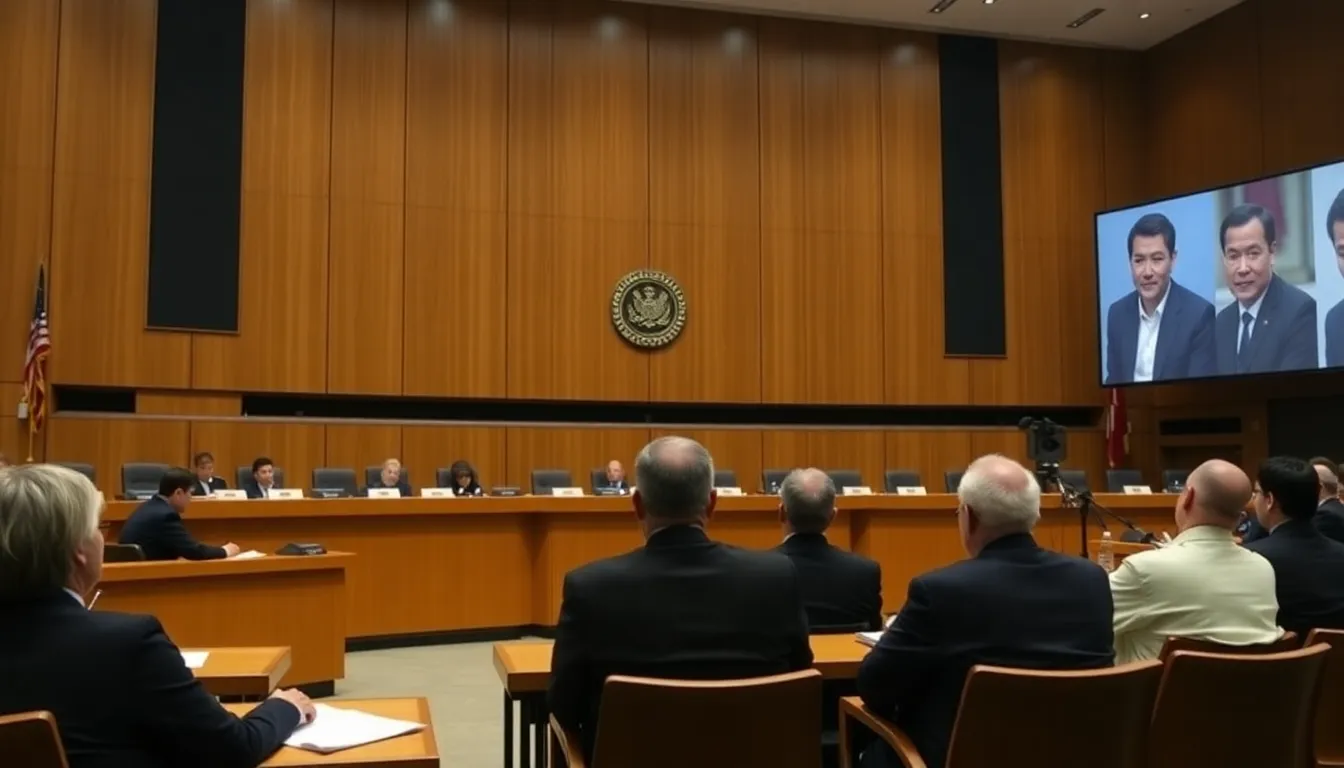
Duterte’s promise to eradicate drugs within a few months resonated with many Filipinos who were desperate for change and security, showcasing the complexities of governance in the Philippines.
Key Milestones in the Drug War
One of the pivotal moments in Duterte’s drug war was the launch of “Oplan Tokhang,” a campaign initiated shortly after he took office. This program involved police visiting homes of suspected drug users and dealers to encourage them to surrender. However, it quickly escalated into a violent crackdown, leading to widespread allegations of police abuses. Reports from human rights groups indicated that thousands of individuals were killed in police operations, raising alarm both domestically and internationally.
International bodies, including the United Nations and the International Criminal Court (ICC), began to take notice of the situation, with calls for investigations into possible crimes against humanity. In 2021, the ICC announced it would probe Duterte’s drug war, citing credible evidence of widespread killings and abuses. This move marked a significant development in the ongoing discourse surrounding human rights in the Philippines and highlighted the complexities of Duterte’s legacy as he faced accountability for his administration’s actions.
As the ICC hearings begin, they reflect not only on Duterte’s presidency but also on the broader implications for governance and human rights in the Philippines. The outcome of these proceedings could influence future political dynamics and public perceptions of law enforcement practices in the country, as well as the international community’s approach to human rights violations globally.
Key stakeholders and issues in the ICC proceedings
The ongoing proceedings at the International Criminal Court (ICC) regarding former Philippine President Rodrigo Duterte involve several key stakeholders, including various international human rights organizations that have called attention to the alleged crimes.
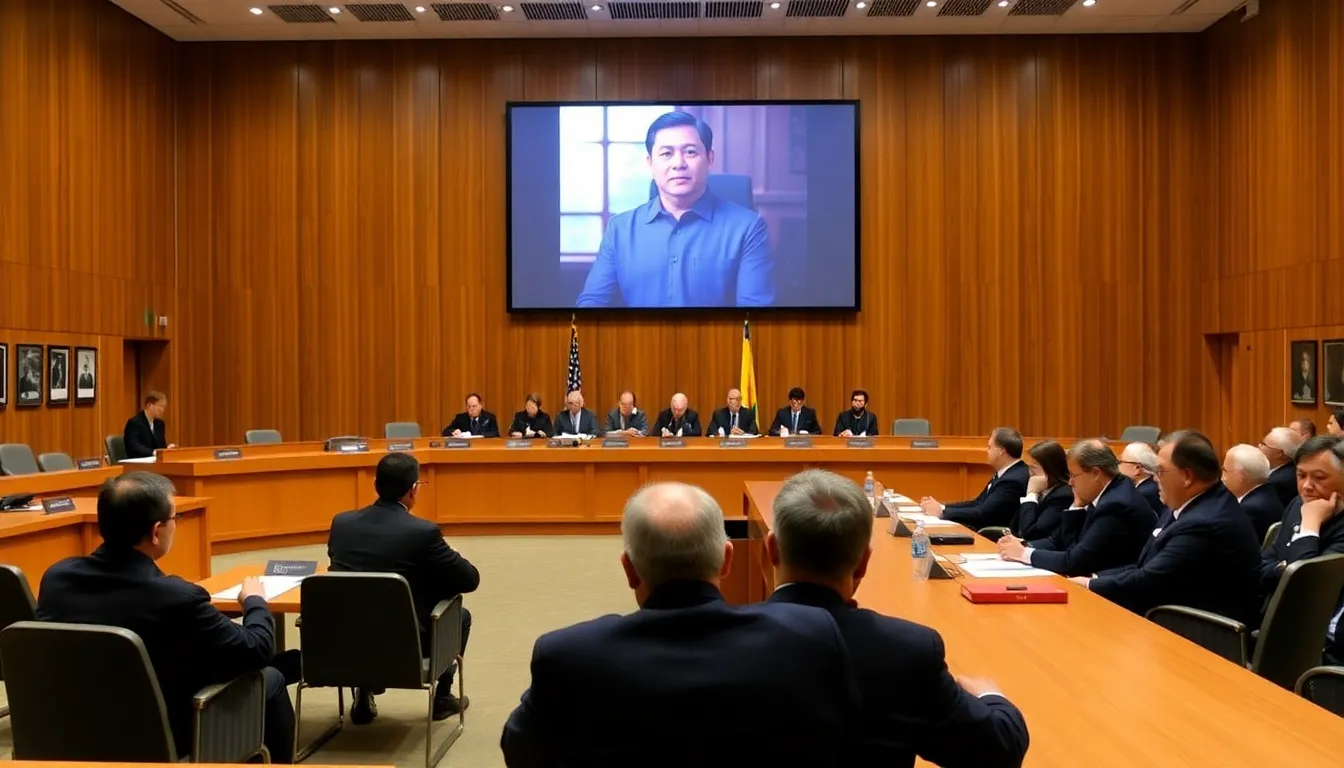
The ICC is tasked with investigating and prosecuting individuals for serious crimes, including war crimes and crimes against humanity. In this case, the court’s interest lies in upholding international law and ensuring accountability for alleged extrajudicial killings during Duterte’s controversial war on drugs. The ICC’s actions reflect its broader mandate to deter future violations and promote justice globally.
The Philippine government, under President Ferdinand Marcos Jr., faces a complex dilemma. While it has expressed a desire to assert sovereignty and resist international intervention, there is also pressure to address human rights concerns raised by both domestic and international actors. Balancing national pride with the need for accountability presents a significant challenge for the administration.
Victims and their advocates are critical stakeholders in this situation. They seek justice and recognition for the abuses suffered during Duterte’s presidency. Their interests include obtaining reparations and ensuring that such violations do not occur in the future. The emotional and social ramifications of the alleged crimes have galvanized support for accountability among various segments of Philippine society.
- International Human Rights Organizations: Groups like Human Rights Watch and Amnesty International are advocating for the ICC’s intervention, emphasizing the need for justice and accountability.
- Domestic Political Dynamics: The case has implications for the current administration’s legitimacy and its relationship with international partners.
- Legal Precedents: The proceedings may set significant legal precedents regarding state sovereignty and the jurisdiction of international courts over national leaders.
- Public Opinion: The perception of the ICC’s actions among the Filipino population could influence future political landscapes and human rights policies.
Potential impact on the Philippines and international law
The ongoing hearings by the International Criminal Court (ICC) regarding former Philippine President Rodrigo Duterte’s alleged human rights violations are poised to affect various groups within the country and beyond. Key stakeholders include the Filipino population, human rights organizations, and international diplomatic entities. The implications of these hearings extend to the political landscape, public perception, and the business environment in the Philippines.
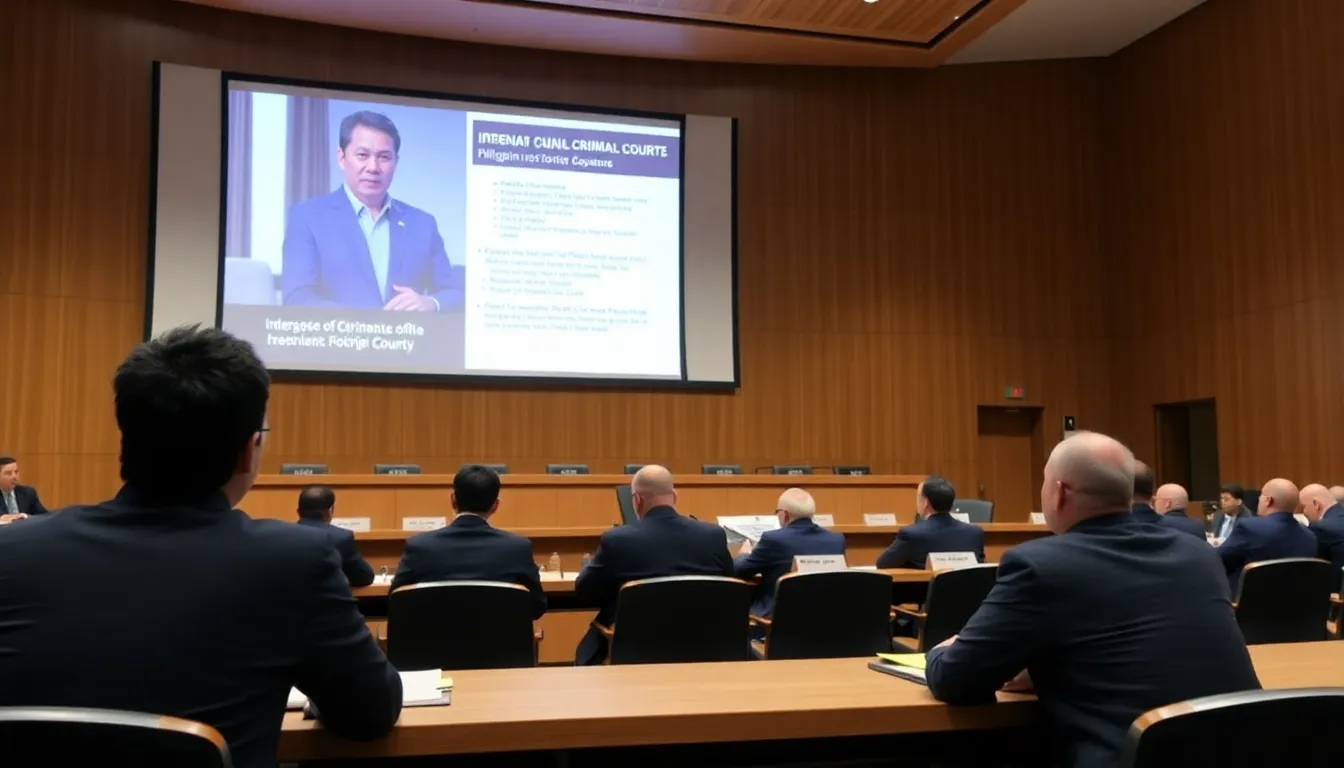
In the short term, the hearings could lead to increased political tension as supporters and opponents of Duterte mobilize around the proceedings. This may manifest in public protests or counter-protests, affecting daily life in urban areas. Businesses, particularly those in tourism and retail, might experience fluctuations in consumer behavior as public sentiment sways. Additionally, there may be heightened scrutiny on law enforcement practices, impacting local governance and public safety initiatives.
In the mid-term, the outcomes of these hearings could influence policy changes, particularly in human rights legislation and law enforcement protocols. If the ICC finds sufficient evidence against Duterte, it may pressure the Philippine government to address systemic issues within its justice system. This could lead to reforms that enhance accountability and transparency, fostering a more stable environment for local and foreign investments.
- Human Rights Organizations: Increased advocacy and funding opportunities as global attention shifts to the Philippines.
- Political Climate: Potential shifts in power dynamics as opposition groups gain momentum.
- Business Environment: Opportunities for companies focused on ethical practices and human rights compliance.
- International Relations: Possible sanctions or diplomatic actions from other nations based on the ICC’s findings.
While the hearings pose risks of unrest and economic instability, they also present opportunities for positive change. A renewed focus on human rights could enhance the Philippines’ international standing and attract investment from entities prioritizing ethical governance. As the situation evolves, stakeholders must navigate the complexities of these developments, balancing risks with the potential for significant reform.
A: Duterte is facing charges related to crimes against humanity due to his administration’s anti-drug campaign, which allegedly resulted in thousands of extrajudicial killings. A: The ICC’s involvement signifies an international effort to hold leaders accountable for human rights violations, which could influence global norms regarding state conduct. A: The Philippine government has rejected the ICC’s jurisdiction and has previously stated that it will not cooperate with the investigation. A: If found guilty, Duterte could face international arrest warrants and may be barred from traveling to countries that recognize the ICC. A: The ongoing ICC case could tarnish Duterte’s legacy, as it brings international scrutiny to his controversial policies and governance style.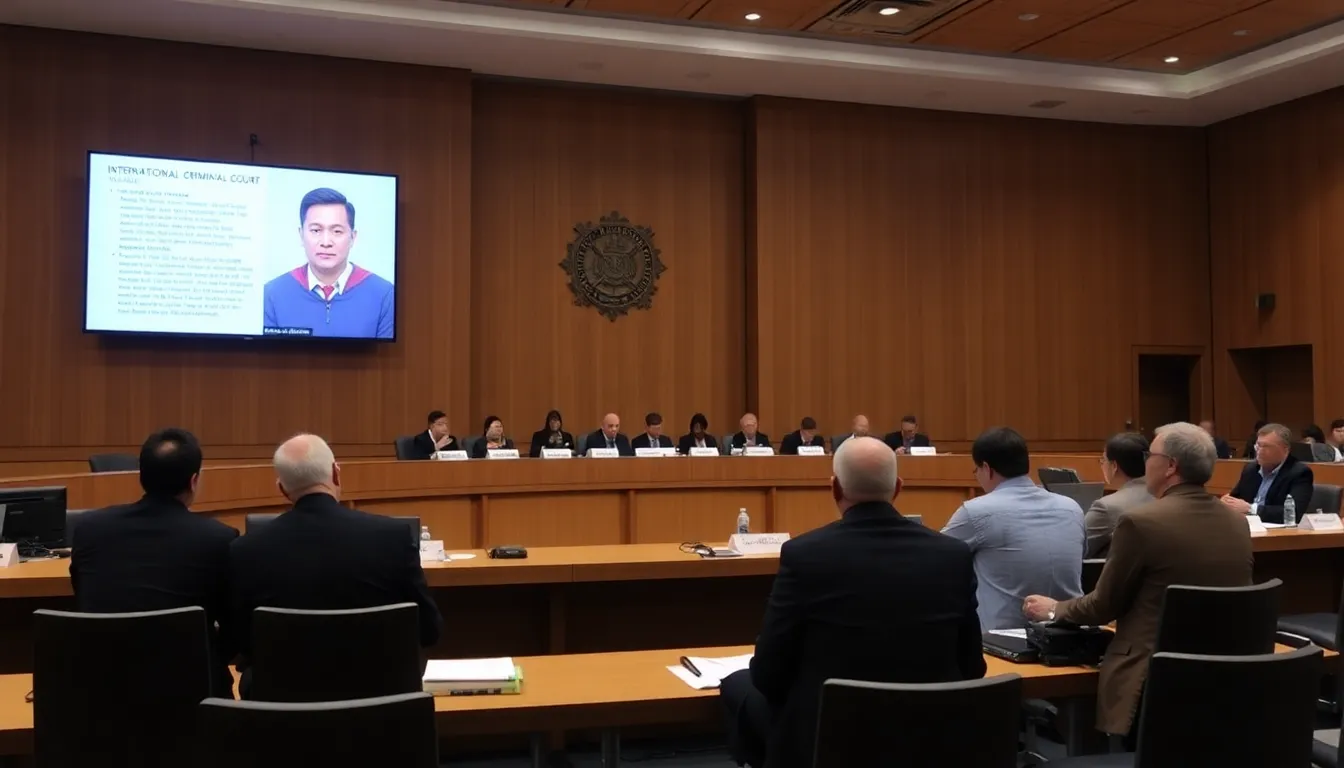
Frequently asked questions about the ICC case
Key points and outlook on the ICC proceedings
The proceedings against former Philippine President Rodrigo Duterte at the International Criminal Court (ICC) mark a significant moment in international law and human rights advocacy. As the ICC hears charges related to alleged human rights violations during Duterte’s controversial war on drugs, the outcome could have far-reaching implications not only for the Philippines but also for global accountability mechanisms. Observers are keenly watching how these proceedings unfold, as they may set precedents for future cases involving state leaders accused of similar crimes.
In the coming months, the international community will be attentive to the ICC’s decisions and the responses from the Philippine government and Duterte’s supporters. The situation could influence public sentiment, legal frameworks, and diplomatic relations in the region and beyond, highlighting the complexities of enforcing international justice.
- The ICC’s decision may invigorate human rights activism in the Philippines and other nations facing similar issues.
- Potential repercussions for Duterte’s political allies and their future roles in Philippine governance could emerge, affecting local political dynamics.
- International reactions, particularly from powerful nations, will play a crucial role in shaping the ICC’s effectiveness and legitimacy.
- The proceedings could encourage other nations to reconsider their own stances on accountability for human rights violations.
- Future cases brought before the ICC may draw inspiration from this landmark trial, influencing the trajectory of international law.