
As of October 2023, the tech industry has spent over $100 million on lobbying activities, a significant increase compared to previous years. This spending is directed towards influencing key policymakers and shaping public opinion regarding the implications of social media bans. Notably, the American Legislative Exchange Council (ALEC) has been a focal point for these lobbying efforts, as it drafts model legislation that many states are considering adopting.
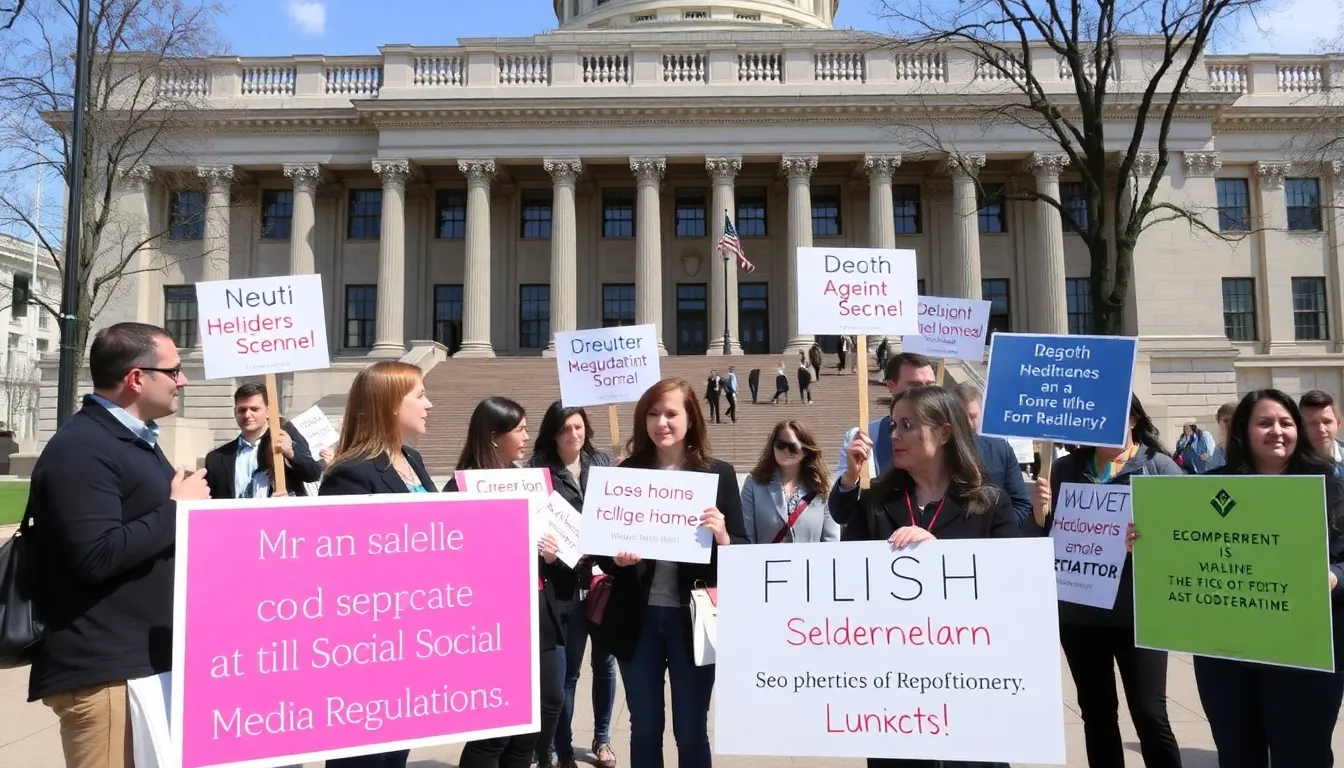
In addition to financial investments, tech companies are also leveraging grassroots campaigns to sway public sentiment. They are promoting narratives that emphasize the potential negative impacts of social media restrictions on free speech and innovation. By engaging with local communities and utilizing social media platforms themselves, these companies aim to galvanize support against what they term as overreach by government entities.
The stakes are high, as the outcomes of these lobbying efforts could set precedents for how social media companies operate in the future. If successful, these initiatives could lead to a more favorable regulatory environment, allowing tech giants to maintain their current business models without significant alterations. Conversely, failure to influence legislation could result in stricter regulations that fundamentally change the landscape of social media in the United States.
Recommended Articles
- Instagram Chief Claims Social Media Is Not Clinically Addictive in Landmark Trial
- Review of Billy Preston as a Unique and Tortured Talent
- China's Strategic Moves Against Japan and PM Takaichi's Response
- Exploring the Latest Trends in Technology Now
- Keir Starmer addresses online abuse of women by tech firms
- Instagram Chief Claims Social Media Is Not Clinically Addictive in Landmark Trial
- Review of Billy Preston as a Unique and Tortured Talent
- China's Strategic Moves Against Japan and PM Takaichi's Response
- Exploring the Latest Trends in Technology Now
- Keir Starmer addresses online abuse of women by tech firms
Understanding the historical context of tech lobbying
The evolution of technology and its integration into daily life has been paralleled by the rise of lobbying efforts from major tech companies. In the early 2000s, as the internet began to transform communication and commerce, companies like Google, Facebook, and Amazon recognized the need to influence legislation that could impact their growth and operational models. This marked the beginning of a concerted effort to shape policies that govern digital platforms, particularly as concerns over privacy, data security, and content moderation intensified.
In 2012, the introduction of the Stop Online Piracy Act (SOPA) and the Protect IP Act (PIPA) served as pivotal moments that galvanized tech companies to mobilize against perceived overreach by lawmakers. The backlash against these proposed laws highlighted the power of grassroots activism, leading to significant public outcry and ultimately the withdrawal of these bills. This incident underscored the importance of lobbying in the tech sector and set a precedent for future engagements between tech giants and policymakers.
As social media platforms grew in influence, so did scrutiny over their role in society. Issues such as misinformation, hate speech, and user privacy led to calls for regulation. In response, tech companies ramped up their lobbying efforts, aiming to shape legislation that would mitigate potential bans and restrictions on their platforms. This included hiring former lawmakers and policy experts to navigate the complex political landscape, ensuring that their interests were represented in discussions about regulation.
The Economic Stakes of Tech Lobbying
The economic implications of tech lobbying cannot be overstated. The digital economy has become a cornerstone of global growth, with companies like Facebook and Google generating billions in revenue and employing millions worldwide. As such, the stakes are high; any legislation that could hinder their operations poses a significant threat to their business models. Consequently, the tech industry has invested heavily in lobbying efforts to protect its interests, recognizing that favorable regulations can lead to sustained profitability and market dominance.
Key stakeholders and issues in the lobbying landscape
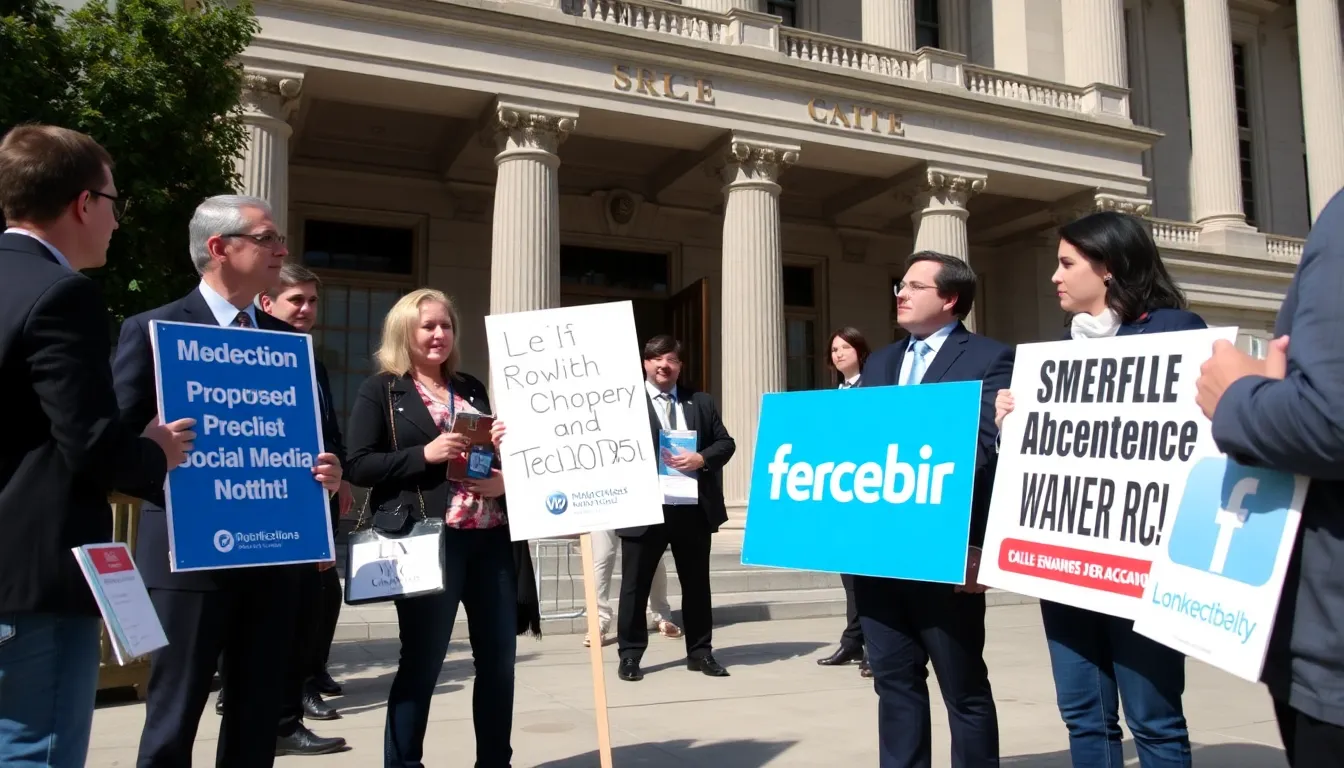
As the debate over social media bans intensifies, a complex web of stakeholders emerges, each with distinct interests and motivations. The primary actors in this landscape include major technology companies, government regulators, civil society organizations, and the general public. Understanding these stakeholders is crucial to grasping the dynamics at play in the lobbying efforts aimed at influencing policy decisions.
Big Tech companies such as Google, Facebook, and Twitter are at the forefront of lobbying efforts against social media bans. Their primary interest lies in maintaining operational freedom and minimizing regulatory constraints that could hinder their business models. These companies argue that excessive regulation could undermine innovation and limit user access to diverse perspectives.
On the other hand, government regulators and lawmakers are tasked with balancing the interests of the public and the tech industry. They face pressure to address concerns about misinformation, hate speech, and the overall impact of social media on society. This creates a tension between the need for regulation and the desire to foster a competitive tech environment.
- Conflicting Interests: The interests of Big Tech often clash with public concerns over safety and misinformation.
- Economic Trade-offs: Stricter regulations could lead to economic repercussions for tech companies, potentially affecting jobs and innovation.
- Legal Challenges: Lobbying efforts may involve legal battles over the interpretation of free speech and the responsibilities of social media platforms.
- Public Sentiment: The general public’s views on social media regulation can sway political decisions, adding another layer of complexity to the lobbying efforts.
Civil society organizations also play a significant role, advocating for transparency and accountability in how social media platforms operate. Their interests often align with those of the public, pushing for regulations that prioritize user safety and ethical standards. This creates an additional layer of conflict, as these organizations may oppose the lobbying efforts of Big Tech companies, viewing them as attempts to evade responsibility.
Who is affected by these lobbying efforts and their market implications
The ongoing lobbying efforts by major tech companies to halt social media bans have far-reaching implications for various groups and industries. Primarily, the technology sector, including social media platforms, digital marketing agencies, and e-commerce businesses, stands to be significantly impacted. Additionally, consumers and content creators are also crucial stakeholders in this evolving landscape.
In the short term, businesses relying on social media for advertising and customer engagement may experience a sense of relief as lobbying efforts aim to maintain their operational frameworks. This could lead to increased advertising budgets and a surge in digital marketing activities. However, there is also a risk that prolonged lobbying may create an unstable regulatory environment, causing uncertainty for businesses that depend on clear guidelines.
Mid-term impacts could manifest in shifts in public policy, potentially resulting in more lenient regulations for tech companies. This may encourage innovation and growth within the industry, allowing companies to explore new revenue streams. However, it could also lead to a lack of accountability regarding content moderation and user safety, raising concerns among consumers and advocacy groups.
- Risks: Potential for increased misinformation and harmful content on platforms.
- Opportunities: Enhanced innovation and growth in the tech sector.
- Risks: Regulatory uncertainty affecting business planning and investment.
- Opportunities: Expanded market reach and advertising potential for businesses.
Regions with a heavy concentration of tech companies, such as Silicon Valley, are likely to feel the most immediate effects of these lobbying activities. Local economies may benefit from job creation and investment, but the broader societal implications of reduced regulation could ignite public backlash and calls for accountability.
Frequently asked questions about Big Tech lobbying
A: The primary goals include preventing regulations that could impose social media bans and protecting their business interests. They aim to influence policymakers to create a favorable regulatory environment.
A: Tech companies employ various strategies, including direct engagement with lawmakers, funding advocacy groups, and utilizing public relations campaigns to shape public opinion.
A: Lobbying can significantly sway legislative outcomes, often leading to more lenient regulations for tech companies. This can result in a lack of accountability for harmful content on social media platforms.
A: Yes, there have been instances where lobbying efforts have successfully delayed or altered proposed regulations that would restrict social media operations, showcasing the power of these lobbying tactics.
A: Unchecked lobbying can lead to a regulatory environment that prioritizes corporate interests over public safety, potentially exacerbating issues like misinformation and harmful content online.
Key takeaways and future outlook on tech lobbying
The ongoing efforts by major tech companies to influence legislation surrounding social media bans highlight the intricate relationship between technology and policy. As these corporations navigate the complex landscape of public opinion and regulatory frameworks, their lobbying strategies will likely evolve, adapting to the shifting priorities of lawmakers and the public. This dynamic underscores the importance of vigilance in monitoring how these lobbying efforts may shape future regulations and public discourse.
Looking ahead, stakeholders must remain aware of the implications of tech lobbying on social media governance. The potential for increased regulation or, conversely, the entrenchment of the status quo will depend significantly on the effectiveness of these lobbying campaigns and the responses from policymakers and advocacy groups.
- Watch for shifts in public sentiment regarding social media regulation, which may influence lobbying strategies.
- Monitor the outcomes of key legislative proposals that could either strengthen or weaken social media oversight.
- Consider the role of grassroots movements and public advocacy in countering corporate lobbying efforts.
- Stay informed about alliances formed between tech companies and other industries that may impact lobbying effectiveness.
- Anticipate potential changes in the regulatory landscape as lawmakers respond to lobbying pressures and public demands.