
In a recent hearing at the International Criminal Court (ICC), prosecutors argued that Duterte is at the “very heart” of these operations, which they claim constitute crimes against humanity. The ICC’s investigation into the alleged abuses began in February 2018, but was suspended in November 2021 amid the Philippines’ withdrawal from the court. For further context on similar issues, you can read about Understanding the Persistence of Food Fraud in a Technological Era.
Despite the withdrawal, the ICC has continued to explore the extent of the violence and the role of high-ranking officials in orchestrating the crackdown. As of now, the Philippine government has maintained its stance that the campaign is a legitimate law enforcement effort aimed at combating drug-related crime.
The situation remains fluid, with ongoing debates about accountability and justice for the victims of the drug war. Activists and human rights advocates continue to call for international intervention, emphasizing the need for a thorough investigation into the alleged human rights violations that have occurred during Duterte’s presidency.
Understanding the background of Duterte’s drug war
The war on drugs in the Philippines, initiated by President Rodrigo Duterte in 2016, is rooted in a complex interplay of historical, political, and social factors. The Philippines has long struggled with issues of crime, poverty, and drug abuse, which have been exacerbated by decades of political instability and corruption. Duterte’s rise to power was marked by his promise to tackle these pervasive issues head-on, appealing to the public’s desire for safety and order.
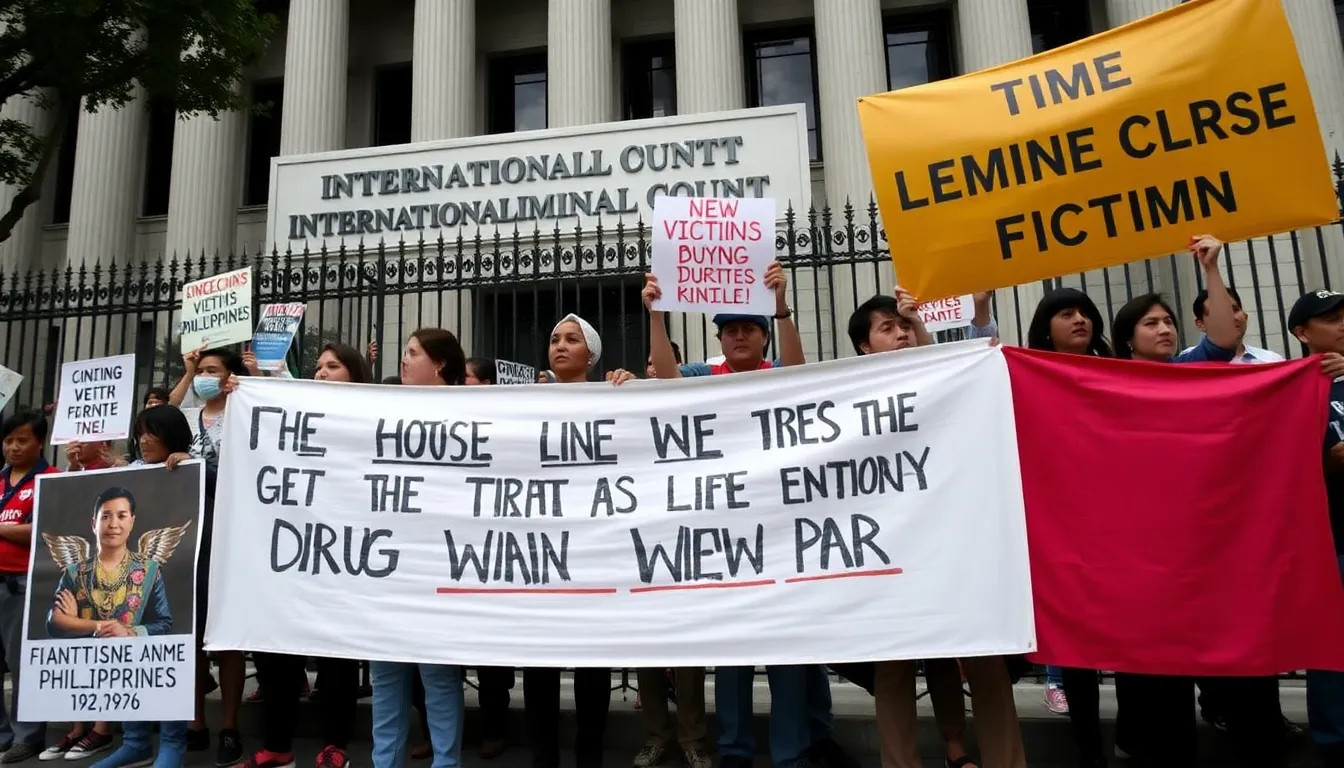
Historically, the Philippines has faced challenges with illegal drug trade, particularly with methamphetamine, known locally as “shabu.” The drug problem intensified during the late 1990s and early 2000s, leading to increasing violence and crime rates. As a mayor of Davao City, Duterte gained notoriety for his tough stance on crime, which included extrajudicial killings. This approach resonated with voters who were desperate for change, ultimately leading to his election as president.
The Role of the International Community
As Duterte’s drug war escalated, it drew international condemnation for its human rights violations, including allegations of extrajudicial killings. The United Nations and various human rights organizations have raised concerns about the lack of due process and the targeting of vulnerable populations. In response, Duterte has frequently dismissed these criticisms, framing them as interference in Philippine sovereignty, which has further polarized opinions both domestically and abroad. This situation parallels other cases, such as Bayer’s proposed $7.25 billion settlement for weedkiller cancer claims, which highlights accountability issues in corporate practices.
Key milestones in this narrative include the establishment of the Philippine National Police’s anti-drug operations, which have resulted in thousands of deaths. The International Criminal Court (ICC) has launched an investigation into the drug war, examining whether Duterte and his administration can be held accountable for crimes against humanity. This investigation represents a significant moment in the ongoing debate over the legality and morality of Duterte’s methods and the broader implications for governance and human rights in the Philippines.
Key stakeholders and issues surrounding the ICC’s findings
The ongoing investigation by the International Criminal Court (ICC) into the drug-related killings in the Philippines has brought several key stakeholders to the forefront. These include the Philippine government led by former President Rodrigo Duterte, human rights organizations, the ICC itself, and the Filipino populace affected by the violence. Each of these actors has distinct interests and concerns regarding the implications of the ICC’s findings.
Rodrigo Duterte, who served as President from 2016 to 2022, is a central figure in the drug crackdown that has resulted in thousands of deaths. His administration’s hardline approach aimed to eradicate illegal drugs, which resonated with many Filipinos concerned about crime and drug abuse. However, this strategy has been widely criticized for its alleged human rights violations, creating a significant conflict between state interests and international human rights norms.
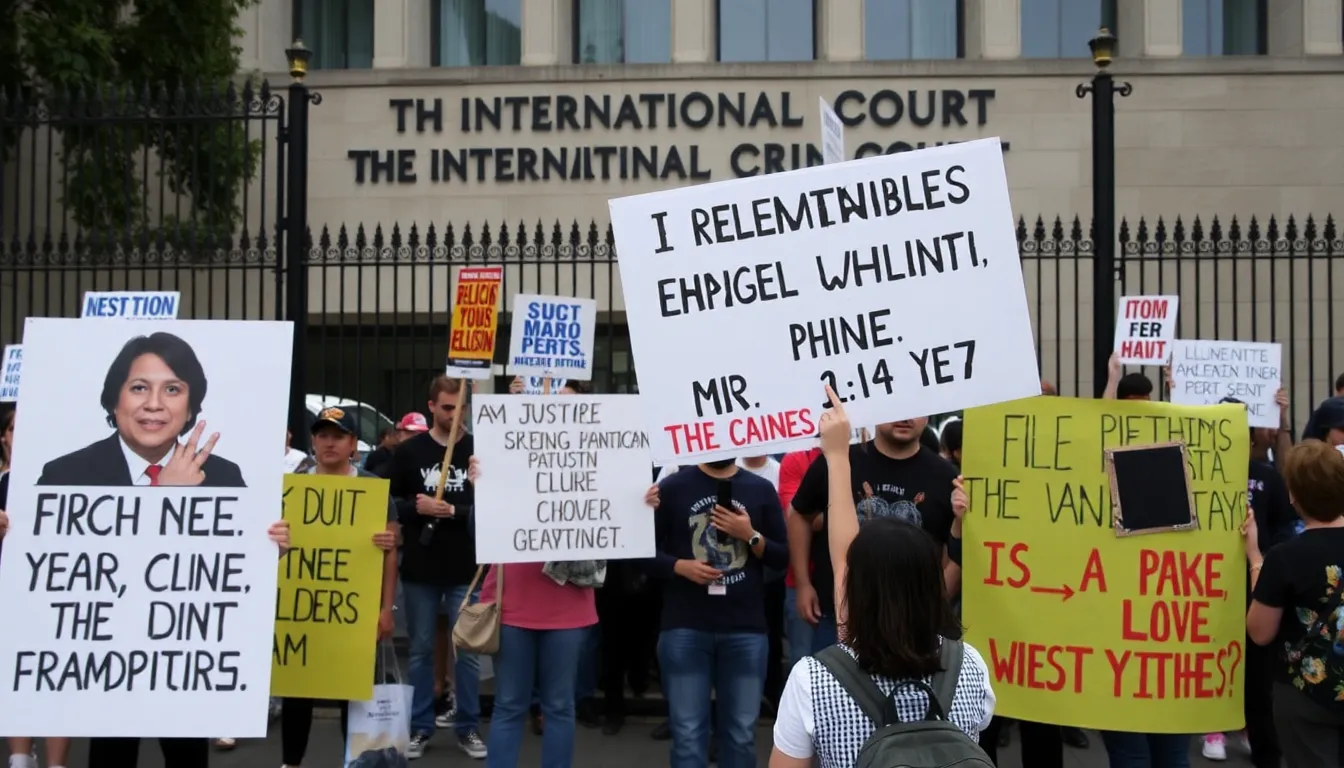
Human rights organizations, both local and international, have been vocal in their condemnation of the extrajudicial killings associated with Duterte’s anti-drug campaign. They argue that these actions violate fundamental human rights and call for accountability. Their advocacy represents a push for justice and the protection of civil liberties, which often clashes with the government’s narrative of national security and public safety.
- Legal Implications: The ICC’s investigation raises questions about the sovereignty of the Philippine legal system and the potential for international intervention in domestic affairs.
- Economic Concerns: The ongoing scrutiny may affect foreign investment and aid, as nations reassess their relationships with the Philippines based on human rights practices.
- Public Sentiment: The Filipino populace remains divided, with some supporting Duterte’s policies while others demand accountability and reform.
- International Relations: The findings could strain the Philippines’ relations with countries that prioritize human rights, particularly in the West.
As the ICC continues its investigation, the interplay between these stakeholders will shape the future of drug policy in the Philippines and influence broader discussions about human rights and governance in the region. The outcomes may set precedents for how similar situations are handled globally, highlighting the delicate balance between national sovereignty and international accountability. Recently, Spain’s initiative to investigate social media giants amid rising tech tensions serves as another example of accountability in complex governance.
The impact of the drug war on Filipino society and international relations
The brutal drug crackdowns initiated under former President Rodrigo Duterte have had profound effects on various segments of Filipino society. Families of those killed in the operations, particularly in impoverished communities, face devastating losses that ripple through their social fabric. The stigma associated with drug use and the violence surrounding the drug war has created a pervasive atmosphere of fear and distrust among citizens.
Industries such as healthcare and social services are also significantly impacted. The focus on law enforcement over rehabilitation has strained public health resources, limiting access to necessary mental health and addiction services. This shift can lead to long-term public health crises, as untreated substance abuse issues persist and escalate within communities.
In the short term, businesses in affected areas may experience decreased foot traffic and a decline in economic activity due to the climate of fear and instability. Additionally, international relations are strained as human rights organizations and foreign governments criticize the Philippines’ approach, potentially leading to sanctions or reduced foreign investment.
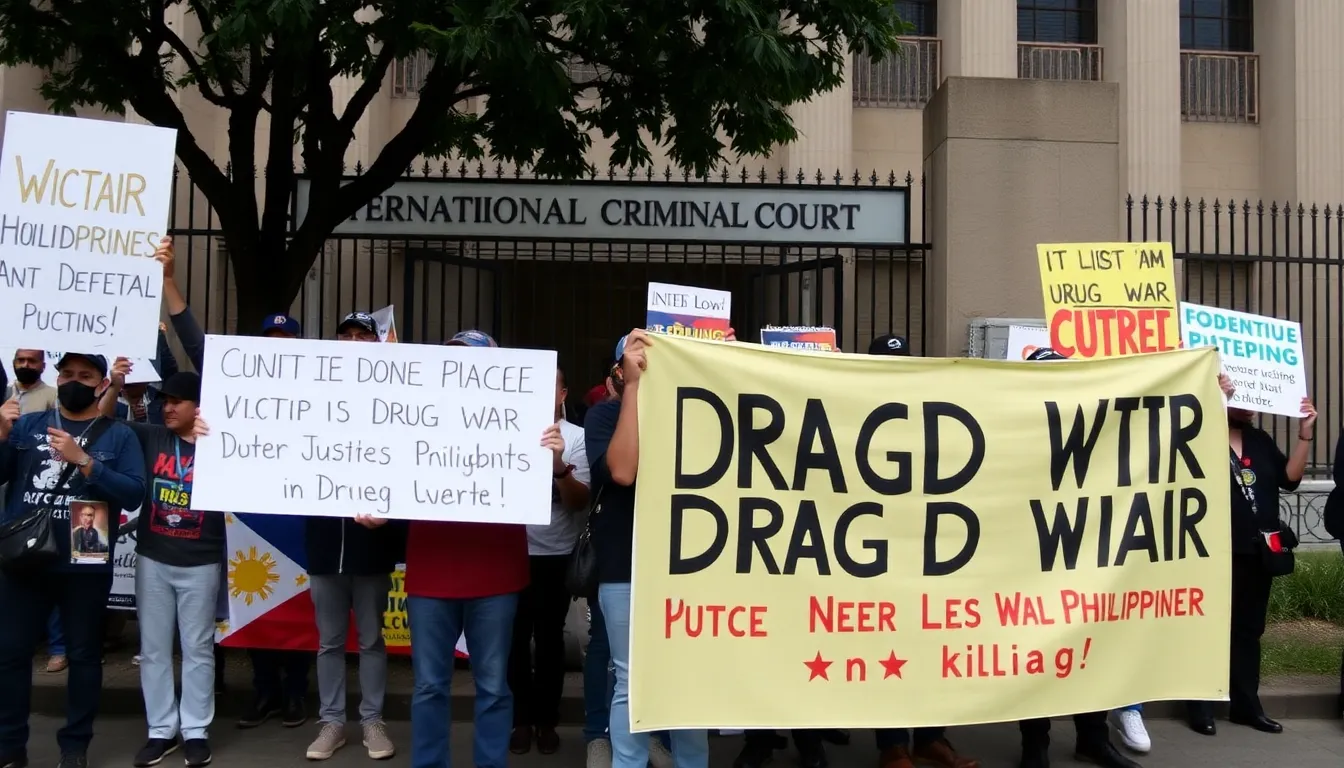
- Short-term impacts: Increased violence and instability in communities.
- Mid-term impacts: Long-term public health crises and economic decline.
- International relations risks: Potential sanctions and loss of foreign investment.
- Opportunities: Increased focus on human rights advocacy and potential for reform.
While the drug war has primarily been associated with negative outcomes, there are potential opportunities for reform and rehabilitation. Advocacy for human rights and drug policy reform is gaining traction, which could lead to more sustainable approaches to drug-related issues. This shift could foster a more supportive environment for individuals struggling with addiction and promote healthier communities in the long run.
A: The ICC is responsible for investigating allegations of crimes against humanity, including extrajudicial killings linked to Duterte’s drug crackdown. This involves collecting evidence and testimonies from various sources. A: The international community has expressed concern over human rights violations in the Philippines, with calls for accountability and investigations into the actions taken during the drug war. A: If the ICC finds sufficient evidence of crimes against humanity, Duterte could face prosecution, which may impact his legacy and the political landscape in the Philippines. A: Various NGOs and human rights organizations are providing support to the victims’ families, including legal assistance and advocacy for justice. A: The ICC is in the process of gathering evidence and testimonies, and the investigation is ongoing, with no final conclusions reached yet.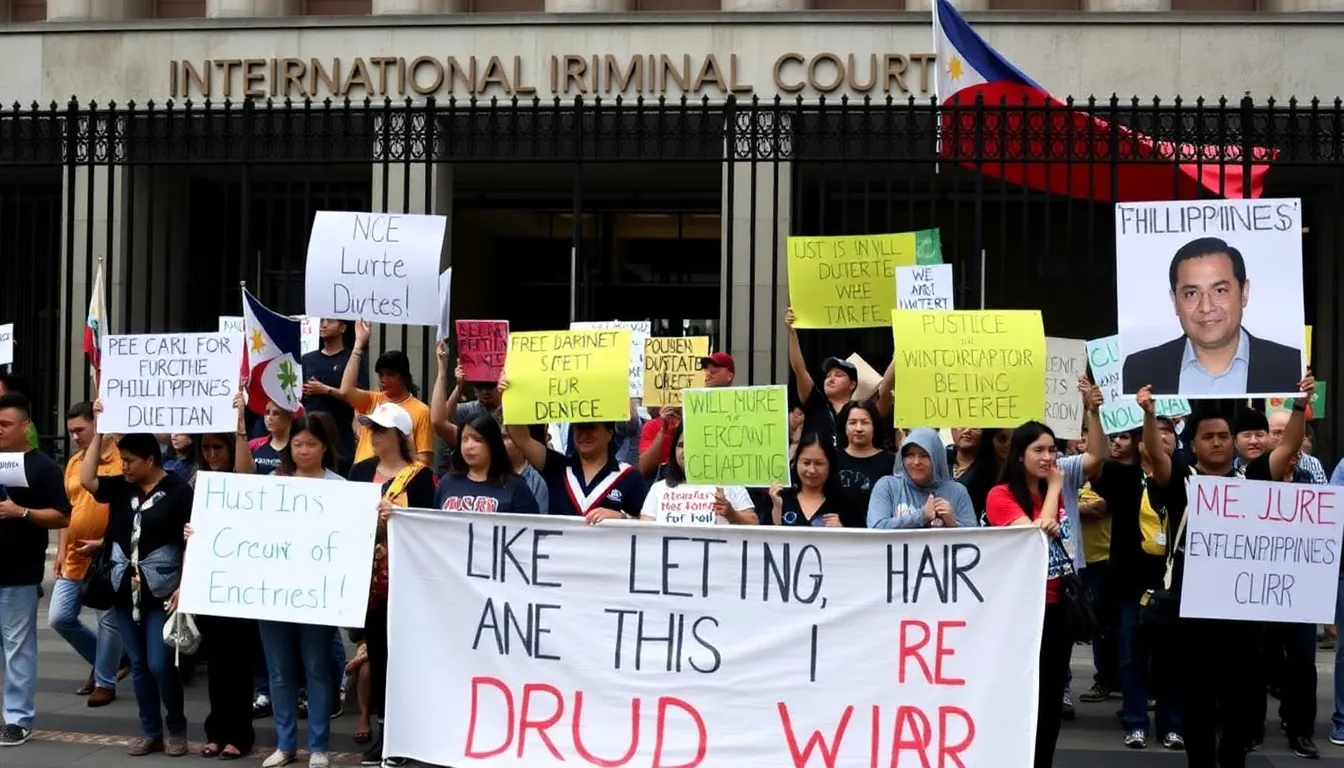
Frequently asked questions about the drug crackdown and ICC involvement
Key insights and future outlook on the drug war in the Philippines
The ongoing investigations by the International Criminal Court (ICC) into the drug war in the Philippines have brought renewed scrutiny to the actions of former President Rodrigo Duterte. As the ICC highlights Duterte’s central role in the alleged extrajudicial killings, the implications for the Philippines’ political landscape and international relations are significant. The situation raises questions about accountability, justice for victims, and the potential for future governance in a country grappling with the aftermath of such violent policies.
Moving forward, the response from the current administration and the international community will be critical in shaping the future of the drug war and human rights in the Philippines. Stakeholders must remain vigilant as developments unfold, particularly in terms of legal proceedings and public sentiment surrounding drug-related violence.
- Monitor the ICC’s proceedings and any potential impact on Duterte and his allies.
- Watch for shifts in public opinion regarding the drug war and its consequences on society.
- Observe how the current Philippine administration navigates international pressure and domestic concerns about drug-related violence.
- Consider the implications for human rights advocacy and the potential for reforms in law enforcement practices.
- Evaluate the role of international partnerships and aid in addressing the drug crisis and its humanitarian effects.