
The event is primarily driven by the melting snow and the sunlight reflecting off the water as it cascades down the cliff face. This optical illusion mimics the look of flowing lava, drawing attention to the natural beauty of the park and highlighting its geological features. For more on unique atmospheric conditions influencing natural events, see this article. The phenomenon typically peaks around mid to late February, making it a prime time for enthusiasts to witness this rare sight.
Park officials have noted an increase in visitor numbers during this period, as many travel specifically to experience the vibrant display. The phenomenon not only showcases the park’s natural wonders but also emphasizes the importance of conservation efforts to preserve such unique environments. To learn more about the implications of climate change, check out this related article. As climate change continues to impact weather patterns, the timing and visibility of this event may fluctuate in the coming years.
Photographers and nature lovers are encouraged to visit Yosemite during this window to capture the breathtaking spectacle. The park’s management is working to ensure that visitors can safely enjoy the experience while minimizing their impact on the delicate ecosystem. This extraordinary display serves as a reminder of the beauty and fragility of nature, inspiring a deeper appreciation for the environment.
Understanding the natural conditions behind the phenomenon
The recent spectacle of Yosemite’s waterfall appearing to turn molten orange has captivated nature enthusiasts and casual observers alike. This extraordinary phenomenon, often referred to as “firefall,” occurs under specific conditions that align with the natural elements of light and water. The event is closely tied to the angle of the sun, which illuminates the waterfall at just the right moment during the late afternoon in February, creating the illusion of flowing lava.
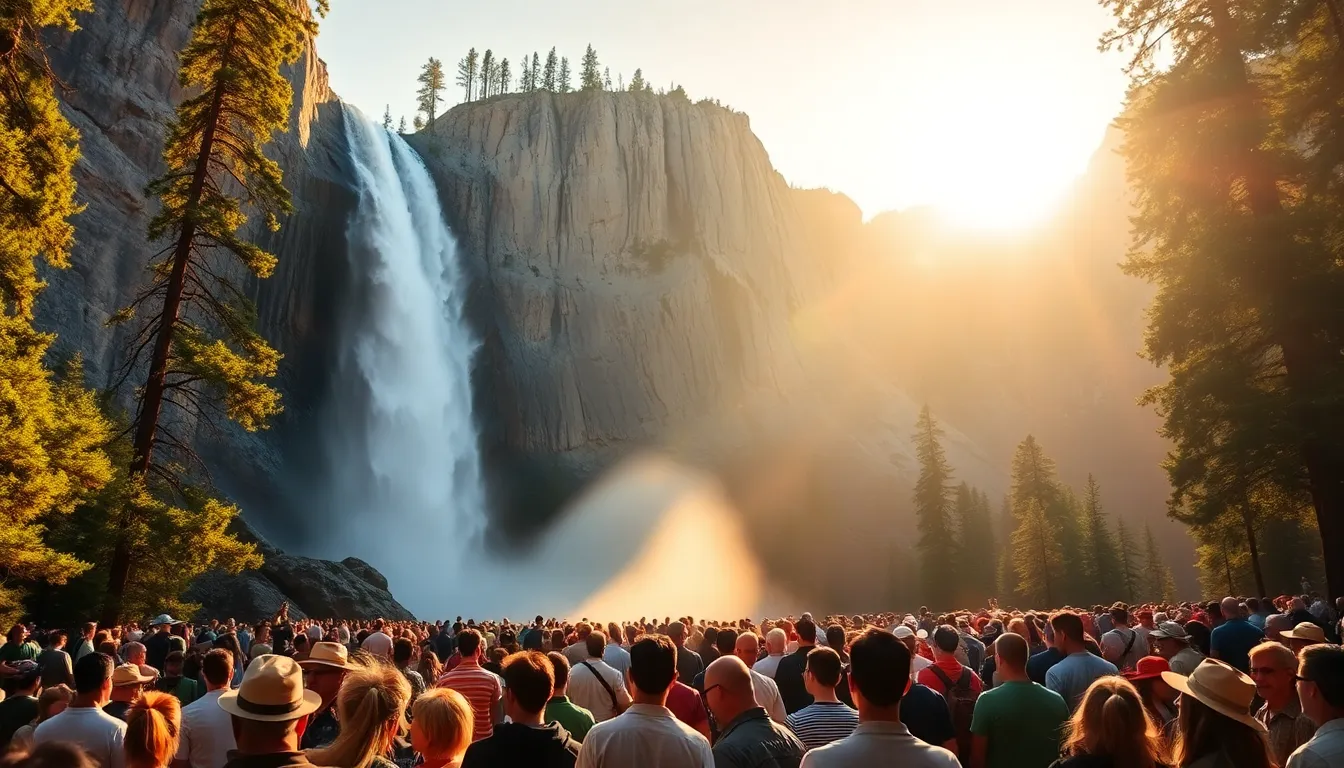
Historically, the firefall effect has been celebrated in Yosemite National Park, particularly at Horsetail Fall. This waterfall typically flows from late winter to early spring, coinciding with the melting of snow in the Sierra Nevada mountains. The natural beauty of this area has long been a draw for tourists and photographers, and the firefall phenomenon has become a hallmark of Yosemite’s winter landscape. For an example of how environmental issues can impact communities, read about the dart frog toxin incident.
The Role of Climate Change
In recent years, climate change has altered the patterns of snowfall and water flow in the region, raising concerns about the future of this iconic event. Warmer temperatures have led to earlier snowmelt, which can impact the timing and intensity of the waterfall’s flow. As a result, the window of opportunity to witness the firefall phenomenon may become narrower, prompting discussions about conservation efforts and the management of natural resources in national parks.
Moreover, the increased popularity of the firefall has resulted in a surge of visitors to Yosemite, leading to both economic benefits and challenges for the local community. While tourism provides vital revenue for the park and surrounding areas, it also raises questions about environmental sustainability and the preservation of natural landscapes. Balancing these interests is crucial for maintaining the integrity of Yosemite as a national treasure.
As we continue to observe the breathtaking beauty of nature, events like the molten orange waterfall serve as reminders of the delicate interplay between environmental conditions and human impact. Understanding the historical and ongoing factors that contribute to such phenomena can enhance our appreciation for the natural world and inform our efforts to protect it for future generations.
Exploring the implications for tourism and environmental awareness
The stunning visual of Yosemite’s waterfall turning molten orange has captured the attention of both tourists and environmentalists alike. This phenomenon, driven by unique atmospheric conditions, highlights the intersection of natural beauty and climate change, drawing various stakeholders into the conversation. Key actors include local tourism boards, environmental organizations, and government agencies, each with distinct interests and objectives.
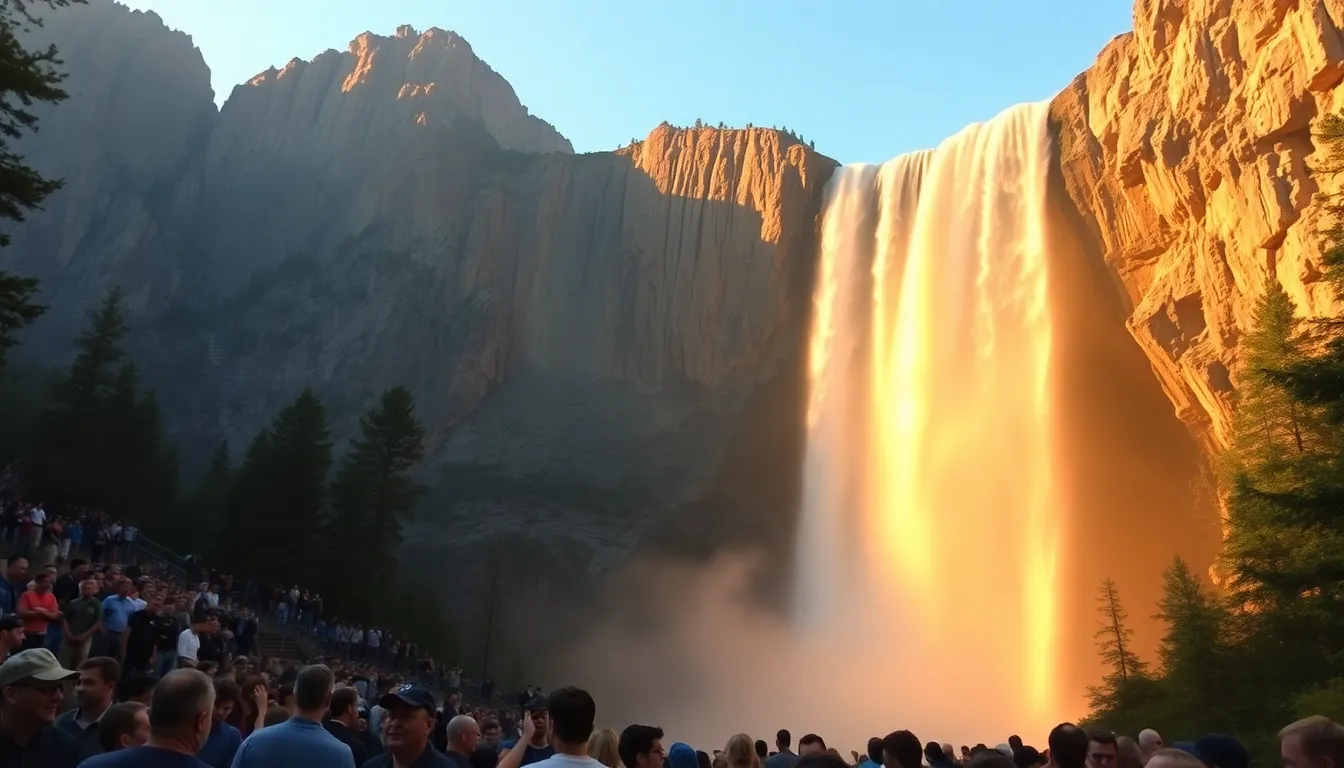
Tourism boards are keen to leverage this spectacle to boost visitor numbers and stimulate the local economy. The increased foot traffic can lead to higher revenues for local businesses, but it also raises concerns about the environmental impact of mass tourism. Balancing economic benefits with ecological preservation is a significant challenge that must be addressed.
Environmental organizations are focused on raising awareness about climate change and its effects on natural landscapes. The orange hue of the waterfall serves as a stark reminder of the ongoing environmental crises. These groups advocate for sustainable tourism practices and urge visitors to respect the delicate ecosystems that make such natural wonders possible.
- Conflict of Interests: The push for tourism growth may conflict with environmental conservation efforts.
- Economic Trade-offs: Increased tourism can lead to economic benefits but may also strain local resources and infrastructure.
- Legal Issues: Regulations may need to be updated to manage the influx of visitors and protect natural resources.
- Public Awareness: The phenomenon can serve as a catalyst for discussions on climate change and its local impacts.
- Stakeholder Collaboration: Successful management will require cooperation between tourism, environmental groups, and government entities.
As stakeholders navigate these complexities, it becomes clear that the molten orange waterfall is more than just a visual spectacle; it is a focal point for broader discussions about sustainability, conservation, and the future of tourism in natural spaces.
The effect on local communities and ecosystems
The recent phenomenon of Yosemite waterfall turning molten orange has drawn attention from various groups, particularly local communities, environmentalists, and the tourism industry. The striking visual has the potential to attract visitors, but it also raises concerns about the health of the ecosystem and the safety of those who venture into the area.
Local businesses that rely on tourism, such as hotels, restaurants, and tour operators, may experience a short-term surge in visitors eager to witness this unique event. However, this influx could also strain resources and infrastructure, leading to challenges in managing crowds and ensuring visitor safety.
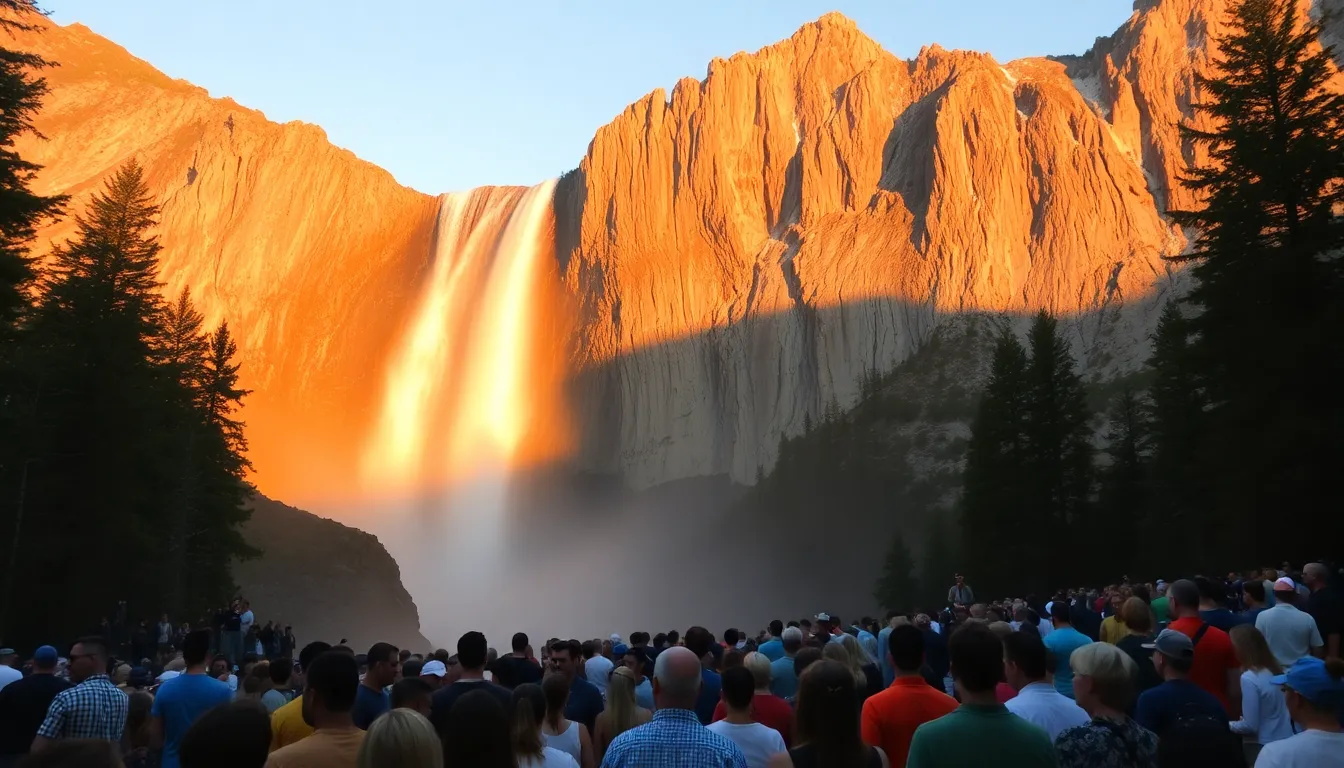
In the mid-term, the impact on local ecosystems could be significant. The change in water color may indicate shifts in water quality or temperature, potentially affecting wildlife habitats and plant life. Environmentalists are concerned about the long-term implications for biodiversity in the area.
- Increased tourism revenue for local businesses.
- Potential strain on park resources and infrastructure.
- Risks to local wildlife and ecosystems.
- Opportunities for environmental awareness campaigns.
Furthermore, policymakers may need to address the situation by implementing new regulations or measures to protect the environment while accommodating tourists. This could lead to discussions about sustainable tourism practices and conservation efforts in the region.
A: The orange color is a result of the sunset light reflecting off the waterfall, creating a stunning visual effect known as ‘firefall’. A: The best time to witness the orange glow is typically in mid to late February during sunset. A: No, the molten orange effect is temporary and only occurs under specific lighting conditions. A: Visitors are encouraged to stay on designated trails and follow park guidelines to ensure their safety while enjoying the view. A: While the phenomenon itself is natural, increased tourism can lead to environmental stress, making conservation efforts important.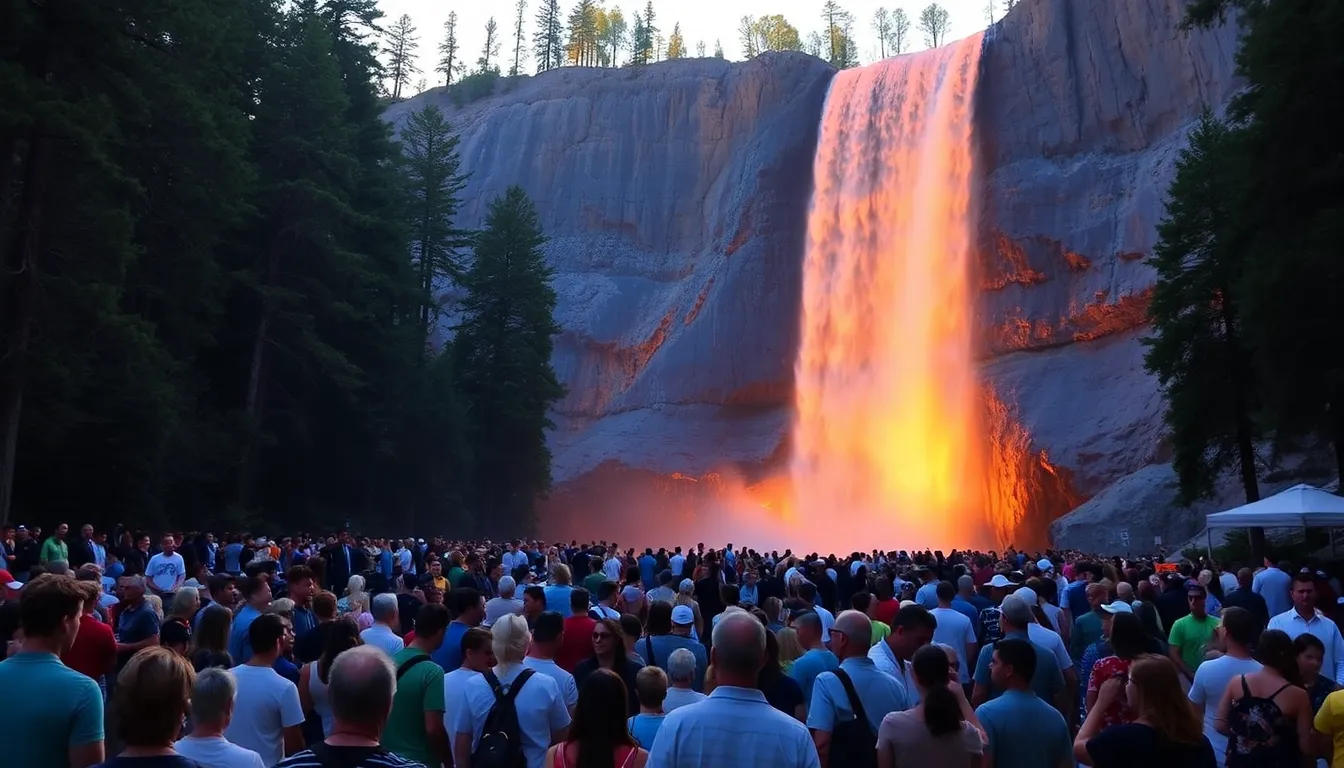
Frequently asked questions about the orange waterfall
Key takeaways and future outlook on this natural spectacle
The recent phenomenon of Yosemite’s waterfall transforming into a molten orange hue has captivated observers and ignited discussions about the interplay between natural beauty and environmental conditions. This unique event, driven by specific sunlight angles and seasonal factors, serves as a reminder of the dynamic nature of our landscapes and the intricate relationships within ecosystems.
As climate patterns continue to evolve, the implications for natural wonders like Yosemite are significant. Understanding these changes can help in conservation efforts and in preparing for future occurrences that may attract visitors and researchers alike.
- Monitor the impact of climate change on seasonal weather patterns that can influence natural phenomena.
- Consider how increased tourism during such events could affect local ecosystems and conservation efforts.
- Explore the potential for educational programs that leverage these spectacles to promote environmental awareness.
- Stay informed about ongoing research into the effects of natural events on biodiversity and habitat preservation.