
The proposed legislation sought to amend the Endangered Species Act, a key framework for protecting vulnerable wildlife. Supporters of the bill argued that it would streamline regulatory processes and reduce burdens on landowners and businesses, while opponents warned that it could lead to further decline of already at-risk species. For more on similar environmental issues, you can check out our article on A New Idea to Save the AMOC Dam the Bering Strait.
Environmental groups, including the Sierra Club and the National Wildlife Federation, expressed disappointment over the cancellation, emphasizing the importance of maintaining strong protections for endangered species in the face of climate change and habitat loss. They argue that weakening these protections could have dire consequences for biodiversity across the nation.
As discussions continue, the future of endangered species protections remains uncertain. The decision to halt the vote highlights the complex dynamics at play in Congress, where differing priorities around economic development and environmental conservation often clash.
Understanding the significance of the Endangered Species Act
The Endangered Species Act (ESA), enacted in 1973, represents a landmark piece of legislation aimed at protecting endangered and threatened species and their habitats. The act was born out of a growing awareness of the rapid decline in biodiversity and the extinction of numerous species due to human activities such as habitat destruction, pollution, and overexploitation. The ESA not only provides a framework for the conservation of these species but also emphasizes the importance of preserving ecosystems on which they depend. For a deeper understanding of the implications of such legislative actions, you may find it interesting to read about Donnie Wahlberg’s commitment to his community.
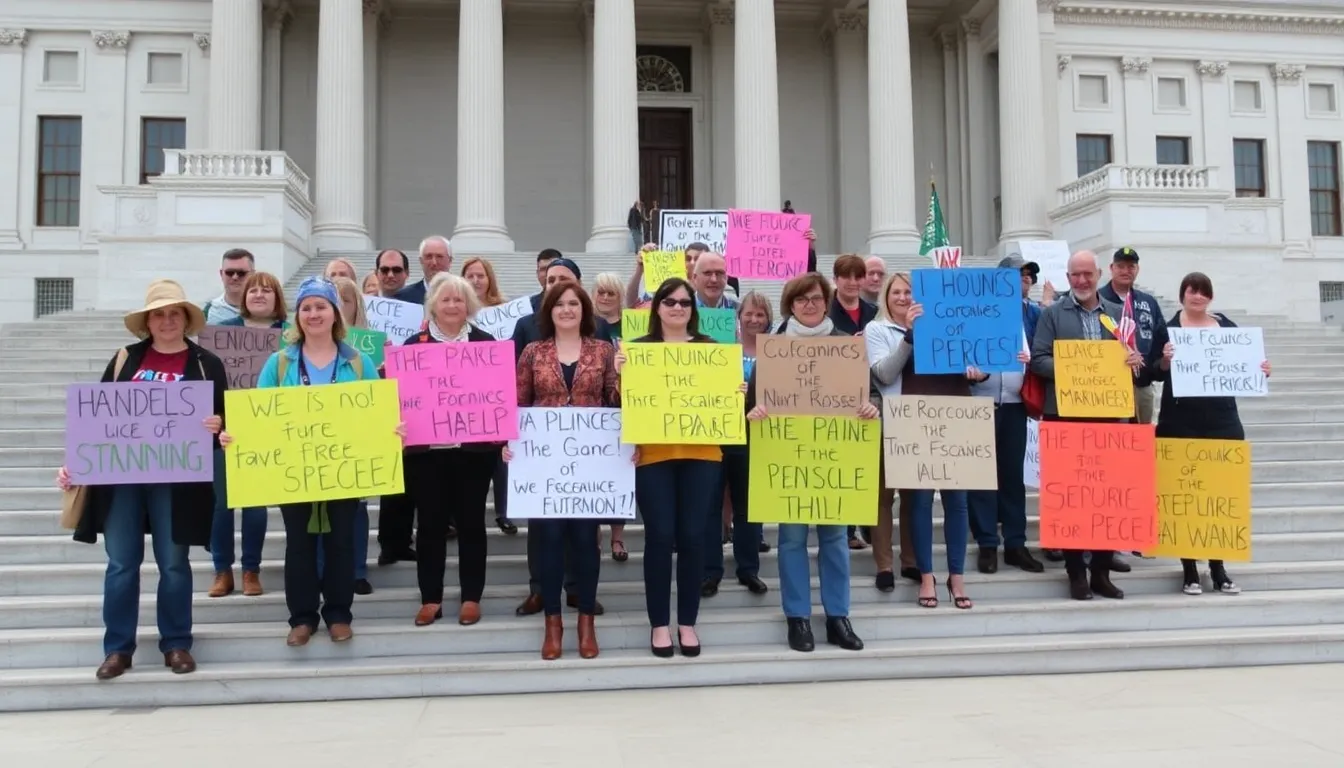
Over the decades, the ESA has played a crucial role in the recovery of several species, including the American bald eagle and the gray wolf, which were once on the brink of extinction. However, the act has also faced significant political contention, particularly from industries such as agriculture, forestry, and development, which argue that the regulations can hinder economic growth and land use. This tension between conservation efforts and economic interests has been a recurring theme in discussions surrounding the ESA.
Political Climate and Recent Developments
In recent years, the political landscape surrounding the ESA has shifted, with some lawmakers advocating for changes that would weaken protections for endangered species. The cancellation of the House vote on Earth Day reflects this ongoing debate, highlighting the conflicting priorities of environmental conservation and economic development. Critics of the proposed changes argue that they could undermine decades of progress in species recovery and threaten the delicate balance of ecosystems. To understand more about how public figures influence discussions on environmental issues, visit our article on Nikki Glaser’s willingness to roast Leonardo DiCaprio.
Key milestones in this ongoing struggle include various amendments and legal challenges to the ESA, which have shaped its implementation and effectiveness. The ongoing discussions around the act are not only a reflection of differing values regarding environmental stewardship but also illustrate the complex interplay between politics, economics, and social responsibility in the United States.
Key stakeholders and their positions on the proposed changes
The recent decision by the House to cancel a vote aimed at narrowing the protections for endangered species has drawn attention from various stakeholders, each with distinct interests and concerns. These stakeholders include government entities, environmental organizations, and industry representatives, all of whom play a pivotal role in the ongoing debate surrounding endangered species legislation.
One of the primary actors in this situation is the federal government, particularly the U.S. Fish and Wildlife Service, which is responsible for implementing the Endangered Species Act (ESA). The agency’s interest lies in maintaining robust protections for endangered species to ensure biodiversity and ecological health. However, some government officials argue that the current regulations are overly restrictive and hinder economic development, particularly in sectors like agriculture and energy.
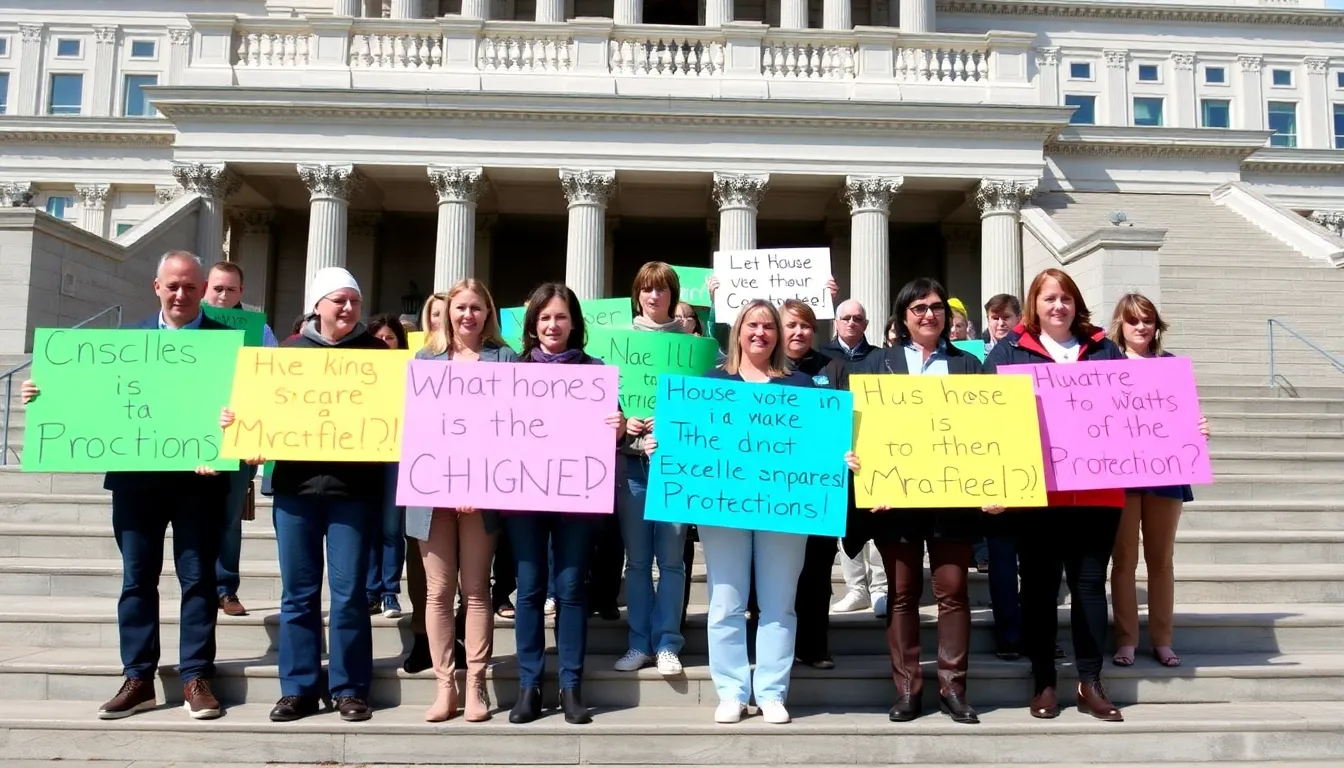
Environmental advocacy groups, such as the Sierra Club and the World Wildlife Fund, are staunch supporters of the existing protections. They argue that weakening the ESA would jeopardize vulnerable species and disrupt ecosystems. These organizations have mobilized public opinion against the proposed changes, emphasizing the long-term ecological consequences that could arise from reduced protections.
On the other side of the debate, industry stakeholders, including developers and agricultural associations, express concerns about the economic implications of stringent regulations. They argue that the current protections can lead to delays in projects and increased costs, which ultimately affect job creation and economic growth. This group advocates for a more balanced approach that considers both environmental and economic factors.
- The federal government aims to balance ecological health with economic interests.
- Environmental organizations emphasize the long-term benefits of strong species protections.
- Industry representatives seek to mitigate regulatory burdens that impact economic development.
- Public opinion is increasingly influential in shaping the dialogue around endangered species legislation.
- Legal challenges may arise as stakeholders navigate the complexities of the ESA and its implications.
Potential consequences for wildlife and conservation efforts
The cancellation of the House vote to narrow protections for endangered species has significant implications for various groups and industries. Environmental organizations, wildlife advocates, and local communities that rely on biodiversity are particularly affected. These stakeholders often work to preserve natural habitats and protect vulnerable species, making them critical to conservation efforts.
In the short term, the decision may lead to increased uncertainty for businesses operating in sectors such as agriculture, forestry, and real estate. Companies in these industries may face challenges in navigating existing regulations and could encounter delays in project approvals due to ongoing debates about species protection. This could result in a slowdown of development projects and economic activities in regions with endangered species.
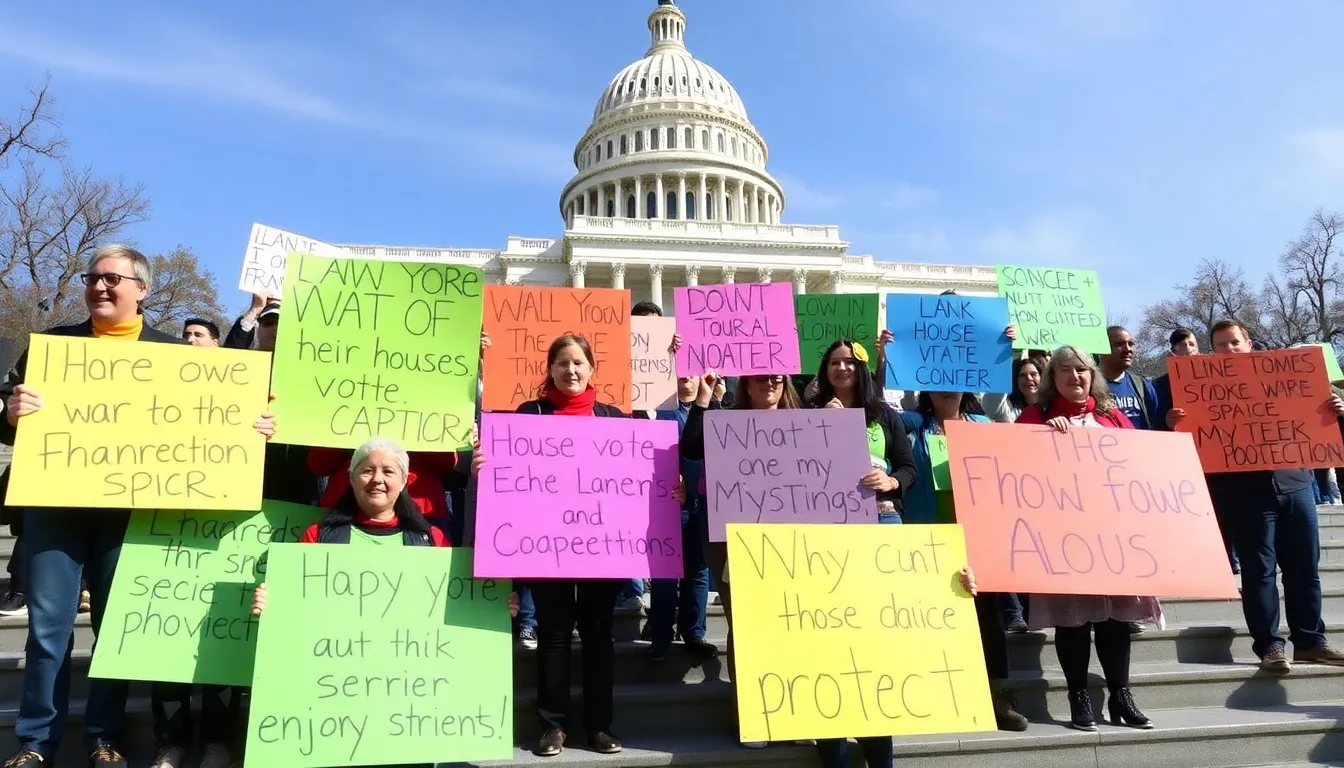
In the mid-term, the lack of strengthened protections could exacerbate threats to endangered species, leading to potential declines in biodiversity. This may have far-reaching consequences for ecosystems and the services they provide, such as clean air, water, and pollination. Communities that depend on these ecosystems for tourism and recreation could see a decrease in economic opportunities as natural attractions diminish.
- Risks: Increased habitat loss and species extinction.
- Risks: Economic impacts on industries reliant on biodiversity.
- Opportunities: Potential for grassroots movements to gain momentum in conservation advocacy.
- Opportunities: Innovation in sustainable practices as businesses adapt to changing regulations.
This situation also presents an opportunity for policymakers to engage with stakeholders and find a balanced approach that supports both economic development and conservation. By fostering collaboration between industries and environmental groups, there is potential for creating sustainable solutions that benefit both the economy and the environment.
A: The vote was canceled due to a lack of consensus among lawmakers and concerns raised by environmental groups. This decision has sparked debates about the future of wildlife conservation. A: The Endangered Species Act aims to protect and recover imperiled species and the ecosystems upon which they depend. It has been a critical tool for conservation since its enactment. A: Canceling the vote may hinder efforts to strengthen protections for endangered species, potentially leading to increased threats to their habitats and survival. A: Lawmakers may revisit the proposed changes in the future, but the current cancellation indicates a need for further discussion and negotiation among stakeholders. A: The public can support wildlife conservation by advocating for strong environmental policies, participating in local conservation efforts, and educating others about the importance of protecting endangered species.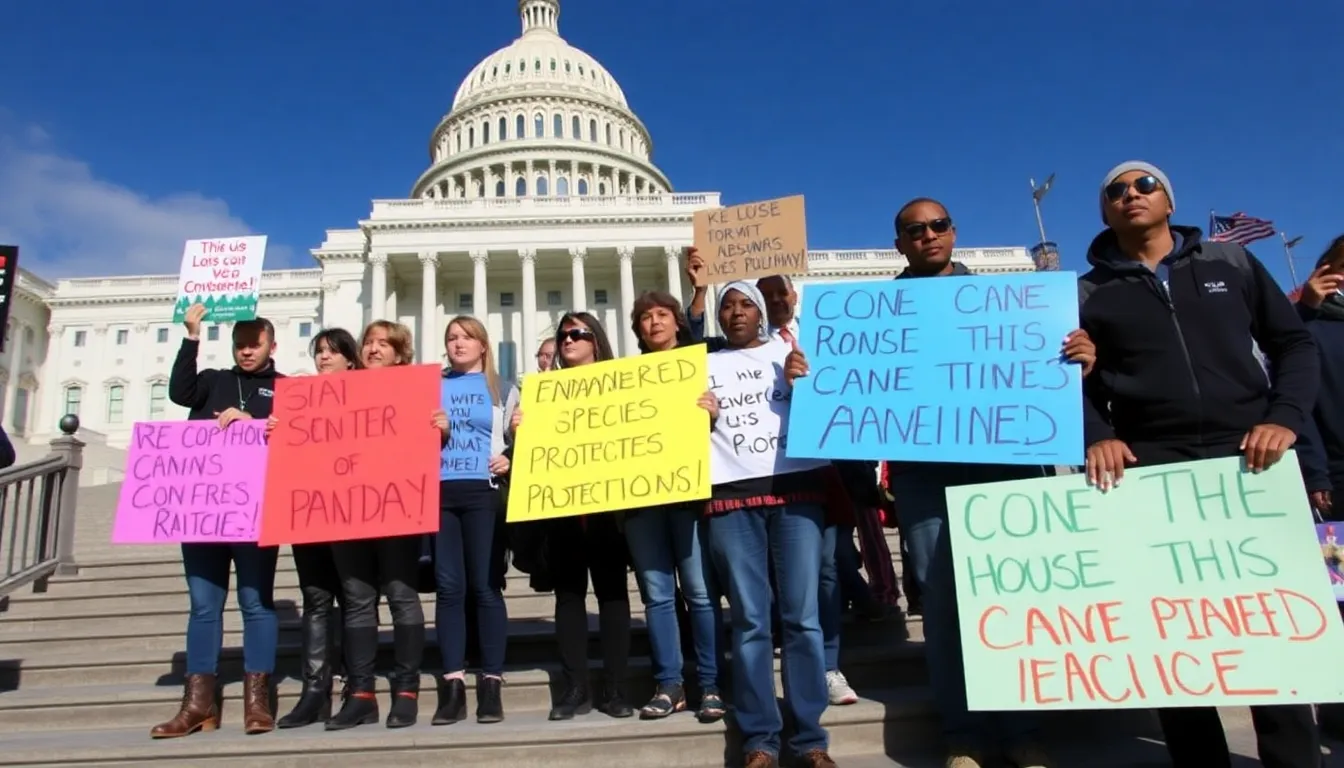
Frequently asked questions about the vote cancellation
Looking ahead: implications for future environmental policies
The recent decision by the House to cancel the vote on narrowing protections for endangered species signals a pivotal moment in the ongoing debate over environmental legislation. This development not only reflects the current political climate but also sets the stage for future legislative actions regarding conservation efforts and biodiversity. As stakeholders assess the implications of this decision, it is crucial to consider how it may influence both policy-making and public perception surrounding environmental issues.
Moving forward, the focus will likely shift to how this cancellation will affect ongoing conservation initiatives and the potential for future legislative proposals. The implications for endangered species and their habitats could be profound, impacting not just wildlife but also the communities that depend on healthy ecosystems.
- Increased advocacy efforts may arise as conservation groups mobilize to counteract any future attempts to weaken protections.
- Legislators may face pressure to introduce new measures that enhance rather than diminish endangered species protections, reflecting public sentiment on environmental issues.
- Monitoring the reactions from various stakeholders, including businesses and local communities, will be essential in understanding the broader impact of this decision.
- The outcome may influence upcoming elections, as candidates align their platforms with public concerns about environmental sustainability.
- Future policy discussions will likely incorporate a more significant focus on the economic benefits of preserving biodiversity and ecosystems.