
Wahlberg, known for his roles in both film and television, expressed his dedication to the project and his desire to keep it local. He emphasized the importance of authenticity in storytelling, stating that filming in Boston would provide a genuine backdrop that aligns with the narrative of the series. This aligns with trends seen in other projects, such as The White Lotus.
The production of Boston Blue is significant not only for Wahlberg but also for the local economy, as it could bring jobs and tourism to the area. The actor’s willingness to forfeit part of his earnings underscores the financial pressures that many productions face when choosing locations.
As the entertainment industry continues to evolve, Wahlberg’s commitment may set a precedent for other actors and filmmakers who are considering similar arrangements to support their local communities. His actions could spark a broader conversation about the economic implications of filming locations and the support needed from industry professionals.
The high costs of filming in Boston explained
Boston has long been a sought-after location for film and television production, thanks to its rich history, iconic architecture, and vibrant culture. However, the costs associated with filming in this historic city have become a significant hurdle for many filmmakers. Factors such as high labor costs, expensive permits, and the need for specialized equipment contribute to the overall financial burden. As a result, productions often struggle to maintain budgetary constraints while trying to capture the essence of Boston on screen.
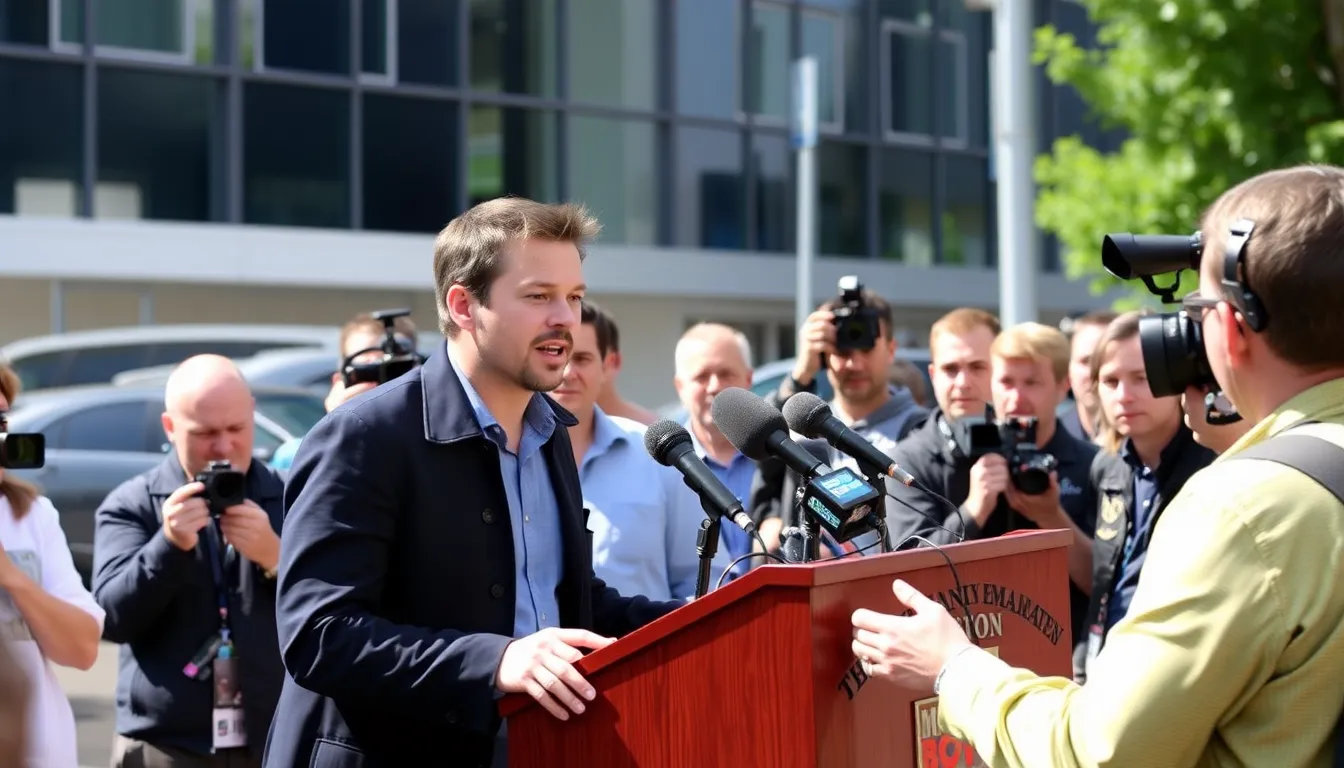
Historically, the film industry in Boston has faced various challenges. In the early 2000s, the Massachusetts Film Tax Credit was introduced, incentivizing filmmakers to choose the state as a filming location. While this initiative initially boosted the local economy and attracted numerous productions, the demand for filming permits and resources surged, leading to increased competition and rising costs.
Impact of Local Economy
The local economy plays a crucial role in the costs associated with filming in Boston. The city has a high cost of living, which translates to elevated wages for crew members and talent. Additionally, local vendors and service providers often charge premium rates, further driving up expenses. The COVID-19 pandemic also introduced new safety protocols and regulations, adding another layer of complexity and cost to the production process. As a result, filmmakers like Donnie Wahlberg have found themselves navigating a challenging financial environment while trying to bring their projects to life.
Wahlberg’s recent statement about offering CBS half of his paycheck to film ‘Boston Blue’ in his hometown underscores the lengths that some artists are willing to go to support local production. This sentiment reflects a growing awareness among filmmakers about the economic realities of shooting in high-cost areas and the importance of balancing artistic vision with practical financial considerations.
Key stakeholders and their interests in Boston Blue
The production of ‘Boston Blue’ has brought together various stakeholders, each with distinct interests that reflect the complexities of filming in a major city like Boston. At the forefront is Donnie Wahlberg, a prominent actor and producer, who has expressed a willingness to invest significantly in the project. His offer to CBS to contribute half of his paycheck underscores his commitment to ensuring the film is produced in its intended location.
Another key stakeholder is CBS, the network responsible for the film’s production. Their interests lie in maximizing viewership and profitability, which can be influenced by the film’s authenticity and connection to Boston. Filming on location can enhance the film’s appeal, but it also raises costs, leading to potential conflicts over budget allocations.
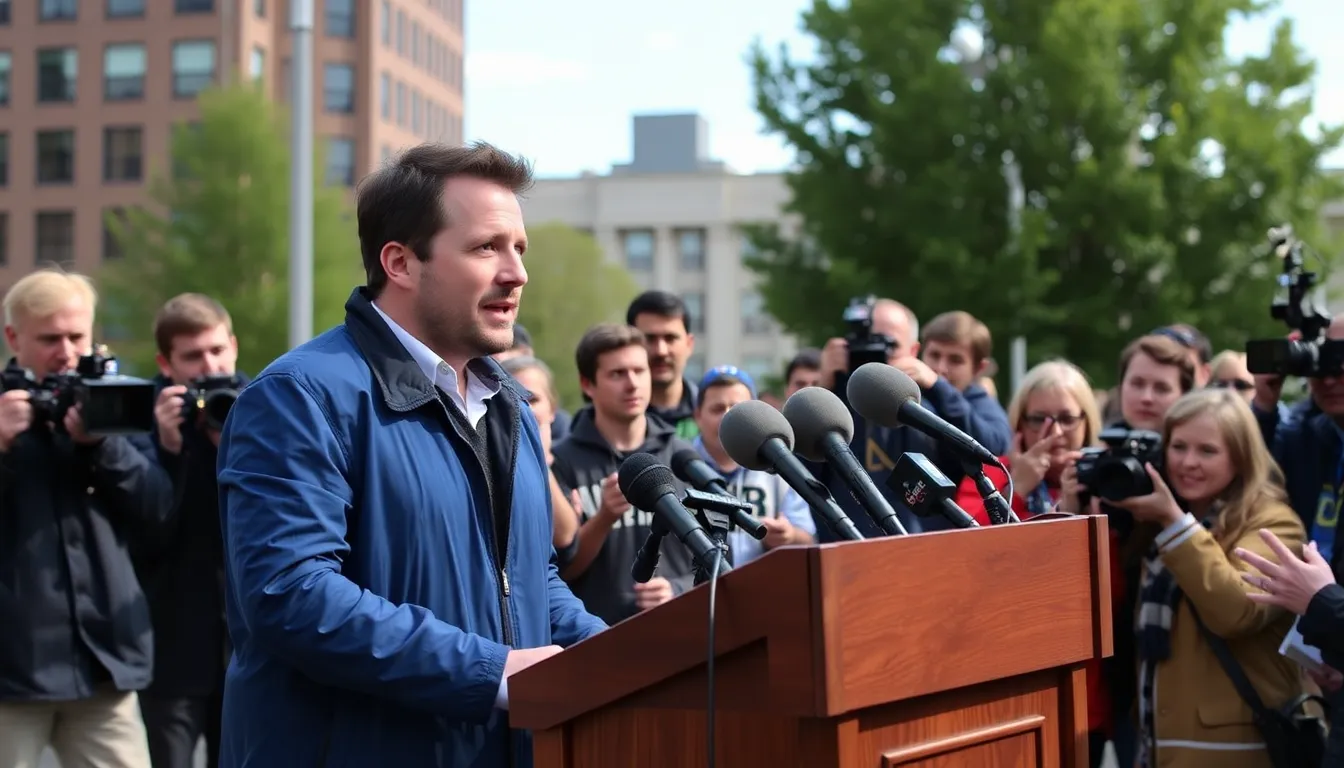
Local government and city officials are also significant players in this scenario. They have a vested interest in attracting film projects to Boston, as these can boost the local economy through job creation and tourism. However, they must also balance the demands of residents and businesses affected by filming activities, which can lead to trade-offs between economic benefits and community impact.
- Donnie Wahlberg: Seeks to produce an authentic film while supporting local economic growth.
- CBS: Aims for a profitable production that resonates with audiences, balancing costs with creative aspirations.
- Local government: Interested in economic development and community welfare, navigating the tension between growth and local concerns.
- Residents and local businesses: May face disruptions during filming but could benefit from increased tourism and local spending.
- Film crew and industry professionals: Require a supportive environment for production, including resources and local cooperation.
Additionally, the economic implications of filming in Boston are crucial. The high costs associated with location shooting can lead to negotiations over budgets and funding sources. Wahlberg’s offer to CBS is indicative of the financial pressures that can arise, as producers seek to manage expenses while delivering a quality product. This dynamic highlights the broader economic challenges faced by the film industry, particularly in urban settings where production costs can soar compared to other locations.
The economic impact on local businesses and the film industry
Donnie Wahlberg’s offer to CBS to donate half of his paycheck to film ‘Boston Blue’ in Boston highlights the financial pressures facing the film industry, particularly in high-cost regions. This situation directly affects various groups, including local businesses, film crews, and the broader community that relies on the economic influx generated by film productions.
In the short term, the decision to film in Boston could lead to increased business for local hotels, restaurants, and shops as cast and crew members require accommodations and services. The presence of a major production can also stimulate job opportunities for local talent, including actors, technicians, and support staff. However, the high cost of living and production in the area poses a risk of limiting the number of projects that can feasibly be filmed in the city.
Mid-term impacts may include a shift in policy discussions regarding incentives for filmmakers. If the financial burden remains high, local government officials may need to reconsider tax breaks or subsidies to attract more film projects, which could reshape the landscape of the local film industry. On the other hand, successful productions could lead to a more robust film culture in Boston, attracting further investments and talent.
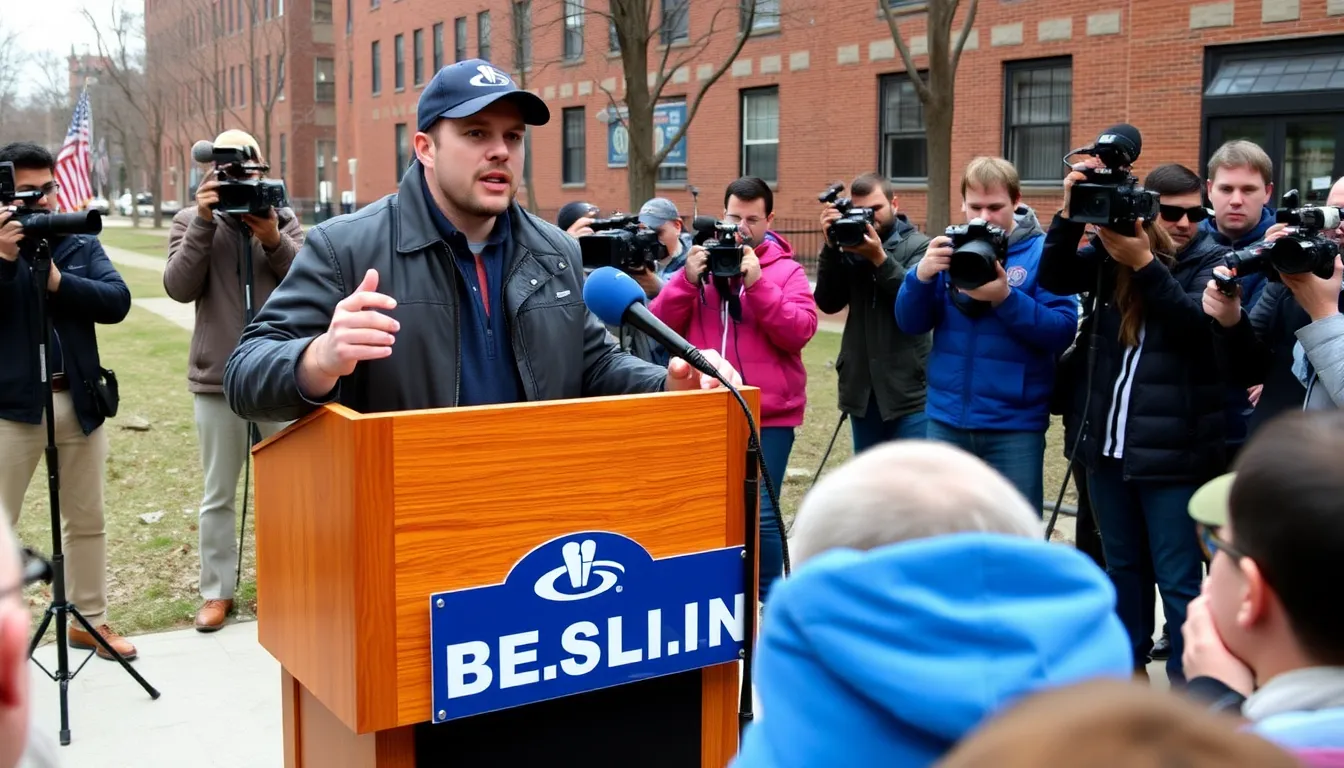
- Local Businesses: Increased revenue from the influx of cast and crew.
- Film Industry: Potential for more projects if financial incentives are adjusted.
- Community: Job creation and cultural enrichment through film activities.
- Policy Shifts: Possible reevaluation of tax incentives to attract filmmakers.
While the immediate benefits of filming in Boston are evident, the long-term sustainability of such projects will depend on balancing costs with the potential for economic growth. The ongoing dialogue between filmmakers and local authorities will be crucial in shaping the future of the film industry in the region.
A: Donnie Wahlberg offered half of his paycheck to CBS to help cover the high costs of filming Boston Blue in Boston, as he believes it is essential to shoot in the city. A: The main challenges include high production costs, permits, and the logistics of working in a densely populated urban area, which can complicate shooting schedules. A: Filming in Boston can provide a significant boost to local businesses by increasing foot traffic and creating temporary jobs, but it can also disrupt daily activities. A: Boston Blue is a film that explores themes relevant to the city, aiming to capture its unique culture and atmosphere through its storyline. A: If successful, Boston Blue could pave the way for more film and television projects in Boston, showcasing the city as a viable filming location.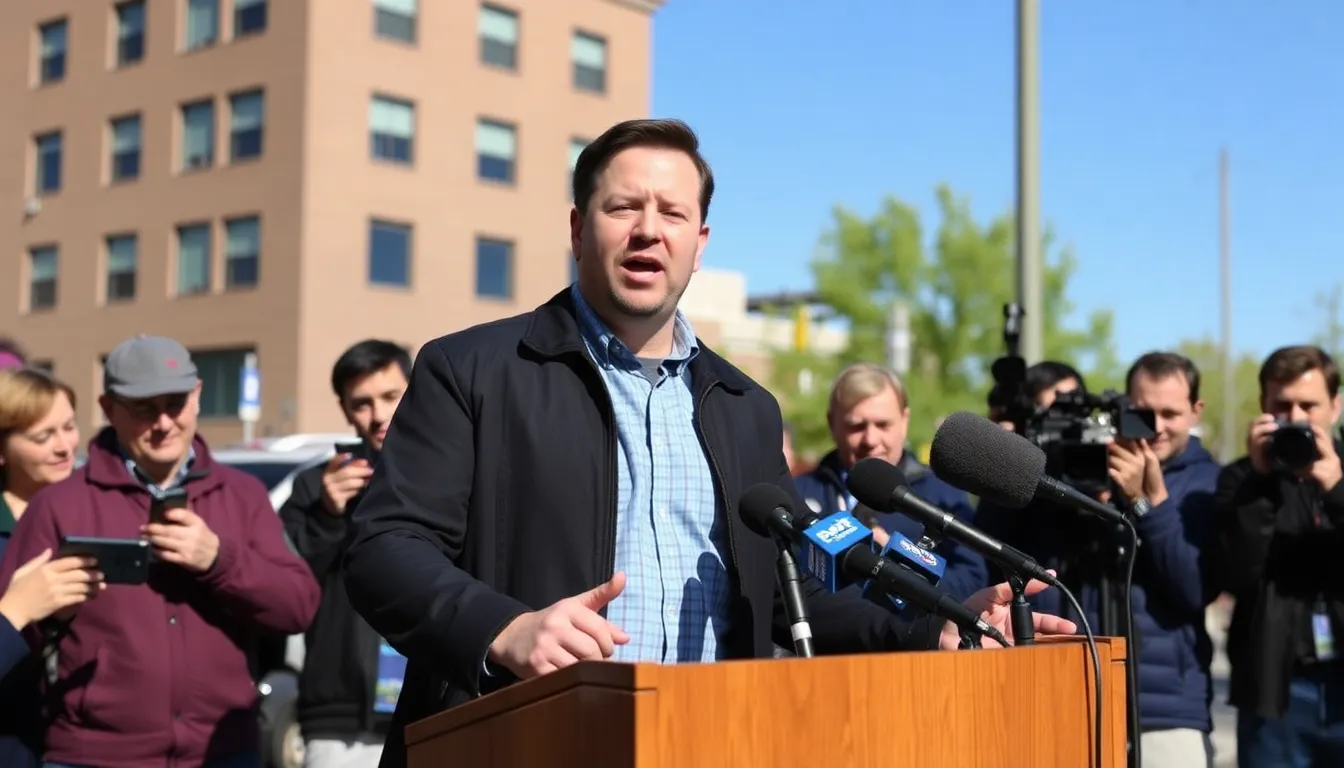
Frequently asked questions about Boston Blue and filming costs
Key takeaways and future outlook for Boston Blue
Donnie Wahlberg’s willingness to offer CBS half of his paycheck to film ‘Boston Blue’ in Boston highlights the financial challenges faced by productions in the region. This gesture not only underscores Wahlberg’s commitment to showcasing his hometown but also raises questions about the economic viability of filming in areas with high costs. As the industry continues to navigate these financial hurdles, the implications for local economies and production decisions become increasingly significant.
Looking ahead, the response from CBS and the potential for other productions to follow suit will be crucial in determining the future landscape of filming in Boston. The balance between budget constraints and the desire for authentic settings will shape the decisions of filmmakers and studios alike.
- Wahlberg’s offer may prompt other actors to consider similar sacrifices to support local productions.
- The financial dynamics of filming in Boston could lead to increased negotiations around tax incentives and funding.
- Local economies may benefit from heightened visibility if more productions choose to film in the area.
- Future productions may need to reassess their budgets and locations based on rising costs in popular filming regions.
- Audience interest in local stories could drive demand for more films set in Boston, influencing future project selections.