
During an interview, Glaser emphasized that while she would “absolutely” take part in a roast, she believes that DiCaprio should consider the message it sends. The actor is well-known for his advocacy on climate change, and Glaser proposed that he should only participate in a roast if it aligns with his philanthropic efforts, particularly in donating to climate initiatives. Her views echo those of other celebrities, as discussed in Michael Socha’s recent interview.
This discussion comes at a time when celebrity roasts are gaining popularity, often blurring the lines between humor and social responsibility. Glaser’s comments reflect a growing awareness among public figures about the impact of their actions and the importance of using their platforms for positive change.
As public interest in climate issues continues to rise, the intersection of entertainment and activism becomes increasingly relevant. Glaser’s remarks serve as a reminder that humor can be a powerful tool, but it should also be coupled with a sense of responsibility, especially for influential figures like DiCaprio.
The significance of celebrity roasts in entertainment
Celebrity roasts have been a staple of American entertainment for decades, offering a unique blend of humor, critique, and camaraderie among public figures. Originating in the 1950s, these events typically feature a panel of comedians and friends who take turns delivering humorous, often scathing remarks about the guest of honor. While the intention is to celebrate the individual, the roast format allows for a playful exploration of their public personas, often highlighting both their achievements and missteps.
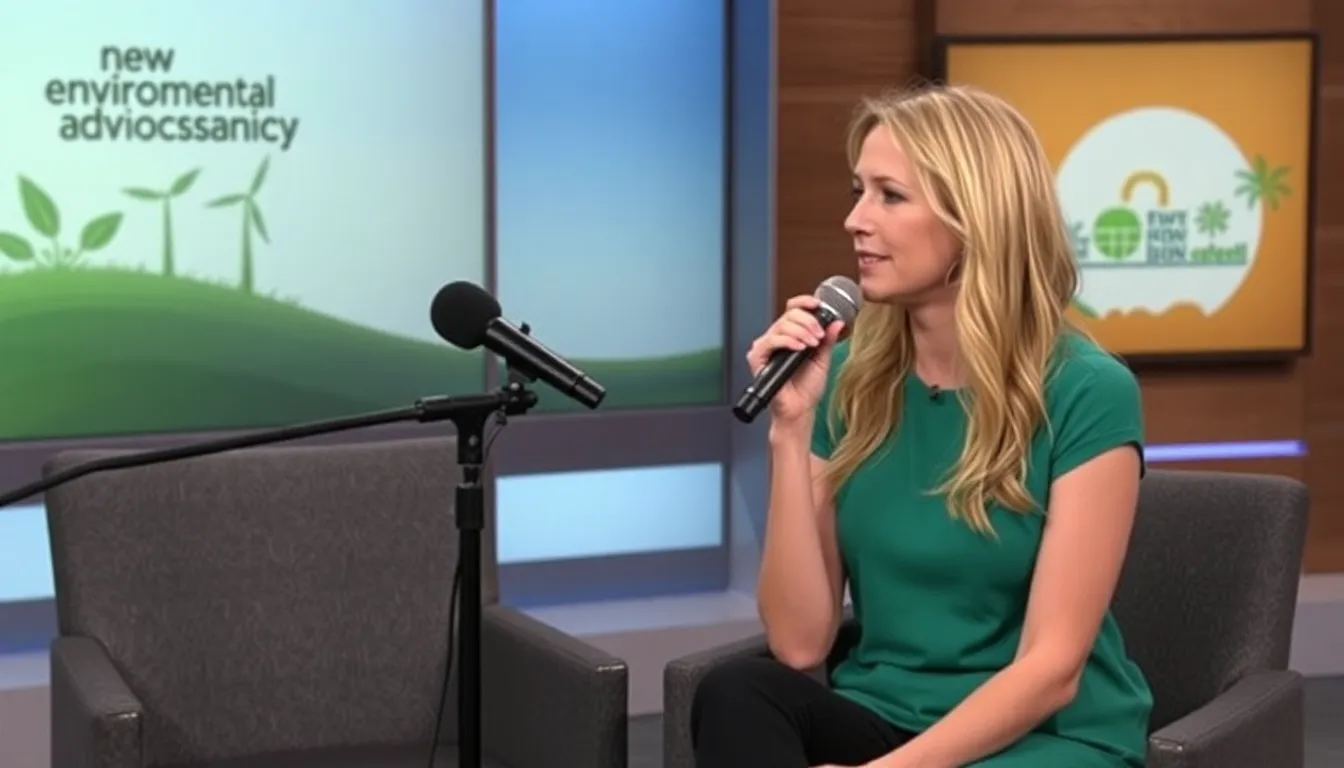
Over the years, roasts have evolved from informal gatherings to televised events, gaining widespread popularity. The “Roast of Bob Saget” in 2008, for example, marked a turning point as it attracted significant viewership and showcased a new generation of comedians. This event solidified the roast’s place in mainstream culture, demonstrating its ability to engage audiences while providing a platform for comedians to showcase their skills.
In recent years, the intersection of celebrity culture and social issues has become more pronounced. As celebrities like Leonardo DiCaprio use their platforms to advocate for various causes, including climate change, the expectations surrounding their public appearances have shifted. This dynamic adds complexity to the traditional roast format, as seen in Nikki Glaser’s comments regarding DiCaprio’s potential roast. Her suggestion that he should consider donating to climate change initiatives before participating highlights the growing awareness of social responsibility among celebrities, a theme also captured in the recent Canneseries coverage.
The evolving role of celebrities in social advocacy
As public figures increasingly engage in activism, the concept of a roast transforms from a mere comedic event to a potential commentary on the individual’s values and actions. This shift reflects broader societal changes where audiences expect celebrities to align their public personas with their personal beliefs. Glaser’s remarks underscore this trend, suggesting that a roast could serve as a platform for DiCaprio to further his advocacy work, rather than just a night of laughter at his expense.
Exploring the implications of Glaser’s comments on DiCaprio
Nikki Glaser’s recent remarks regarding a potential roast of Leonardo DiCaprio have sparked discussions about the intersection of celebrity culture, environmental activism, and public perception. Glaser, a comedian known for her sharp wit, expressed her willingness to roast DiCaprio, but with a caveat: he should consider donating to climate change initiatives first. This statement highlights several key stakeholders and their interests.
Leonardo DiCaprio, a prominent actor and environmental advocate, has made significant contributions to climate change awareness through his foundation and public platform. His involvement in environmental issues places him in a unique position where any comedic portrayal of him could reflect on his credibility as an activist. Glaser’s suggestion implies a potential conflict between his celebrity status and his environmental commitments.

On the other hand, Nikki Glaser represents the entertainment industry, which often thrives on satire and humor. Her comments can be seen as a reflection of the growing expectation for celebrities to align their public personas with their philanthropic efforts. This expectation creates a trade-off between maintaining a light-hearted public image and the serious nature of climate change advocacy.
- Public Perception: DiCaprio’s image could be affected by a roast, especially if it highlights inconsistencies between his lifestyle and environmental advocacy.
- Celebrity Responsibility: The comments raise questions about the responsibility of celebrities in addressing social issues, particularly climate change.
- Economic Implications: If DiCaprio were to engage in a roast, it could lead to financial support for environmental causes, depending on the event’s structure.
- Media Influence: The media plays a crucial role in shaping narratives around celebrity actions and their impact on public engagement with climate issues.
- Audience Engagement: The audience’s response to such events can influence future philanthropic efforts by celebrities.
In summary, Glaser’s remarks not only open the door for a potential roast but also underscore the broader societal conversations about celebrity influence, accountability, and the urgent need for action on climate change. The interplay between humor and serious advocacy presents a complex landscape for both DiCaprio and Glaser, as they navigate their respective roles in the public eye, further highlighted by Harry and Meghan’s recent activities.
Potential reactions from fans and the entertainment industry
Nikki Glaser’s remarks about roasting Leonardo DiCaprio have sparked interest among various groups, particularly fans of both celebrities and the broader entertainment industry. Fans of Glaser may appreciate her boldness and humor, while DiCaprio’s supporters might have mixed feelings about the idea of roasting a figure who is often seen as a serious advocate for climate change.
In the short term, the entertainment industry may see increased discussions around celebrity roasting events, especially if they align with social causes. This could lead to a rise in events that combine humor with philanthropy, appealing to audiences who appreciate both entertainment and activism. Comedy clubs and special event organizers might capitalize on this trend, creating opportunities for new shows and formats.
However, there are risks associated with this approach. If DiCaprio or others in similar positions feel that roasting undermines their serious advocacy work, it could lead to backlash against comedians who attempt to engage in similar events. This could create a divide between fans who prioritize humor and those who prioritize activism, potentially affecting ticket sales and public reception of future events.

- Increased interest in celebrity roast events.
- Potential backlash against comedians seen as disrespectful.
- Opportunities for fundraising linked to social causes.
- Shifts in audience expectations for comedy performances.
In the mid-term, this conversation may influence how celebrities engage with humor and social issues. If roasting becomes a popular avenue for raising awareness and funds for climate change, we may see more celebrities willing to participate, provided they can align it with their personal values. This could lead to a new genre of entertainment that balances humor with activism, fostering a unique cultural dialogue.
A: Nikki Glaser stated that she would ‘absolutely’ roast Leonardo DiCaprio but suggested he should only participate if he is donating to climate change initiatives. A: Glaser’s concern stems from DiCaprio’s environmental activism, and she believes that his participation in a roast should align with his philanthropic efforts. A: A celebrity roast is a comedic event where friends and fellow celebrities make jokes and humorous insults at the expense of a guest of honor. A: Fans often have mixed reactions, enjoying the humor but also being sensitive to the subjects of the jokes, especially if they touch on serious issues. A: As of now, Leonardo DiCaprio has not publicly participated in a roast, which adds to the intrigue of Glaser’s comments.
Frequently asked questions about the roast and its context
Key takeaways and future implications of the roast discussion
Nikki Glaser’s willingness to roast Leonardo DiCaprio highlights the intersection of celebrity culture and social responsibility. While she expresses enthusiasm for the idea, her caveat regarding DiCaprio’s potential involvement underscores a growing expectation for public figures to align their actions with their advocacy, particularly in areas like climate change. This dynamic could influence how future roasts are perceived and executed, as audiences increasingly demand that humor does not overshadow serious issues.
As the conversation around celebrity responsibility continues to evolve, it will be important to monitor how events like roasts adapt to these expectations. The balance between entertainment and activism may shape the landscape of comedy in Hollywood, compelling celebrities to engage more thoughtfully with their platforms.
- The potential for celebrity roasts to serve as platforms for social commentary may increase, prompting comedians to address more serious topics.
- Public figures could face greater scrutiny regarding their commitments to social causes, influencing their willingness to participate in events like roasts.
- As audiences become more socially conscious, the demand for humor that resonates with contemporary issues may reshape comedic styles and content.
- Future roasts might incorporate charitable elements, linking comedic performances to philanthropic efforts, especially around pressing global issues.