
In October 2023, a group of researchers proposed a novel intervention to address the AMOC’s decline: constructing a dam across the Bering Strait. This idea stems from the understanding that altering the flow of freshwater from the Arctic could help stabilize the AMOC by preventing excessive freshwater from disrupting the ocean’s salinity balance. This proposal has sparked significant debate within the scientific community regarding its feasibility and potential consequences, which is also discussed in various articles on climate solutions.
Currently, the AMOC is believed to be at its weakest in over a millennium, which has raised alarm among climate scientists and policymakers. The weakening of this ocean current is linked to increased greenhouse gas emissions and melting ice in the Arctic. As the situation evolves, the urgency to explore innovative solutions, such as the proposed dam, is becoming increasingly apparent.
Key players in this discussion include international climate researchers, environmental organizations, and government agencies. Each has a vested interest in the potential outcomes of such interventions. The implications of this proposal extend beyond climate science, touching on geopolitical and ecological considerations that could affect various regions around the world.
The historical significance of the AMOC in climate regulation
The Atlantic Meridional Overturning Circulation (AMOC) is a crucial component of the Earth’s climate system, influencing weather patterns and oceanic conditions across the globe. Historically, the AMOC has played a significant role in regulating temperatures, particularly in Europe and North America, by transporting warm water from the tropics northward while returning cold water southward. This natural phenomenon has been instrumental in maintaining the delicate balance of the climate for thousands of years.

In the past few decades, scientific research has increasingly highlighted the vulnerabilities of the AMOC in the face of climate change. The melting of Greenland’s ice sheets and the influx of freshwater into the North Atlantic are believed to disrupt the circulation patterns, leading to potential consequences such as harsher winters in Europe and rising sea levels along the U.S. East Coast. These findings have raised alarm among scientists and policymakers alike, prompting discussions about potential interventions to stabilize the AMOC, much like the innovative approaches explored in other sectors.
Political and Economic Implications
The political landscape surrounding climate change has evolved significantly, with nations recognizing the need for collaborative efforts to address global warming. The potential destabilization of the AMOC could have far-reaching economic implications, particularly for countries that rely on stable weather patterns for agriculture and trade. As a result, discussions around innovative solutions, such as the controversial proposal to dam the Bering Strait, have emerged as a means to mitigate the risks associated with AMOC disruption.
This proposal reflects a growing trend of exploring geoengineering solutions to combat climate change. While proponents argue that damming the Bering Strait could help regulate oceanic currents and preserve the AMOC, critics raise concerns about the unforeseen ecological consequences and the ethical implications of altering natural systems. As the world grapples with the urgency of climate action, the debate over such drastic measures continues to unfold.
Evaluating the stakeholders and controversies surrounding the dam proposal
The proposal to dam the Bering Strait as a measure to save the Atlantic Meridional Overturning Circulation (AMOC) has garnered attention from a diverse array of stakeholders. Each actor involved has distinct interests that shape their perspectives on the feasibility and implications of such a project. Key stakeholders include governments, environmental organizations, scientists, and local communities.
Governments of Arctic nations, particularly the United States and Russia, are central players in this debate. Their interests often revolve around national security, economic development, and environmental protection. The potential for increased shipping routes and resource extraction in the Arctic could motivate these governments to support the dam, despite possible ecological consequences.
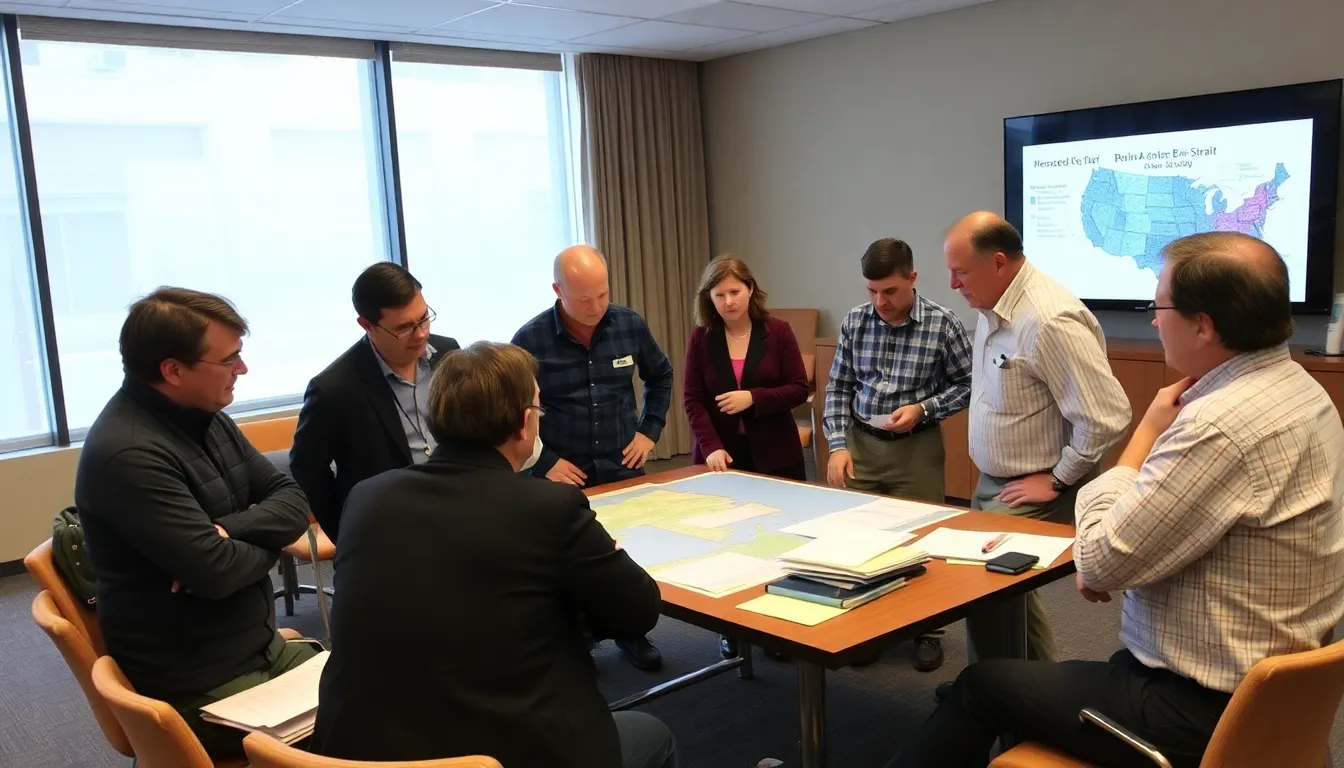
Environmental organizations are likely to oppose the dam due to concerns about its impact on marine ecosystems and climate change. The dam could disrupt the natural flow of ocean currents, leading to unforeseen consequences for biodiversity and global weather patterns. These organizations advocate for sustainable solutions that do not compromise ecological integrity.
- Economic Interests: The potential for new economic opportunities through shipping and resource extraction may drive support from some stakeholders.
- Environmental Concerns: Opponents argue that the dam could lead to significant ecological disruption, affecting marine life and climate systems.
- Scientific Community: Researchers are divided, with some advocating for further study to understand the potential impacts on the AMOC before any decisions are made.
- Indigenous Communities: Local populations may have vested interests in preserving their environment and way of life, leading to opposition against the project.
- Legal Implications: The proposal raises questions about international law, particularly regarding territorial waters and environmental regulations.
As discussions continue, the trade-offs between economic development and environmental preservation will be critical in shaping the future of the Bering Strait dam proposal. The complexity of these issues reflects the need for a balanced approach that considers all stakeholders’ perspectives and the potential long-term impacts on the planet, which aligns with ongoing dialogues in various fields such as AI and storytelling.
Potential effects on ecosystems and global weather patterns
The proposal to dam the Bering Strait could have significant implications for various groups and industries. Coastal communities in Alaska and Russia may experience immediate changes in their fishing industries, which rely on the natural flow of ocean currents and temperatures. The alteration of the Arctic marine ecosystem could disrupt fish populations, affecting local economies dependent on fishing.
Furthermore, indigenous populations who have historically relied on these ecosystems for sustenance may face challenges to their traditional ways of life. The dam could lead to shifts in migratory patterns of marine species, threatening food security for these communities.
In the broader context, the dam could impact global weather patterns, particularly in the Northern Hemisphere. Changes in ocean currents could lead to unpredictable weather events, affecting agriculture and infrastructure in regions far from the Bering Strait. This could create economic challenges for farmers and businesses that depend on stable weather conditions.

However, there are potential opportunities as well. Industries involved in renewable energy and climate adaptation may find new avenues for growth. The construction and maintenance of the dam could create jobs and stimulate local economies in the short term. Additionally, if managed effectively, the dam could help mitigate some effects of climate change by regulating ocean temperatures.
- Impact on fishing industries in Alaska and Russia
- Threats to indigenous populations and traditional lifestyles
- Potential shifts in global weather patterns affecting agriculture
- Job creation in construction and renewable energy sectors
- Opportunities for climate adaptation initiatives
A: The Atlantic Meridional Overturning Circulation (AMOC) is a large system of ocean currents that plays a crucial role in regulating climate. Its stability is vital for maintaining weather patterns and temperatures across the globe. A: Damming the Bering Strait could potentially alter freshwater influx into the North Atlantic, which may strengthen or weaken the AMOC. This proposal aims to address the current threats to the circulation caused by climate change. A: Environmental concerns include potential impacts on marine ecosystems, migratory patterns of species, and local communities that depend on the Bering Strait for their livelihoods. A: Key stakeholders include climate scientists, environmental activists, government agencies, and indigenous communities in the region who may be affected by such a drastic change. A: Yes, alternatives include reducing greenhouse gas emissions, restoring ecosystems, and implementing sustainable practices globally to mitigate climate change effects. A: The next steps involve further research, environmental impact assessments, and discussions among stakeholders to evaluate the feasibility and implications of damming the Bering Strait.
Frequently asked questions about the Bering Strait dam proposal
Key takeaways and future outlook on the AMOC initiative
The proposal to dam the Bering Strait presents a bold and innovative approach to addressing the potential collapse of the Atlantic Meridional Overturning Circulation (AMOC). By controlling the flow of fresh water into the North Atlantic, this initiative could significantly alter the dynamics of ocean currents and climate patterns. However, the feasibility, ecological implications, and geopolitical considerations of such a project require thorough examination.
As discussions around this concept evolve, it is essential to monitor its reception among scientists, policymakers, and environmentalists. The potential for both positive and negative outcomes necessitates a careful analysis of the long-term effects on global climate systems and marine ecosystems.
- Assess the ecological impact of damming the Bering Strait on marine biodiversity and local fisheries.
- Monitor international response and cooperation, as the project could affect geopolitical relations in the Arctic region.
- Evaluate the scientific consensus on the effectiveness of this approach in mitigating AMOC decline.
- Consider alternative solutions and their relative merits in addressing climate change and ocean health.