
The rise of indie games has played a crucial role in this trend, with smaller studios often prioritizing innovative mechanics and emotional resonance over high production values. For instance, “Celeste,” released in January 2018, has been praised for its precise controls and the way it integrates platforming challenges with a heartfelt narrative. Such titles demonstrate that a strong game feel can elevate gameplay, leading to critical acclaim and commercial success. To further explore this topic, check out our article on classic football shirts which delves into the emotional connections we form around our favorite pastimes.
Moreover, established franchises are also adapting to these evolving expectations. “Ghost of Tsushima,” launched in July 2020, showcases how traditional action-adventure gameplay can be enhanced through meticulous attention to detail in animations and combat mechanics. This shift reflects a broader industry acknowledgment that player engagement is deeply tied to how satisfying the controls and interactions feel.
As game feel continues to be a focal point, developers are increasingly experimenting with haptic feedback and adaptive controls, particularly in next-gen consoles. This technological advancement allows for more nuanced player interactions, making experiences feel more lifelike and immediate. The ongoing exploration of these elements is likely to influence future game design, setting new standards for what players can expect from their gaming experiences.
The Importance of Game Feel in Modern Gaming
Game feel, often described as the tactile sensation of gameplay, has become a critical component in the design and success of video games. It encompasses the responsiveness of controls, the weight of actions, and the overall sensory feedback that players receive while interacting with a game. Historically, the evolution of game feel can be traced back to the early days of arcade gaming, where the simplicity of controls and instant feedback were paramount to keeping players engaged.
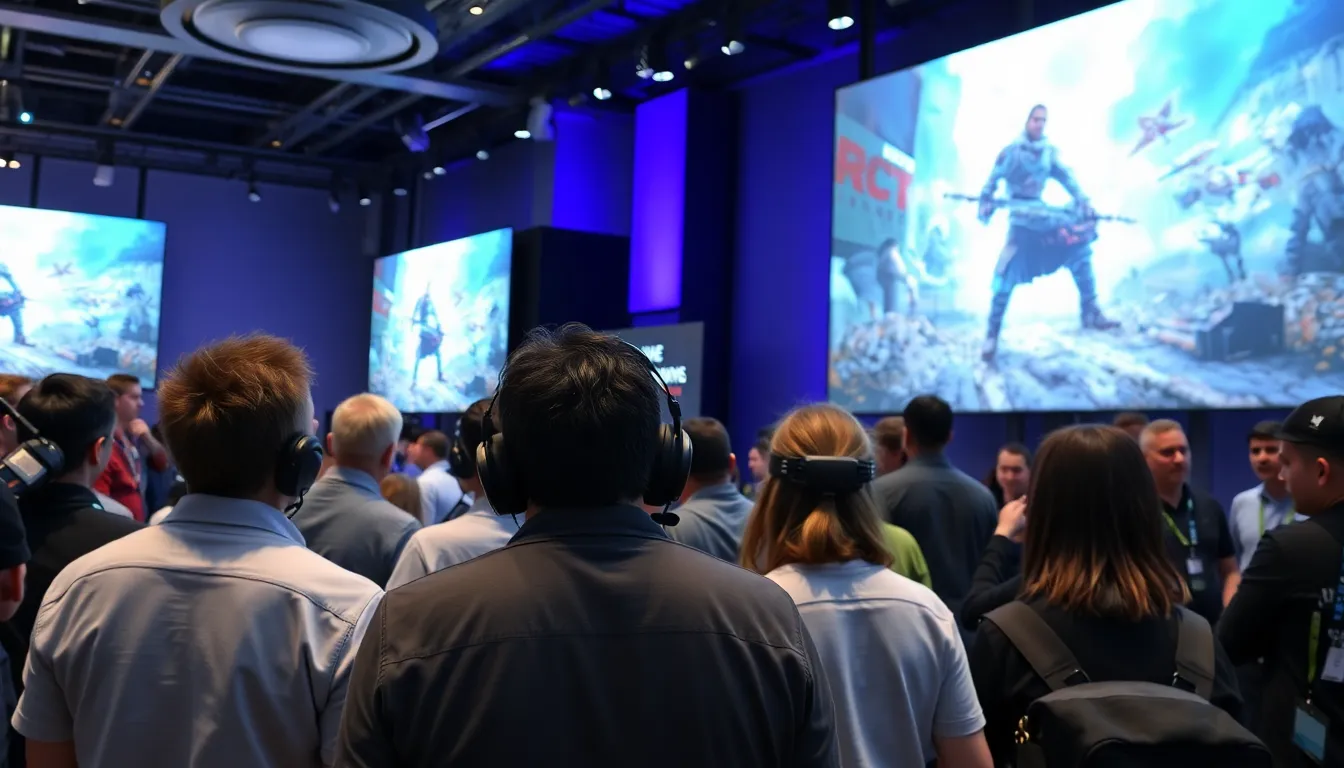
As gaming technology advanced, so did the complexity of game mechanics. The introduction of more sophisticated graphics and sound design allowed developers to create immersive experiences that appealed to a broader audience. However, with this evolution came the risk of sacrificing the intuitive feel that defined earlier games. Developers began to realize that a strong game feel was essential not only for player satisfaction but also for the longevity of a game’s appeal.
Key Milestones in Game Feel Development
One of the pivotal moments in the understanding of game feel occurred in the late 1990s with the release of titles like “Super Mario 64.” This game showcased how precise control mechanics could enhance the player’s sense of agency and enjoyment. Following this, the indie game movement in the 2010s further emphasized game feel, as smaller studios focused on refining mechanics to create unique and engaging experiences without the constraints of larger budgets. For another look at how innovation plays a role, consider reading about the secret ban on Mudryk and its implications.
The emergence of digital distribution platforms has also played a significant role in this evolution, allowing developers to iterate on feedback and refine game feel in real-time. As a result, titles that prioritize game feel have often outperformed their competitors, demonstrating that players are willing to invest time and money into games that provide a satisfying tactile experience. It’s a dynamic similar to how billionaires engage with their assets, adapting to market demands.
Today, understanding and implementing effective game feel is not just a design choice; it is a necessity for success in a crowded market. As the gaming landscape continues to evolve, the principles of game feel remain a cornerstone of game design, influencing how developers create engaging and memorable experiences for players.
Key Factors that Define Game Feel in Popular Titles
In the realm of video games, the concept of “game feel” encompasses the tactile sensations and emotional responses elicited by gameplay mechanics. Key stakeholders in this area include game developers, players, and publishers, each with distinct interests that shape the design and reception of games.

Game developers are primarily focused on creating immersive experiences that resonate with players. They invest significant resources into refining mechanics that enhance game feel, such as responsive controls, fluid animations, and impactful audio-visual feedback. Their goal is to craft a product that not only entertains but also fosters a deep emotional connection with players.
Players, on the other hand, seek engaging and satisfying experiences. They often express their preferences through feedback on forums and social media, influencing developers’ decisions. Players’ interests can sometimes conflict with those of publishers, who may prioritize profitability over player satisfaction. This can lead to trade-offs, such as the inclusion of microtransactions that disrupt game feel.
- Responsive Controls: Players expect controls to feel intuitive and immediate, enhancing their sense of agency.
- Visual and Audio Feedback: High-quality graphics and sound design contribute significantly to the overall experience, reinforcing the impact of player actions.
- Game Mechanics: Innovative mechanics that challenge players while remaining accessible are crucial for maintaining engagement.
- Community Engagement: Developers often rely on player feedback to iterate on game feel, creating a collaborative environment that can benefit both parties.
Legal and economic issues also play a role in shaping game feel. Copyright concerns can limit the use of certain artistic styles or soundtracks, while economic pressures may lead to rushed development cycles that compromise the quality of game feel. Balancing these factors is essential for stakeholders aiming to deliver a polished and enjoyable gaming experience.
How Game Feel Influences Player Experience and Engagement
The concept of ‘game feel’ significantly impacts various groups, particularly gamers, developers, and the broader gaming industry. Gamers, regardless of age or skill level, are directly affected by the tactile and emotional responses elicited by a game’s mechanics. Developers, on the other hand, are tasked with creating experiences that resonate with players, influencing their design choices and innovation strategies. The gaming industry, encompassing publishers, hardware manufacturers, and even esports organizations, faces shifts based on how well games deliver engaging experiences.
In the short term, enhanced game feel can lead to increased player retention and satisfaction. As developers focus on refining the sensory feedback and responsiveness of their games, players are likely to spend more time engaged, leading to higher sales and in-game purchases. This can also impact marketing strategies, as companies may prioritize showcasing game feel in promotional materials to attract a larger audience.

In the mid-term, the emphasis on game feel can spur innovation within the industry. As competition rises, developers may explore new technologies, such as haptic feedback and advanced graphics, to create more immersive experiences. This could lead to a surge in job opportunities in tech and design sectors, as companies seek talent capable of pushing the boundaries of what is possible in game design.
- Increased player engagement and loyalty.
- Potential for new job creation in game development and technology sectors.
- Shift in marketing strategies to highlight game feel.
However, there are risks associated with this focus as well. Developers may encounter pressure to prioritize style over substance, leading to games that look good but lack depth. Additionally, the rising expectations for game feel could alienate casual gamers who may find the increasingly complex mechanics daunting. Balancing innovation with inclusivity will be crucial in ensuring that the gaming landscape remains accessible to all.
A: Game feel refers to the tactile and emotional response players experience while interacting with a game. It encompasses elements like responsiveness, feedback, and overall immersion. A: Game feel is crucial because it directly impacts player enjoyment and satisfaction. A well-executed game feel can enhance the overall gaming experience and keep players engaged. A: Titles like Hollow Knight, Celeste, and Super Mario Odyssey are often cited for their exceptional game feel, showcasing how mechanics and design work together to create a satisfying experience. A: Developers can improve game feel by focusing on player feedback, refining controls, and ensuring that the game mechanics align with the intended emotional experience. A: Yes, game feel can be subjective as different players may have varying preferences and experiences. What feels good to one player may not resonate with another.
Frequently Asked Questions about Game Feel
Key Takeaways and Future Directions in Game Feel
Understanding what constitutes good ‘game feel’ is essential for developers aiming to create engaging and immersive experiences. The analysis of the three highlighted titles reveals that successful game feel is a multifaceted concept that encompasses responsiveness, feedback, and emotional connection. As the gaming landscape continues to evolve, these elements will remain critical in captivating players and enhancing their overall experience.
Moving forward, developers should prioritize the integration of tactile feedback, visual cues, and sound design to create a holistic game feel. By doing so, they can not only improve player satisfaction but also foster a deeper emotional bond with their games.
- Prioritize Responsiveness: Ensure that player inputs are met with immediate and noticeable reactions from the game.
- Enhance Feedback Mechanisms: Utilize visual and auditory cues to reinforce player actions and decisions.
- Focus on Emotional Engagement: Design elements that resonate with players on a personal level to strengthen their connection to the game.
- Iterate Based on Player Experience: Continuously gather player feedback to refine and enhance the game’s feel over time.
- Explore Innovative Technologies: Stay abreast of advancements in haptic feedback and VR to elevate game immersion.