
As of October 2023, it is estimated that the hippo population in Colombia has surged to over 100, leading to fears of environmental disruption. The Colombian government has been evaluating various options for managing these animals, which were originally brought to the country by Escobar and have since thrived in the local ecosystem. For more insights on environmental issues, check out our article on counterfeit sunglasses.
The offer from Ambani’s son, who is known for his interest in wildlife conservation, has sparked discussions about the ethical implications of relocating the hippos. While some conservationists see this as a potential solution, others raise concerns about the impact on the hippos’ well-being and the challenges of adapting them to a new environment.
This situation highlights the complexities of wildlife management in the face of human intervention. The fate of Escobar’s hippos not only reflects the ongoing challenges of biodiversity conservation but also underscores the global interest in finding sustainable solutions for invasive species.
Understanding the history of Pablo Escobar’s hippos
Pablo Escobar, the infamous Colombian drug lord, was known not only for his vast cocaine empire but also for his extravagant lifestyle, which included the establishment of a private zoo at his estate, Hacienda Nápoles. Among the exotic animals he imported were four hippos, which were part of a larger collection that included species from around the world. After Escobar’s death in 1993, the hippos were left to roam freely in the surrounding area, leading to significant ecological concerns as they began to breed and adapt to the Colombian environment.
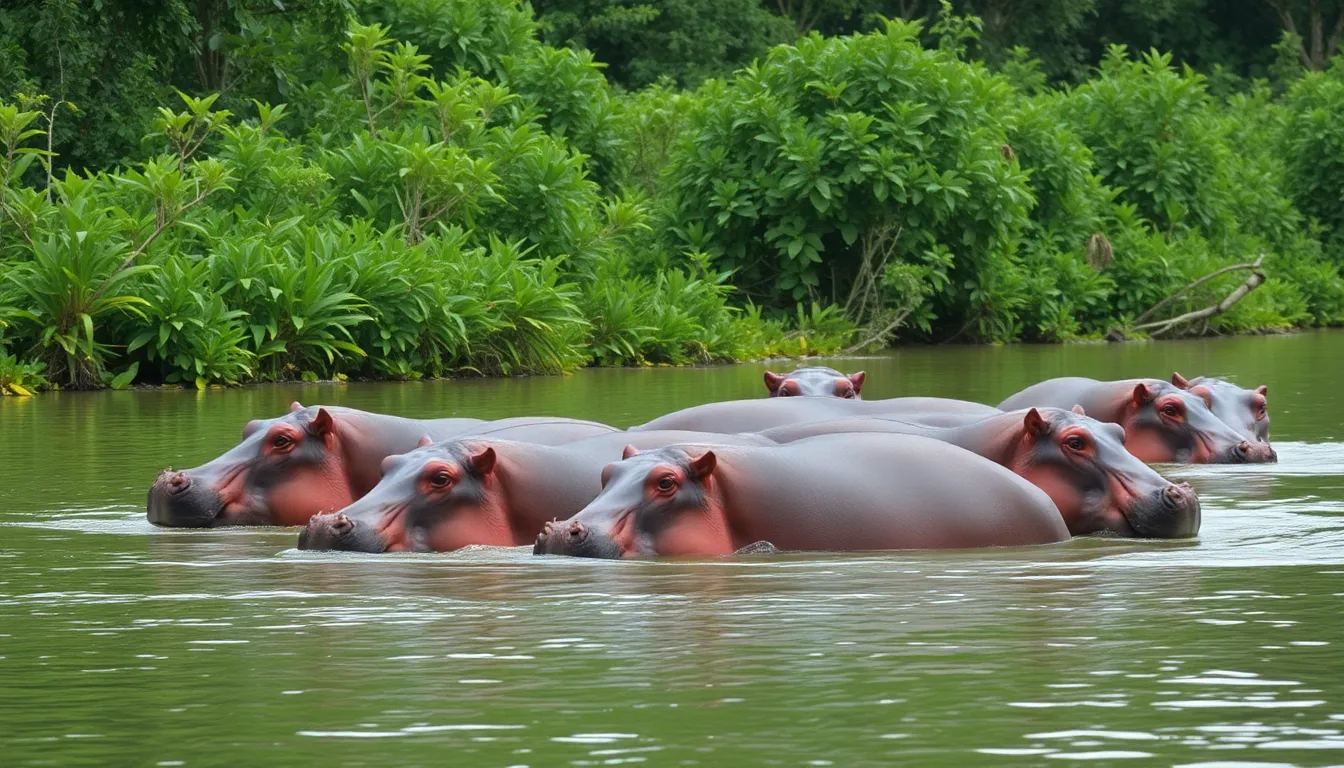
The hippos, now numbering in the hundreds, have become a symbol of both Escobar’s legacy and the challenges of wildlife management in Colombia. Their presence has sparked debates about conservation, as they are not native to the region and pose threats to local ecosystems. The Colombian government has struggled with how to manage the population, with some advocating for culling while others push for relocation efforts.
The economic implications of hippo relocation
In recent years, the idea of relocating these hippos has gained traction, particularly as the animals continue to expand their territory. The proposal from the son of an Indian billionaire to house the hippos in a private zoo raises important questions about the ethics and economics of wildlife management. While the offer may provide a solution to the immediate problem of overpopulation, it also highlights the complexities of private versus public responsibility in conservation efforts. For a deeper understanding of funding in reform, you can read about Christopher Harborne’s involvement.
Moreover, the involvement of wealthy individuals in wildlife management can lead to both positive and negative outcomes. On one hand, private funding can facilitate better care and resources for the animals; on the other hand, it can create a narrative where conservation is seen as a privilege rather than a collective responsibility. This situation reflects broader economic trends where affluent individuals play an increasingly influential role in environmental issues.
As discussions continue regarding the future of Escobar’s hippos, it is essential to consider the historical context of their existence and the implications of their management. The intersection of wealth, wildlife, and responsibility presents a unique case study in modern conservation practices.
Exploring the implications of housing hippos in a private zoo
The recent offer by the son of an Indian billionaire to house Pablo Escobar’s hippos at his private zoo raises significant questions regarding the stakeholders involved and the broader implications of such a decision. Key actors in this scenario include the billionaire’s family, environmental organizations, local governments, and animal welfare advocates. Each group has distinct interests that may lead to both collaboration and conflict.
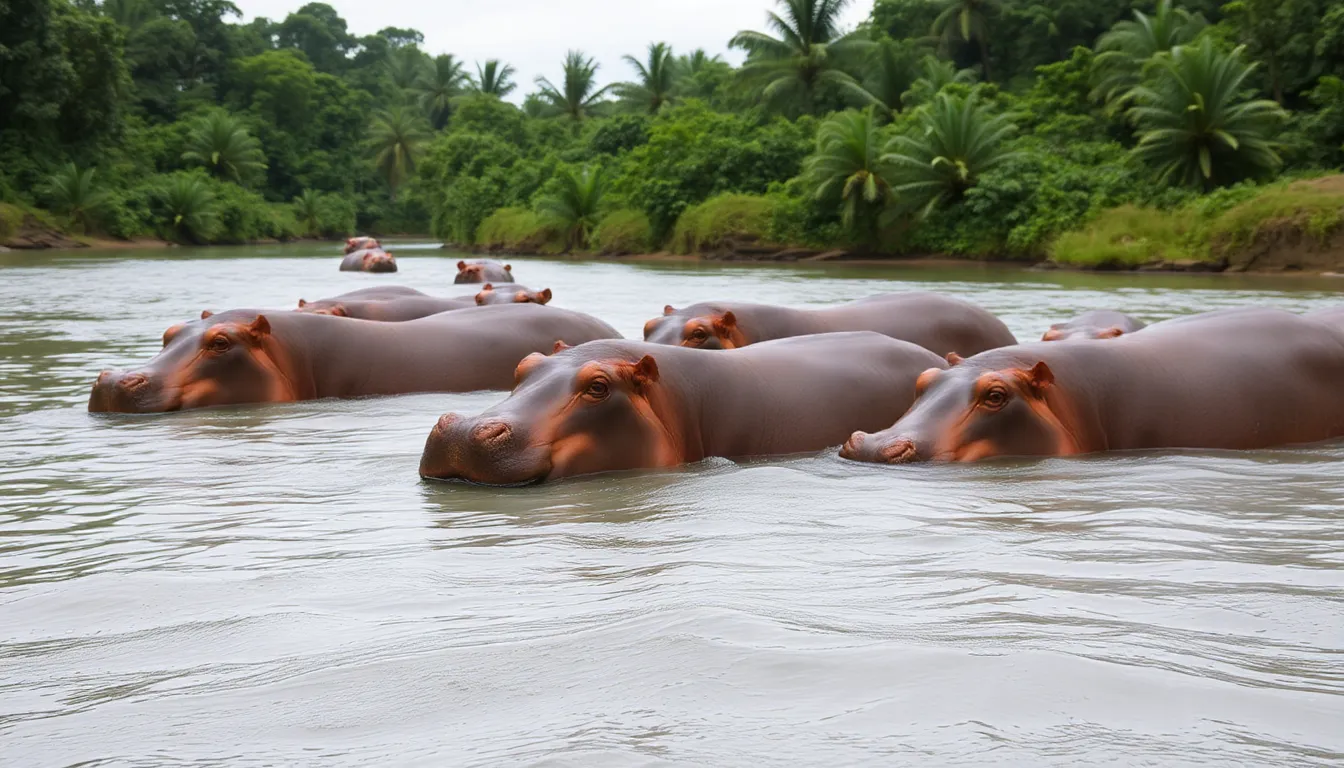
On one hand, the billionaire’s family may see this as an opportunity to enhance their public image and attract tourism to their private zoo, while also providing a sanctuary for the hippos, which have become a controversial species since their introduction to Colombia. On the other hand, environmental organizations may argue that housing these animals in captivity, even in a private facility, could undermine conservation efforts and the natural ecosystem. The need for mental health support is also crucial, as highlighted in discussions around health management for communities impacted by environmental changes; you can find out more in our piece on mental health support for diabetes patients in the UK.
Local governments are also critical stakeholders, as they must navigate the legal and regulatory frameworks surrounding exotic animal ownership and welfare. This situation could lead to potential trade-offs between economic interests, such as tourism and job creation, and ethical concerns regarding animal rights and environmental sustainability.
- Legal Issues: The legality of owning and housing exotic animals varies by region, which could complicate the billionaire’s plans.
- Economic Considerations: The potential for increased tourism and economic benefits must be weighed against the costs of maintaining the animals and ensuring their welfare.
- Environmental Impact: The introduction of hippos into ecosystems outside their native habitat presents risks that must be carefully assessed.
- Public Perception: How the public perceives this initiative could influence the reputation of the billionaire’s family and their business ventures.
- Animal Welfare: The conditions under which the hippos would be kept are crucial to ensuring their health and well-being.
These factors create a complex landscape of interests and potential conflicts that must be navigated as discussions around the housing of Escobar’s hippos continue. The outcomes of these negotiations could set important precedents for future interactions between private entities and wildlife conservation efforts.
Potential effects on wildlife conservation efforts
The decision by an Indian billionaire’s son to house Pablo Escobar’s hippos at his private zoo has far-reaching implications for various groups and industries. Key stakeholders include wildlife conservation organizations, local communities, and the tourism sector. The introduction of these non-native species into a new environment raises questions about biodiversity and ecosystem balance.
In the short term, local wildlife conservation efforts may face challenges as resources are diverted to manage the care and integration of the hippos. This could lead to a temporary increase in funding and attention for exotic wildlife, but it may also shift focus away from native species that require urgent conservation measures. Communities living near the private zoo may experience changes in their daily lives as they adapt to the presence of these large animals.
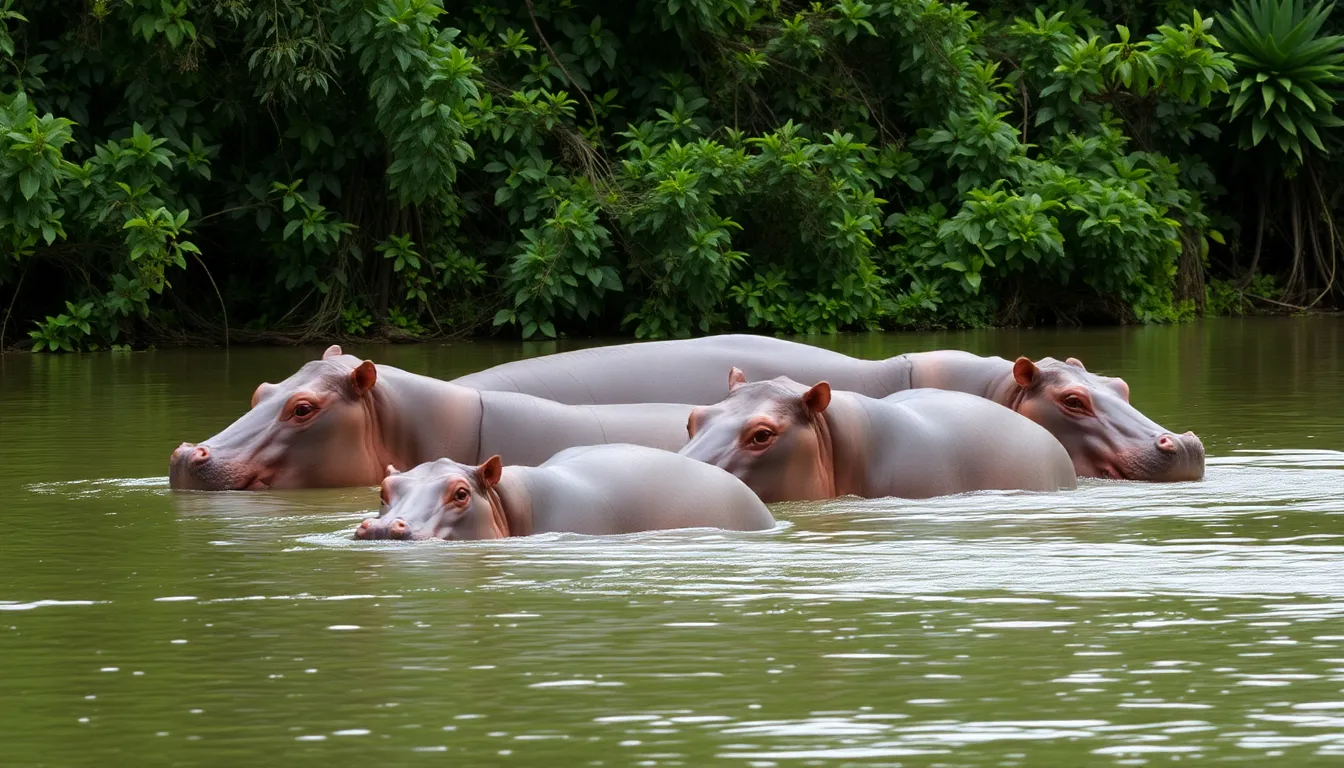
Mid-term impacts could include changes in local business dynamics. The tourism industry may see a boost as visitors flock to the zoo to see the hippos, potentially benefiting local economies. However, there is also a risk that the increased attention could lead to over-commercialization, undermining conservation efforts and the integrity of wildlife habitats.
- Opportunities: Increased funding for wildlife initiatives and potential growth in eco-tourism.
- Risks: Potential ecological imbalance and overshadowing of local wildlife conservation needs.
- Community Impact: Changes in local lifestyles and economic activities centered around the zoo.
Overall, while the housing of Escobar’s hippos presents unique opportunities for wildlife engagement and tourism, it also poses significant risks that could affect both local ecosystems and conservation priorities in the region.
A: The hippos are considered an invasive species in Colombia, causing ecological imbalances. Their presence raises concerns about biodiversity and the impact on local wildlife. A: Housing the hippos may involve legal scrutiny regarding wildlife protection laws and regulations in both India and Colombia. A: It is estimated that there are around 80 to 100 hippos in Colombia, descendants of the original four that Escobar imported. A: Ethical considerations include the welfare of the animals, their habitat needs, and the potential for exploitation in a private setting. A: This offer could either support conservation efforts by providing a sanctuary or undermine them by promoting the idea of private ownership of wildlife.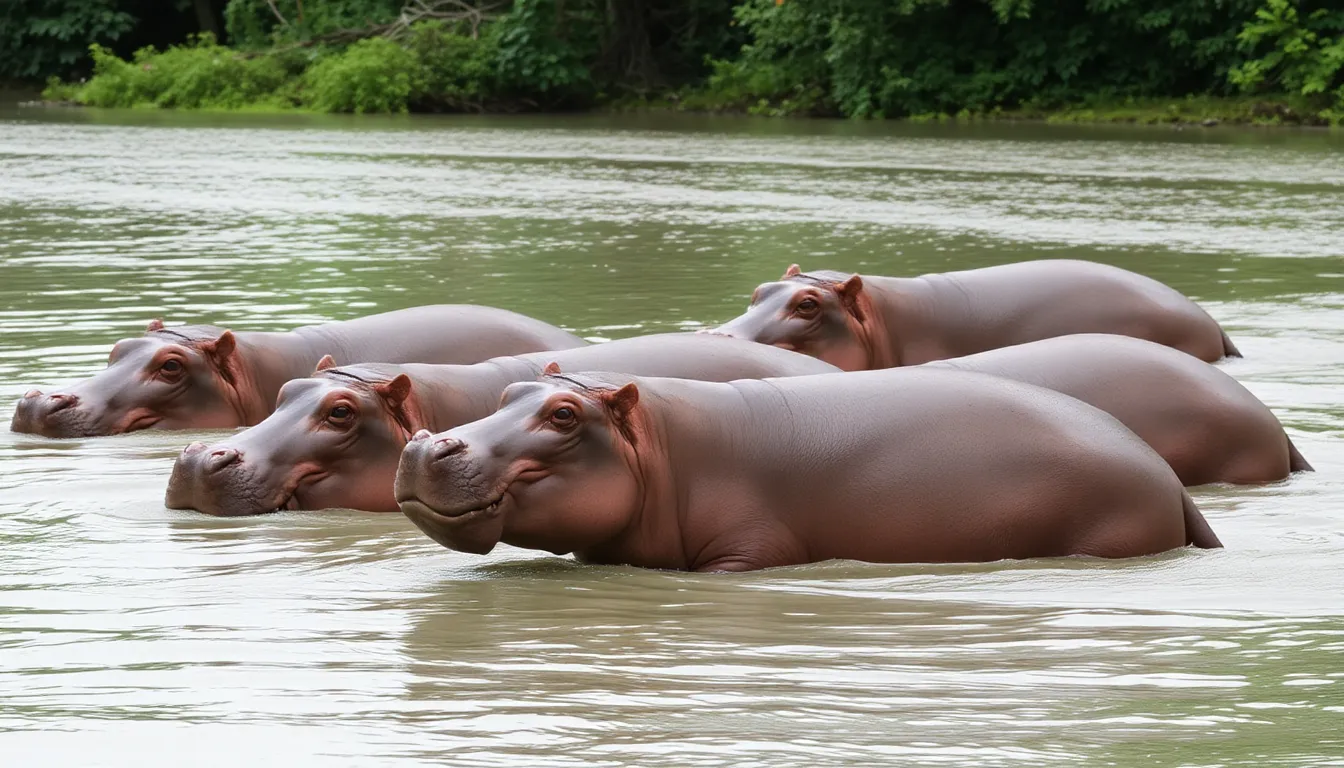
Frequently asked questions about the hippos and their future
Key takeaways and future outlook on the hippo situation
The proposal by an Indian billionaire’s son to house Pablo Escobar’s hippos at his private zoo highlights the complex interplay between wildlife conservation, ethical considerations, and the growing interest in exotic animals. This situation not only raises questions about the management of invasive species but also reflects broader trends in wildlife tourism and conservation efforts. As discussions continue, the outcomes may influence similar initiatives in other regions.
Observing how local authorities respond to this offer will be crucial, as it may set precedents for the handling of non-native species in captivity. Furthermore, public sentiment regarding animal welfare and conservation will likely play a significant role in shaping the future of such proposals.
- The management of Escobar’s hippos could lead to new strategies for dealing with invasive species globally.
- Increased scrutiny on private zoos may emerge, prompting stricter regulations and ethical standards.
- This case may inspire other wealthy individuals to take similar initiatives, impacting wildlife conservation narratives.
- Public engagement and opinion will be pivotal in determining the success of this initiative and similar future projects.
- Potential collaborations between private entities and conservation organizations could reshape the landscape of wildlife management.