
As part of their mission objectives, the Artemis II crew will conduct a series of tests and evaluations of the Orion spacecraft and its systems during the flight. This will include assessing life support systems and avionics, which are vital for the safety and success of future lunar missions. For more information on the mission’s objectives, visit this link. The crew’s experiences and insights will be shared with the public, emphasizing the importance of teamwork and innovation in space exploration.
The crew consists of NASA astronauts Reid Wiseman, Victor Glover, Christina Koch, and Jeremy Hansen from the Canadian Space Agency. Their diverse backgrounds not only represent a significant milestone in inclusivity within the space sector but also highlight the collaborative nature of international space exploration. This mission serves as a reminder of humanity’s shared goals and the potential for unity in the pursuit of knowledge beyond our planet. To learn more about inclusivity in space, check out this article.
In addition to its technical objectives, Artemis II aims to inspire the next generation of scientists, engineers, and explorers. Through educational outreach and public engagement initiatives, the mission seeks to ignite interest in STEM fields among young people worldwide. The crew’s journey will be documented and broadcasted, allowing audiences to experience the excitement of space travel and the possibilities it holds for the future.
Understanding the significance of Artemis II in the context of space exploration
The Artemis II mission represents a pivotal moment in the ongoing saga of human space exploration, marking the first crewed flight in NASA’s Artemis program. This initiative aims to return humans to the Moon by 2024, with the broader goal of establishing a sustainable human presence on the lunar surface. The mission is not only a technical achievement but also a symbol of international collaboration and inspiration for future generations. It encapsulates decades of progress in space exploration, building on the legacy of the Apollo missions while integrating modern advancements in technology and international partnerships.
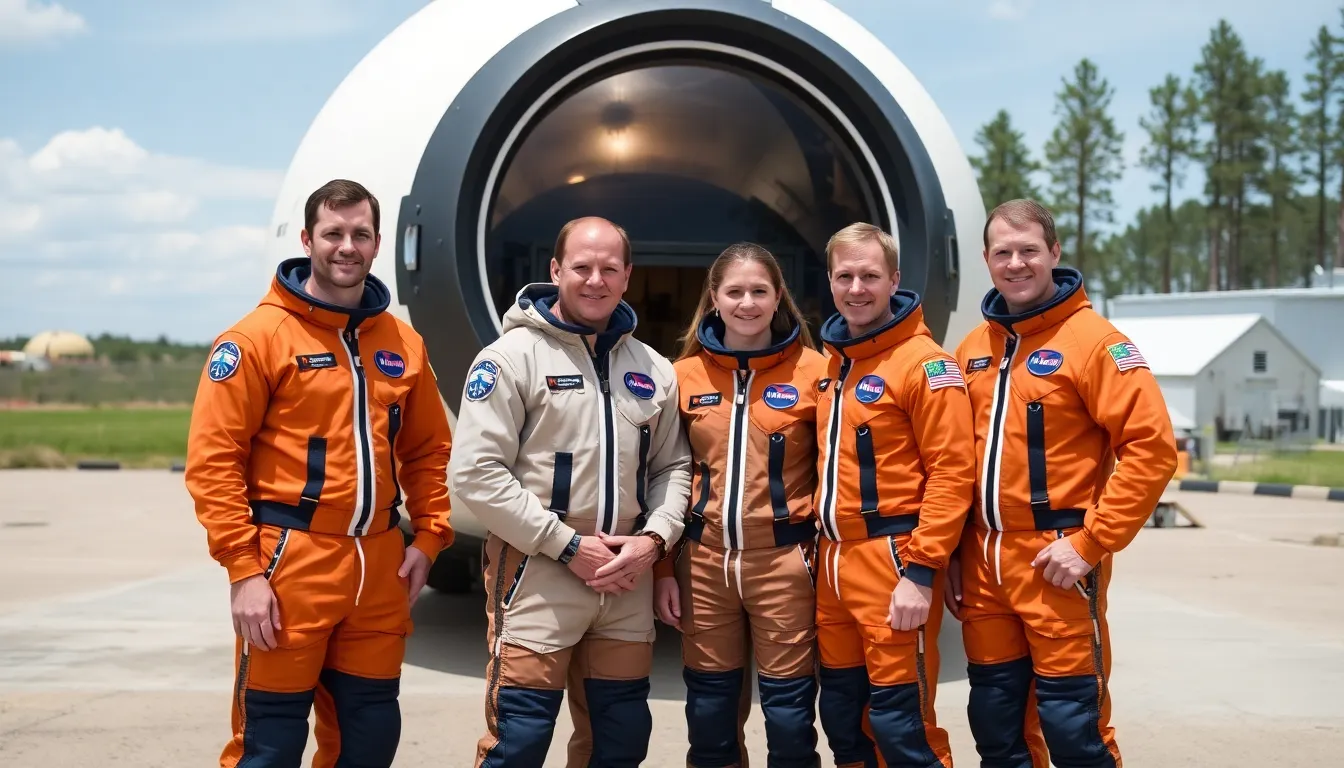
Historically, the Apollo program, which culminated in 1969 with the first Moon landing, ignited global interest in space exploration. The subsequent decades saw a decline in human spaceflight ambitions, as funding and political focus shifted. However, in recent years, there has been a renewed commitment to exploring beyond Earth, driven by both scientific curiosity and geopolitical considerations. The Artemis program, initiated in 2019, represents a strategic effort to re-establish U.S. leadership in space while fostering international cooperation.
Economically, the Artemis II mission is expected to stimulate growth in the aerospace sector, creating jobs and fostering innovation. The involvement of private companies alongside government agencies reflects a shift towards a more commercial approach to space exploration. This collaboration not only enhances capabilities but also democratizes access to space, allowing a broader range of nations and organizations to participate in this new era of exploration.
Inspiring Future Generations
One of the most significant aspects of the Artemis II mission is its potential to inspire the next generation of scientists, engineers, and explorers. By showcasing a diverse crew, including the first woman and the first person of color to embark on a lunar mission, Artemis II aims to break down barriers and encourage young people from all backgrounds to pursue careers in STEM fields. For insights on inspiring young minds, you can explore related articles. The mission serves as a reminder of the importance of inclusivity in science and technology, emphasizing that the quest for knowledge and exploration is a collective human endeavor.
Key issues surrounding the Artemis II crew’s mission and their impact on society
The Artemis II mission, which aims to return humans to the Moon, involves a diverse group of stakeholders, including NASA, international space agencies, private aerospace companies, and educational institutions. Each of these actors has distinct interests that influence their involvement in the mission. NASA, as the leading organization, seeks to advance human space exploration and establish a sustainable presence on the Moon, while also inspiring future generations of scientists and engineers.
International partnerships play a crucial role in the mission, with countries like Canada and the European Space Agency contributing technology and expertise. These collaborations aim to unify efforts in space exploration, fostering a sense of global community. However, differing priorities among nations may lead to conflicts over resource allocation and technological sharing, highlighting the need for clear agreements and communication.
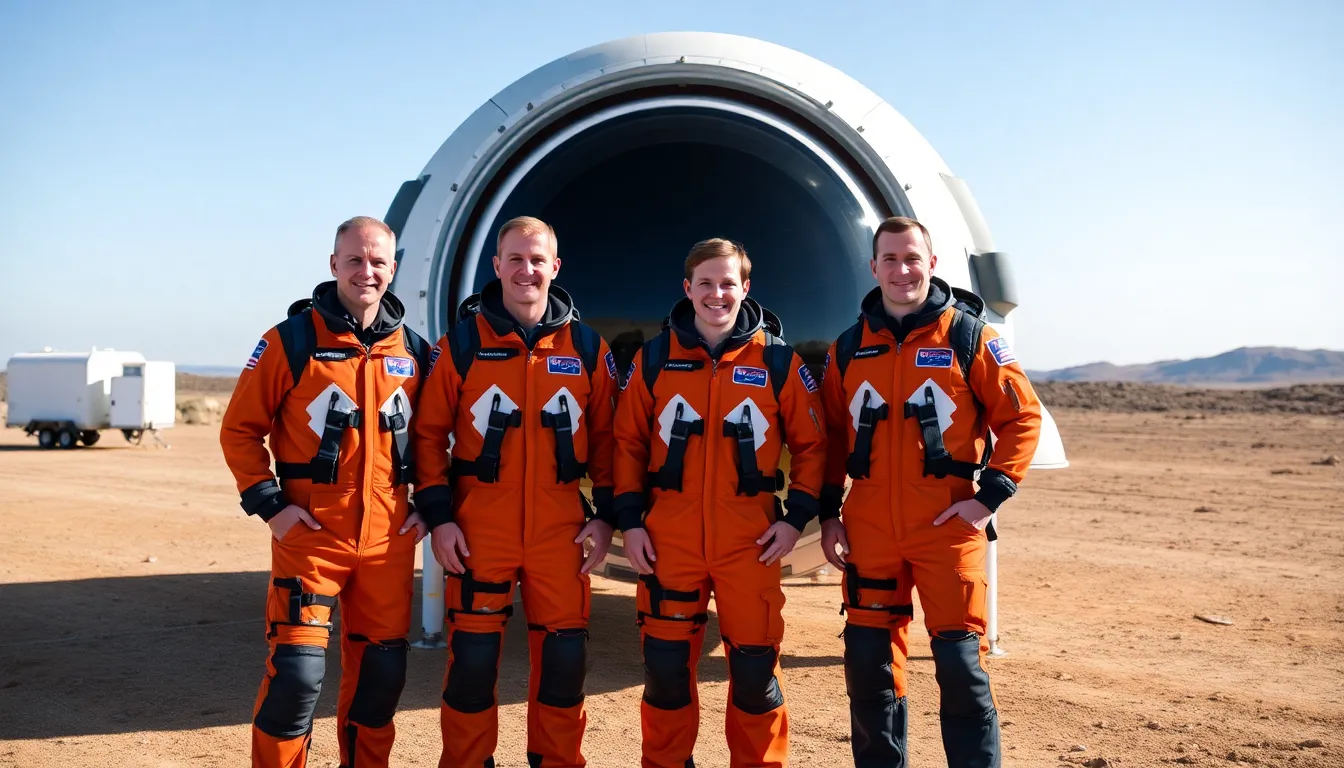
Economic considerations also present significant challenges. The investment required for the Artemis II mission is substantial, raising questions about budget allocations within participating countries. Stakeholders must balance the costs of space exploration with pressing terrestrial issues, such as climate change and social inequality. This trade-off can create tension between those advocating for space exploration and those prioritizing immediate societal needs.
- Inspiring the next generation: The mission aims to engage young people in STEM fields, emphasizing the importance of education and innovation.
- International collaboration: Partnerships among nations can enhance technological development but may also lead to disputes over intellectual property rights.
- Economic impact: The financial burden of the mission raises questions about funding and resource allocation, impacting other sectors.
- Environmental considerations: The mission must address potential environmental impacts on the Moon and beyond, raising ethical concerns about space exploration.
- Legal frameworks: Existing space treaties may need to be revisited to accommodate new technologies and international partnerships.
As the Artemis II crew embarks on their journey, the interplay of these stakeholders and issues will shape not only the mission’s success but also its broader implications for humanity’s future in space exploration.
How the Artemis II mission will affect future generations and global collaboration
The Artemis II mission, set to launch the next crewed journey to the Moon, will have far-reaching effects on various groups, industries, and regions. The primary beneficiaries will be the younger generations, who will be inspired by the mission’s vision of space exploration and technological advancement. Educational institutions, particularly those focused on STEM (science, technology, engineering, and mathematics), will see increased interest and enrollment as students aspire to participate in future space endeavors.
In the short term, the mission is expected to boost local economies in regions involved in aerospace manufacturing and technology. Companies that provide components for spacecraft, such as propulsion systems and life support technologies, will experience increased demand. Additionally, tourism industries in areas like Florida and Texas, where launches occur, may see a surge in visitors eager to witness the historic event.
Mid-term impacts may include shifts in policy as governments recognize the importance of investing in space exploration. Collaborative international efforts could lead to new treaties and partnerships, unifying nations around shared goals in space research and exploration. This could foster a sense of global community, as countries work together to address challenges such as climate change and resource management from a new perspective.
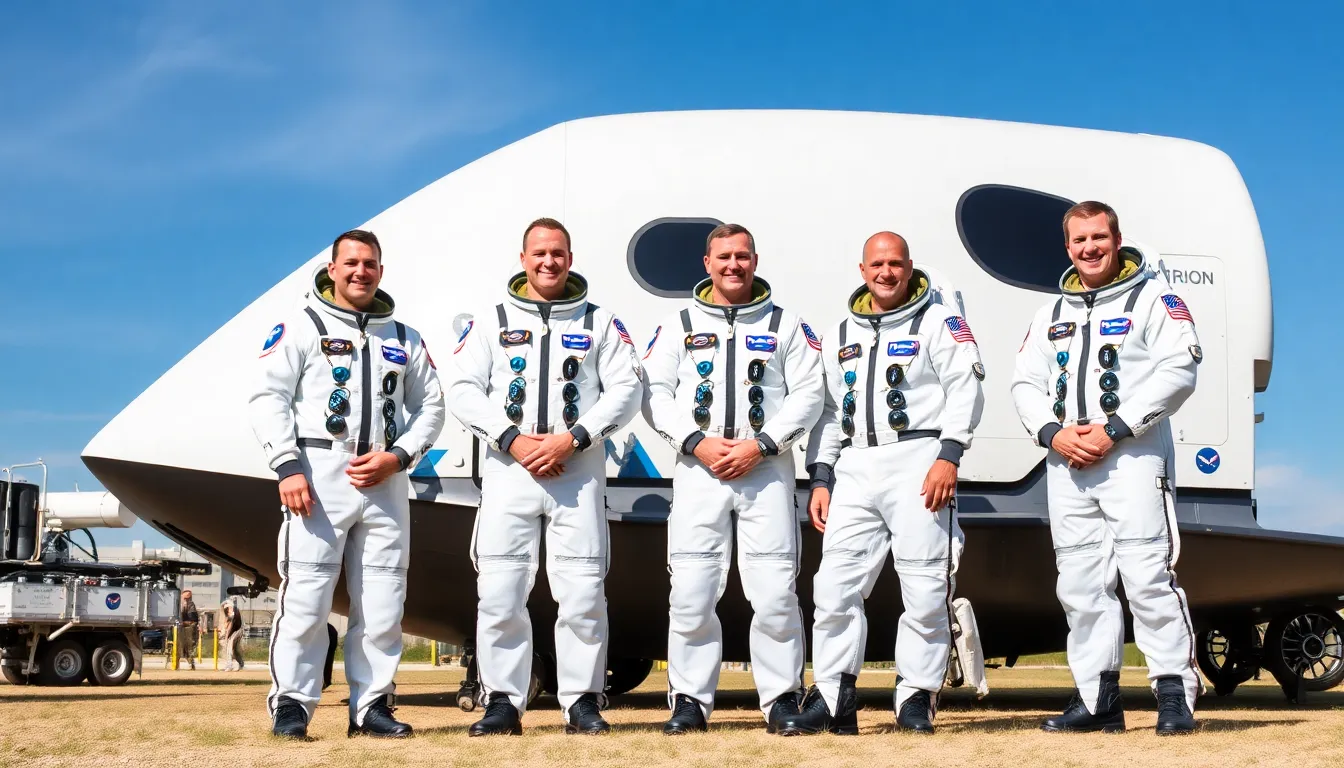
- Increased interest in STEM education: Encouraging young minds to pursue careers in science and technology.
- Economic growth in aerospace sectors: Creating jobs and boosting local economies.
- International collaboration: Promoting unity among nations through shared exploration goals.
- Potential risks of space debris: Highlighting the need for sustainable practices in space exploration.
- Opportunities for innovation: Stimulating advancements in technology that can benefit life on Earth.
While the Artemis II mission presents numerous opportunities, it also carries risks, particularly concerning space debris and environmental impacts. Addressing these challenges will require careful planning and international cooperation. Overall, the mission stands to inspire a new generation while fostering collaboration across borders, paving the way for a united approach to future challenges in space and on Earth.
A: The primary goal of the Artemis II mission is to prepare for human exploration of the Moon and to inspire the next generation of explorers and scientists. A: The crew aims to unify humanity by showcasing the collaborative efforts in space exploration and emphasizing the shared goals of all nations. A: Video serves as a powerful tool for outreach, allowing the crew to share their experiences and inspire young people around the world. A: Students can engage with the Artemis II mission through educational programs, social media campaigns, and by participating in STEM initiatives. A: Expected outcomes include advancements in space technology, increased international cooperation, and a renewed interest in STEM fields among youth.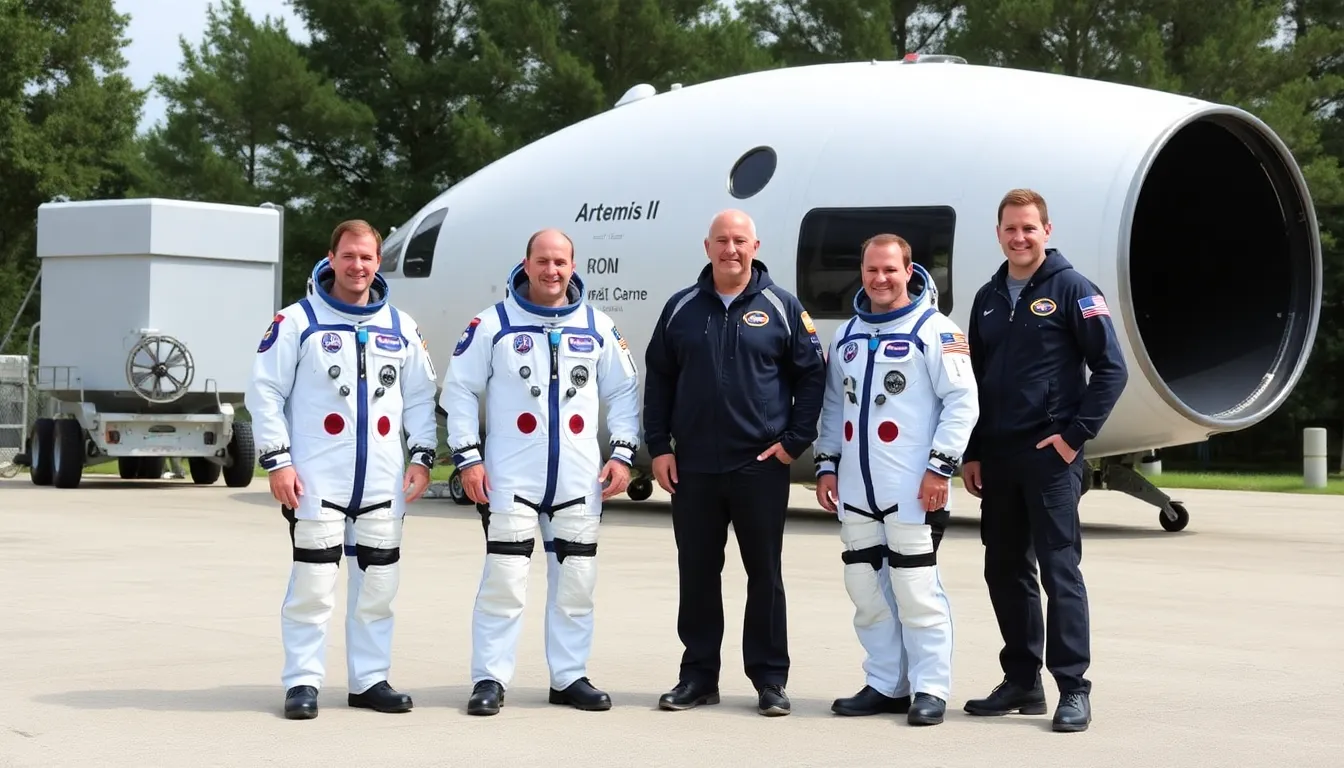
Frequently asked questions about the Artemis II mission and its crew
Key takeaways and future outlook for the Artemis II mission
The Artemis II mission represents a pivotal moment not only for space exploration but also for inspiring future generations. As the crew prepares for their groundbreaking journey, their role transcends mere scientific achievement; they embody the spirit of unity and collaboration that space exploration fosters among humanity. This mission serves as a beacon of hope and ambition, encouraging young minds to dream big and pursue careers in STEM fields.
Looking ahead, the implications of Artemis II extend beyond its immediate objectives. The mission highlights the importance of international partnerships in space exploration and the potential for shared human experiences that can bridge cultural divides. As we witness the crew’s journey, it is essential to consider how their experiences can motivate a global audience and foster a sense of collective purpose in tackling challenges on Earth.
- The Artemis II mission could significantly boost interest in STEM education, inspiring the next generation of scientists and engineers.
- International collaboration showcased in this mission may set a precedent for future space endeavors, emphasizing unity in exploration.
- Public engagement through media coverage and storytelling can enhance the emotional connection to space exploration, making it more relatable.
- The mission’s success may lead to increased funding and support for future lunar and Martian exploration projects.
- Observing the crew’s diverse backgrounds can promote inclusivity and encourage diversity in future space missions.