
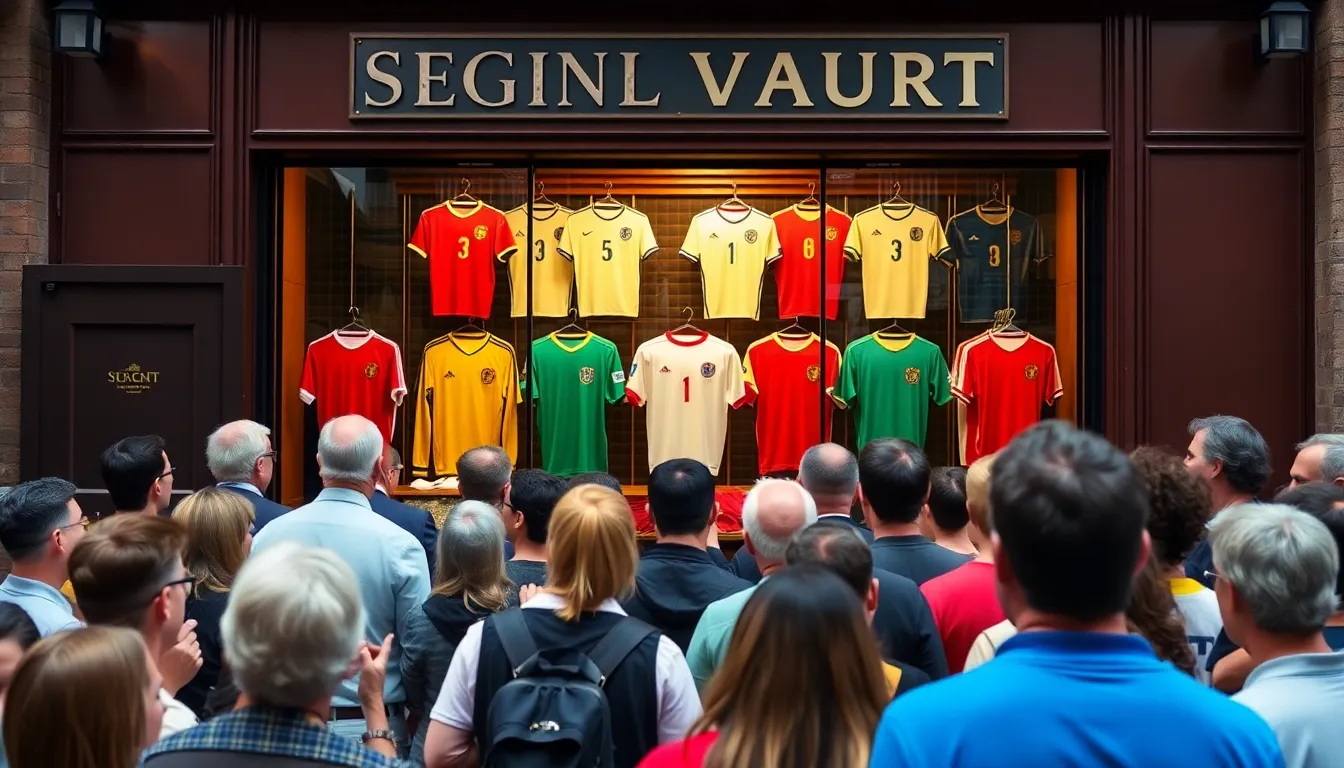
Classic Football Shirts, a leading retailer in the vintage sportswear market, has expanded its operations to accommodate the rising demand. Their newly established vault showcases some of the most coveted items, including jerseys worn by iconic players and teams, which are often priced in the thousands. This shift highlights the evolving landscape of sports collecting, where emotional connections to the game play a crucial role. For more insights on cultural phenomena, check out our article on Michael Jackson’s Iconic Music Video Directors.
Recent events, such as the opening of their dedicated vault in September 2023, have attracted media attention and increased foot traffic to their physical locations. The vault not only serves as a retail space but also as a museum of sorts, where fans can explore the rich history of football through its apparel. The interaction between collectors and the merchandise has fostered a vibrant community around the love for classic shirts.
Moreover, social media platforms have amplified this trend, allowing collectors to share their finds and stories with a wider audience. This digital engagement has created an online marketplace where vintage shirts are bought and sold, further driving up their value. As the interest in classic football shirts continues to grow, it raises questions about the sustainability of this market and the future of sports memorabilia collecting.
Understanding the history behind vintage football shirts
The world of vintage football shirts is steeped in a rich history that intertwines with the evolution of the sport itself. Football, as a global phenomenon, began to gain traction in the late 19th century, with clubs forming across Europe and beyond. The shirts worn by players were originally utilitarian, designed for practicality rather than aesthetics. However, as the sport grew in popularity, so too did the significance of team colors and designs, marking a shift towards a more commercialized approach to football apparel.
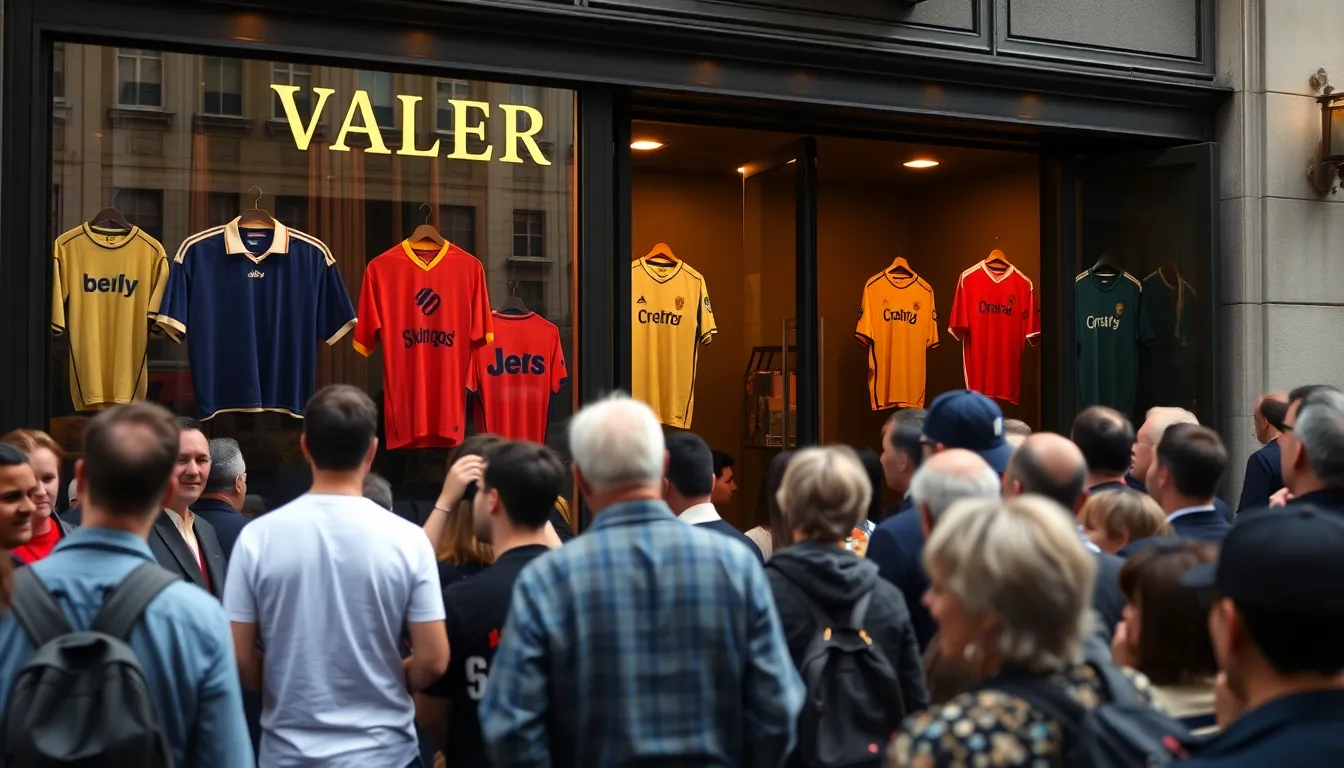
In the 1970s and 1980s, football shirts began to reflect not just team identity but also cultural and social movements. For instance, the rise of casual culture in the UK saw fans embracing football shirts as a fashion statement, leading to a surge in demand for vintage gear. This era also marked the introduction of iconic designs that fans now cherish, such as the vibrant patterns of the 1990s and the introduction of sponsor logos, which changed the landscape of football merchandising forever. To understand more about evolving trends, explore our discussion on Trends in Inside Health.
The economic impact of vintage shirts
The economic significance of vintage football shirts cannot be understated. As collectors began to recognize the value of rare and iconic pieces, a market emerged that saw prices skyrocket for certain jerseys. Auctions and specialized retailers have popped up, catering to enthusiasts willing to pay top dollar for shirts that represent not only a club’s history but also personal nostalgia. This trend has been fueled by the rise of social media, where collectors showcase their finds, further driving up demand and prices.
Moreover, the preservation of these shirts has become a cultural endeavor, with organizations and enthusiasts dedicated to maintaining the legacy of football history through these garments. Exhibitions and documentaries, like the one featuring Classic Football Shirts, highlight the stories behind specific pieces, connecting fans to the broader narrative of the sport and its impact on society. This cultural preservation is reminiscent of initiatives in wildlife conservation, as seen in our article on wildlife thriving in newly created wetland habitat.
Key stakeholders in the vintage football shirt market
The vintage football shirt market is a complex ecosystem involving various stakeholders, each with their own interests and motivations. Key players include collectors, retailers, manufacturers, and football clubs, all of whom contribute to the dynamics of this niche market.
Collectors are often passionate individuals who seek rare and valuable shirts to add to their collections. Their interests lie in finding authentic pieces that reflect their personal connection to the sport or specific teams. Retailers, on the other hand, aim to profit from the growing demand for vintage gear. They curate selections that appeal to both nostalgic fans and new enthusiasts, balancing authenticity with market trends.
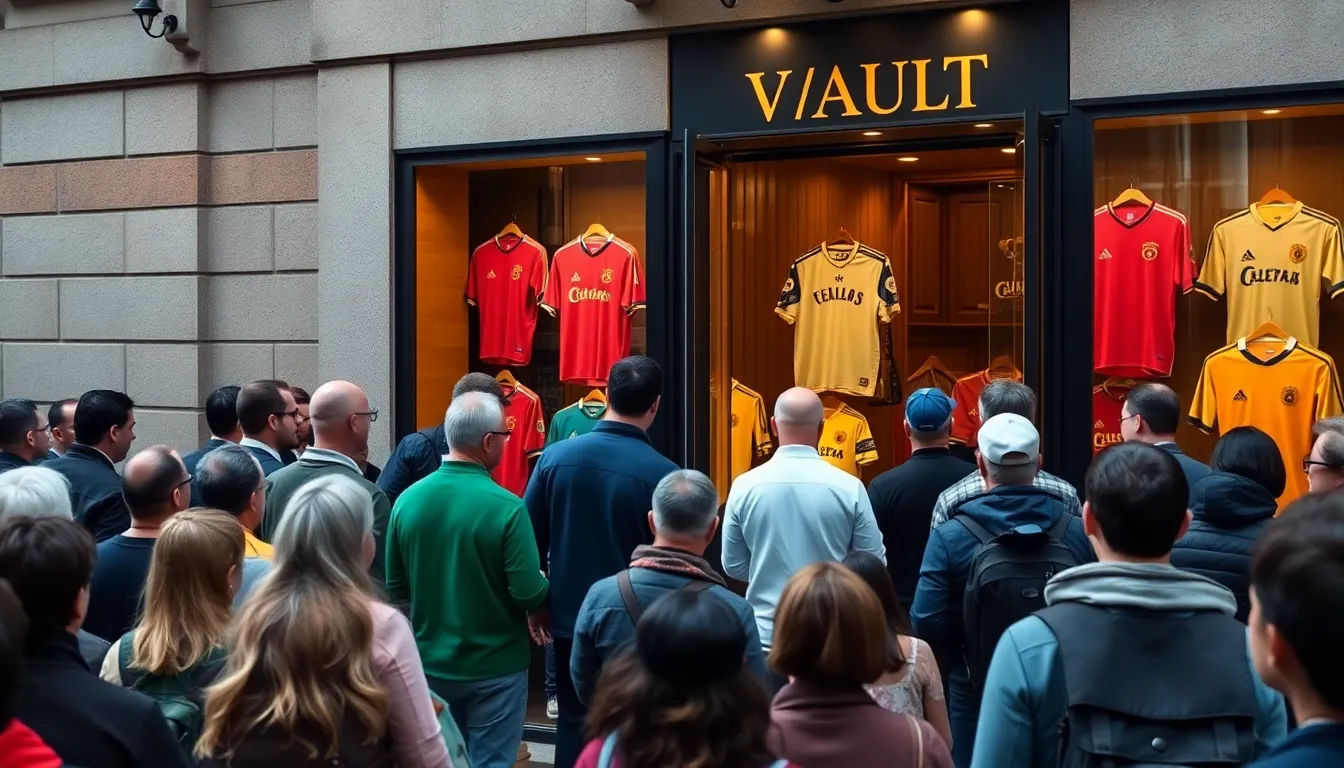
Football clubs also play a significant role, as they may have legal rights over the branding and logos featured on their shirts. This can lead to conflicts over intellectual property, especially when it comes to the resale of vintage items. Clubs may seek to protect their brand while also recognizing the potential benefits of nostalgia-driven merchandise sales.
- Trade-offs: Retailers must navigate the fine line between authenticity and profitability, often facing pressure to replicate popular designs.
- Legal issues: The use of club logos on vintage shirts can lead to disputes regarding copyright and trademark infringement.
- Economic factors: Market fluctuations can impact the value of vintage shirts, making it essential for collectors and retailers to stay informed.
- Community interests: Fans often advocate for the preservation of football heritage, influencing how vintage shirts are marketed and sold.
In summary, the vintage football shirt market is shaped by a diverse array of stakeholders whose interests sometimes align and at other times conflict. Understanding these dynamics provides insight into the broader implications for the football culture and its commercial landscape.
The impact of vintage shirts on collectors and fans
The resurgence of interest in vintage football shirts has created a significant impact on various groups, particularly collectors, fans, and the fashion industry. Collectors are often driven by nostalgia and a desire to own a piece of football history, while fans see these shirts as a way to express their loyalty to their teams. This phenomenon has also attracted the attention of fashion enthusiasts who appreciate the unique designs and cultural significance of these garments.
In the short term, the market for vintage football shirts is experiencing a surge in demand, leading to increased prices for rare items. This trend benefits sellers and collectors who are looking to profit from their collections. Retailers specializing in vintage gear are also seeing a boost in business, as more consumers seek out these unique pieces. However, this can create challenges for casual fans who may find it difficult to afford authentic vintage shirts.
In the mid-term, the impact extends beyond individual collectors to the broader sports merchandise market. As vintage shirts gain popularity, brands may begin to produce retro-inspired lines, catering to the growing demand. This could lead to a shift in how sports apparel is marketed and sold, with a focus on nostalgia and heritage. Additionally, the increase in interest may prompt sports organizations to explore collaborations with vintage sellers, creating new revenue streams.
- Opportunities: Growth in niche markets for vintage apparel.
- Risks: Potential for counterfeit products as demand increases.
- Impact on fans: Rising prices may alienate some from the vintage market.
- Business shifts: Retailers may adapt to focus on retro designs.
As the vintage football shirt market evolves, it will continue to shape the experiences of collectors and fans alike, influencing not only their purchasing habits but also the broader landscape of sports merchandising.
A: A football shirt is considered vintage if it is typically over 20 years old and represents a specific era in football history. These shirts often hold nostalgic value for fans and collectors. A: The value of a vintage football shirt can depend on factors such as rarity, condition, and demand among collectors. Researching recent sales and consulting with experts can provide a better understanding of its worth. A: Authentic vintage football shirts can be purchased from specialized retailers, online marketplaces, and auctions. It’s important to verify the authenticity to avoid counterfeit items. A: Vintage football shirts can be a good investment if chosen wisely, as their value may appreciate over time. However, like any investment, they carry risks and require research. A: To care for a vintage football shirt, it is best to hand wash it in cold water and air dry it away from direct sunlight. Proper storage in a cool, dry place can also help preserve its condition.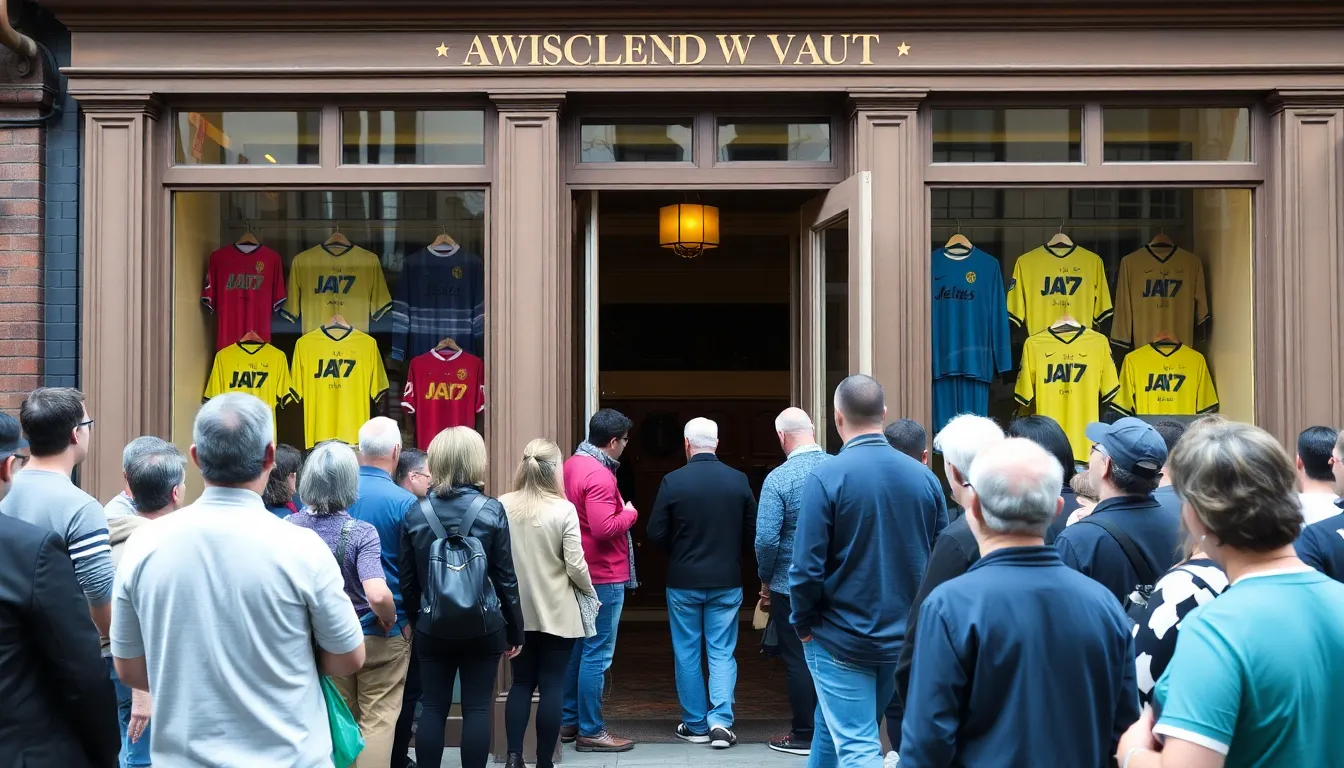
Frequently asked questions about vintage football shirts
Key insights and future outlook on vintage football shirts
The growing interest in vintage football shirts reflects a broader cultural appreciation for nostalgia and heritage in sports. As collectors seek out rare pieces, the market for these items continues to expand, driven by both emotional connections and potential investment value. The meticulous curation of Classic Football Shirts highlights the importance of authenticity and storytelling in enhancing the desirability of vintage gear.
Looking ahead, the intersection of technology and vintage collectibles may reshape how enthusiasts engage with their passion. Innovations in online platforms and augmented reality could provide new avenues for showcasing and trading these cherished items, while also fostering a deeper community among fans and collectors.
- The demand for vintage football shirts is likely to increase as nostalgia-driven trends continue to gain traction.
- Investors may find value in rare pieces, making vintage shirts a potential asset class in the collectibles market.
- Authenticity and provenance will become critical factors in determining the value of vintage gear.
- Technological advancements could enhance the buying and selling experience, connecting collectors in innovative ways.
- Community engagement through social media and dedicated platforms will play a key role in shaping the future of vintage football shirt culture.