
Prynne, who was born on June 24, 1936, in Cambridge, England, was celebrated for his innovative use of language and form, making him a pivotal figure in the British avant-garde movement.
The announcement of his death has sparked tributes from various literary figures and institutions, highlighting his role as a mentor and inspiration, particularly in how he challenged conventional boundaries and provoked thought among readers.
Prynne’s legacy is particularly significant in the context of contemporary poetry, where his emphasis on linguistic experimentation and intellectual rigor has paved the way for new forms of expression. As the literary community reflects on his life and work, discussions about his influence and the future of poetry in Britain are likely to intensify.
Understanding the legacy of J.H. Prynne in British poetry
J.H. Prynne, who passed away at the age of 89, was a towering figure in contemporary British poetry, known for his complex and often enigmatic style. His work emerged during a period of significant cultural and political transformation in the United Kingdom, particularly during the late 20th century when poetry began to reflect broader societal shifts. Prynne’s poetry often engaged with themes of language, politics, and the nature of perception, making him a pivotal figure in the evolution of modern poetic discourse.
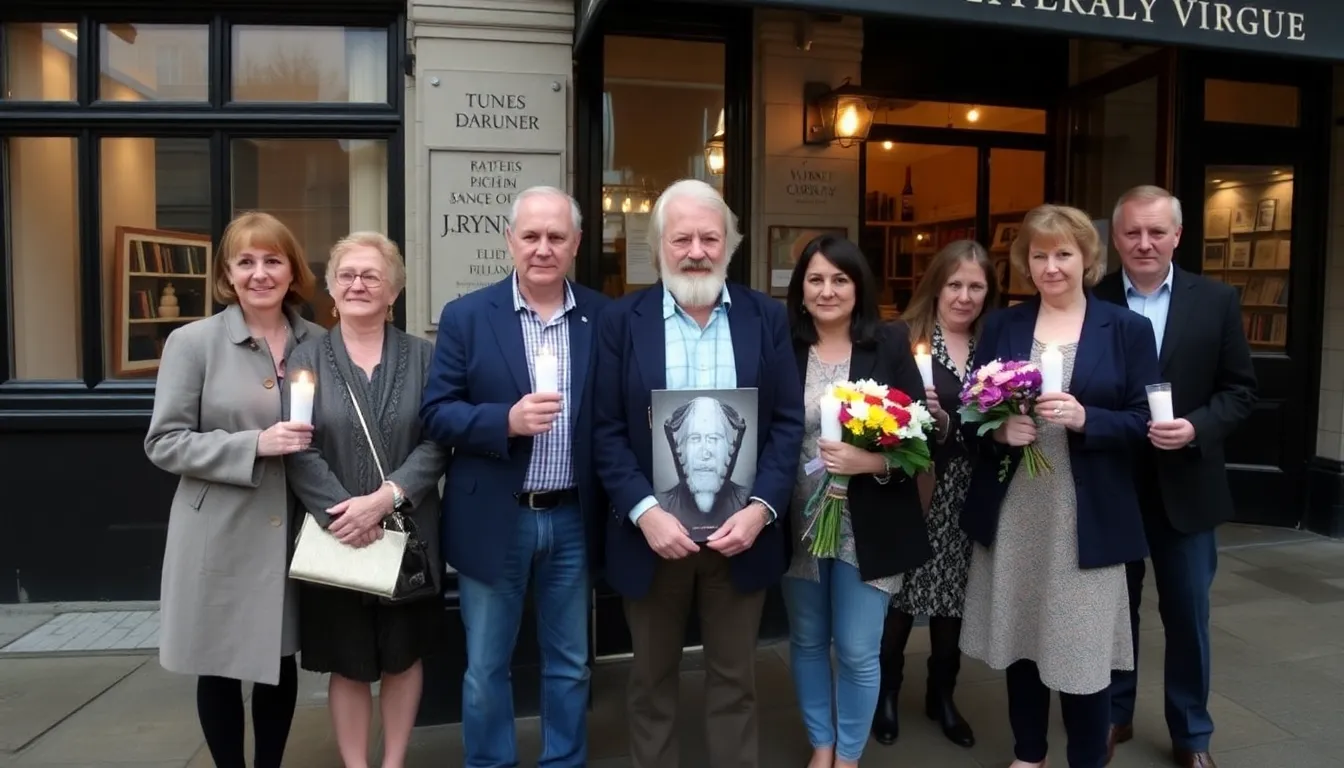
Born in 1936, Prynne’s formative years coincided with the post-war reconstruction of Britain, a time when the arts were undergoing a renaissance. The rise of movements such as the British New Wave and the influence of American poets like Charles Olson and Allen Ginsberg shaped Prynne’s early work. His poetry often challenged conventional forms and sought to interrogate the very structures of language, reflecting a broader intellectual engagement with the philosophical underpinnings of communication and meaning.
Throughout his career, Prynne was associated with the Cambridge School of poets, which included notable contemporaries such as Andrew Crozier and Tom Raworth. This group was characterized by a commitment to experimental forms and a rejection of mainstream poetic conventions. Prynne’s distinct voice, marked by its dense allusions and intricate syntax, set him apart as an elusive figure whose work demanded careful reading and interpretation.
The Influence of Political Context
Prynne’s poetry cannot be divorced from the political landscape of his time. The tumultuous events of the 1960s and 1970s, including the rise of counterculture and anti-establishment movements, found resonance in his writing. His engagement with Marxism and critiques of capitalist society informed much of his work, positioning him as a poet deeply aware of the socio-political implications of art. This intersection of poetry and politics has left a lasting impact on subsequent generations of poets who continue to explore similar themes.
Exploring the themes and styles that defined Prynne’s work
J.H. Prynne, a prominent figure in contemporary British poetry, has left behind a complex legacy that resonates with various stakeholders, including literary scholars, publishers, and poetry enthusiasts. Each of these groups has distinct interests and perspectives regarding Prynne’s contributions to the literary world.
Literary scholars are particularly invested in analyzing Prynne’s unique style, which blends intricate language with philosophical depth, making it a rich subject for academic discourse.
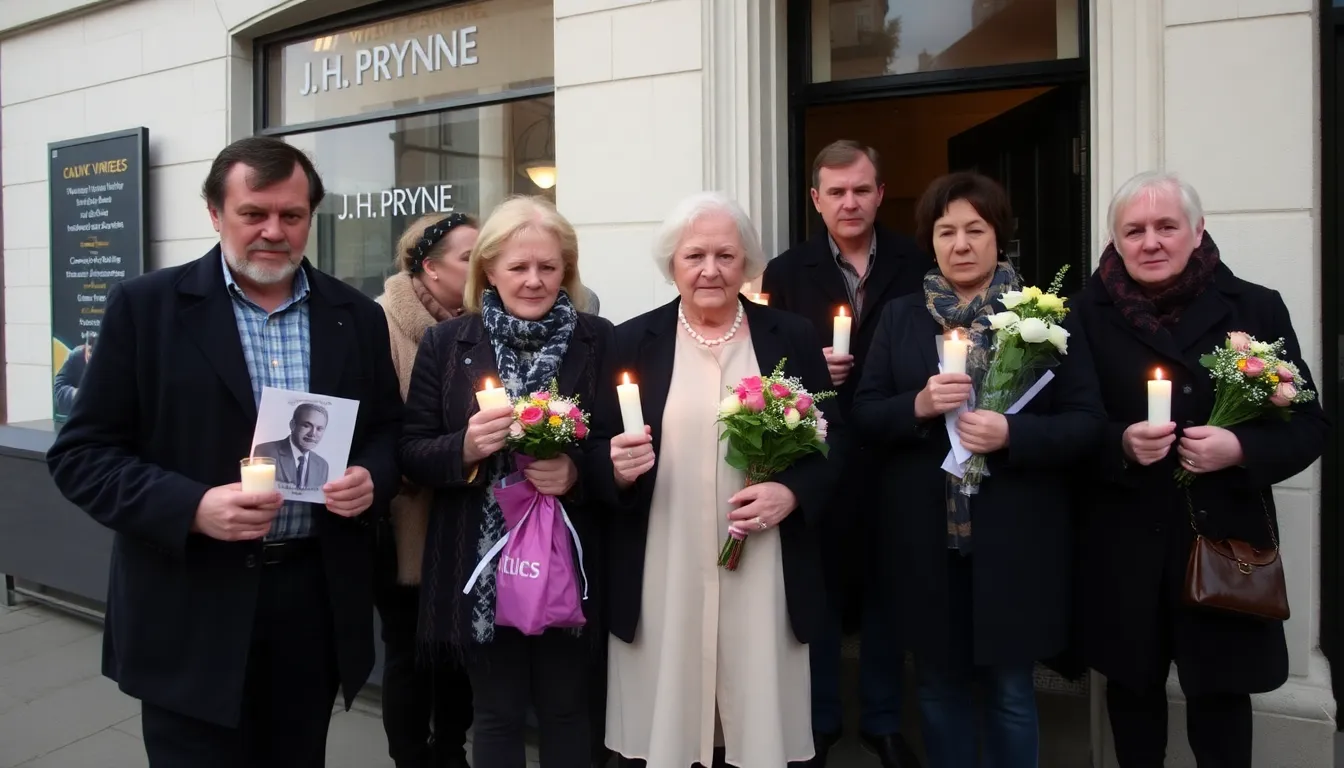
Publishers and literary organizations also play a significant role in the legacy of poets like Prynne. Their interest lies in promoting his work and ensuring its availability to new generations of readers. However, the niche appeal of Prynne’s poetry may limit its marketability, leading to potential conflicts over how best to present his oeuvre in a commercial landscape increasingly driven by trends and mass appeal.
Moreover, Prynne’s death raises questions about the preservation of his work and the future of avant-garde poetry. Key issues include:
- The potential for increased academic interest, which may lead to a resurgence of Prynne’s work in literary studies.
- Concerns over the commercialization of his poetry, which may dilute its original intent and artistic value.
- The role of literary festivals and events in honoring his legacy while fostering discussions about the relevance of unconventional poetry today.
As stakeholders navigate these dynamics, they must consider the trade-offs between maintaining the integrity of Prynne’s artistic vision and adapting to the changing landscape of literature and audience engagement.
The influence of Prynne’s poetry on future generations of writers
The passing of J.H. Prynne at the age of 89 marks a significant moment in the literary world, affecting a diverse range of groups including poets, scholars, and literary enthusiasts. His unique style and complex themes have inspired countless writers and have left a profound impact on contemporary poetry. As a figure in the British avant-garde movement, Prynne’s work has influenced not just poets but also critics and academics who study modern literature.
In the short term, the literary community may experience a wave of retrospection, leading to increased interest in Prynne’s oeuvre. This could manifest in renewed discussions in literary circles, academic courses, and seminars dedicated to his work. Publishers may also see a rise in demand for his poetry collections and critical analyses, leading to potential reprints and new publications that explore his influence on the genre.
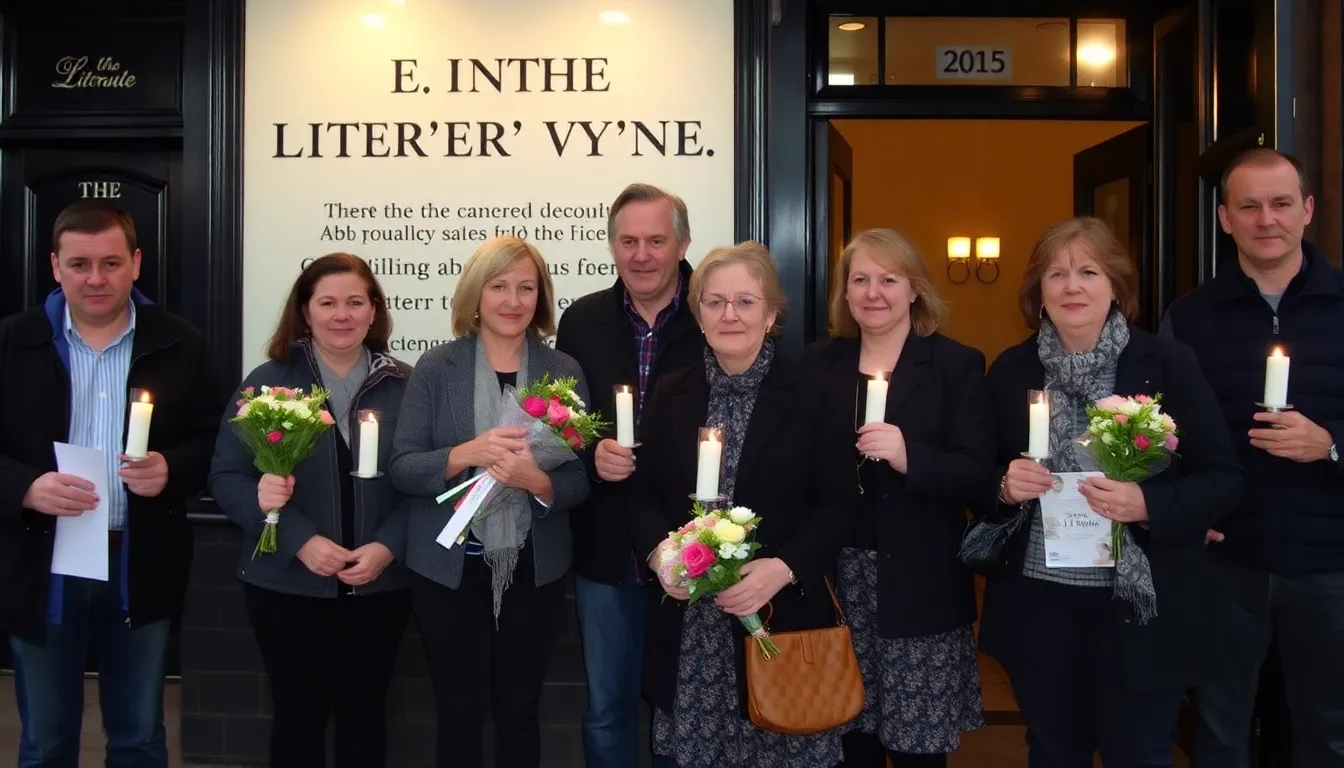
In the mid-term, Prynne’s death could catalyze a shift in poetic trends, as emerging writers might seek to emulate or respond to his distinctive voice. This could lead to both risks and opportunities within the literary market. For instance, there may be a dilution of Prynne’s original themes if his style is misinterpreted or overly commercialized. Conversely, his legacy could inspire a new generation of poets to push boundaries and explore complex ideas, enriching the literary landscape.
- Increased academic interest: Scholars may delve deeper into Prynne’s work, leading to new interpretations and critical essays.
- Market opportunities: Publishers may capitalize on the renewed interest by releasing collections or anthologies that feature Prynne’s work.
- Emergence of new voices: Young poets could draw inspiration from Prynne, potentially leading to innovative poetic expressions.
Regions that have historically embraced Prynne’s work, particularly in the UK, may see literary festivals and events dedicated to his memory. This can foster a sense of community among fans and writers, creating networking opportunities that could lead to collaborative projects and new artistic ventures. Overall, while the loss of J.H. Prynne is felt deeply, it also opens doors for exploration and growth within the literary field.
A: J.H. Prynne is known for several influential collections, including ‘The White Stones’ and ‘Brass’. His poetry often explores complex themes and employs innovative language. A: Prynne’s style is characterized by its density and abstraction, often challenging readers with its intricate wordplay and philosophical depth, setting him apart from more conventional poets. A: Prynne’s work has inspired a generation of poets to embrace complexity and experimentation in their writing, influencing movements such as the Cambridge School of poetry. A: Yes, Prynne was associated with the British avant-garde and was a key figure in the Cambridge School, which sought to redefine poetic expression. A: His passing is seen as a significant loss, as many poets and scholars regard him as a pivotal figure whose work will continue to resonate and inspire future generations.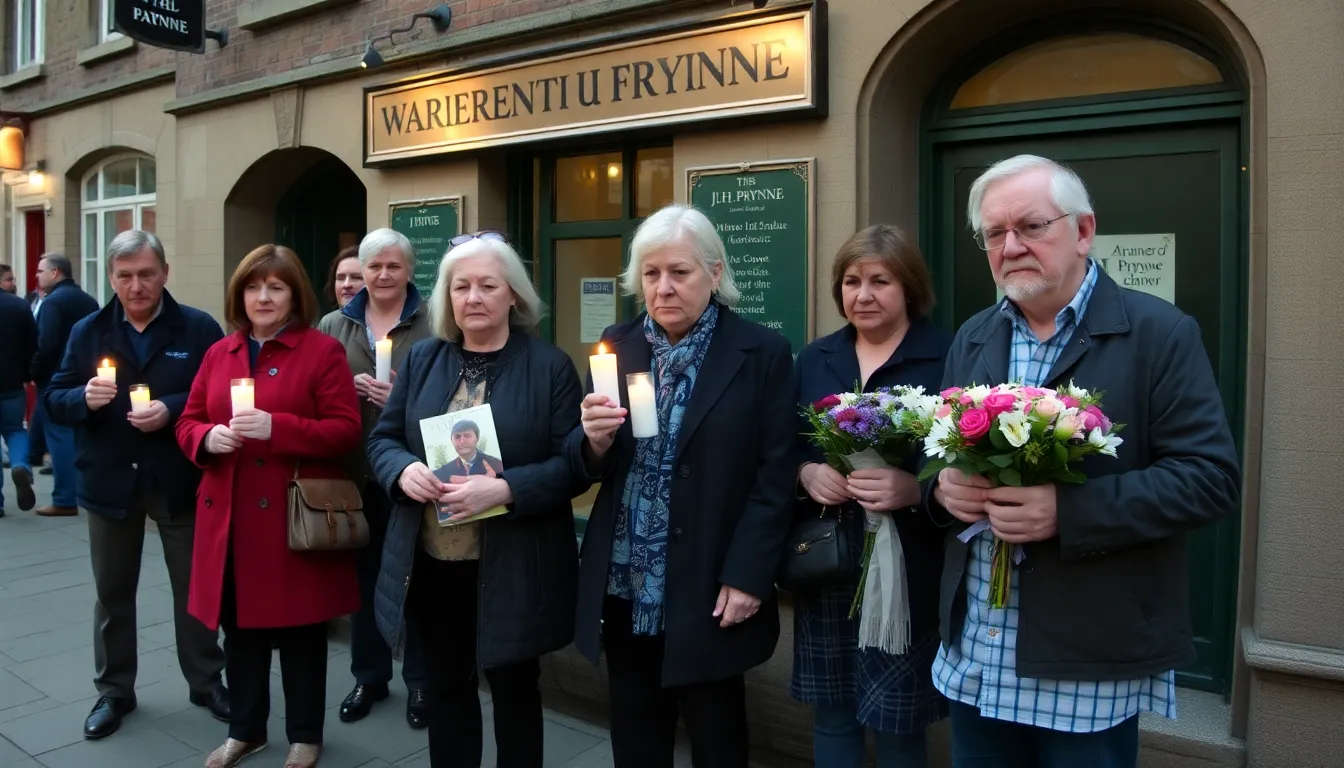
Frequently asked questions about J.H. Prynne
Reflecting on J.H. Prynne’s contributions to literature
J.H. Prynne’s passing marks a significant moment in the literary landscape, leaving behind a legacy that challenges conventional poetry and invites deeper engagement with language. His work, often characterized by dense imagery and complex themes, encourages readers to explore the intersections of personal experience and broader socio-political contexts. As we reflect on his contributions, it becomes clear that Prynne’s influence will continue to resonate in contemporary poetry and beyond.
In the wake of his death, the literary community is presented with an opportunity to reassess the impact of his innovative style and thematic concerns. Prynne’s unique approach may inspire both new and established poets to experiment with form and content, ultimately enriching the dialogue surrounding modern poetry.
- Emphasis on Language: Prynne’s work encourages poets to prioritize language as a dynamic force, prompting a reevaluation of how words can shape meaning and experience.
- Interdisciplinary Connections: His blending of poetry with philosophical and political discourse highlights the importance of interdisciplinary approaches in literary studies.
- Legacy of Innovation: Future poets may draw inspiration from Prynne’s experimental techniques, pushing the boundaries of traditional poetic forms.
- Engagement with Complexity: Readers are reminded of the value in engaging with complex texts, fostering a deeper appreciation for the nuances of poetic expression.
- Community Reflection: The literary community is encouraged to reflect on how Prynne’s work can inform contemporary discussions around identity, culture, and politics.