
The rise of these literary figures is significant as it raises questions about the dynamics of literary success and the impact of familial connections. Critics argue that the advantages of having a famous parent can overshadow the talents of emerging writers who lack such connections, as discussed in Isabelle Huppert and Others to Star in Yann Demange’s Thriller Lineage. In contrast, supporters claim that these individuals bring unique perspectives and experiences shaped by their upbringing, enriching the literary landscape.
Recent publications, including novels and essays by these literary heirs, have garnered attention and, in some cases, critical acclaim. For instance, in early 2023, a debut novel by a child of a Pulitzer Prize-winning author received a major publishing deal, prompting discussions about the role of legacy in contemporary literature. This trend not only reflects the changing nature of literary success but also underscores the ongoing conversation about diversity and representation within the publishing industry.
As the literary community continues to evolve, the impact of these nepo babies on both the market and the narrative surrounding authorship is becoming increasingly evident. The debate surrounding their rise is likely to persist, as it intertwines with broader societal discussions about privilege, opportunity, and the definition of talent in the arts.
The historical context of literary legacies
The phenomenon of literary nepo babies, or the children of renowned authors pursuing careers in writing, is not a new trend but rather a continuation of a long-standing tradition in literature. Throughout history, the literary world has seen numerous instances where familial connections have influenced the trajectory of writers’ careers. From the Brontë sisters to the offspring of modern literary giants, the interplay of legacy and creativity has shaped the literary landscape.
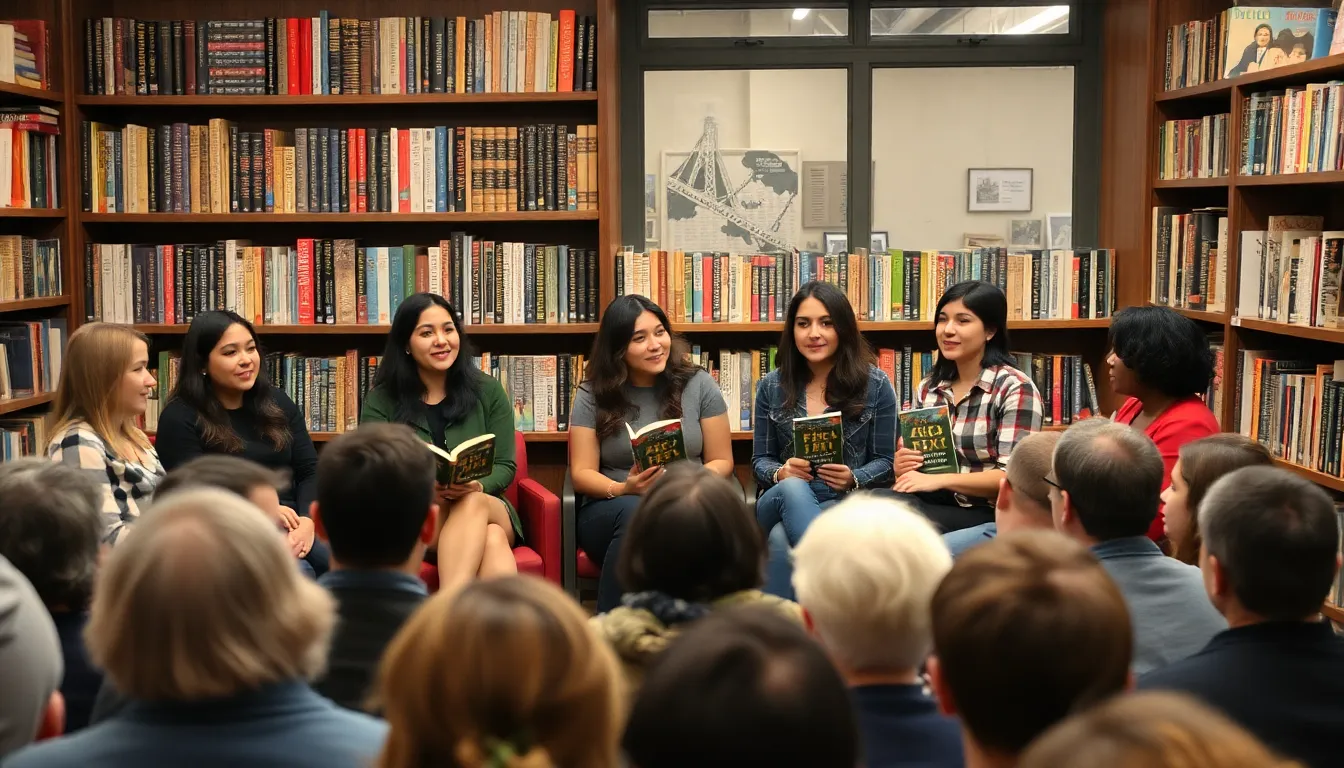
In the 19th century, the Brontë sisters Charlotte, Emily, and Anne crafted their own identities while being influenced by their literary family background. Their father, Patrick Brontë, was a clergyman and wrote poetry, which likely fostered an environment ripe for literary exploration. This historical precedent illustrates how familial connections can provide both inspiration and a platform for emerging writers, reminding us of the impact of legacy in the arts.
Fast forward to the 20th century, and the literary scene was dominated by figures like Stephen King and his son Joe Hill, who has carved out a successful niche in horror fiction. The support and visibility that come from having a famous literary parent can offer aspiring writers not only practical guidance but also an established audience, leading to a unique blend of expectation and opportunity.
The impact of social media and modern publishing
In recent years, the rise of social media and self-publishing has transformed the landscape for nepo babies. With platforms like Instagram and TikTok, young writers can showcase their work and connect with readers more easily than ever before. This democratization of the literary world means that the children of famous authors can leverage their heritage while also engaging with a broader audience, often blending traditional literary legacies with contemporary trends.
As the conversation around privilege and opportunity continues to evolve, the literary nepo baby phenomenon raises questions about meritocracy in the arts. While some may argue that these individuals benefit from their parents’ fame, others point out that the pressure to live up to such legacies can be immense, complicating the narrative of success in the literary field.
Key stakeholders and issues in the literary world
The rise of literary nepo babieschildren of established novelists stepping into the literary spotlighthas sparked various discussions among stakeholders in the literary community. These stakeholders include authors, publishers, literary agents, and readers, each with distinct interests and concerns regarding this phenomenon.
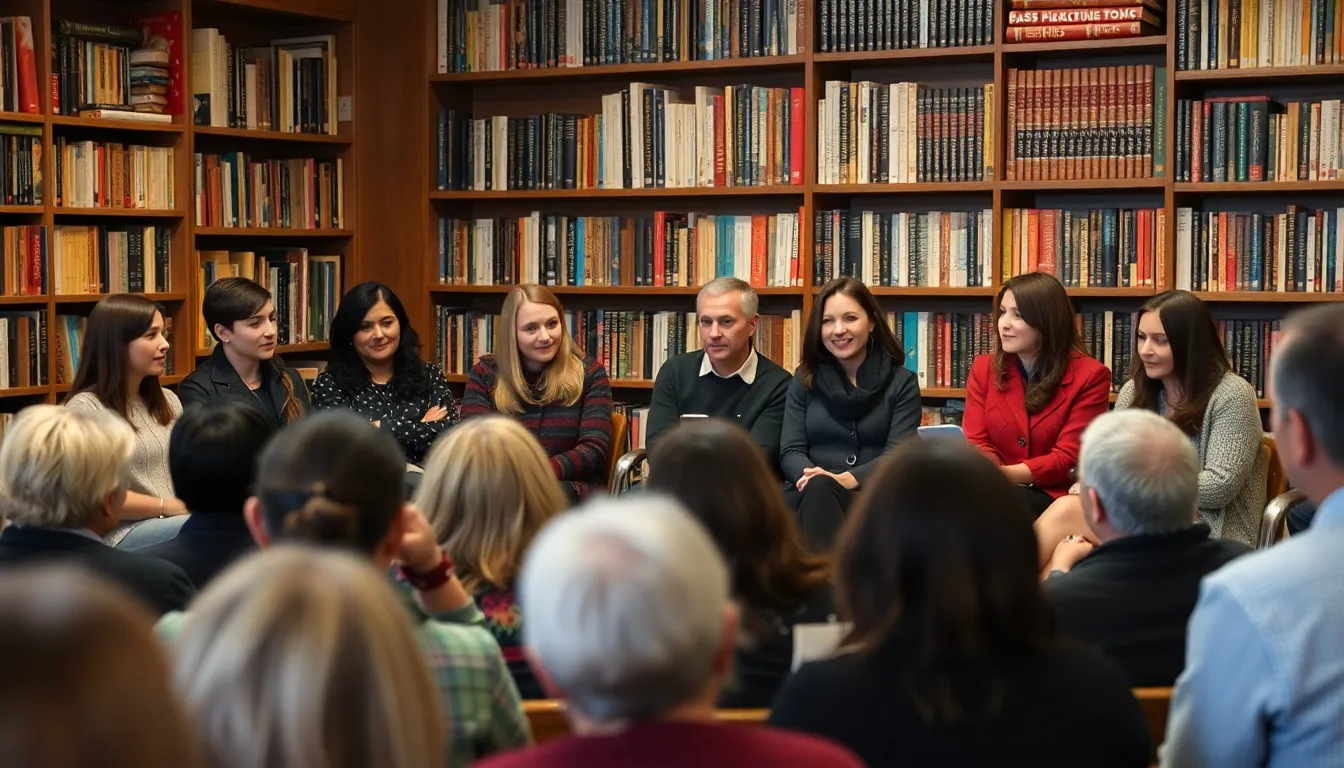
One of the primary groups involved are the established authors, who may experience mixed feelings about their offspring entering the same field. While they may wish to support their children’s ambitions, there is also the concern that their success could overshadow the achievements of emerging writers who lack such familial connections. This creates a potential conflict between nurturing talent and maintaining a level playing field in the literary marketplace.
Publishers are another critical stakeholder in this scenario. They often seek to capitalize on the name recognition associated with literary nepo babies, which can lead to increased sales and visibility. However, this reliance on established names might stifle diversity in literature, as new voices struggle to gain attention in a market dominated by familiar surnames. The trade-off here involves balancing commercial interests with the need for a broader representation of voices in literature.
- Established Authors: Concerned about overshadowing new talent.
- Publishers: Interested in leveraging name recognition for sales.
- Literary Agents: Navigating the demand for fresh talent versus established names.
- Readers: Seeking diverse narratives and authentic voices.
- Literary Critics: Evaluating the impact of nepotism on literary quality.
The legal and economic implications of this trend are also significant. Issues such as copyright, inheritance rights, and the commercialization of literary legacies come into play. As nepo babies inherit not just names but also literary estates, questions arise about the ethical dimensions of their success, as noted in Exploring the Depths of BBC Inside Science. Are they merely benefiting from their heritage, or are they genuinely contributing to the literary landscape?
The impact on the literary market and new authors
The rise of the literary nepo baby phenomenon significantly affects various groups within the literary market, particularly aspiring authors, publishing houses, and literary agents. As children of well-known novelists step into the spotlight, they often benefit from established networks and resources that can overshadow emerging talents.
In the short term, this trend may lead to an influx of books authored by these literary offspring, which could dominate bestseller lists and media attention. This saturation may make it more challenging for new, independent authors to gain visibility and secure publishing deals, potentially stifling diversity in storytelling.

In the mid-term, the focus on literary nepo babies could prompt a reevaluation of publishing practices. While established names might draw initial interest, there is a risk that readers could grow weary of familiar narratives and seek fresh voices. This shift could create opportunities for innovative marketing strategies that highlight unique, diverse authors and stories.
- Risks: Increased competition for new authors, potential market saturation, and a focus on established names over diverse voices.
- Opportunities: A chance for publishers to diversify their rosters, innovate marketing approaches, and cater to evolving reader preferences.
Regions with strong literary traditions may experience a cultural shift as the influence of nepo babies spreads. Local authors may find themselves either inspired to elevate their work or discouraged by the apparent advantages enjoyed by those with literary lineage. This dynamic can lead to a richer literary landscape if it encourages collaboration and mentorship between established authors and newcomers.
A: A literary nepo baby is typically the child of a well-known author who follows in their parent’s footsteps, often gaining attention for their own writing. A: While some may argue that they have an advantage due to their family connections, success ultimately depends on individual talent and effort. A: Opinions vary; some celebrate their contributions while others critique the perceived privilege that comes with their lineage. A: Yes, many strive to carve out their own paths and styles, often influenced by but distinct from their parents’ works. A: Notable examples include the children of authors like Stephen King and Margaret Atwood, who are making their marks in literature.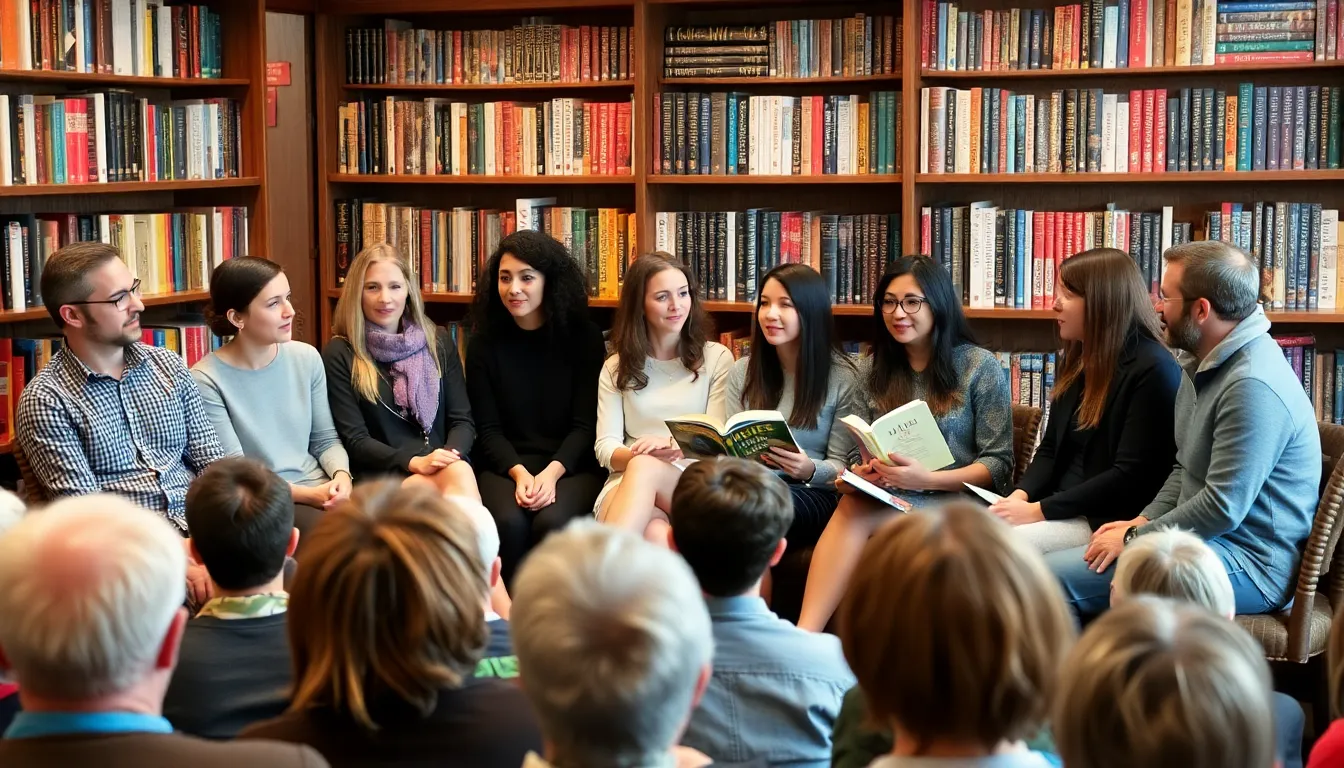
Frequently asked questions about literary nepo babies
Key insights and future outlook on literary nepo babies
The emergence of literary nepo babies highlights the intricate dynamics of legacy and creativity within the literary world. As the children of renowned authors step into the spotlight, they navigate a complex landscape shaped by both the privileges and pressures of their familial connections. This trend raises questions about originality, influence, and the evolving nature of literary merit in an age increasingly defined by social media and public perception.
Moving forward, it will be essential to observe how these new voices contribute to the literary canon while balancing the weight of their heritage. The interplay between established reputations and fresh perspectives may redefine what it means to be a writer in today’s world.
- Watch for the potential blending of traditional literary styles with contemporary themes as nepo babies carve out their own identities.
- Consider the impact of social media platforms in amplifying the voices of these emerging authors, influencing their reach and audience engagement.
- Monitor how established literary institutions and critics respond to the works of these new writers and the implications for literary awards and recognition.
- Explore the conversations around privilege in the literary community and how it shapes the narratives of success and failure.
- Anticipate collaborations between established authors and their offspring, which could lead to innovative literary projects and new forms of storytelling.