
Notably, several installations have sparked discussions about the objectification and empowerment of women in art. Works by prominent artists such as Marina Abramović and Tracey Emin have been at the forefront, showcasing nude figures that challenge traditional perceptions while also drawing criticism for potential exploitation. For more on the discussions surrounding feminist movements, check out this article about Banksy and his impact on contemporary art.
On May 15, 2026, a panel discussion titled “Nudity and Narrative” featured artists, curators, and scholars who examined the cultural significance of nudity. The dialogue highlighted the dual nature of female nudity in artwhere it can serve both as a powerful statement of freedom and as a reinforcement of patriarchal views.
Furthermore, the Biennale’s diverse programming has included performances and installations that incorporate elements of humor and shock, such as the controversial “Art That Stinks” exhibit. This particular showcase, which includes provocative imagery and scents, has drawn both acclaim and backlash, prompting questions about the boundaries of artistic expression.
<pAs the event progresses, the discourse surrounding these themes continues to evolve, reflecting broader societal challenges and the role of art in addressing them. The intersection of female nudity and artistic expression remains a pivotal topic, influencing how audiences engage with and interpret contemporary works.
Historical context of female representation in art
The representation of women in art has been a subject of ongoing debate, reflecting broader societal attitudes towards gender and sexuality. Historically, female nudity has often been idealized and objectified, serving as a canvas for the male gaze. This practice dates back to classical antiquity, where women were depicted in various states of undress, often symbolizing beauty, fertility, or moral virtue. However, the narrative surrounding female nudity has evolved, particularly in the context of feminist movements that emerged in the 20th century.
In the late 1960s and 1970s, artists and activists began to challenge the traditional representations of women in art, advocating for a more nuanced understanding of female identity. This period marked a significant shift as female artists sought to reclaim their bodies and narratives, often using their work to critique the objectification prevalent in the art world. The feminist art movement not only highlighted the contributions of women artists but also questioned the patriarchal structures that dominated artistic expression.
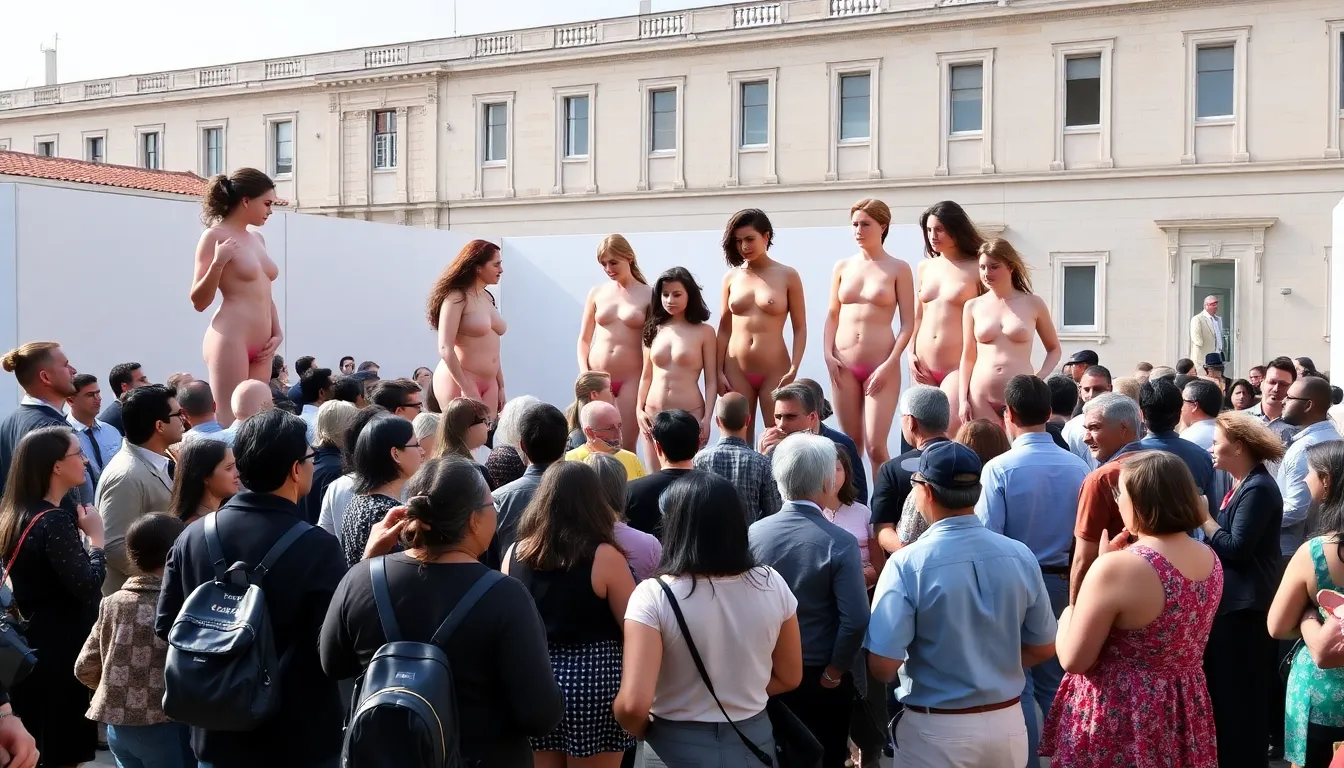
As we approach the Venice Biennale 2026, the dialogue around female nudity in art continues to be contentious. The Biennale, one of the most prestigious art exhibitions globally, has historically showcased a range of artistic expressions, including those that explore themes of gender and sexuality. However, the inclusion of female nudity often sparks debates about artistic intent versus societal impact, prompting questions about whether such representations empower or exploit women.
Key milestones in the evolution of female representation
Several key milestones have shaped the conversation around female representation in art. The establishment of feminist art institutions in the 1970s, such as the Women’s Building in Los Angeles, provided a platform for women artists to exhibit their work and challenge the status quo. Additionally, landmark exhibitions like “WACK! Art and the Feminist Revolution” in 2007 and “The Female Gaze” series have further illuminated the diverse perspectives of women in the art world. These events have not only celebrated female creativity but have also encouraged critical discourse on the implications of nudity and representation, setting the stage for contemporary discussions at events like the Venice Biennale.
Key stakeholders and their perspectives on nudity in art
The Venice Biennale 2026 has become a focal point for discussions surrounding female nudity in art, drawing in a diverse array of stakeholders. These include artists, curators, cultural organizations, government bodies, and the general public. Each group brings its own perspectives and interests to the debate, creating a complex landscape of opinions and influences.
Artists often view nudity as a form of self-expression and a way to challenge societal norms. For many, the portrayal of the female body is not just about aesthetics but also about empowerment and reclaiming agency. However, this perspective can clash with more conservative viewpoints that see nudity as inappropriate or objectifying.
Curators and cultural organizations play a crucial role in shaping the narrative around nudity in art. Their decisions on which works to showcase can reflect broader societal values and provoke discussions about censorship and artistic freedom. However, they must also navigate the potential backlash from audiences who may find certain representations offensive or distasteful.
- Government regulations: Legal frameworks surrounding public decency and censorship can influence what is permissible in art exhibitions.
- Public sentiment: The general public’s reaction to nudity in art can vary widely, impacting attendance and funding for exhibitions.
- Economic implications: Art that challenges norms may attract controversy but can also drive ticket sales and media attention, creating a paradox for organizers.
- Intersectionality: The intersection of gender, race, and sexuality in the portrayal of nudity raises questions about representation and inclusivity in the art world.
As the Biennale progresses, the ongoing dialogue around female nudity in art will likely reveal deeper societal tensions and highlight the need for a more nuanced understanding of artistic expression. The interplay between these stakeholders will shape not only the success of the event but also the future of how nudity is perceived in the cultural landscape.
Impact of the Biennale on artists and audiences
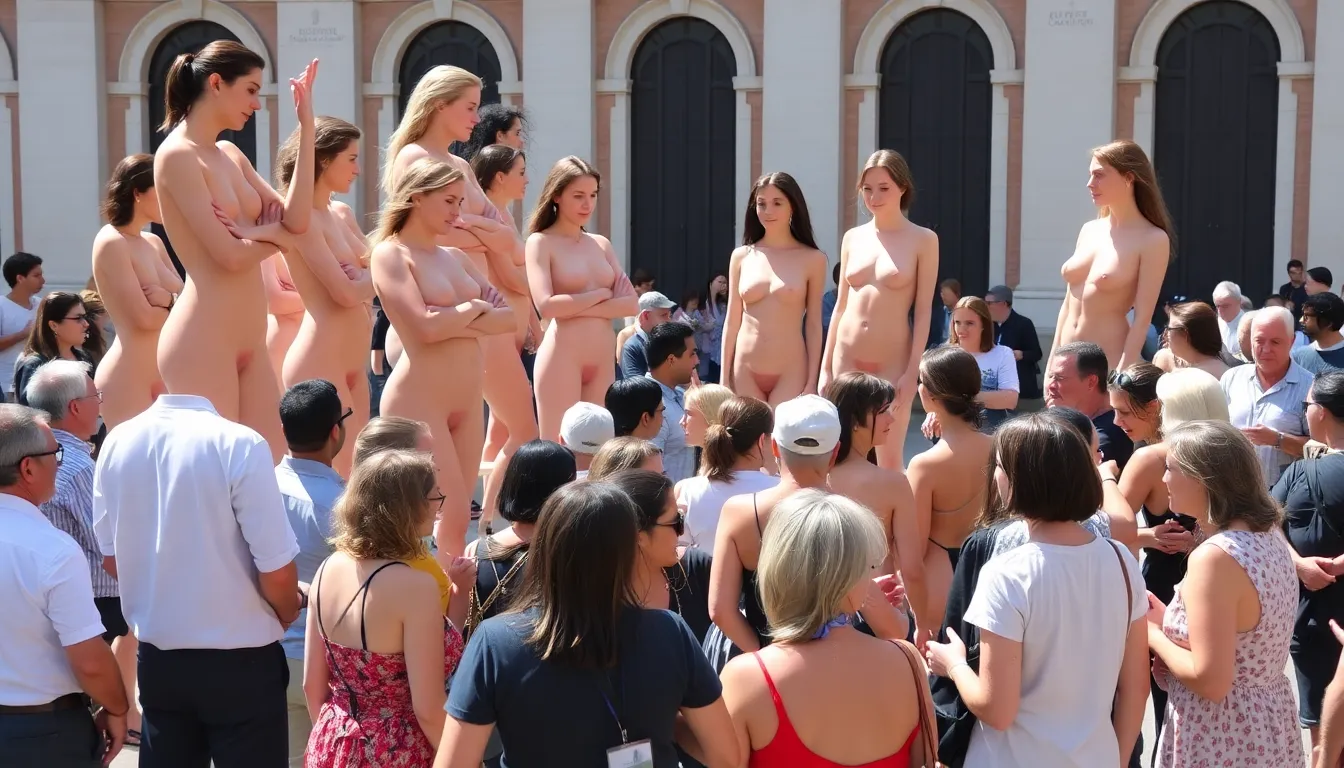
The Venice Biennale 2026 has brought significant attention to the intersection of female nudity and provocative art, impacting various groups and industries. Artists, particularly women, are at the forefront of this dialogue, facing both opportunities and challenges as they navigate societal perceptions and artistic expression. The event has sparked discussions that resonate beyond the art community, affecting audiences, critics, and cultural institutions globally.
In the short term, artists showcasing works that feature female nudity may experience increased visibility and engagement from diverse audiences. This can lead to greater sales and commissions, as galleries and collectors seek to support emerging voices that challenge traditional norms. However, this visibility also comes with risks, including backlash from conservative groups and potential censorship in certain regions, which could hinder artistic freedom.
Mid-term impacts may include shifts in public policy regarding art funding and censorship. As the Biennale highlights the importance of diverse representations in art, policymakers may be prompted to reevaluate funding allocations for art programs that support marginalized voices. Additionally, educational institutions might incorporate discussions around gender, body politics, and artistic expression into their curricula, fostering a more inclusive understanding of art.
- Artists: Increased opportunities for visibility and sales.
- Audiences: Enhanced engagement with contemporary issues surrounding gender and art.
- Cultural Institutions: Potential shifts in funding and programming to support diverse artistic expressions.
- Policy Makers: Reevaluation of art funding and censorship laws.
While the Biennale presents risks, it also opens doors for collaboration and dialogue among artists, audiences, and institutions. The ongoing conversations about female nudity in art may inspire new movements and initiatives, creating a ripple effect that extends well beyond the event itself.
Frequently asked questions about the Venice Biennale 2026
A: The Venice Biennale is a major contemporary art exhibition held every two years in Venice, Italy, showcasing works from artists around the world.
A: Female nudity in art often sparks debates about objectification, empowerment, and societal norms, making it a focal point for discussions on gender and representation.
A: Artists may explore nudity through various lenses, including cultural critique, personal expression, and commentary on societal issues, often provoking strong reactions.
A: The audience’s perceptions and interpretations can greatly influence the impact of an artwork, as individual experiences and cultural backgrounds shape their understanding.
A: Over the years, the Biennale has increasingly highlighted female artists, showcasing diverse perspectives and challenging traditional narratives in the art world.
Insights and future outlook on art and female nudity
The Venice Biennale 2026 has sparked significant dialogue surrounding the representation of female nudity in contemporary art. Artists are increasingly using the female form not only as a subject but also as a medium to challenge societal norms and provoke thought. This evolving narrative highlights the intersection of gender, identity, and artistic expression, suggesting a shift in how audiences perceive and engage with such themes.
As the art world continues to navigate these complex conversations, it is essential to consider the implications for future exhibitions and artistic practices. The Biennale serves as a microcosm of broader cultural movements, indicating a potential for increased acceptance and exploration of controversial subjects in mainstream art.
- Expect more diverse interpretations of female nudity that challenge traditional aesthetics and provoke critical discussions.
- Watch for emerging artists who utilize their platforms to address issues of body positivity and gender identity through their work.
- Anticipate a growing trend of interdisciplinary collaborations that merge visual art with performance and digital media, expanding the dialogue around female representation.
- Consider the role of audiences in shaping the discourse, as their reactions may influence future curatorial decisions and artistic directions.