
On October 10, 2023, the WEF announced the departure of its president amid growing pressure from stakeholders and the public. The review revealed that Epstein had met with several prominent members of the organization, prompting questions about the extent of these interactions and the implications for the WEF’s reputation.
This situation is particularly relevant as the World Economic Forum plays a crucial role in shaping global economic policies and fostering international cooperation. For more insights on this crucial aspect, read about how lobby efforts can influence policy. The integrity of its leadership is essential for maintaining the trust of its members, which include heads of state, business leaders, and civil society representatives.
As the organization seeks to navigate this crisis, the implications of this resignation may extend beyond internal governance issues. It could also affect the WEF’s upcoming events, including the annual meeting in Davos, where discussions about global challenges are paramount.
Moving forward, the WEF will need to address these concerns transparently to restore confidence among its stakeholders and the public. The ongoing scrutiny of its leadership and associations highlights the critical need for accountability in influential institutions, much like the challenges faced by leaders in other sectors.
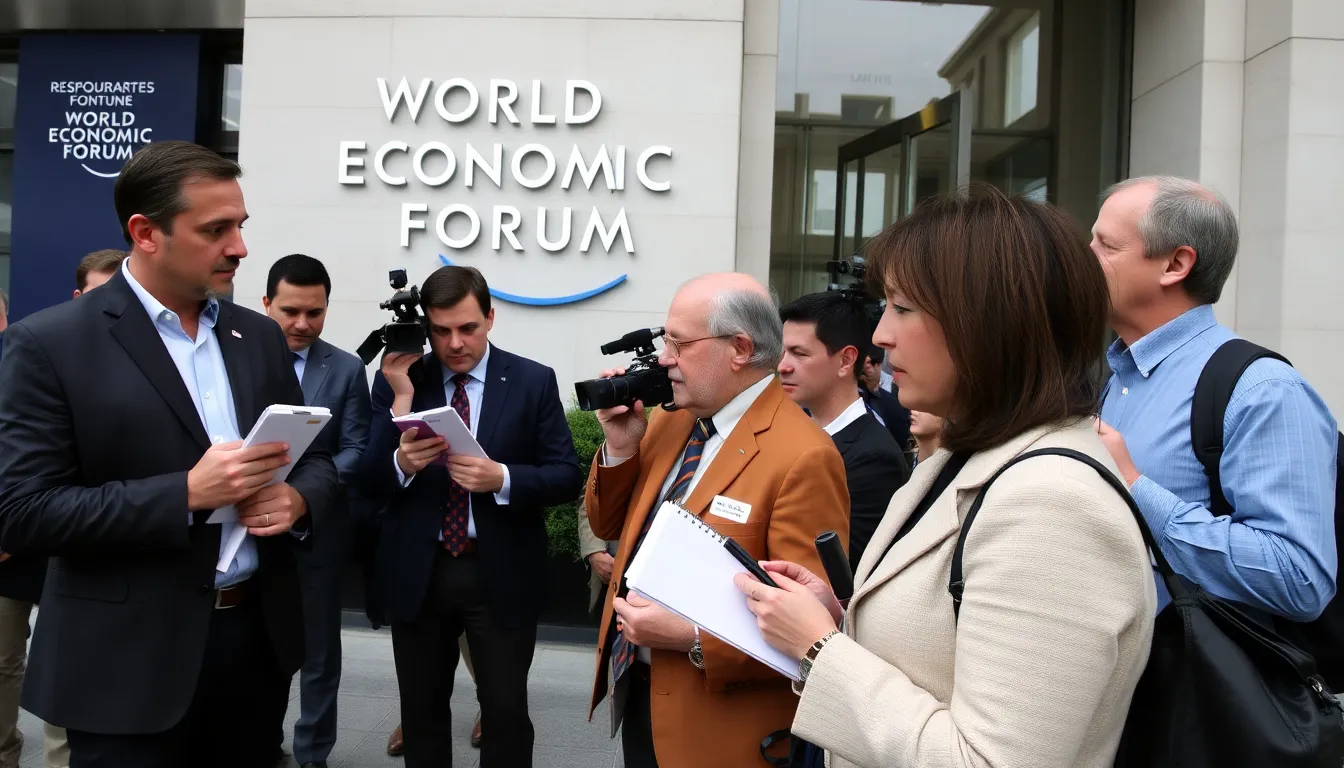
Background on the World Economic Forum and Epstein connections
The World Economic Forum (WEF) is an international organization founded in 1971, known for its annual meetings in Davos, Switzerland, where global leaders from various sectors gather to discuss pressing economic and social issues. Over the years, the WEF has played a pivotal role in shaping global agendas, influencing policies, and fostering public-private partnerships. However, its credibility has faced scrutiny, particularly concerning its connections with controversial figures, including Jeffrey Epstein, as has been discussed in relation to the recent conversations about ethical conduct in leadership.
Jeffrey Epstein, a financier and convicted sex offender, had a network that included numerous high-profile individuals across politics, business, and academia. His connections raised alarms about the ethical implications of associating with influential leaders. Reports emerged detailing Epstein’s interactions with various WEF members, which sparked public outrage and led to questions about the organization’s vetting processes and moral standards.
Key Milestones in the Epstein Controversy
The Epstein saga gained significant media attention following his arrest in July 2019 on federal charges of sex trafficking minors. This event triggered a broader examination of his relationships with elite circles, including the WEF. In the wake of Epstein’s death in August 2019, investigations continued, revealing numerous connections that implicated various individuals in his network.
In 2021, the WEF faced mounting pressure to address its ties to Epstein, particularly as new details surfaced about his influence and connections within the organization. This culminated in a comprehensive review of the WEF’s leadership and its affiliations, ultimately leading to the resignation of its boss, who acknowledged the need for accountability and transparency in light of the scandal.
The fallout from this controversy highlights the ongoing challenges organizations face in managing relationships with individuals who have questionable backgrounds. It serves as a reminder of the importance of ethical considerations in leadership roles and the potential repercussions when such connections come to light.

Key stakeholders and issues surrounding the resignation
The recent resignation of the World Economic Forum (WEF) president has sparked significant discussions regarding the implications of his connections to Jeffrey Epstein. This situation involves various stakeholders, including the WEF, its member organizations, and the broader public, all of whom have vested interests in the integrity and reputation of the forum.
One of the primary stakeholders is the World Economic Forum itself, which aims to facilitate dialogue among leaders from business, politics, and civil society. The WEF’s credibility is at stake, as any association with Epstein could undermine its mission and the trust placed in it by global leaders. The organization must navigate the fallout from this resignation while maintaining its focus on global economic issues.
Another key actor is the global business community, particularly the members of the WEF. Many corporations rely on the forum for networking and collaboration opportunities. The resignation may lead to concerns about the governance and ethical standards of the forum, prompting some members to reconsider their involvement or influence future reforms to ensure transparency and accountability.
- Legal implications: The connections to Epstein raise questions about potential legal liabilities for the WEF and its leadership.
- Reputational risk: The forum’s reputation may suffer long-term damage, affecting its ability to attract influential participants.
- Public scrutiny: Increased media coverage and public interest may lead to calls for more stringent ethical guidelines within the organization.
- Economic impact: A loss of trust could affect funding and partnerships, which are crucial for the WEF’s initiatives.
- Future leadership: The selection of a new leader will be critical in addressing these issues and restoring confidence among stakeholders.
In summary, the resignation of the WEF president due to Epstein links presents a complex landscape of stakeholders and issues. The organization must address the immediate fallout while considering long-term strategies to rebuild trust and ensure its mission is upheld in a rapidly changing global environment.
Potential impact on the World Economic Forum and its initiatives
The resignation of the World Economic Forum (WEF) boss following the review of links to Jeffrey Epstein has significant implications for various groups and industries globally. Stakeholders in finance, technology, and philanthropy are particularly affected, as the WEF serves as a critical platform for dialogue and collaboration among these sectors. Additionally, public trust in the organization may wane, influencing its ability to attract high-profile participants in the future.

In the short term, businesses and policymakers may experience uncertainty as the WEF undergoes leadership changes. This could lead to a slowdown in initiatives aimed at addressing global challenges such as climate change and economic inequality. Companies that rely on WEF forums for networking and collaboration may find it more challenging to navigate the shifting landscape, potentially resulting in stalled projects and delayed partnerships.
Mid-term impacts could include a reevaluation of the WEF’s strategic priorities, which may shift focus to rebuilding credibility and trust. This could open up opportunities for new leaders and innovative ideas to emerge within the organization. However, it also poses risks, as the organization may struggle to maintain its influence without a clear and stable leadership direction.
- Business Uncertainty: Companies may hesitate to engage with the WEF, impacting collaboration opportunities.
- Policy Shifts: Governments may reassess their involvement in WEF initiatives, affecting international cooperation.
- Trust Erosion: Public confidence in the WEF could diminish, leading to decreased participation in its events.
- New Leadership Opportunities: Potential for fresh perspectives and strategies to revitalize the WEF’s mission.
Overall, while the immediate fallout may pose challenges, the situation also presents a chance for the WEF to redefine its role and strengthen its commitment to ethical leadership and transparency in the long run.
A: The resignation was prompted by a review of his connections to Jeffrey Epstein, which raised serious ethical concerns. A: This resignation may affect the credibility of the World Economic Forum and its ability to attract future leaders and partners. A: The World Economic Forum has not yet announced a successor, but the selection process is expected to be closely watched. A: The leadership change may influence the agenda and discussions at upcoming meetings, as stakeholders seek clarity on the organization’s direction. A: Jeffrey Epstein’s controversial past and connections have raised questions about the integrity of individuals associated with high-profile organizations like the World Economic Forum.
Frequently asked questions regarding the resignation
Key takeaways and future outlook for the organization
The resignation of the World Economic Forum’s leader following a review of connections to Jeffrey Epstein marks a significant moment for the organization, highlighting the ongoing scrutiny of leadership integrity in influential institutions. This development raises questions about governance and accountability, particularly in organizations that play a pivotal role in shaping global economic policies and discussions.
As the World Economic Forum navigates this transition, it will be crucial to observe how it addresses issues of transparency and trust. The new leadership will need to reinforce the organization’s commitment to ethical standards and ensure that past controversies do not overshadow its future initiatives.
- The appointment of a new leader will be critical in restoring confidence among stakeholders and the public.
- Increased emphasis on governance practices may emerge, setting a precedent for other organizations facing similar challenges.
- The forum’s engagement with global issues could shift as it seeks to distance itself from past controversies.
- Watch for potential changes in the forum’s strategic partnerships and collaborations in light of this incident.
- This situation may prompt broader discussions about the role of elite networks in shaping policy and the importance of ethical leadership.