
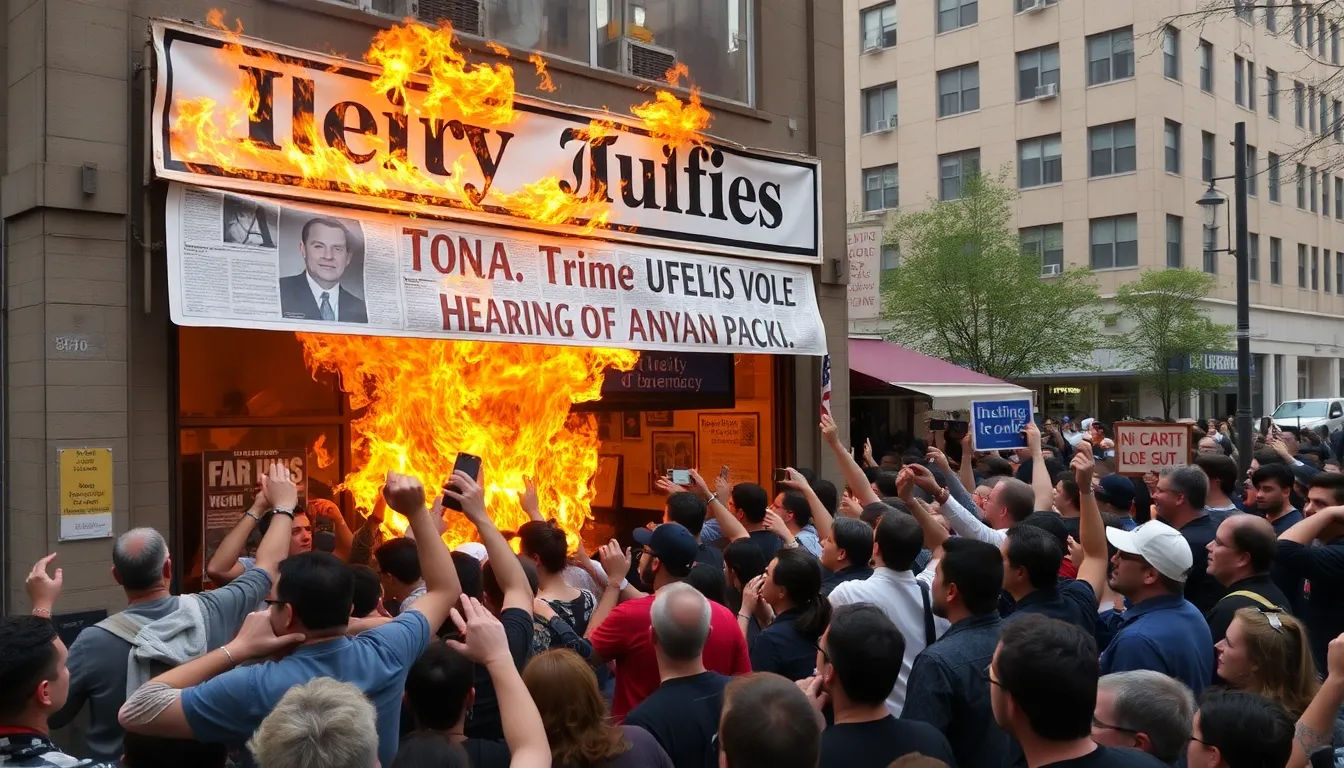
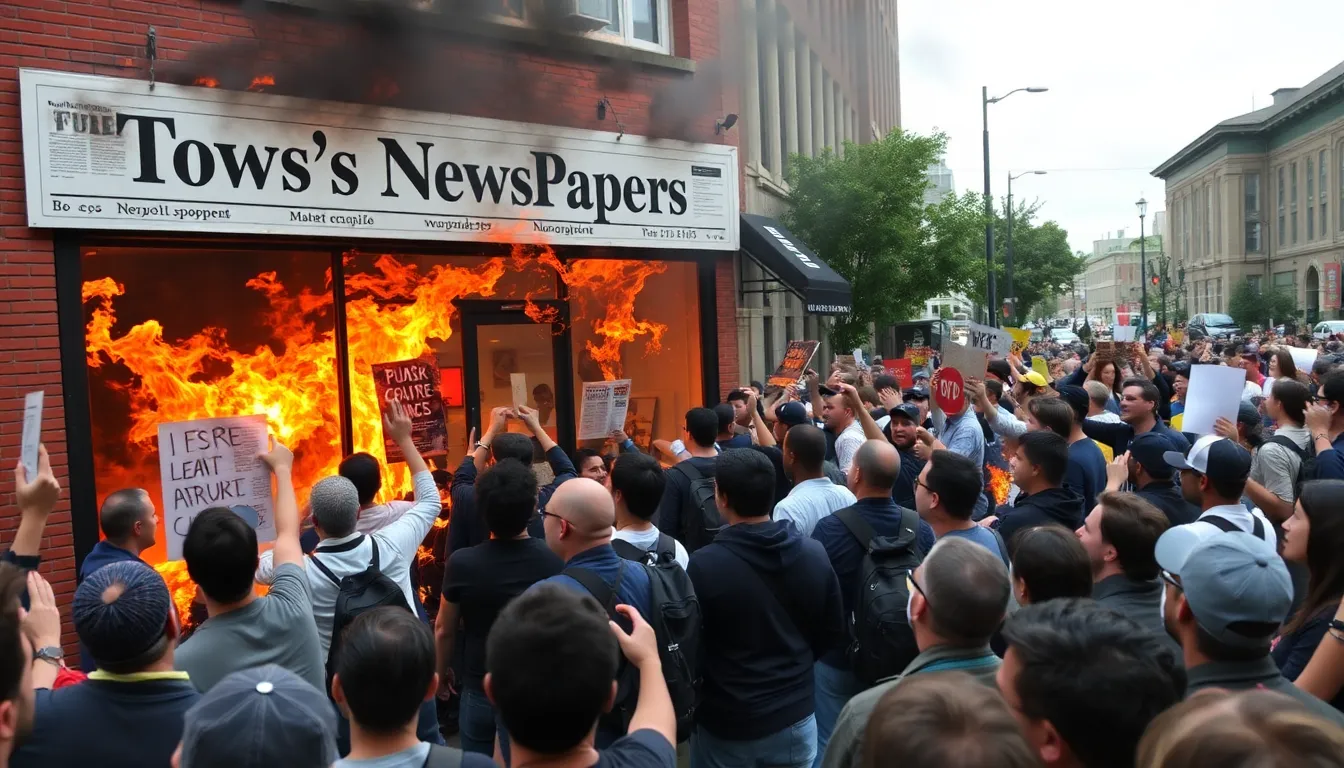
The mob, reportedly fueled by misinformation and anger over an article published by the newspaper, set fire to the building, leading to extensive damage and the loss of crucial journalistic resources. Eyewitness accounts describe a chaotic scene, with flames illuminating the night sky and cries of anger echoing in the streets. Local authorities have since launched an investigation, but the incident has left many questioning the effectiveness of law enforcement in protecting media institutions, as seen in the mob killing in Bangladesh that shocked the world.
This event is not an isolated occurrence; it reflects a broader trend of hostility towards the press that has been escalating in recent years. Various journalists and media outlets have faced threats and violence, often linked to political polarization and societal unrest. As the community grapples with the aftermath of the attack, discussions about the role of journalism and the necessity of safeguarding democratic values have come to the forefront, drawing parallels to efforts for accountability in different contexts.
The implications of this attack extend beyond the immediate damage to the newspaper. It serves as a stark reminder of the vulnerabilities faced by media organizations in turbulent times. As citizens and activists rally for accountability and justice, the situation underscores the urgent need for dialogue about the protection of free speech and the vital role that a free press plays in a democratic society.
Examining the background of press freedom issues
The burning of a newspaper by a mob is a stark reminder of the ongoing struggles for press freedom around the world. Historically, the press has played a crucial role in shaping public opinion and holding power to account. However, in many regions, journalists face increasing threats from both state and non-state actors, which has led to a climate of fear and censorship.
In recent years, the rise of populist leaders and authoritarian regimes has exacerbated tensions between the press and those in power. Governments often view independent media as a threat, leading to crackdowns on journalists, including harassment, imprisonment, and violence. This trend has roots in earlier conflicts where media outlets were targeted for their reporting on sensitive issues, reflecting a long-standing battle between freedom of expression and state control.
Milestones in Press Freedom
Key milestones in the fight for press freedom include landmark cases and events that have shaped the current landscape. For instance, the 2012 assassination of journalist Daphne Caruana Galizia in Malta highlighted the dangers faced by investigative reporters. Similarly, the 2018 murder of Jamal Khashoggi in the Saudi consulate in Istanbul sent shockwaves around the globe, prompting widespread condemnation and calls for accountability.
Economic factors also play a significant role in press freedom issues. The decline of traditional media revenue has led many outlets to rely on government funding or corporate sponsorship, which can compromise journalistic integrity. In this environment, sensationalism often takes precedence over investigative reporting, further endangering the core values of journalism, similar to concerns raised by incidents like the SpaceX rocket fireball.
As societies grapple with these challenges, the need for robust protections for journalists becomes increasingly evident. The incident involving the mob burning a newspaper serves as a chilling reminder of the fragility of press freedom and the ongoing struggle to ensure that journalists can operate without fear of reprisal.
Analyzing the stakeholders involved in the incident
The incident of a mob burning a newspaper highlights a complex web of stakeholders, each with distinct interests and motivations. Key actors include the media organizations, local government authorities, law enforcement agencies, and the community members affected by the event. Understanding their roles and interests is crucial to grasping the broader implications of the incident.
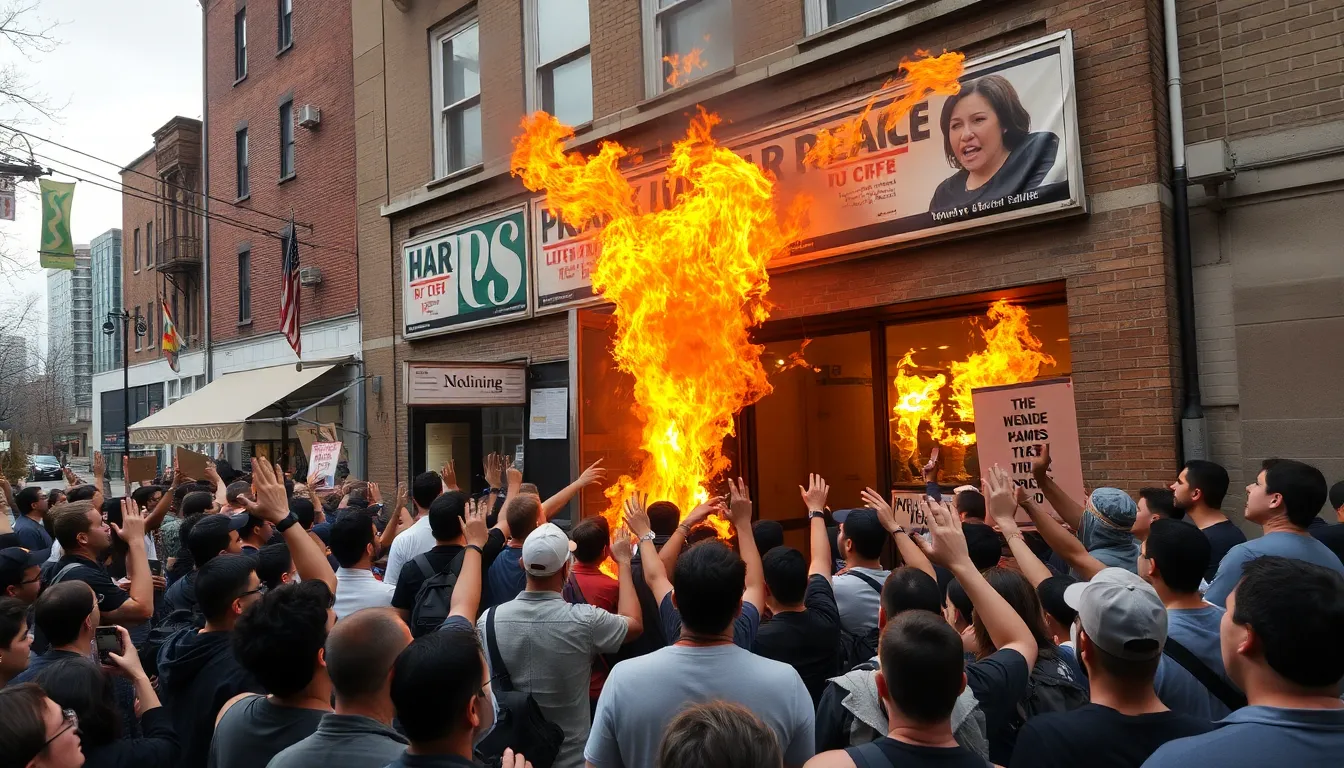
Media organizations, particularly the newspaper that was attacked, have a vested interest in maintaining freedom of the press and ensuring the safety of their journalists. They aim to report on issues that matter to the community, often facing backlash from those who disagree with their coverage. In this case, the newspaper may have reported on sensitive topics that sparked outrage among certain groups, leading to the violent response.
Local government authorities and law enforcement agencies are also significant stakeholders. Their primary interest lies in maintaining public order and ensuring the safety of all citizens. The response to the mob’s actions raises questions about the adequacy of law enforcement in protecting media entities and the potential implications for civil liberties. Additionally, the local government must balance community sentiments with the need to uphold democratic values.
- Media Freedom: The incident underscores the ongoing struggle for press freedom in volatile environments.
- Public Safety: Authorities face the challenge of ensuring safety while respecting the right to protest.
- Community Relations: The tensions between the media and local communities can escalate if not addressed properly.
- Legal Implications: The incident raises questions about accountability for mob violence and the protection of journalists.
- Economic Impact: The attack could have financial repercussions for the newspaper and the local economy.
Furthermore, community members are divided in their reactions to the incident. Some may support the mob’s actions as a form of protest against perceived media bias, while others may condemn the violence as an attack on free speech. This division reflects broader societal issues regarding trust in media and the role of journalism in democracy.
Assessing the impact on journalists and the community
The burning of a newspaper not only endangers the lives of journalists but also deeply impacts the communities they serve. Local media outlets are vital for disseminating information, fostering dialogue, and holding those in power accountable. When such institutions face violence, it creates a ripple effect that can destabilize the entire region.
In the short term, journalists may experience increased fear and anxiety, leading to self-censorship and a reluctance to report on sensitive issues. This can diminish the quality of reporting and reduce public trust in the media. Communities may find themselves deprived of essential news, which can hinder civic engagement and informed decision-making.
In the mid-term, businesses that rely on advertising in local newspapers may suffer from decreased visibility and customer reach. The loss of a reliable news source can also affect local economies, as misinformation or lack of information can lead to poor business decisions. Additionally, policymakers may find it challenging to address community needs without accurate data and reporting.
- Risks: Increased violence against journalists, erosion of public trust in media, stifling of free speech.
- Opportunities: Potential for new media platforms to emerge, increased community solidarity, and advocacy for press freedom.
Ultimately, the aftermath of such violence can lead to a critical examination of the role of media in society. Communities may rally to support local journalism, fostering resilience and innovation in the face of adversity. It is a pivotal moment that could redefine the relationship between the press and the public.
A: The mob was reportedly provoked by a controversial article published by the newspaper, which sparked outrage among certain community members. A: Journalists are feeling increasingly unsafe and fearful for their lives, leading to concerns about self-censorship and the future of investigative reporting. A: Authorities are investigating the incident, and those identified as participants may face charges related to vandalism and assault. A: Reactions are mixed; some support the mob’s actions while others condemn the violence and stress the importance of press freedom. A: Local organizations are working to implement safety protocols and provide resources for journalists facing threats.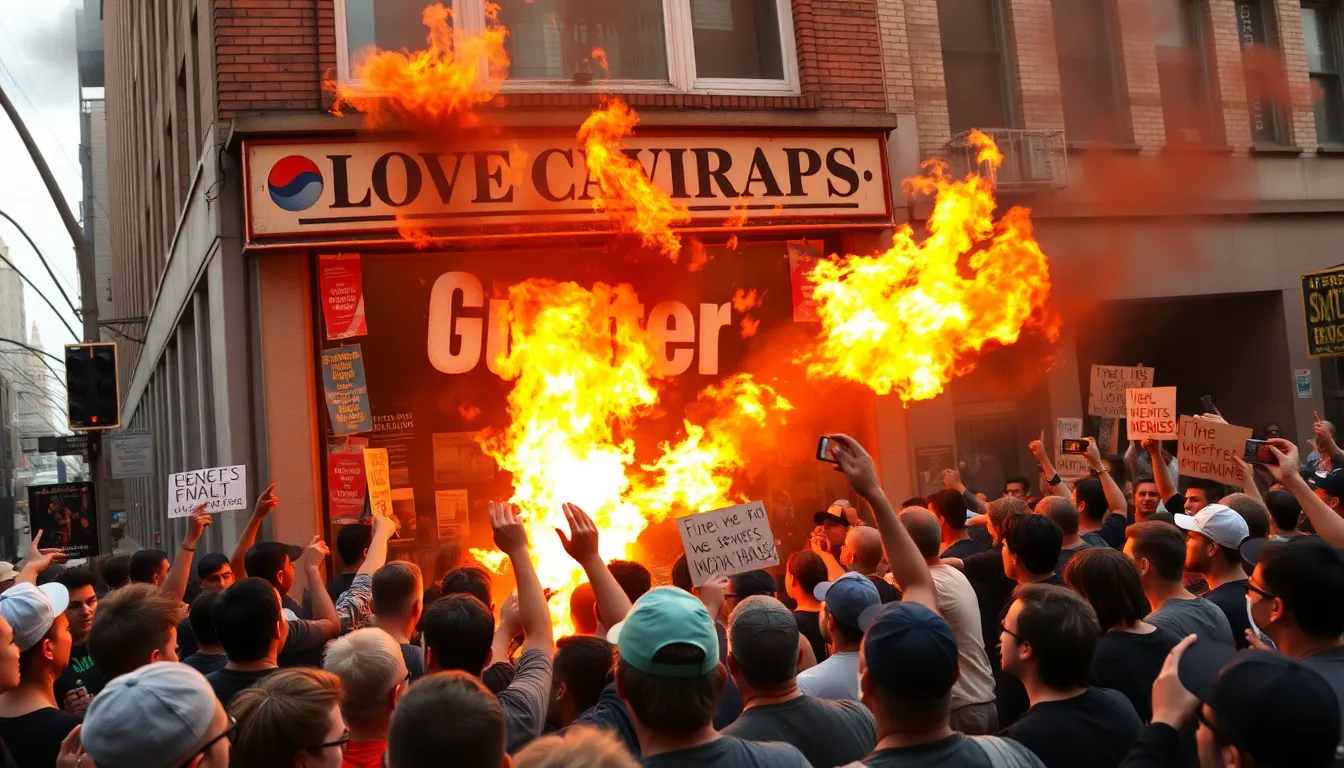
Frequently asked questions about the incident
Key takeaways and future outlook on press freedom
The violent attack on the newspaper serves as a stark reminder of the precarious state of press freedom in many parts of the world. As journalists face increasing threats from various factions, the need for robust protections and support for independent media becomes ever more critical. This incident not only highlights the risks that reporters and editors encounter but also raises questions about the societal implications of silencing dissenting voices.
Looking ahead, the resilience of the press will be tested as governments and powerful entities may seek to further restrict media freedoms. It is essential for advocates of democracy and free expression to remain vigilant and proactive in defending the rights of journalists. The future landscape of press freedom will likely depend on the collective efforts of civil society, international organizations, and the public to uphold the fundamental principles of a free and independent press.
- Increased vigilance and advocacy for journalists’ safety are essential to counter growing threats.
- Public awareness campaigns can help galvanize support for press freedom initiatives.
- Monitoring and reporting on press freedom violations will be crucial for accountability.
- Collaboration between media organizations and civil society can strengthen the defense of independent journalism.
- International pressure may play a role in deterring future attacks on media outlets.