
On October 15, 2023, a public forum was held in Manchester to discuss the implications of gull behavior on city life. Residents expressed concerns about aggressive interactions, particularly during the nesting season, which peaks in late spring. Meanwhile, city officials are exploring various strategies, including waste management improvements and public awareness campaigns, to mitigate the challenges posed by these birds, as discussed in related articles about urban wildlife interactions.
Art has emerged as a unique response to the ongoing debate, with local artists creating installations that highlight the relationship between urban life and gulls. These artistic expressions often utilize recycled materials, drawing attention to the issue of litter and waste in the city. By transforming trash into art, creators aim to foster dialogue about environmental responsibility and the coexistence of wildlife in urban settings.
The discussions surrounding gulls are not solely about nuisance; they also touch on broader themes of sustainability and urban ecology. As cities continue to evolve, finding a harmonious balance between nature and urbanization remains a critical challenge. The ongoing dialogue reflects a growing awareness of the need to address these complexities in a way that benefits both residents and local wildlife.
Understanding the rise of trash art in city centers
The phenomenon of trash art has emerged as a distinctive form of expression in urban environments, particularly in city centers where waste accumulation is often most visible. This movement has roots in the socio-political landscape of the late 20th century, when artists began to challenge conventional notions of art by repurposing discarded materials. The rise of environmental awareness and the critique of consumer culture have propelled this trend, allowing artists to comment on societal issues while simultaneously beautifying neglected spaces.
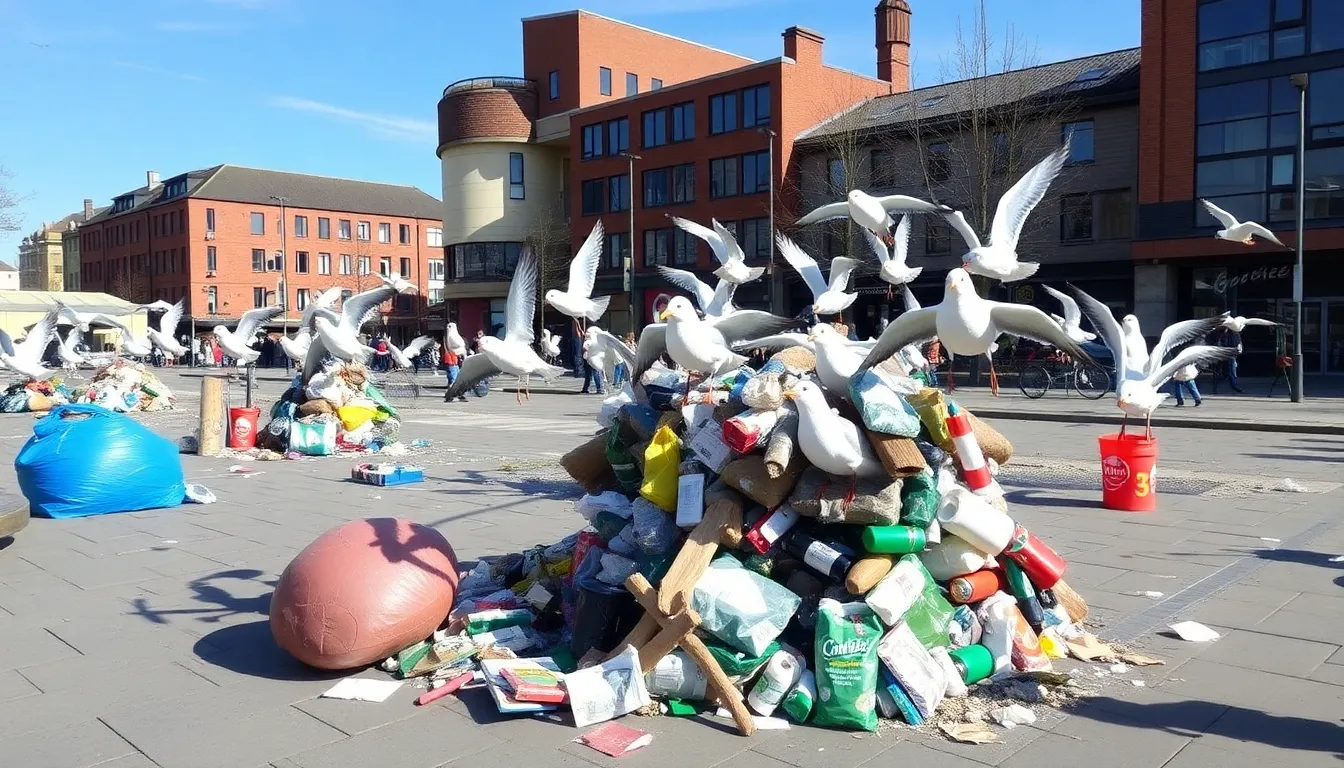
Historically, the relationship between urban waste and artistic expression can be traced back to the Dada movement in the early 20th century, which embraced absurdity and the unconventional. Fast forward to the 1980s and 1990s, street artists began to utilize found objects and refuse as mediums, reflecting the growing discontent with urban decay and pollution. This laid the groundwork for contemporary trash art, which not only serves as a visual statement but also raises awareness about waste management and environmental sustainability.
The political landscape and its influence
The political context surrounding urban waste management has significantly influenced the trash art movement. As cities grapple with increasing waste production and the challenges of recycling, artists have stepped in to highlight these issues creatively. Initiatives aimed at reducing waste and promoting recycling have often been met with resistance, leading to a public discourse that trash art seeks to engage with. For instance, the debate over gull populations in city centers, often seen as a nuisance due to their scavenging behaviors, reflects broader concerns about waste management and urban wildlife interactions.
Economically, the rise of trash art has also intersected with urban renewal projects. Cities looking to revitalize neglected areas have often turned to public art as a means of attracting tourism and investment. This has led to collaborations between local governments and artists, where trash art installations not only beautify spaces but also serve as a commentary on the socio-economic disparities that exist in urban settings. Such collaborations can sometimes spark controversy, particularly when they prompt discussions about the underlying issues of waste and urban wildlife, as seen in the ongoing debates about gulls in city centers, which echo the sentiments expressed by local businesses.
Key stakeholders in the trash art and gulls discussion
The ongoing debate surrounding trash art and the impact of gulls in the city center involves a variety of stakeholders, each with distinct interests and concerns. Artists, local government, environmental groups, and residents all play pivotal roles in shaping the narrative and outcomes of this discussion.
Artists engaged in trash art often aim to raise awareness about environmental issues and the urban landscape. Their work highlights the beauty and potential of discarded materials while simultaneously critiquing wastefulness. For these creators, the presence of gulls, which are often seen as nuisances, can serve as both inspiration and a challenge, as their scavenging behavior can impact the aesthetic and message of the artwork.
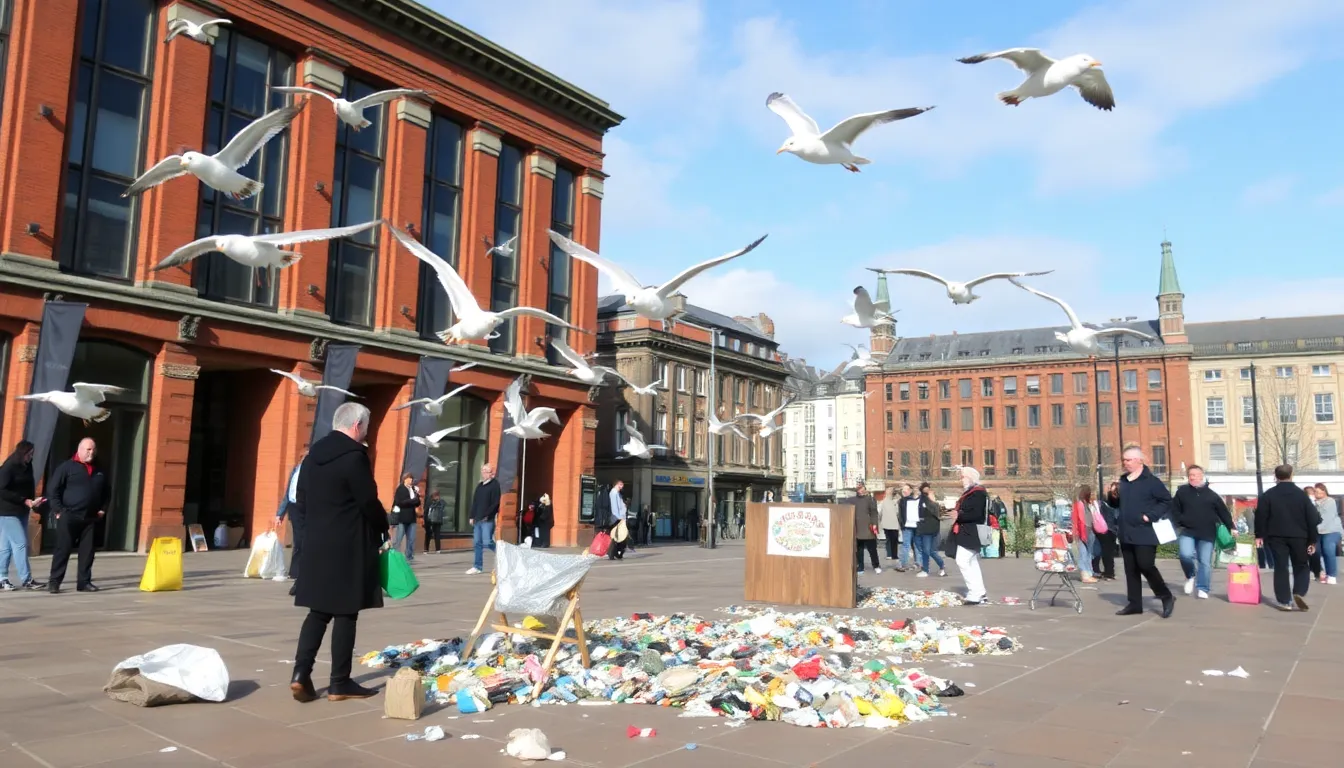
Local government authorities are primarily concerned with public safety, cleanliness, and urban aesthetics. They face the challenge of managing gull populations while also supporting artistic initiatives that promote community engagement. This balancing act can lead to tensions, particularly when residents express dissatisfaction with both the mess created by gulls and the presence of trash art installations.
Environmental organizations advocate for the protection of urban wildlife, including gulls, emphasizing their role in the ecosystem. They argue that efforts to control gull populations must consider ecological balance and the implications of human intervention. This perspective often clashes with the sentiments of residents who prioritize cleanliness and order in their neighborhoods.
- Artists: Seek to raise awareness through trash art while navigating the challenges posed by gulls.
- Local Government: Aims to maintain public spaces and manage wildlife populations effectively.
- Environmental Groups: Advocate for the protection of gulls and the importance of biodiversity.
- Residents: Express concerns about cleanliness and the impact of gulls on their daily lives.
- Businesses: May be affected by both the presence of trash art and gulls, impacting customer perceptions and foot traffic.
How trash art and gulls affect local communities
The ongoing debate surrounding trash art and the presence of gulls in city centres has significant implications for various groups, including local artists, residents, and businesses. As trash art gains popularity, it not only draws attention to environmental issues but also affects the perception of urban spaces. Gulls, often seen as a nuisance, can impact the local community’s quality of life and the viability of certain businesses.
In the short term, local artists may benefit from increased visibility and engagement as their work becomes a focal point for discussions about waste management and urban aesthetics. This can lead to a surge in tourism, as visitors are drawn to the unique blend of art and environmental consciousness. However, businesses that rely on outdoor seating or foot traffic may experience challenges due to aggressive gull behavior, potentially deterring customers.
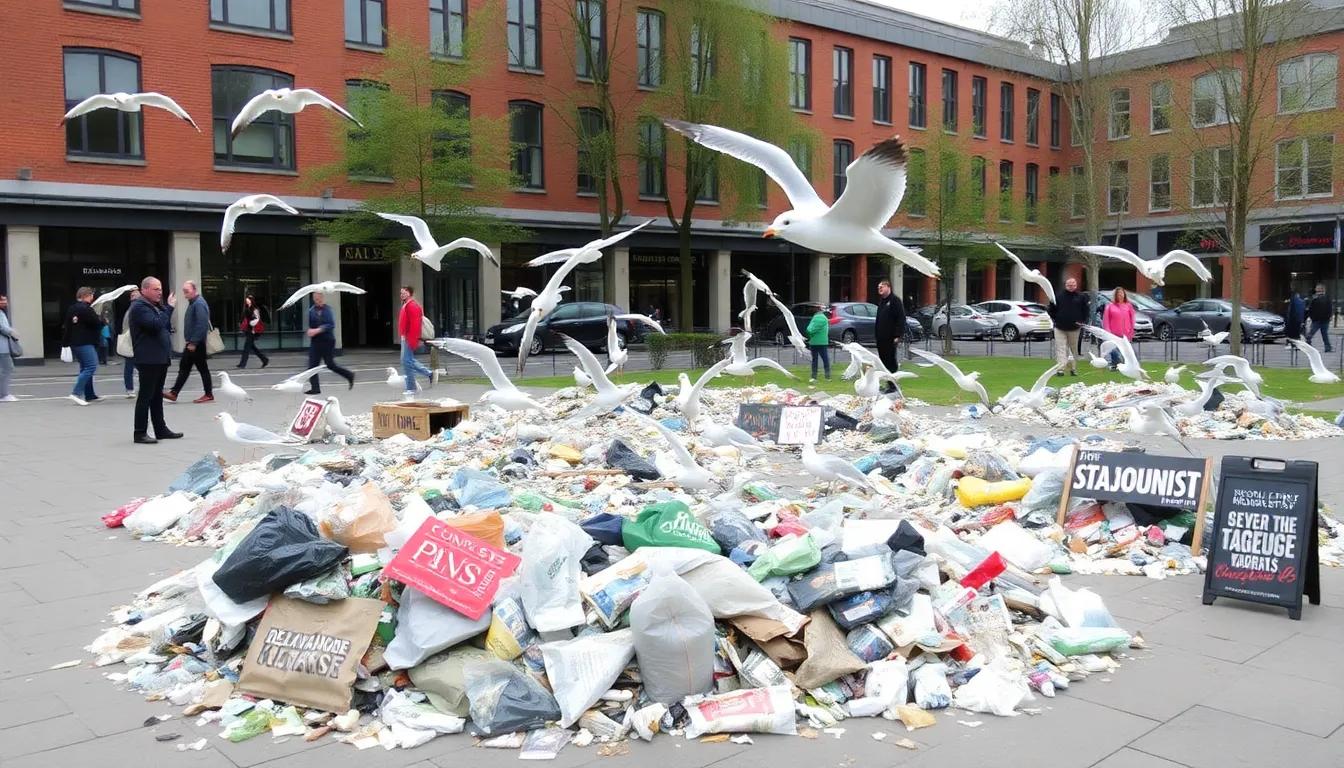
Mid-term impacts could include shifts in local policy regarding waste management and urban planning. City officials may implement stricter regulations on trash disposal and promote initiatives that encourage art made from recyclables. This could create opportunities for collaboration between artists, environmentalists, and local governments, fostering a community-oriented approach to urban challenges.
- Increased tourism due to unique art installations.
- Potential decline in outdoor dining as gulls become more aggressive.
- Policy changes focusing on waste management and urban aesthetics.
- Opportunities for collaboration among artists, businesses, and local governments.
While the presence of gulls poses risks to local businesses, the trash art movement offers a chance to reframe the narrative around waste and urban living. Engaging the community in discussions about these issues can lead to innovative solutions that benefit both residents and the local economy.
A: Trash art is a form of artistic expression that uses discarded materials to create new works. It often highlights environmental issues and encourages recycling. A: Gulls can create disturbances in urban areas, often scavenging for food and causing messes. Their presence raises questions about urban wildlife management. A: Trash art often incorporates themes of urban wildlife, including gulls, prompting discussions about coexistence and environmental responsibility. A: Key stakeholders include local artists, city officials, environmentalists, and residents who are affected by both gull populations and trash art installations. A: Trash art can shift public perception by framing gulls in a more positive light, encouraging empathy and understanding of their role in urban ecosystems.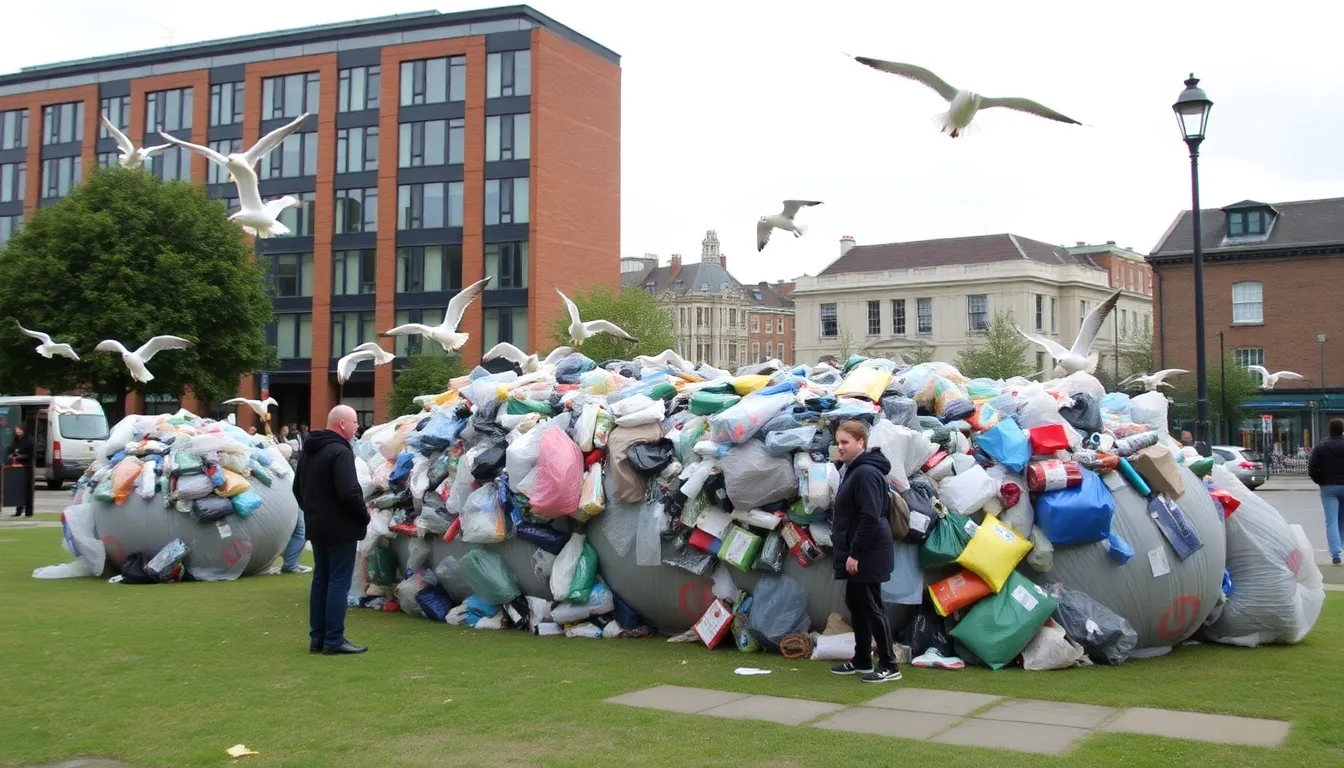
Frequently asked questions about trash art and gulls
Looking ahead: the future of trash art and urban wildlife
The ongoing dialogue surrounding trash art and the presence of gulls in city centers highlights the complex relationship between urban wildlife and human creativity. As cities evolve, the integration of artistic expressions that utilize waste materials may serve not only as a commentary on consumption and waste management but also as a means to foster community engagement and awareness about local wildlife issues.
Monitoring the developments in both trash art initiatives and urban wildlife management will be essential. As artists continue to explore the themes of sustainability and urban ecology, their work may inspire further discussions on how to coexist with nature in urban settings, ultimately leading to innovative solutions that benefit both communities and wildlife.
- Watch for increased collaboration between artists and environmental organizations to promote awareness of urban wildlife challenges.
- Expect city policies to evolve, potentially incorporating art as a tool for environmental education and community involvement.
- Monitor public sentiment towards urban wildlife, as it may influence future trash art projects and city planning decisions.
- Consider the potential for trash art to become a focal point for tourism, drawing attention to both the art and the ecological issues at play.
- Stay alert for new initiatives that blend art, sustainability, and urban wildlife management, setting precedents for other cities to follow.