
The proposed tariffs are seen as a response to what Trump describes as unfair trade practices by South Korea. He argues that the current trade balance is unfavorable to the U.S., with South Korea benefiting disproportionately from the existing agreement. This stance has sparked concerns among economists and trade experts about the potential repercussions on bilateral relations. For a deeper understanding of the impact of these tariffs, refer to this related article discussing broader trade policies.
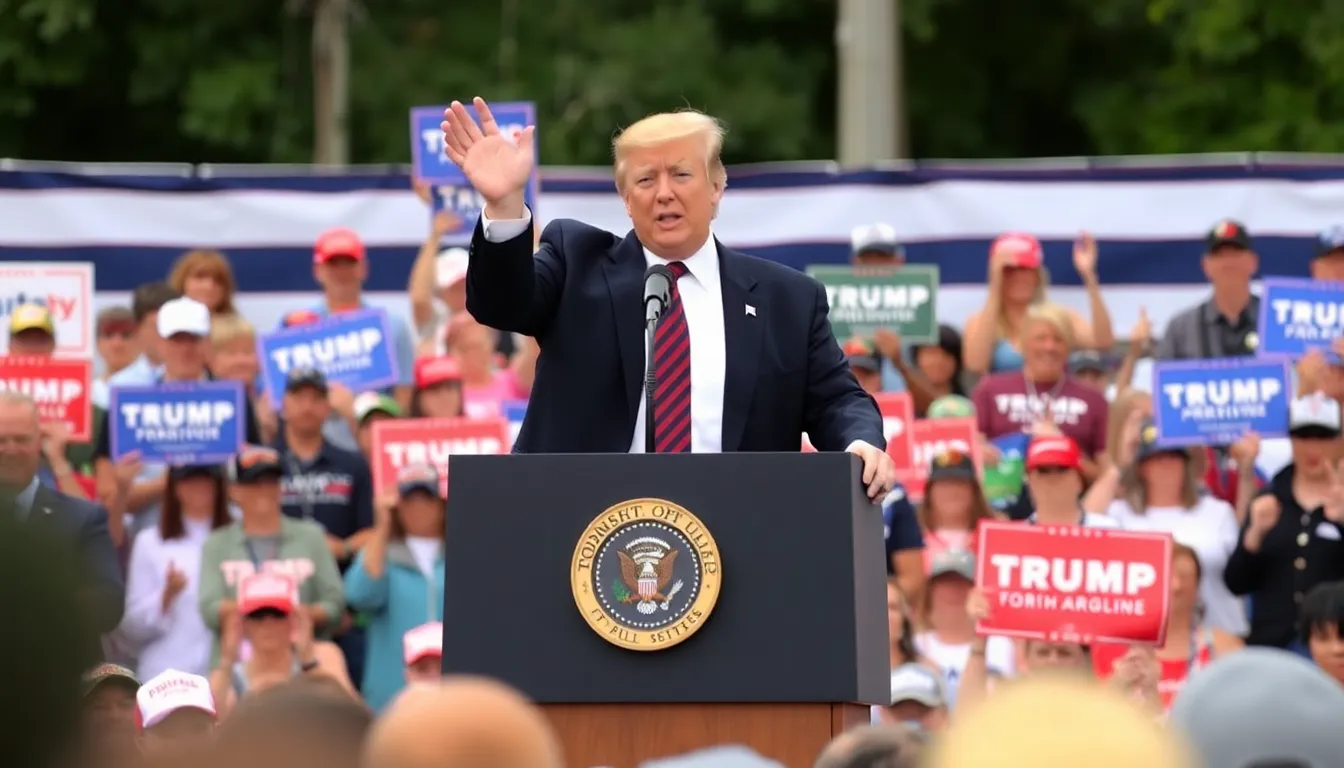
Trump’s comments were made during a rally in North Carolina, where he emphasized his administration’s commitment to prioritizing American workers and industries. This rhetoric resonates with his base, particularly in manufacturing sectors that have been affected by international competition. However, critics warn that escalating tariffs could lead to retaliation from South Korea and disrupt global supply chains.
The timing of this announcement is particularly noteworthy, as it comes on the heels of a recent report indicating that U.S. exports to South Korea have increased since the trade deal was signed. Observers are now questioning whether this shift in policy could undermine the progress made in strengthening economic ties between the two nations.
Understanding the recent trade deal with South Korea
The trade relationship between the United States and South Korea has evolved significantly over the past few decades, marked by various agreements and economic policies. The most notable milestone was the Korea-U.S. Free Trade Agreement (KORUS), enacted in 2012, which aimed to eliminate tariffs and promote trade between the two nations. This agreement was seen as a way to strengthen economic ties and improve market access for American goods in South Korea, while also benefiting South Korean exports to the U.S. To learn more about trade agreements, see this link.
However, the dynamics of this relationship have shifted under the Trump administration, which has taken a more protectionist stance on trade. In 2018, President Trump announced revisions to the KORUS agreement, citing concerns over trade imbalances and the need for greater protections for American industries. The renegotiated deal included provisions that aimed to increase U.S. exports of automobiles and beef, while also addressing issues related to intellectual property and labor rights.
Despite these adjustments, tensions have continued to simmer. In recent months, President Trump has signaled a willingness to impose higher tariffs on South Korean goods, arguing that such measures are necessary to protect American jobs and industries. This rhetoric has raised concerns among economists and trade experts, who warn that escalating tariffs could lead to retaliatory measures from South Korea and disrupt the delicate balance established by the KORUS agreement.
Historical Context of U.S.-South Korea Trade Relations
The history of U.S.-South Korea trade relations is rooted in the aftermath of the Korean War, which solidified U.S. influence in the region. Over the years, South Korea transformed from a war-torn country into one of the world’s largest economies, largely due to its export-driven growth model. This economic rise has led to increasing competition with American industries, prompting periodic calls for trade adjustments and tariff implementations from U.S. policymakers.
As the global economic landscape continues to evolve, the future of U.S.-South Korea trade relations remains uncertain. The potential for higher tariffs could not only impact bilateral trade but may also set a precedent for how the U.S. engages with other trading partners in the region.
Key stakeholders and their positions on the tariff increase
The announcement by former President Donald Trump regarding higher tariffs on South Korea has stirred significant reactions from various stakeholders, each with their own interests and concerns. The primary actors in this scenario include the U.S. government, South Korean officials, American businesses, and trade advocacy groups.
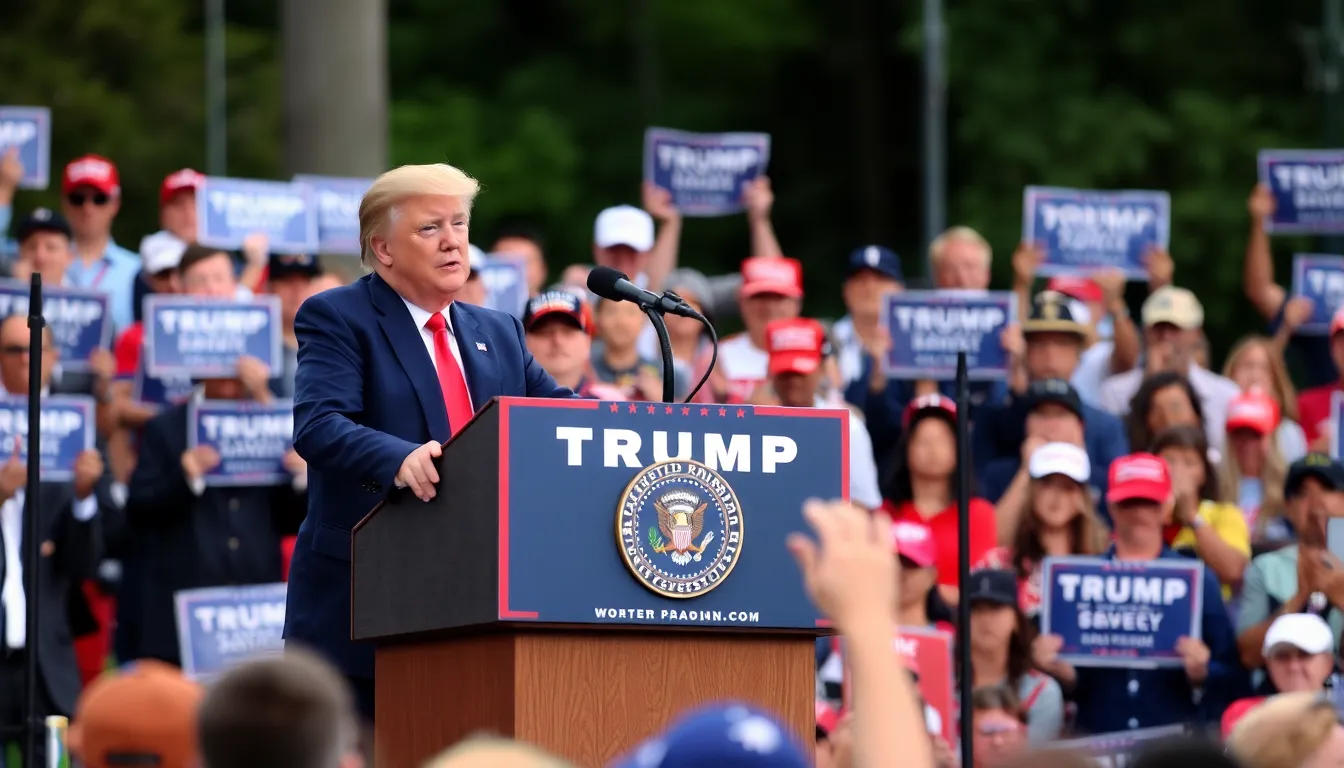
The U.S. government, particularly under Trump’s influence, aims to protect American industries and jobs by imposing higher tariffs. This move is aligned with Trump’s broader “America First” trade policy, which seeks to reduce trade deficits and encourage domestic production. However, this approach raises concerns about potential retaliation from South Korea and other trading partners.
South Korea, as a key ally and trading partner of the United States, has a vested interest in maintaining a stable trade relationship. The South Korean government may view the tariff increase as a breach of the spirit of their recent trade agreement, which was designed to foster cooperation and mutual economic benefit. This could lead to diplomatic tensions and a reevaluation of their trade strategies, highlighting the complexities in international trade relations, similar to the issues faced by other nations as discussed in this article.
American businesses, particularly those that rely on exports to South Korea, face a dilemma. On one hand, higher tariffs could protect certain domestic industries; on the other hand, they could increase costs for consumers and disrupt supply chains. Industries such as automotive and electronics, which have significant ties to South Korea, may find themselves caught in the crossfire of escalating trade tensions.
- Potential Retaliation: South Korea may respond with its own tariffs, affecting U.S. exports.
- Impact on Consumers: Higher tariffs could lead to increased prices for goods imported from South Korea.
- Legal Challenges: The tariff increase may face scrutiny under international trade laws.
- Political Ramifications: This move could influence upcoming elections and public opinion on trade policy.
- Long-term Relationships: Sustained tariff increases may damage the long-term economic partnership between the U.S. and South Korea.
Potential effects on the South Korean economy and U.S. relations
The announcement of higher tariffs by former President Trump is set to impact various sectors within South Korea, particularly those reliant on exports to the United States. Key industries such as automotive, electronics, and textiles could face increased costs, which may lead to higher prices for consumers and reduced competitiveness in the U.S. market.
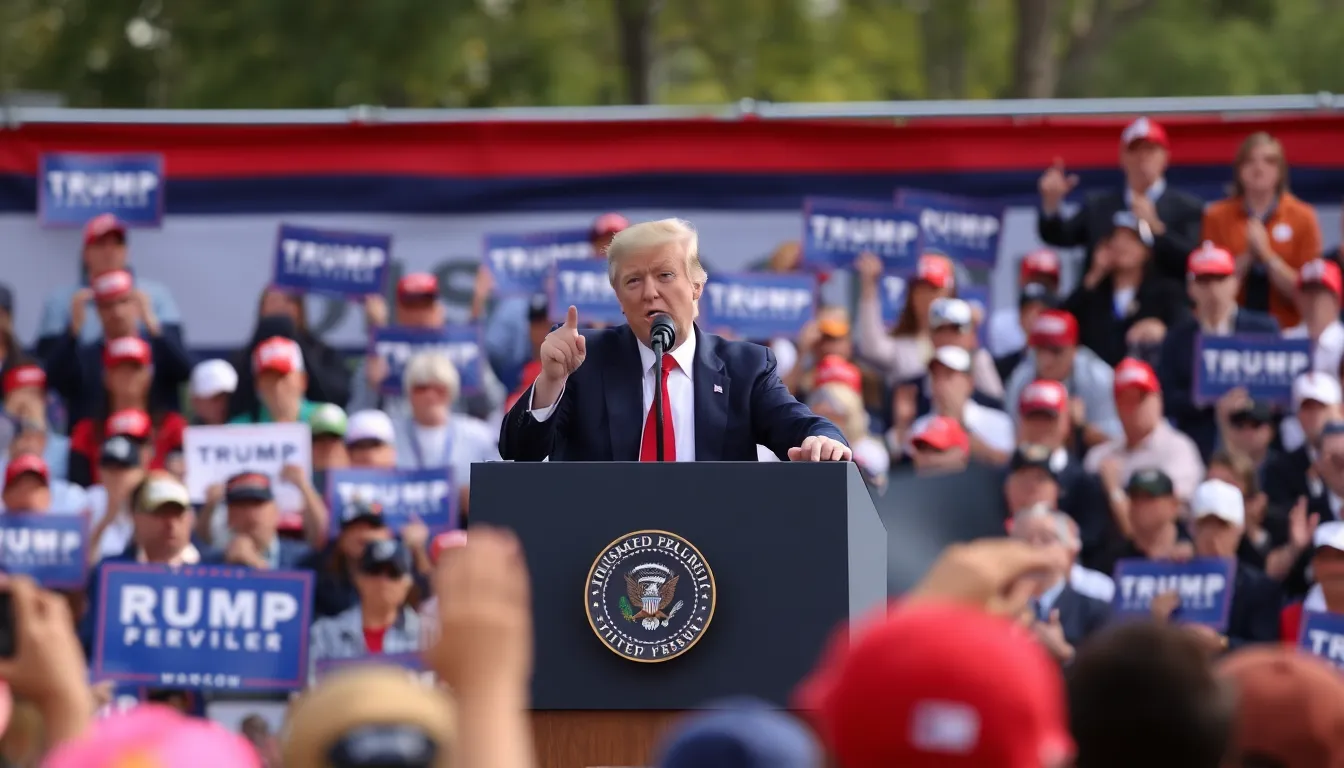
In the short term, businesses in South Korea may experience immediate disruptions as they adjust to the new tariff landscape. This could result in a slowdown in trade, affecting supply chains and potentially leading to layoffs in affected sectors. Consumers might see rising prices for imported goods, which could dampen domestic consumption and overall economic growth.
In the mid-term, the impact on U.S.-South Korea relations could be significant. Heightened tariffs may strain diplomatic ties and provoke retaliatory measures from South Korea, leading to a trade war that could affect not only bilateral relations but also regional stability. Additionally, South Korean businesses may be compelled to seek alternative markets, which could shift trade dynamics in Asia.
- Risks: Increased costs for consumers, potential layoffs, and strained diplomatic relations.
- Opportunities: South Korean companies may innovate to maintain competitiveness and explore new markets.
Furthermore, the long-term effects could reshape the landscape of U.S.-South Korea trade agreements. Policymakers may need to reassess existing deals and negotiate new terms that could either alleviate or exacerbate tensions. The outcome of these negotiations will be critical in determining the future of economic collaboration between the two nations.
A: Trump’s decision appears to be influenced by ongoing trade negotiations and a desire to protect American industries. The announcement comes as a surprise given the recent trade deal. A: Higher tariffs may lead to increased prices for goods imported from South Korea, potentially affecting consumers. This could result in higher costs for electronics and automobiles. A: South Korea may retaliate with its own tariffs or seek diplomatic channels to address the situation. The government is likely to evaluate its options carefully. A: Certain U.S. industries, particularly those competing with South Korean imports, may see a boost. However, the overall economic impact remains uncertain. A: This move reflects Trump’s broader strategy of using tariffs as a tool to negotiate better trade terms, emphasizing his ‘America First’ policy.
Frequently asked questions about the tariff increase
Looking ahead: implications of Trump’s tariff plans
The recent announcement by former President Trump regarding higher tariffs on South Korea raises several important considerations for both countries and their economic relationships. This move, occurring just months after a significant trade deal, signals a potential shift in U.S. trade policy that could have broader repercussions not only for South Korea but also for global markets. Stakeholders must remain vigilant as they assess the potential impacts on trade dynamics, domestic industries, and diplomatic relations.
As businesses and policymakers navigate this evolving landscape, it is crucial to monitor the responses from South Korea and other trading partners. The implications of these tariffs could extend beyond immediate economic effects, influencing future negotiations and trade agreements.
- Potential for retaliatory measures: South Korea may respond with its own tariffs or trade restrictions, escalating tensions between the two nations.
- Impact on specific industries: Certain sectors, such as automotive and electronics, could face significant challenges due to increased costs and supply chain disruptions.
- Market volatility: Investors should prepare for fluctuations in stock markets as companies adjust to the new tariff landscape.
- Long-term trade relations: The decision may affect future U.S.-South Korea trade negotiations, with potential implications for broader regional trade agreements.
- Domestic political ramifications: Trump’s tariff plans could influence domestic political dynamics, particularly as the 2024 elections approach.