
The restart, which began on October 1, 2023, comes amid a growing energy crisis in Japan, where reliance on imported fossil fuels has surged in recent years. The Japanese government aims to boost domestic energy production and reduce carbon emissions, making nuclear energy a central component of its strategy to achieve energy security and sustainability.
Despite the government’s push, public sentiment remains cautious. Many residents and activists express concerns over nuclear safety and the lingering memories of the Fukushima disaster, which resulted in widespread evacuations and long-term environmental impacts. The recent restart has sparked protests and calls for stricter safety regulations to ensure the protection of local communities.
Tokyo Electric Power Company (TEPCO), the operator of the Kashiwazaki-Kariwa plant, has implemented new safety measures and upgrades to address past vulnerabilities. However, the success of this restart will be closely monitored by both government officials and the public, as it could set a precedent for the future of nuclear energy in Japan.
Recommended Articles
- U.S. Refiners Set to Gain from Trump's Control Over Venezuelan Oil
- Cold weather and data centres increase US greenhouse gas emissions
- New ceasefire in Syria as Kurdish-led forces withdraw from IS families camp
- Cold weather increases greenhouse gas emissions from data centres in the US
- Nigeria police confirm mass church abductions amid earlier denial
- U.S. Refiners Set to Gain from Trump's Control Over Venezuelan Oil
- Cold weather and data centres increase US greenhouse gas emissions
- New ceasefire in Syria as Kurdish-led forces withdraw from IS families camp
- Cold weather increases greenhouse gas emissions from data centres in the US
- Nigeria police confirm mass church abductions amid earlier denial
The historical backdrop of nuclear energy in Japan and Fukushima’s impact
Nuclear energy has played a significant role in Japan’s energy landscape since the 1970s, when the country began to invest heavily in nuclear power as a means to secure energy independence and reduce reliance on imported fossil fuels. By the early 2000s, nuclear power accounted for approximately 30% of Japan’s electricity generation, positioning the country as one of the world’s leading proponents of nuclear energy.
However, the catastrophic earthquake and tsunami that struck Japan in March 2011 triggered the Fukushima Daiichi nuclear disaster, which fundamentally altered public perception and policy regarding nuclear energy. The disaster led to meltdowns in three reactors, releasing radioactive materials and resulting in widespread evacuations. In the aftermath, there was a significant backlash against nuclear power, with the government shutting down all nuclear reactors and initiating a comprehensive review of safety protocols.
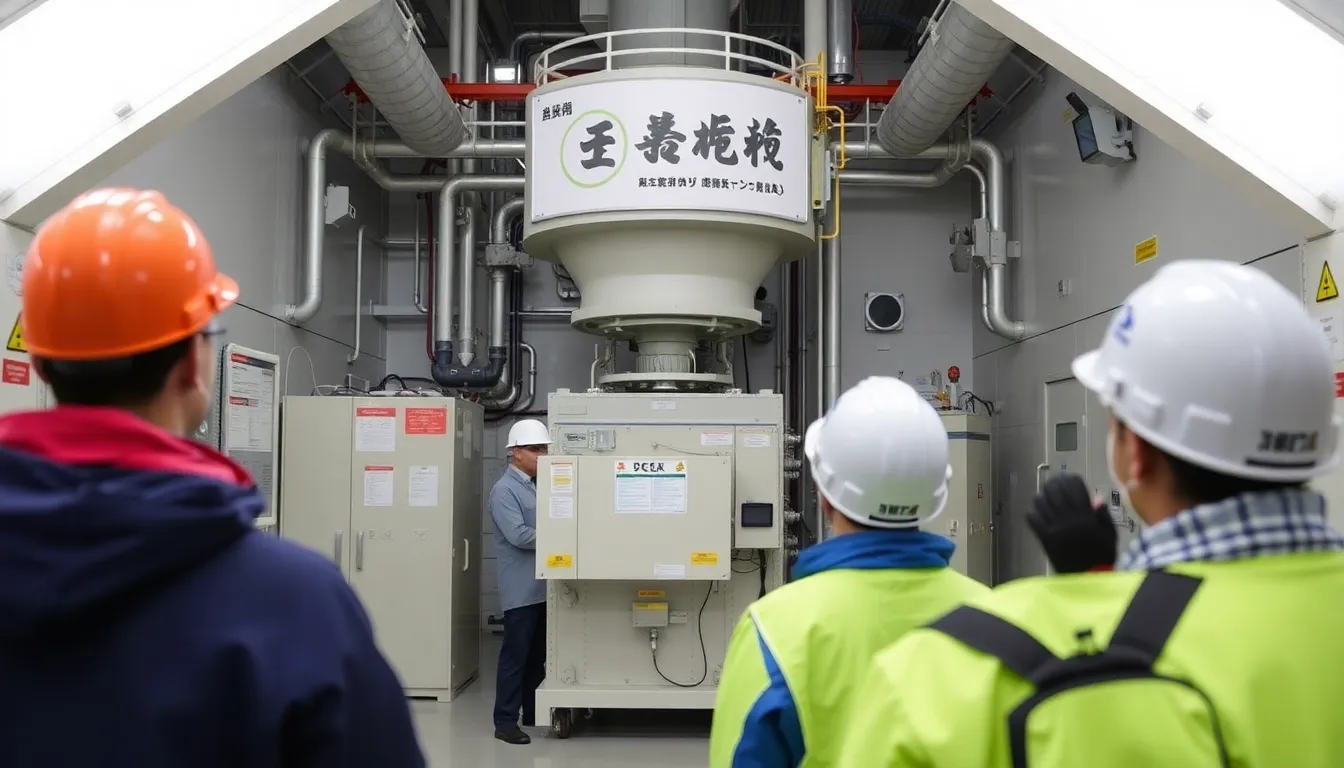
In the years following Fukushima, Japan’s energy landscape shifted dramatically. The country increased its dependence on imported fossil fuels, which raised energy costs and contributed to higher greenhouse gas emissions. The economic implications were profound, as Japan faced rising energy bills and a growing trade deficit. Amid these challenges, discussions surrounding the future of nuclear energy gained traction, with some advocating for a return to nuclear power as a means to achieve energy security and meet climate goals.
Political and social dynamics post-Fukushima
The political climate surrounding nuclear energy in Japan has been contentious since the Fukushima disaster. Public opinion has been deeply divided, with anti-nuclear sentiment remaining strong among many citizens, while others argue for a balanced energy policy that includes nuclear power. The government has faced pressure to ensure safety and transparency in the nuclear sector, leading to the establishment of the Nuclear Regulation Authority (NRA) in 2012 to oversee safety standards. As Japan restarts the world’s largest nuclear plant, the tension between energy needs and public safety concerns continues to shape the discourse around nuclear energy in the country.
Key stakeholders and the ongoing debate over nuclear energy
The decision to restart the world’s largest nuclear plant in Japan has reignited discussions among various stakeholders, each with distinct interests and concerns. The primary actors in this scenario include the Japanese government, energy companies, local communities, environmental organizations, and international observers.
The Japanese government, aiming to ensure energy security and reduce reliance on fossil fuels, supports the nuclear energy sector as a means to achieve its climate goals. However, this stance is complicated by the historical context of the Fukushima disaster, which has left a lasting impact on public perception and trust in nuclear energy.
Energy companies, particularly those operating the nuclear facilities, are motivated by the potential for economic gain and the need to stabilize energy prices. They argue that nuclear power is essential for meeting Japan’s energy demands while transitioning to a low-carbon economy. Nevertheless, they face significant opposition from local communities concerned about safety and environmental risks.
- Local communities: Many residents near nuclear plants express fears about safety and the potential for accidents, leading to a divide between economic benefits and public safety concerns.
- Environmental organizations: These groups advocate for renewable energy sources and emphasize the long-term environmental impacts of nuclear waste, pushing for a shift away from nuclear energy.
- International observers: Countries and organizations monitoring Japan’s nuclear policies are concerned about global nuclear safety standards and the implications of Japan’s energy choices on international relations.
Legal and economic issues also play a critical role in this debate. The regulatory framework governing nuclear energy in Japan has evolved since the Fukushima accident, with stricter safety measures being implemented. However, the economic viability of nuclear energy remains contested, as the costs of safety upgrades and waste management continue to burden energy companies.
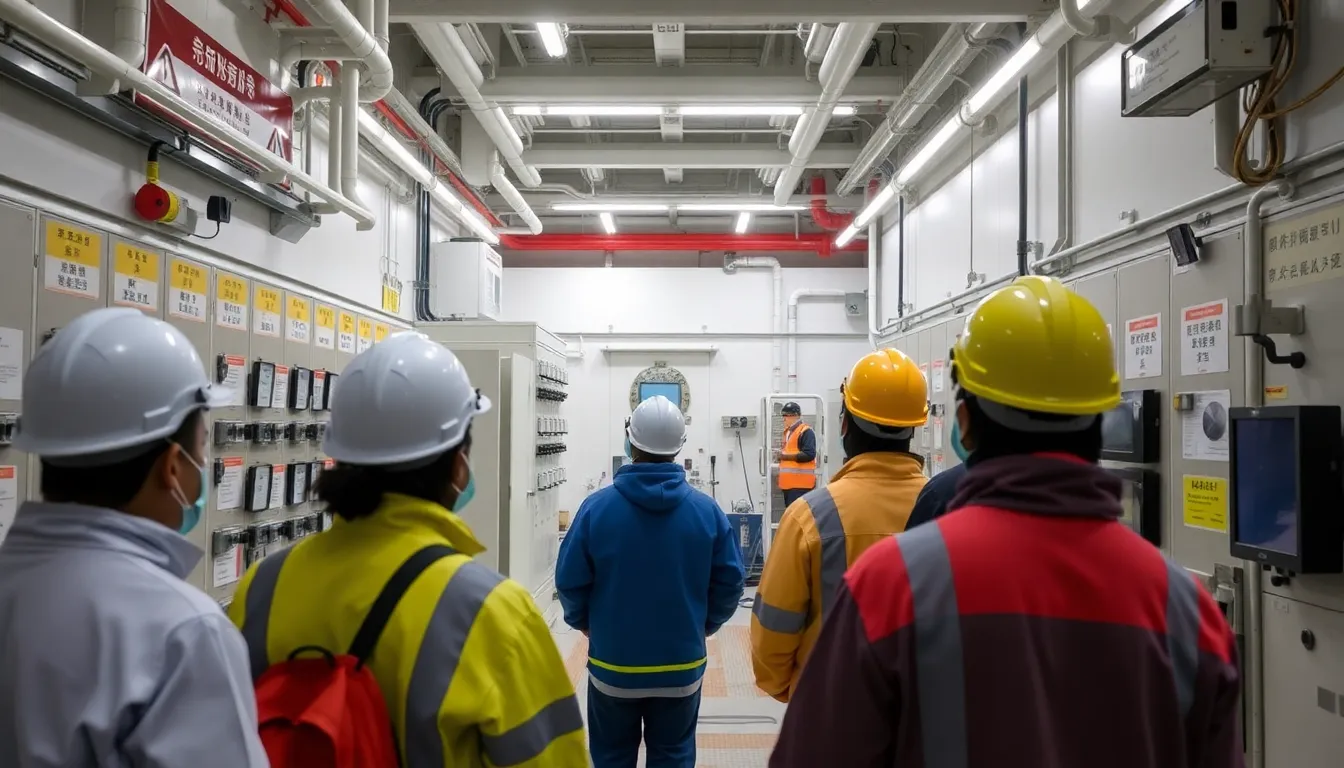
In summary, the restart of Japan’s nuclear plant is not merely a technical decision but a complex interplay of interests, fears, and aspirations among a diverse group of stakeholders. The ongoing debate reflects broader questions about energy policy, public safety, and environmental responsibility in a post-Fukushima world.
The potential effects on local communities and the energy market
The decision to restart the world’s largest nuclear plant in Japan has significant implications for various groups and industries. Local communities, particularly those near the plant, are directly affected due to concerns about safety, environmental impact, and economic opportunities. Residents may experience heightened anxiety as memories of the Fukushima disaster resurface, leading to polarized opinions on nuclear energy’s role in Japan’s future.
Industries such as energy production, manufacturing, and tourism are poised for both challenges and opportunities. The energy market may see a shift as nuclear power becomes a more prominent source of energy, potentially stabilizing electricity prices and reducing dependence on fossil fuels. However, this transition could also lead to job losses in alternative energy sectors that may struggle to compete with nuclear energy’s lower operational costs.
In the short term, daily life for residents in the vicinity of the nuclear plant may be impacted by increased scrutiny and regulations surrounding safety protocols. Businesses in the region may experience fluctuations in customer behavior, as some individuals may choose to avoid areas near the plant due to safety concerns. Conversely, local economies could benefit from the influx of jobs related to the plant’s operation and maintenance.
Mid-term impacts may include policy changes as the government reassesses its energy strategy. This could lead to increased investment in nuclear safety technology and infrastructure, which may create opportunities for innovation and growth in the tech sector. Additionally, the energy landscape may evolve, with a potential resurgence of interest in nuclear energy as a viable alternative to combat climate change.
- Increased job opportunities in nuclear plant operations.
- Potential rise in local business activity due to workforce influx.
- Heightened safety regulations impacting operational protocols.
- Shifts in energy pricing affecting consumer costs.
- Environmental concerns influencing public opinion and policy decisions.
Frequently asked questions about the nuclear plant restart
A: The plant was shut down following the Fukushima disaster in 2011, which raised significant safety concerns about nuclear energy in Japan.
A: The government has introduced enhanced safety protocols and regular inspections to ensure the plant operates within strict safety standards.
A: Many local residents express mixed feelings, with some concerned about safety risks while others support the need for stable energy supply.
A: This plant plays a crucial role in Japan’s energy strategy, aiming to reduce reliance on fossil fuels and achieve energy sustainability.
A: The international community is closely monitoring Japan’s decision, with concerns about nuclear safety and environmental impacts being paramount.
Future outlook on Japan’s nuclear energy policy and safety measures
The restart of the world’s largest nuclear plant marks a significant turning point for Japan’s energy landscape, especially in the wake of the Fukushima disaster. As the government aims to balance energy security with environmental commitments, the implications of this decision extend beyond immediate energy production. The approach to nuclear energy will likely evolve, reflecting both public sentiment and international pressures regarding safety and sustainability.
Monitoring the developments in safety protocols and public acceptance will be crucial as Japan navigates this complex terrain. The operational status of the nuclear plant may serve as a litmus test for future energy policies, influencing both domestic and global perspectives on nuclear energy as a viable alternative to fossil fuels.
- Watch for updates on safety measures implemented at the nuclear plant, which will be critical in rebuilding public trust.
- Observe how this decision affects Japan’s energy imports and overall energy strategy, particularly in relation to renewable sources.
- Consider the potential ripple effects on international nuclear policies, especially in countries with similar energy needs.
- Keep an eye on public sentiment and protests, as community response could shape future government decisions regarding nuclear energy.
- Evaluate the long-term impact on Japan’s commitment to reducing carbon emissions and meeting international climate agreements.