
Overview of the new ceasefire in Syria
In a significant development, a new ceasefire has been established in Syria following the withdrawal of Kurdish-led forces from a camp housing families of Islamic State (IS) fighters. This decision comes amid ongoing tensions in the region and aims to stabilize areas affected by conflict. The ceasefire was announced on October 15, 2023, marking a crucial moment in the complex dynamics of the Syrian civil war and highlighting the need for ongoing international engagement.
The Kurdish-led Syrian Democratic Forces (SDF) have been instrumental in the fight against IS, but their recent pullout from the camp has raised concerns about the security of the detainees and the potential resurgence of IS activities. The camp, located in northeastern Syria, has been a focal point for international attention due to the presence of foreign nationals linked to IS. The withdrawal is seen as a strategic move to redirect resources amid shifting alliances.
International stakeholders, including the United States and European nations, are closely monitoring the situation, as the ceasefire could influence broader geopolitical stability in the region. Humanitarian organizations have also expressed concern about the living conditions in the camp and the need for a coordinated response to prevent a humanitarian crisis. The ceasefire is expected to provide a window for negotiations and aid delivery.
As the ceasefire takes effect, the implications for local governance and security remain uncertain. The SDF’s decision to withdraw may lead to a power vacuum that could be exploited by IS or other militant groups. Observers are urging all parties involved to adhere to the terms of the ceasefire to ensure lasting peace and stability in Syria.
Background of the Kurdish-led forces and IS families camp
The conflict in Syria has been marked by a complex interplay of ethnic, political, and religious dynamics, particularly involving Kurdish-led forces and the remnants of the Islamic State (IS). The Kurdish forces, primarily the Syrian Democratic Forces (SDF), emerged as a significant military power during the battle against IS, gaining international support, especially from the United States, which has been instrumental in countering extremist threats.
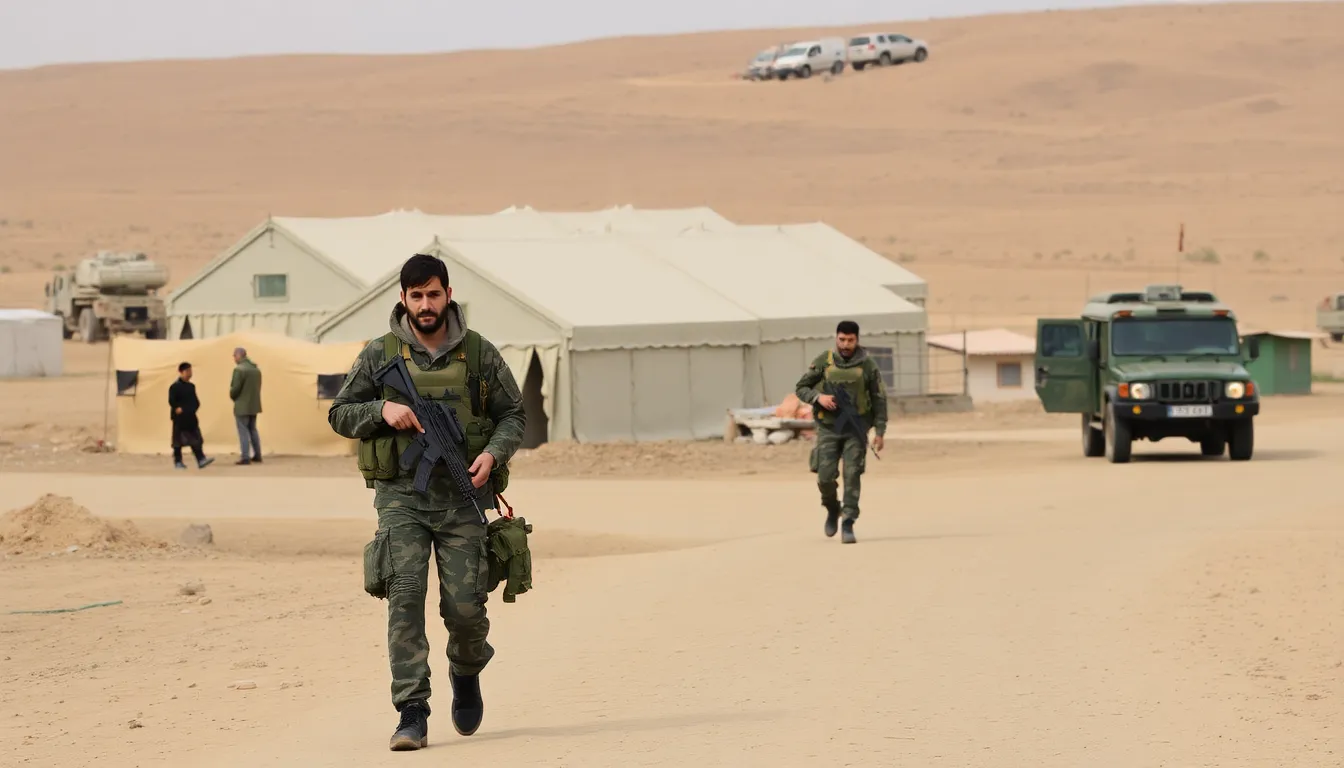
The Al-Hol camp, one of the largest facilities housing IS families, has become a focal point for discussions about the future of these individuals. The camp is home to thousands of women and children, many of whom are the families of IS fighters. The conditions in Al-Hol have been dire, with reports of violence, disease, and inadequate resources. The Kurdish-led administration has faced immense pressure to manage the camp, balancing humanitarian needs with security concerns regarding the potential resurgence of IS ideology among the inhabitants.
Political Dynamics and Ceasefire Efforts
The recent ceasefire in the region follows a series of complex negotiations involving various stakeholders, including the Syrian government, Kurdish forces, and international actors. The withdrawal of Kurdish-led forces from the camp was a strategic decision aimed at de-escalating tensions and addressing the urgent humanitarian crisis. This move reflects the broader geopolitical landscape, where Kurdish autonomy is often contested by Turkey, which views Kurdish groups as terrorist organizations. The ceasefire is seen as a temporary measure to stabilize the region while discussions about the future of IS families continue.
Historically, the presence of IS in Syria has reshaped local governance and security arrangements. The Kurdish-led forces have sought to establish a degree of autonomy in northeastern Syria, which has led to friction with both the Syrian regime and Turkey. The management of IS families in camps has been a contentious issue, as many countries are hesitant to repatriate their nationals involved with IS. This has left the Kurdish-led administration to grapple with the implications of holding these individuals, while also trying to maintain order and security within their controlled territories.
As the situation evolves, the international community’s role remains critical. The ceasefire offers a temporary respite, but the underlying issues of governance, security, and the future of IS families in Syria continue to pose significant challenges, similar to the complexities faced by U.S. refiners navigating geopolitical tensions.
Key stakeholders and issues surrounding the ceasefire
The recent ceasefire in Syria, following the withdrawal of Kurdish-led forces from a camp housing families of ISIS fighters, highlights a complex web of stakeholders and interests. The primary actors include the Kurdish-led Syrian Democratic Forces (SDF), the Syrian government, various rebel groups, and international powers such as the United States and Russia. Each of these entities has distinct objectives that influence their actions and responses to the ceasefire.
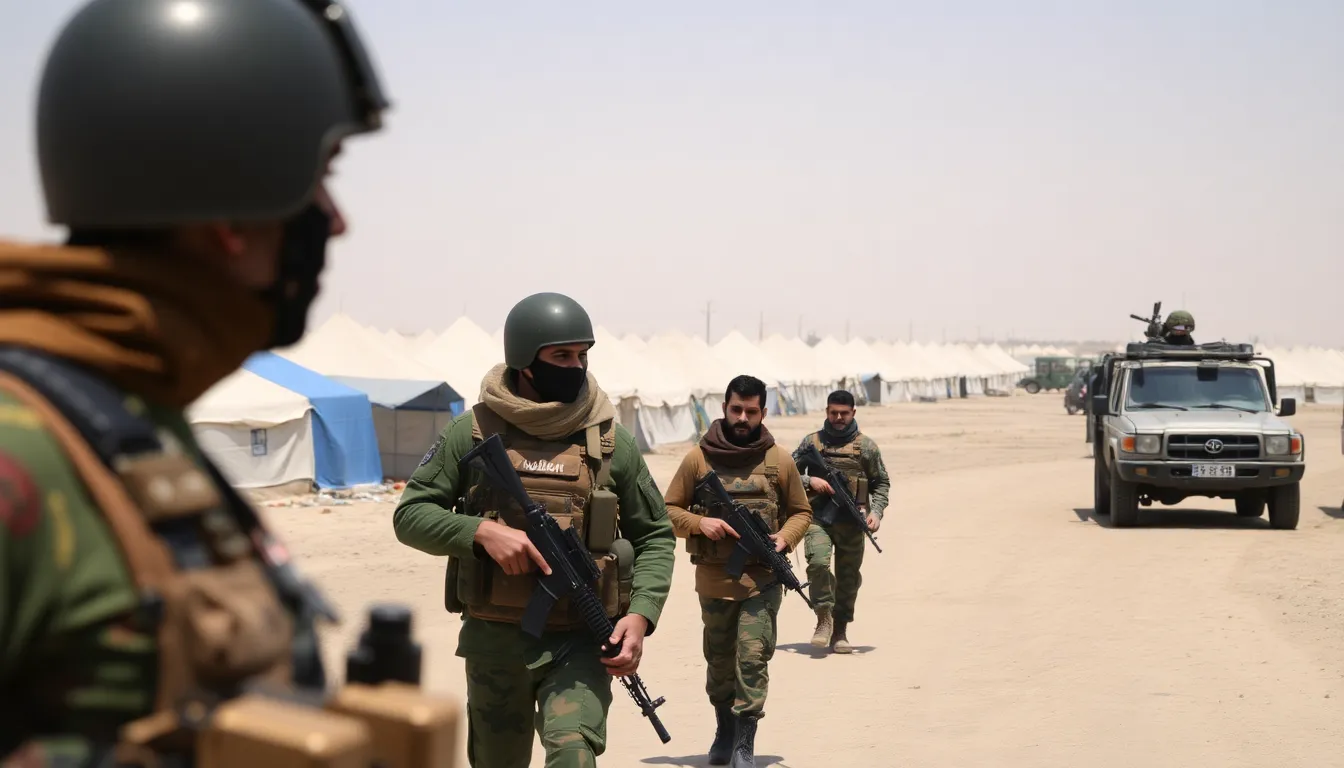
The SDF, which has played a significant role in the fight against ISIS, aims to maintain control over territories in northeastern Syria while ensuring the security of the camps housing ISIS families. Their withdrawal from the camp can be seen as a strategic move to de-escalate tensions and allow for a more stable governance structure in the region. However, this raises concerns about the potential resurgence of ISIS and the safety of the local population.
The Syrian government, led by President Bashar al-Assad, seeks to reassert control over all Syrian territory, including areas previously held by the SDF. Their interest lies in undermining Kurdish autonomy and re-establishing state authority, which may conflict with the aspirations of the Kurdish forces. This dynamic creates a precarious balance, as the government might view the ceasefire as an opportunity to regain influence.
- International Interests: The United States and its allies are concerned about the implications of ISIS resurgence and the broader stability of the region. Their support for the SDF complicates relations with Turkey, which opposes Kurdish autonomy due to its own domestic issues with Kurdish groups.
- Humanitarian Concerns: The situation at the camps for ISIS families raises significant humanitarian issues, including the treatment of women and children associated with the group. The ceasefire may provide a temporary reprieve, but it does not address the long-term needs of these populations.
- Legal Implications: The status of detainees and their families in the camps poses legal challenges, particularly regarding human rights and international law. The ceasefire does not resolve the accountability issues surrounding ISIS fighters and their families.
As the ceasefire unfolds, the interplay between these stakeholders will shape the future of the region. The potential for renewed conflict remains high, especially if the interests of the various actors are not aligned. Observers will need to monitor how the ceasefire impacts local governance, security dynamics, and humanitarian conditions in the affected areas.
Impact on local populations and regional dynamics
The recent ceasefire in Syria, following the withdrawal of Kurdish-led forces from the camp housing families of ISIS fighters, has significant implications for various groups and communities in the region. Primarily, local populations, including displaced families and those residing near the camp, are directly affected by changes in security dynamics and resource allocation.
In the short term, the ceasefire may lead to a temporary reduction in violence, allowing humanitarian aid to reach areas that have been previously inaccessible due to conflict. This could enhance daily life for civilians, providing them with much-needed access to food, healthcare, and other essential services. However, there is also a risk of increased tensions as different factions vie for control and influence in the absence of a stable governing force.
Mid-term impacts may include shifts in local governance structures. The withdrawal of Kurdish forces could create a power vacuum that might be filled by extremist groups or rival factions, potentially leading to renewed instability. Businesses in the region, particularly those dependent on security for operation, may face uncertainty, affecting local economies. Conversely, some industries, such as construction and humanitarian services, may experience a boost as reconstruction efforts and aid initiatives ramp up.
- Increased humanitarian access: Potential for improved living conditions for local populations.
- Economic uncertainty: Local businesses may struggle with fluctuating security conditions.
- Power dynamics: Possible rise of extremist factions in the vacuum left by Kurdish forces.
- Reconstruction opportunities: Growth in construction and aid-related sectors.
Overall, while the ceasefire presents opportunities for humanitarian relief and economic activity, the risks associated with power shifts and potential violence remain a significant concern for the affected populations and the broader regional stability.
A: The ceasefire was initiated after Kurdish-led forces decided to withdraw from a camp that housed families of Islamic State members, aiming to reduce tensions in the region. A: The ceasefire is expected to provide temporary relief to local communities, allowing for humanitarian aid to reach those in need and reducing the risk of further conflict. A: The withdrawal may impact the Kurdish-led forces’ control in the region and their relations with other local and international stakeholders. A: Yes, there are concerns that the ceasefire could be fragile, with the potential for renewed violence if underlying issues are not addressed. A: International actors, including the US and regional powers, have a vested interest in the stability of Syria and may influence the outcomes of the ceasefire.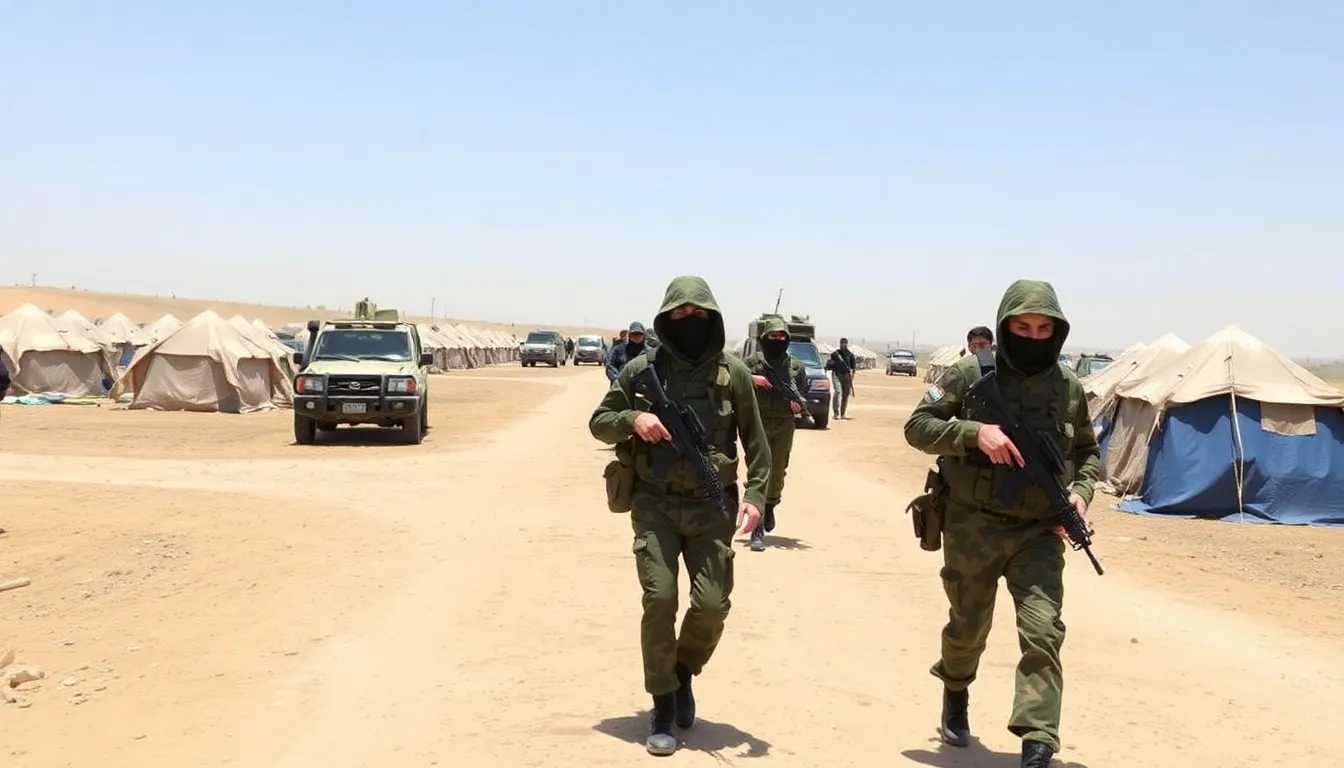
Frequently asked questions about the ceasefire
Insights and future outlook on the ceasefire situation
The recent ceasefire in Syria, following the withdrawal of Kurdish-led forces from the camp housing families of ISIS fighters, marks a significant shift in the ongoing conflict dynamics. This development could potentially reshape the landscape of security and governance in the region, as various factions reassess their strategies in light of the new circumstances. The implications of this ceasefire extend beyond immediate military considerations, touching upon humanitarian, political, and diplomatic dimensions.
<pAs stakeholders navigate this complex environment, several scenarios may unfold. The ceasefire could lead to a temporary stabilization in the region, but it also raises questions about the long-term management of the ISIS family members and the broader implications for Kurdish autonomy and influence in Syria.
- Humanitarian concerns: The situation of families left in the camp remains precarious, necessitating international attention and assistance to prevent a humanitarian crisis.
- Political negotiations: The ceasefire may open avenues for renewed dialogue among Syrian factions, potentially paving the way for a more comprehensive peace process.
- Regional stability: The response from neighboring countries will be critical; any shifts in their policies could either support or undermine the ceasefire’s longevity.
- Security implications: Monitoring the activities of ISIS affiliates will be essential, as the group may exploit the situation to regroup or launch new operations.
- Kurdish dynamics: The future role of Kurdish forces in Syria will be a key point of observation, especially as they balance relations with both local and international actors.