
The decision was made public on October 15, 2023, following increasing scrutiny from advocacy groups and the media regarding the misuse of AI technologies. For an in-depth look at this issue, see Elon Musk’s approach to Grok’s sexualized images controversy. Musk’s platform aims to address these issues proactively, reflecting a broader industry trend towards responsible AI usage and content moderation.
Grok AI, a tool developed to create various forms of digital content, has faced backlash for its capacity to generate realistic images that could be deemed inappropriate. By blocking this functionality, X is taking a stand against the potential for AI to perpetuate harmful stereotypes and invade personal privacy.
This initiative highlights the ongoing debate surrounding the regulation of artificial intelligence and the responsibilities of tech companies in safeguarding users. As AI tools become more advanced, the need for clear ethical guidelines and protective measures is more critical than ever, especially as evident in recent cases discussed by the Commons women and equalities committee.
Understanding the rise of AI-generated content and its implications
The advent of artificial intelligence (AI) has revolutionized various sectors, including content creation. AI-generated content, particularly in the realm of images and videos, has gained significant traction over the past decade. This rise can be attributed to advancements in machine learning algorithms and the increasing availability of large datasets, enabling AI systems to generate highly realistic and often indistinguishable content from human-created works.
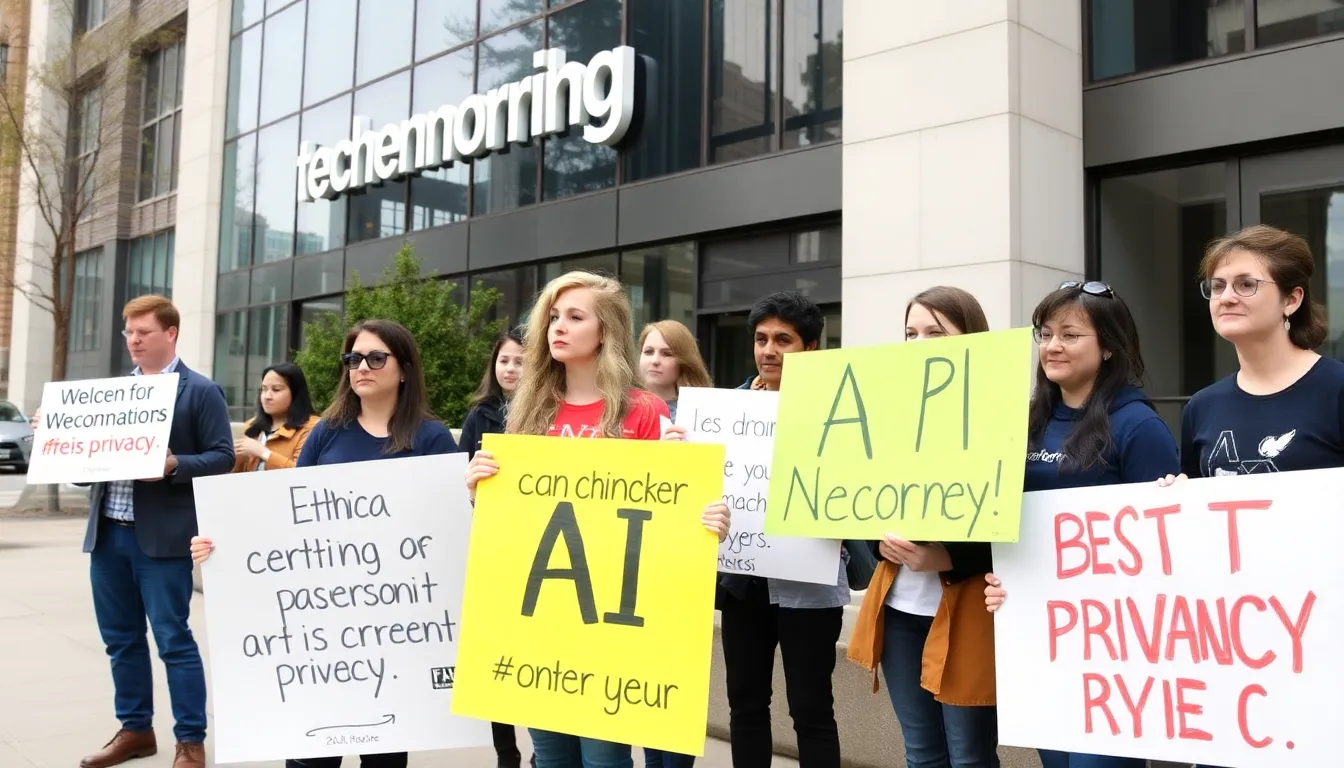
However, with these advancements come ethical and legal challenges. The ability of AI to create sexualized images of real people without their consent raises serious concerns regarding privacy, consent, and the potential for misuse. This issue has been at the forefront of discussions surrounding digital rights and the responsibilities of tech companies, particularly as AI tools become more accessible to the general public.
In recent years, several incidents have highlighted the dangers associated with AI-generated content. For instance, the proliferation of deepfake technology has led to numerous cases of individuals being depicted in compromising or damaging scenarios without their knowledge. These instances have sparked debates about the need for regulatory frameworks to protect individuals from the harmful effects of such technologies.
The Role of Social Media Platforms
Social media platforms have become a battleground for discussions on AI-generated content. Companies like Musk’s X have faced increasing pressure to implement measures that prevent the misuse of their platforms for creating and disseminating harmful content. The decision to block tools like Grok AI from generating sexualized images reflects a growing recognition of the need for responsible AI usage and the protection of personal rights in the digital age, aligning with regulatory moves such as those called for by Trump’s intervention in Congress.
As the landscape of AI continues to evolve, the implications of its use in content creation will remain a critical area for policymakers, tech companies, and society at large. The balance between innovation and ethical responsibility will be crucial in shaping the future of AI technologies.
Examining the stakeholders and ethical issues involved
The decision by Musk’s X to block the Grok AI tool from generating sexualized images of real people involves multiple stakeholders, each with distinct interests. These stakeholders include technology companies, content creators, regulatory bodies, and the general public. Each group holds varying perspectives on the implications of AI-generated content, particularly regarding ethical boundaries and the protection of individual rights.
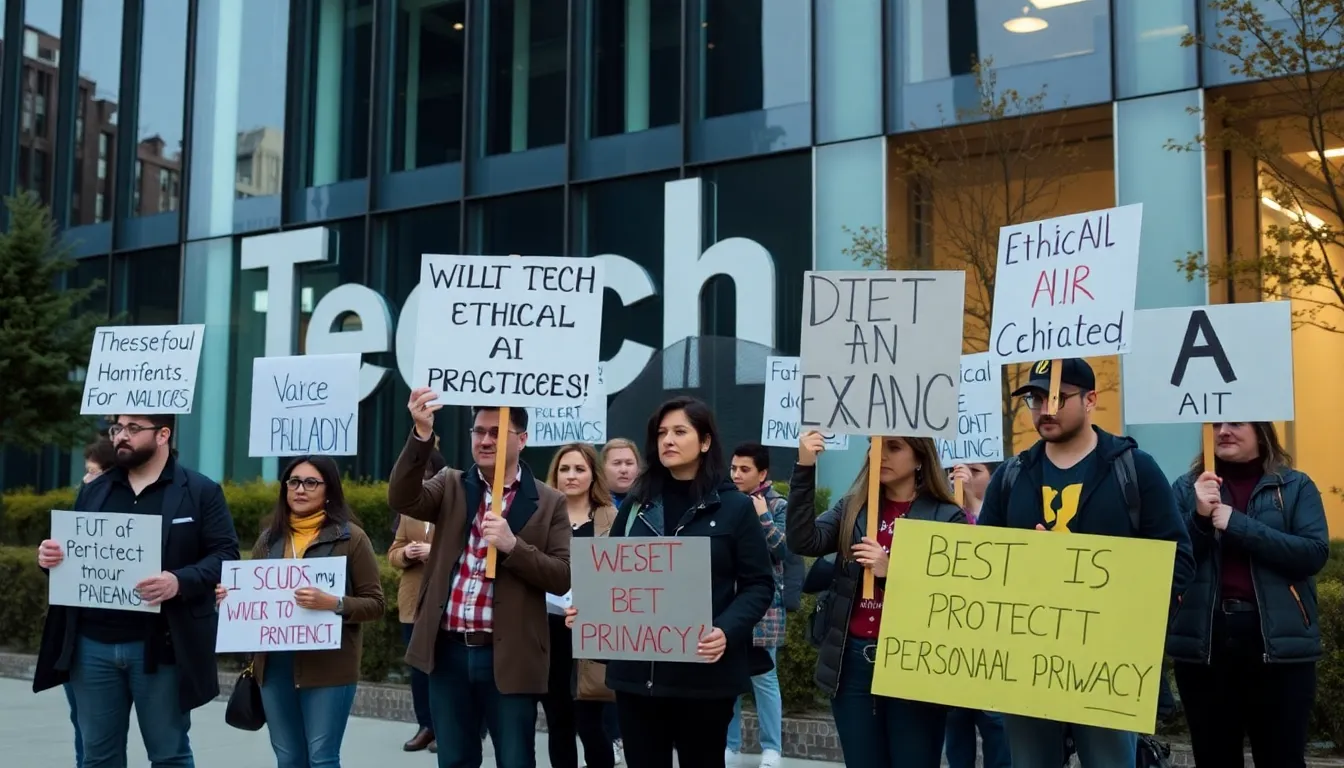
Technology companies, including X, are primarily concerned with maintaining a safe platform for users. Their interests lie in preventing the misuse of AI technologies that could lead to harassment or exploitation. By blocking Grok AI, X aims to establish itself as a leader in ethical AI usage, signaling to users that it prioritizes their safety and well-being.
Content creators and artists may view the ban on Grok AI as a protective measure for their work. However, some may argue that limiting AI tools restricts creativity and innovation. This conflict highlights the trade-off between protecting individual rights and fostering technological advancement. The artistic community is divided on whether such restrictions can stifle creativity or if they are necessary to prevent potential harm.
Regulatory bodies are becoming increasingly involved in discussions surrounding AI and its implications. Governments are tasked with creating frameworks that balance innovation with ethical considerations. The legal landscape surrounding AI-generated content is still evolving, and this situation raises questions about intellectual property rights, consent, and the accountability of AI developers.
- Ethical considerations: The potential for AI to create harmful or misleading content raises significant ethical questions.
- Legal implications: The evolving laws surrounding AI-generated content could impact how companies like X operate.
- Public perception: Users may feel safer knowing that platforms are taking steps to prevent the misuse of AI technologies.
- Economic interests: The balance between innovation and regulation could affect the financial viability of AI startups.
- Creative freedom: The debate continues on whether restrictions on AI tools hinder or protect artistic expression.
The potential effects on users and the AI market
The decision by Musk’s X to block the Grok AI tool from generating sexualized images of real people has far-reaching implications for various groups and industries. Primarily, content creators, digital artists, and social media users will feel the immediate effects, as their ability to utilize AI for creative purposes may be restricted. This move also raises concerns about censorship and the freedom of expression in digital spaces.
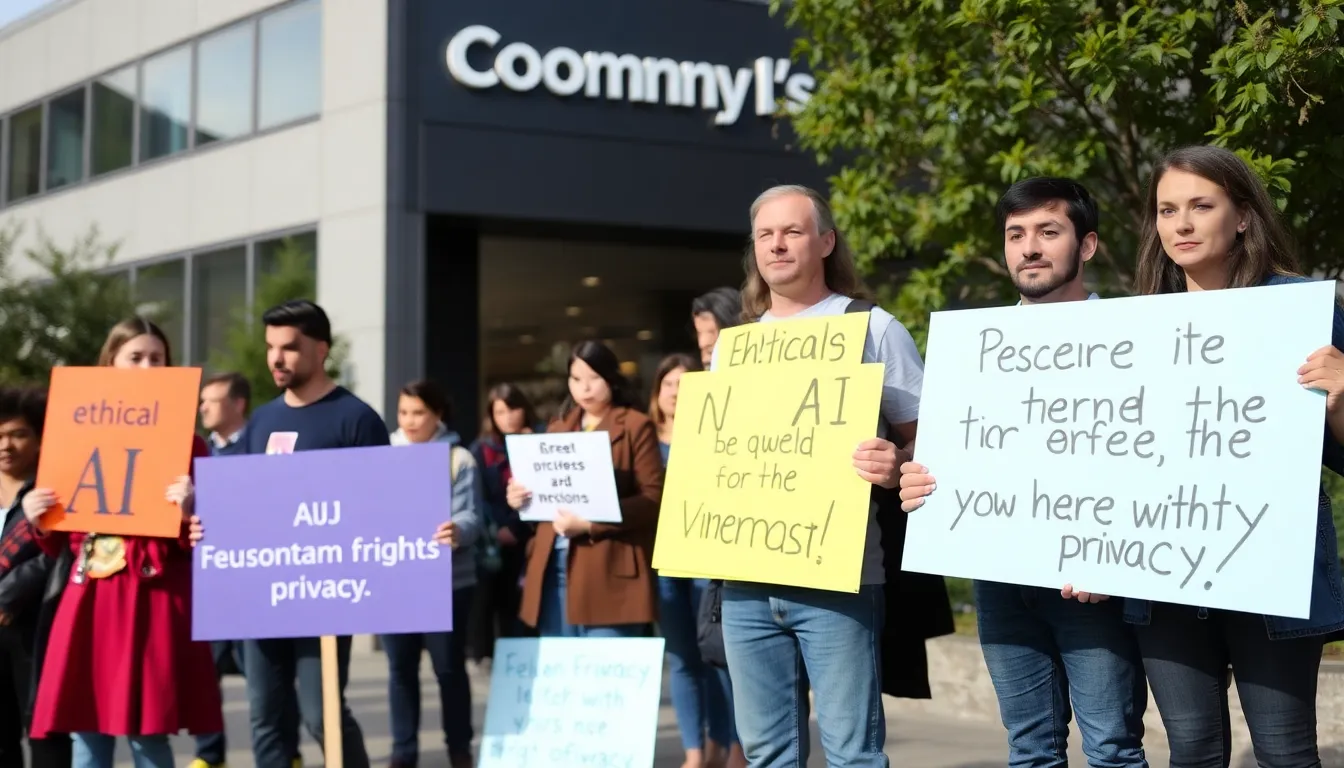
In the short term, businesses that rely on AI-generated content for marketing and advertising may face disruptions. Companies in the entertainment and fashion industries, which often utilize provocative imagery, could be particularly impacted as they seek alternative methods for content creation. This could lead to a temporary slowdown in campaigns and a reevaluation of strategies that incorporate AI technologies.
Mid-term, the policy change may prompt a shift in the AI market itself. Developers might pivot towards creating tools that comply with stricter guidelines, potentially fostering innovation in ethical AI practices. However, this could also result in a more fragmented market, where some AI tools become overly cautious, limiting their creative potential.
- Risks: Increased censorship may stifle creativity and limit the scope of AI applications.
- Opportunities: The demand for ethical AI tools could lead to new market niches and business models.
- Risks: Potential backlash from users who feel their creative freedom is being infringed upon.
- Opportunities: Enhanced focus on responsible AI usage may improve public trust in technology.
Regions with a high concentration of tech startups and creative industries, such as Silicon Valley and major urban centers, may experience significant shifts as they adapt to these new regulations. As the landscape evolves, companies and users alike will need to navigate the balance between innovation and ethical considerations in AI development.
A: The Grok AI tool is an artificial intelligence application designed to generate images based on user input. It has raised concerns due to its ability to create sexualised representations of real individuals. A: Musk’s X is blocking Grok AI to prevent the misuse of AI technology that could lead to the creation of harmful or inappropriate content, particularly involving real people. A: Users of Grok AI will no longer be able to generate sexualised images of real individuals, which may limit some creative uses of the tool but aims to protect individuals’ rights and dignity. A: This decision highlights the growing need for ethical guidelines in AI technology, potentially influencing other platforms to adopt similar restrictions to safeguard against misuse. A: While the current measures are aimed at blocking inappropriate content, the long-term status of Grok AI will depend on future developments and compliance with ethical standards.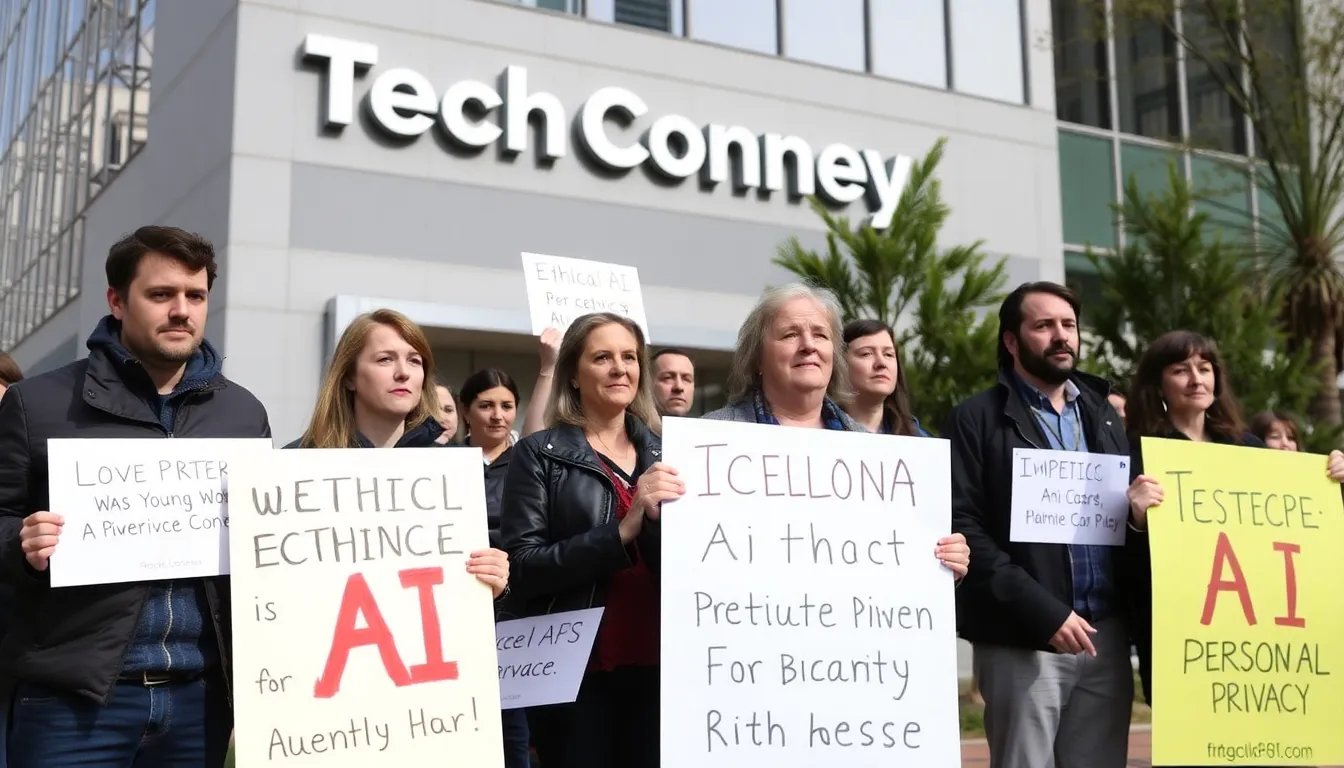
Frequently asked questions about the Grok AI tool and its restrictions
Key takeaways and future outlook on AI content regulation
The decision by Musk’s X to block the Grok AI tool from generating sexualized images of real people highlights the ongoing challenges and responsibilities that platforms face in regulating AI-generated content. As AI technologies continue to evolve, the balance between innovation and ethical considerations remains a critical area for scrutiny. This move not only reflects a response to public concerns about consent and exploitation but also sets a precedent for how AI tools may be governed in the future.
Looking ahead, it will be essential for stakeholders, including tech companies, regulators, and the public, to engage in meaningful discussions about the implications of AI in content creation. The potential for misuse is significant, and proactive measures will be necessary to ensure that AI serves society positively while safeguarding individual rights.
- Increased regulatory scrutiny: Expect more stringent regulations and guidelines as governments and organizations seek to manage AI’s impact on content generation.
- Heightened public awareness: The public’s understanding of AI-generated content will likely grow, leading to greater demand for transparency and ethical practices from tech companies.
- Technological advancements: Companies may invest in developing more sophisticated tools that can detect and prevent the creation of harmful or inappropriate content.
- Collaboration among stakeholders: Future efforts will require collaboration between tech firms, legal experts, and ethicists to create a balanced framework for AI use.
- Impact on creative industries: The regulation of AI-generated content could reshape creative industries, influencing how artists and creators engage with technology in their work.