
Major agricultural companies, including Bayer and John Deere, are investing heavily in research and development to enhance their technological offerings. For instance, John Deere’s acquisition of Blue River Technology in 2017 marked a pivotal moment in the integration of artificial intelligence into farming. This technology enables farmers to make more informed decisions based on real-time data, thereby improving efficiency. For more insights on AI’s role in agriculture, check out our article on AI chatbot development.
In addition, the rise of vertical farming and hydroponics is reshaping traditional farming methods. Urban areas are increasingly seeing the establishment of indoor farms that utilize LED lighting and controlled environments to grow crops year-round. This innovation not only conserves water but also reduces the carbon footprint associated with transporting food over long distances.
Moreover, the COVID-19 pandemic has accelerated the adoption of digital tools in agriculture. Farmers are now more reliant on e-commerce platforms and digital marketplaces to reach consumers directly. This shift is reshaping supply chains and providing farmers with new revenue streams, highlighting the importance of technology in modern agriculture.
As these trends continue to evolve, the debate over the future of farming intensifies. Stakeholders from various sectors are discussing the implications of ‘tech dense’ farms on rural economies, labor markets, and environmental sustainability. Understanding these dynamics is crucial for policymakers and industry leaders as they navigate the complexities of the agricultural landscape.
Understanding the evolution of agricultural technology
The journey of agricultural technology has been a long and transformative one, deeply intertwined with human civilization. From the early days of manual farming tools to the advent of mechanized agriculture in the 19th century, each advancement has significantly shaped food production and farming practices. The introduction of the plow, for instance, allowed for more efficient tilling of the soil, which in turn increased crop yields and laid the groundwork for settled agriculture. To learn more about how technology has evolved over the ages, read about the Mixed Reality Future.
In the 20th century, the Green Revolution marked a crucial turning point in agricultural history. This period saw the introduction of high-yielding crop varieties, synthetic fertilizers, and pesticides, all aimed at boosting food production to meet the demands of a growing population. Countries like India and Mexico benefited immensely from these innovations, transforming their agricultural landscapes and reducing hunger in previously food-scarce regions. However, these advancements also raised questions about sustainability, environmental impact, and economic viability.
The rise of precision agriculture
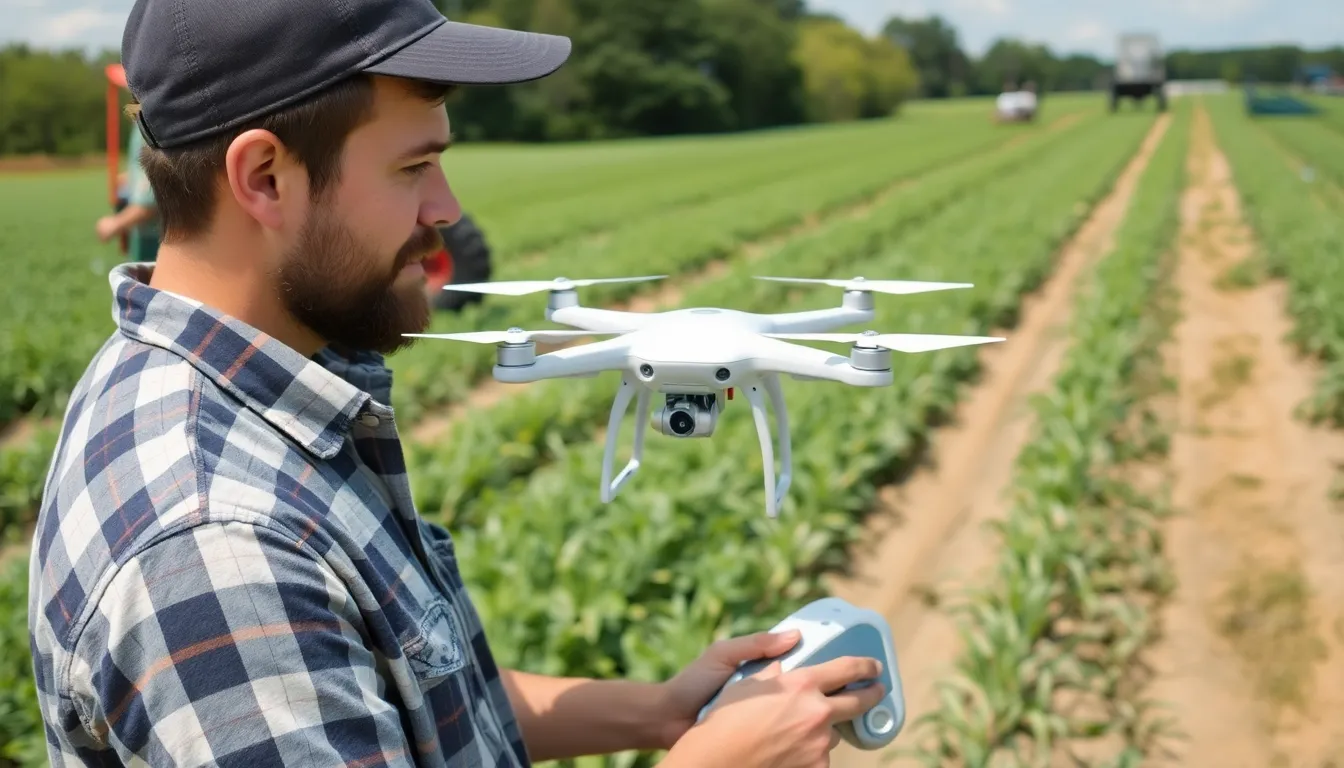
As the 21st century approached, the focus began to shift towards precision agriculture, driven by advancements in technology such as GPS, drones, and data analytics. Farmers started to utilize these tools to monitor crop health, optimize resource use, and increase efficiency. This shift not only aimed to enhance productivity but also sought to address the environmental concerns that arose from previous agricultural practices. The integration of technology in farming became increasingly essential, leading to the concept of ‘tech dense’ farmsoperations that leverage multiple technologies to maximize output and sustainability.
Moreover, the political landscape surrounding agriculture has evolved, with governments and organizations recognizing the need for innovation to combat climate change and food insecurity. Policies promoting research and development in agricultural technologies have gained traction, encouraging investments in sustainable farming practices. As a result, tech dense farms are emerging as a potential solution to the challenges faced by modern agriculture, blending traditional practices with cutting-edge technology. This topic is similar to the global discussions on economic agreements like the tariff relief between China and Canada.
Economically, the rise of tech dense farms is also influenced by market demands for transparency, efficiency, and sustainability. Consumers are increasingly interested in knowing where their food comes from and how it is produced, prompting farmers to adopt technologies that can provide detailed insights into their operations. This economic pressure, combined with the potential for increased profitability through enhanced productivity, positions tech dense farms as a compelling model for the future of agriculture.
Key stakeholders and challenges in tech dense farming
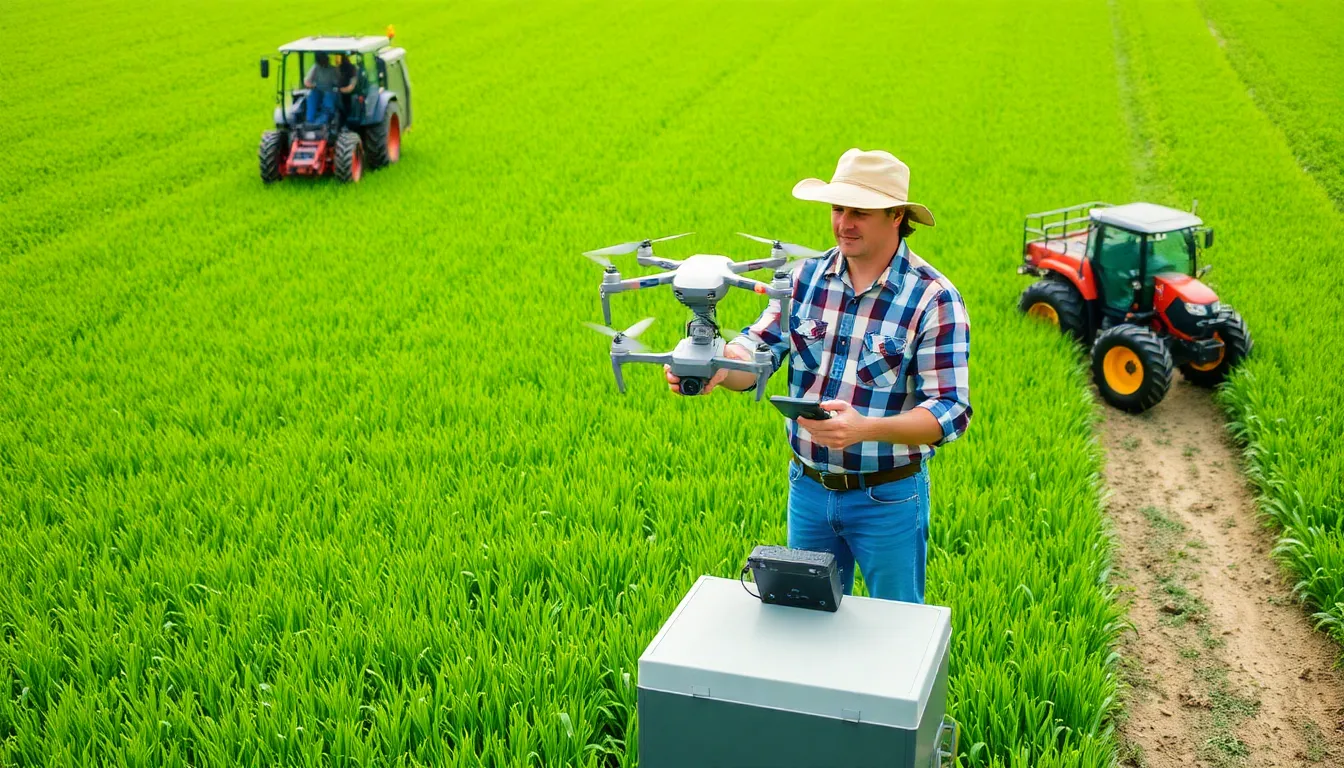
As the agricultural sector increasingly embraces technology, several key stakeholders play significant roles in shaping the future of tech dense farming. These include farmers, technology companies, governments, environmental organizations, and consumers. Each group has distinct interests that can lead to both collaboration and conflict.
Farmers are at the forefront of adopting new technologies, seeking improved efficiency, higher yields, and reduced labor costs. However, they often face challenges in accessing the necessary capital and training to implement these innovations effectively. Technology companies, on the other hand, are motivated by profit and market expansion, driving the development of advanced tools such as precision agriculture, drones, and AI-driven analytics.
Governments are pivotal in establishing regulations that govern the use of technology in farming. They aim to balance innovation with environmental protection and food safety. This can lead to conflicts, particularly when regulations may hinder technological adoption or when subsidies favor traditional farming practices over tech-driven approaches.
- Economic trade-offs: The initial investment in technology may be prohibitive for small-scale farmers, potentially widening the gap between large agribusinesses and smaller operations.
- Environmental concerns: While tech dense farming can lead to more sustainable practices, there are concerns about over-reliance on technology and its impact on soil health and biodiversity.
- Consumer preferences: As consumers become more aware of food sourcing and production methods, there is a growing demand for transparency in how tech is used in farming.
- Legal implications: Intellectual property issues surrounding agricultural technologies can create barriers for farmers who wish to innovate or adopt new practices.
- Ethical considerations: The use of technology raises questions about data privacy and the ethical treatment of labor in increasingly automated farms.
Ultimately, the interplay among these stakeholders will determine the trajectory of tech dense farming. As the landscape evolves, ongoing dialogue and collaboration will be essential to address the challenges and opportunities presented by this agricultural revolution.
Who benefits from tech dense farms and how
Tech dense farms, which integrate advanced technologies such as precision agriculture, robotics, and data analytics, have the potential to significantly impact various groups and industries. Farmers, agricultural technology companies, and consumers are among the primary stakeholders who stand to benefit from these innovations.
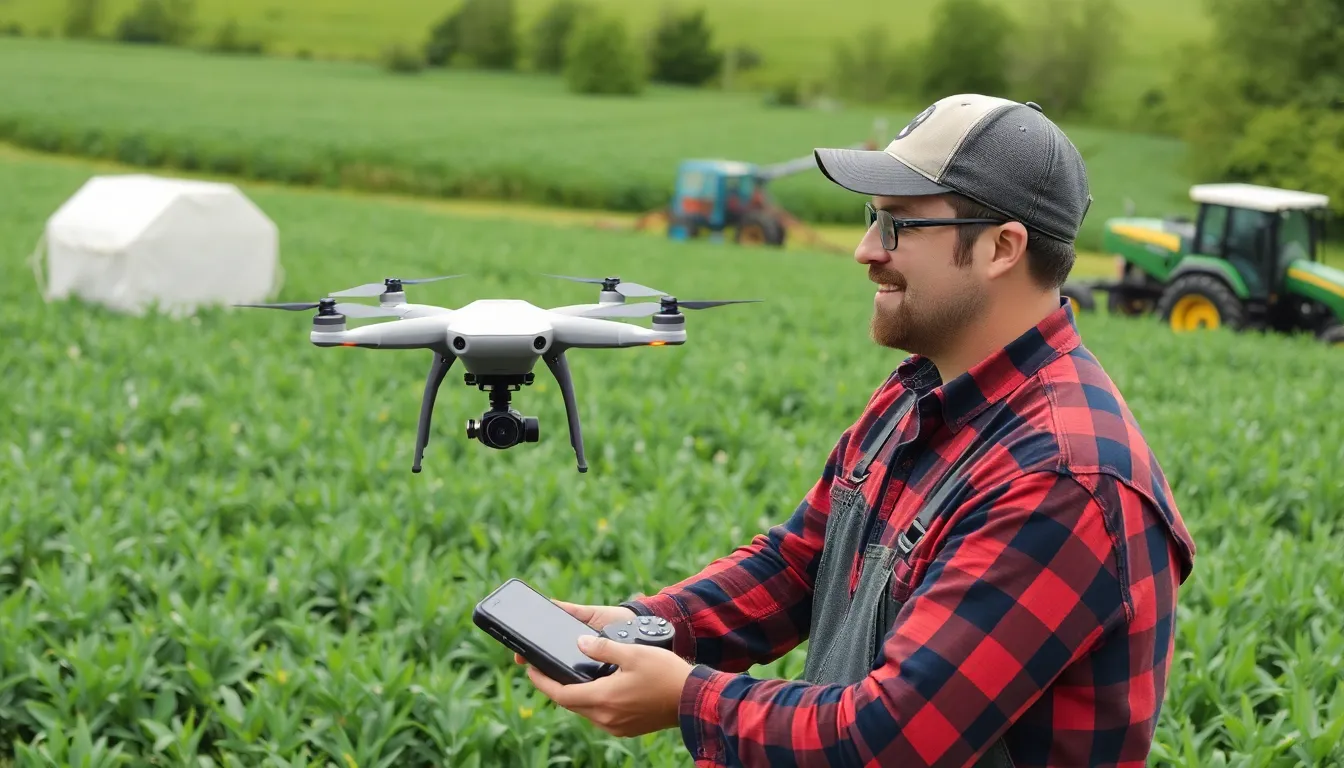
In the short term, farmers adopting tech dense practices can experience increased efficiency and productivity. By utilizing drones for crop monitoring or automated machinery for planting and harvesting, they can reduce labor costs and optimize resource use. This shift may lead to a more sustainable farming model, which could also attract investments in rural areas that are traditionally underserved.
On the consumer side, tech dense farms can lead to fresher produce and potentially lower prices due to increased supply chain efficiencies. Additionally, as these farms often focus on sustainable practices, consumers may benefit from healthier food options, aligning with the growing demand for organic and locally sourced products.
However, the transition to tech dense farming is not without its risks. Small-scale farmers may find it challenging to compete with larger operations that can afford costly technologies, potentially leading to market consolidation. Furthermore, reliance on technology may create vulnerabilities, such as cybersecurity threats or disruptions due to technical failures.
- Short-term impacts: Increased efficiency, reduced labor costs, and improved crop yields.
- Mid-term impacts: Market consolidation, shifts in consumer preferences, and potential regulatory changes.
- Opportunities: Growth in agricultural tech industries, investment in rural infrastructure, and enhanced food security.
- Risks: Challenges for small farmers, cybersecurity threats, and reliance on technology.
A: Tech dense farms utilize advanced technologies such as automation, data analytics, and IoT to enhance agricultural productivity. They aim to maximize yield while minimizing resource use. A: Tech dense farms can potentially reduce environmental impact by optimizing resource use, decreasing waste, and minimizing chemical inputs. However, the overall impact depends on implementation practices. A: Initially, tech dense farms may require significant investment in technology and infrastructure. However, they can lead to long-term savings through increased efficiency and reduced labor costs. A: Tech dense farming can be applied to various crops, but it is particularly effective for high-value crops that benefit from precision agriculture techniques. A: Yes, small farmers can adopt tech dense practices by utilizing scalable technologies and collaborating with tech providers to access affordable solutions.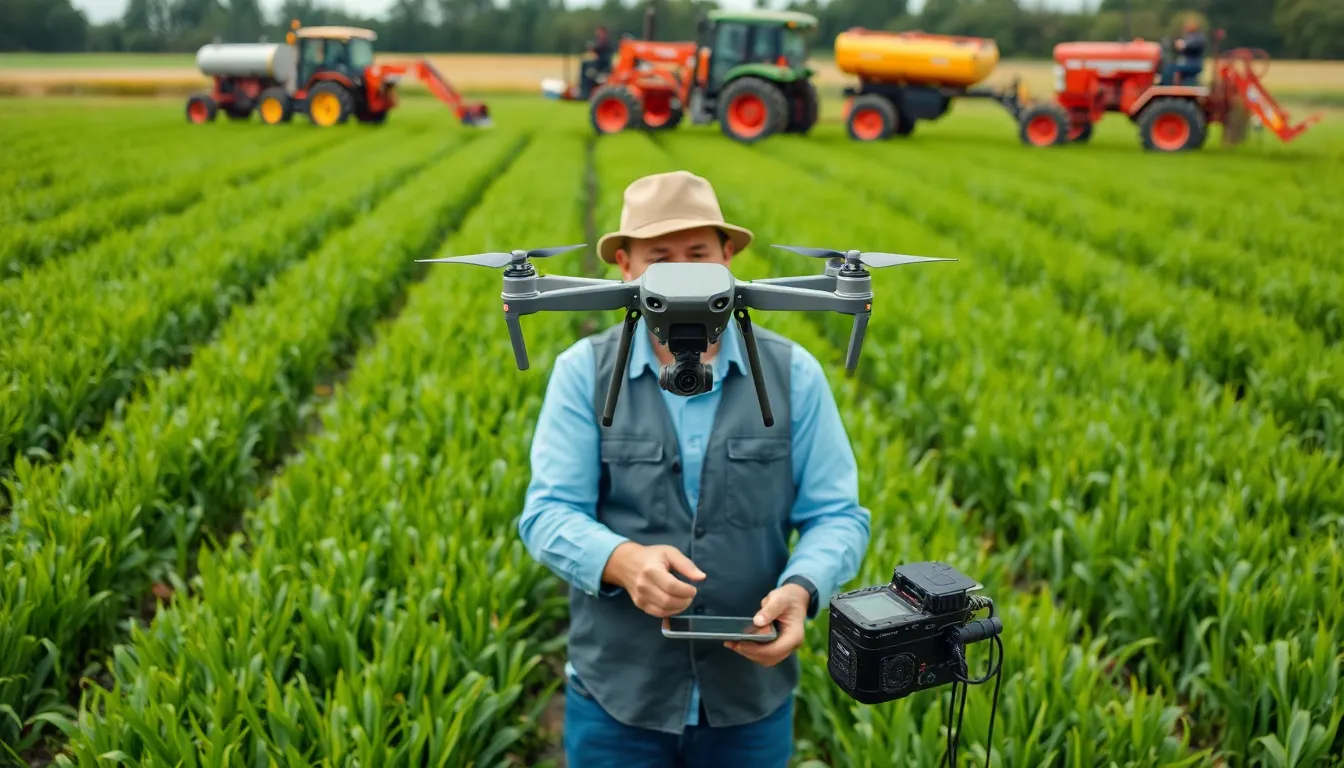
Frequently asked questions about tech dense farms
Looking ahead: the future of tech dense agriculture
The evolution of agriculture is increasingly intertwined with advancements in technology, leading to the emergence of tech dense farms. These farms leverage a variety of innovations, from precision farming tools to automated systems, which not only enhance productivity but also promote sustainability. As the global population continues to grow and climate challenges become more pronounced, the adoption of tech dense farming practices could play a pivotal role in meeting food demands while minimizing environmental impact.
Stakeholders in the agricultural sector, including farmers, policymakers, and investors, should remain vigilant about the rapid developments in agricultural technology. Understanding the implications of these advancements will be crucial for navigating the future landscape of farming, where efficiency and sustainability will dictate success.
- Monitor the integration of AI and machine learning in farming operations to optimize resource use and crop yields.
- Watch for advancements in biotechnology that could enhance crop resilience to climate change and pests.
- Consider the role of data analytics in decision-making processes for better farm management.
- Stay informed about regulatory changes that may impact the adoption of tech dense practices.
- Evaluate the potential for vertical farming and urban agriculture as solutions to space limitations in densely populated areas.