
As the strike enters its third week, both the nurses and hospital management are preparing for a protracted battle. For more insights into similar labor disputes, check out the historical accounts of how such conflicts have unfolded in the past.
Several major hospitals, including Mount Sinai and NYU Langone, have been affected by the strike, leading to postponed surgeries and reduced services. This situation significantly impacts patient care and draws attention to the critical role nurses play in the healthcare system, a topic discussed in other articles about public health challenges.
Amidst the strike, community support for the nurses has been growing, with rallies and demonstrations held outside affected hospitals. This solidarity reflects a broader recognition of the challenges faced by healthcare workers, especially in light of the ongoing pressures from the COVID-19 pandemic, similar to the challenges highlighted in other current events.
The historical context of labor disputes in the healthcare sector
The ongoing nurses’ strike in New York City is not an isolated incident but rather part of a broader historical pattern of labor disputes within the healthcare sector. Over the past few decades, healthcare workers have increasingly organized to demand better working conditions, fair wages, and adequate staffing levels. These demands often arise from the recognition that the healthcare system is under significant strain, exacerbated by economic pressures, policy changes, and the recent challenges posed by the COVID-19 pandemic.
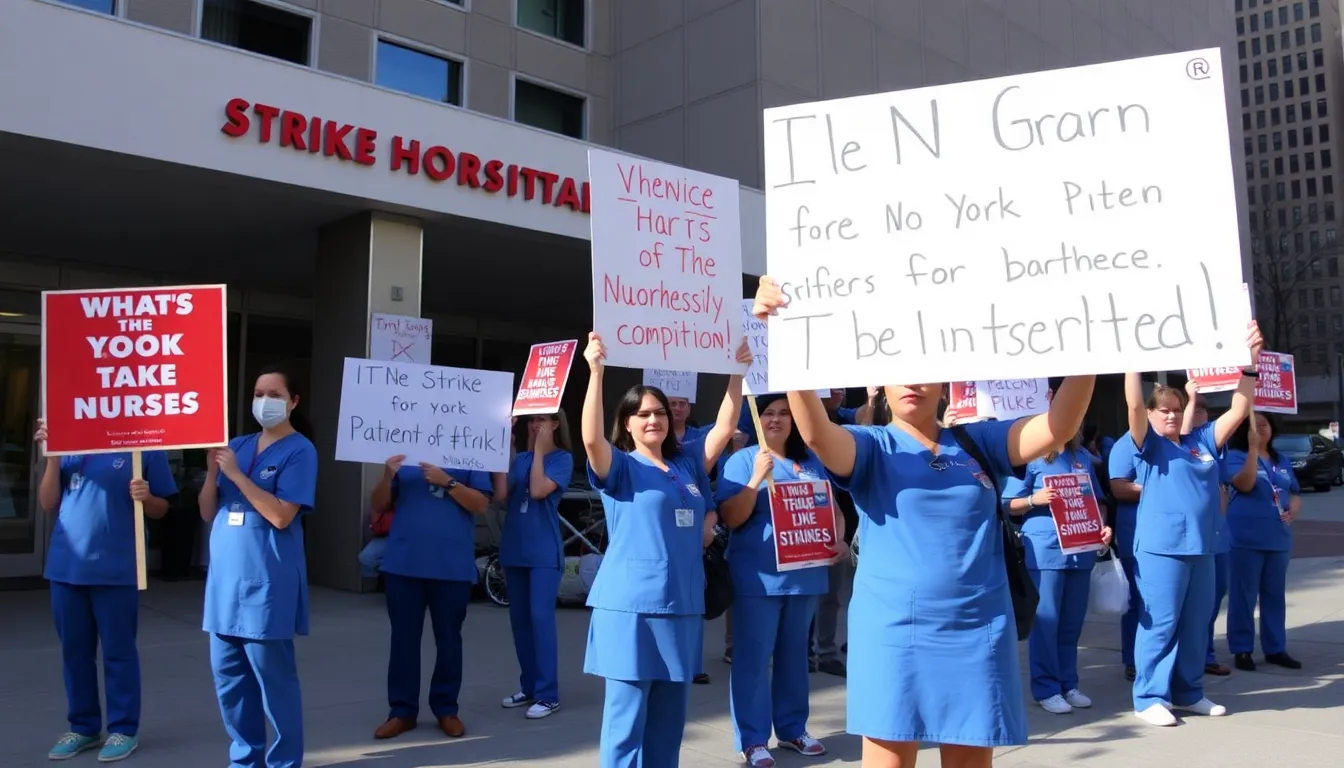
Historically, labor unions in healthcare have fought for improved labor rights, achieving significant milestones such as the establishment of the National Labor Relations Act in 1935, which provided workers the right to organize. In the 1970s and 1980s, the healthcare sector saw a surge in unionization, driven by rising healthcare costs and the need for reform. These movements laid the groundwork for today’s labor disputes, highlighting the ongoing struggle for equitable treatment of healthcare professionals.
Key milestones in healthcare labor relations
Several key events have shaped the current landscape of labor relations in healthcare. The 1980s saw the rise of hospital strikes, particularly in urban areas, where nurses and support staff protested against low wages and unsafe working conditions. More recently, the 2018 strikes by nurses in California and Massachusetts highlighted issues such as patient safety and staffing ratios, setting precedents for current negotiations in New York City.
The economic climate also plays a crucial role in these disputes. The rising costs of healthcare and the financial pressures on hospitals have led to conflicts over budget allocations, often at the expense of staff compensation and patient care. As healthcare systems face increasing demand, the need for adequately compensated and supported nursing staff has never been more critical, making the current strike a pivotal moment in the ongoing battle for labor rights within the sector.
As both sides prepare for a potentially prolonged confrontation, the historical context of labor disputes in healthcare underscores the complexities of the situation. The strike not only reflects the immediate grievances of nurses but also signals a larger movement advocating for systemic change in how healthcare workers are treated and supported in their vital roles.
Key stakeholders and their positions in the ongoing strike
The ongoing nurses’ strike in New York City has brought several key stakeholders to the forefront, each with distinct interests and motivations. The primary actors include the nurses represented by their unions, the hospital administrations, and local government officials. Understanding their positions is crucial to grasping the complexities of the situation.
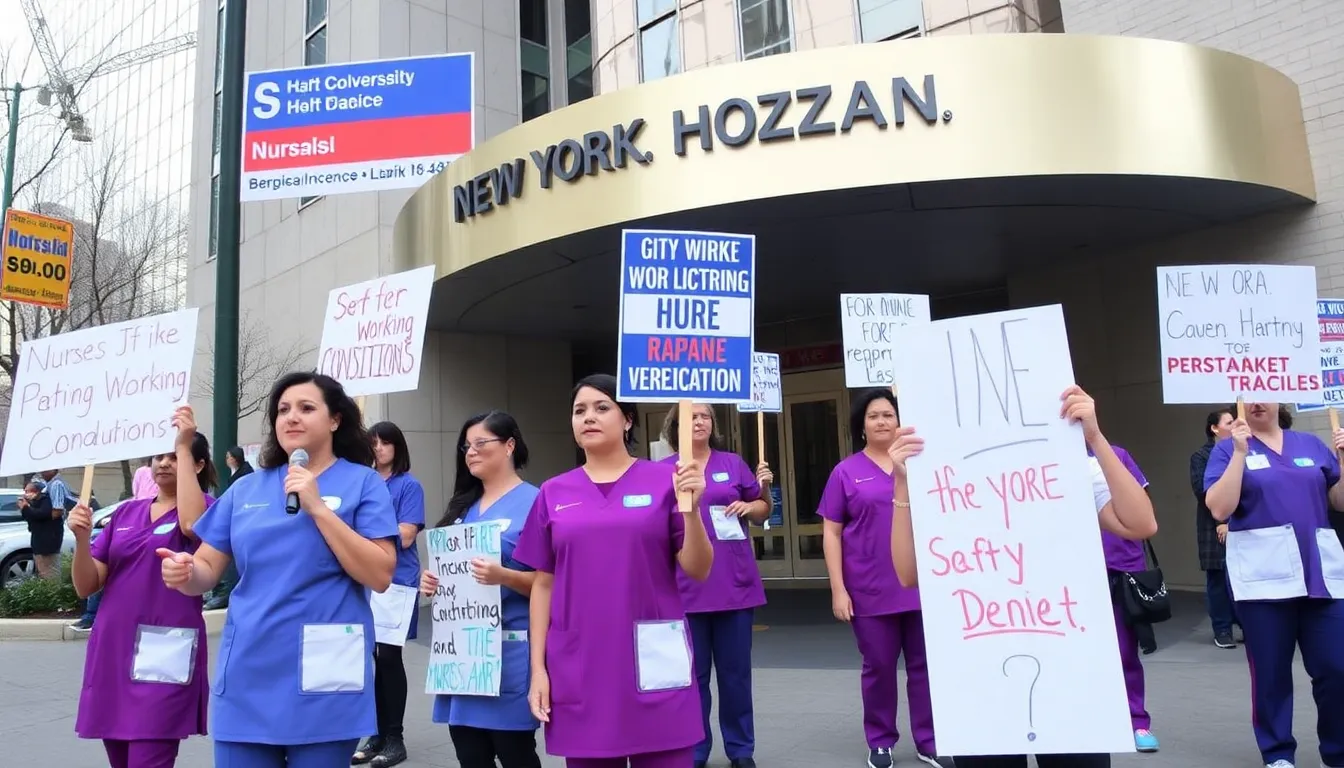
The nurses, organized under various unions, are advocating for better working conditions, increased wages, and adequate staffing levels. Their primary concern revolves around patient care and safety, which they argue are compromised due to understaffing and burnout. This push for improved conditions is not only about their immediate welfare but also about ensuring that patients receive the best possible care.
On the other side, hospital administrations are focused on maintaining operational stability and financial viability. They argue that the current economic climate poses significant challenges, making it difficult to meet the nurses’ demands without jeopardizing the hospitals’ financial health. This creates a conflict where the hospitals must balance employee satisfaction with fiscal responsibility.
Local government officials also play a critical role in this dispute. They are tasked with mediating between the striking nurses and the hospital administrations, aiming to find a resolution that addresses the concerns of both parties while maintaining public health services. However, their involvement can also complicate negotiations as they navigate political pressures and public opinion.
- Nurses’ Unions: Seeking better pay and working conditions.
- Hospital Administrations: Focused on financial sustainability and operational efficiency.
- Local Government: Aiming to mediate and maintain public health services.
- Patients: Directly affected by the strike, concerned about care quality.
- Public Opinion: Influencing the negotiations through perceptions of fairness and safety.
The legal landscape surrounding labor strikes also adds another layer of complexity. Laws governing labor relations and the right to strike can impact the strategies employed by both sides. Additionally, economic factors such as hospital funding, insurance reimbursements, and state healthcare policies play a significant role in shaping the negotiations and potential outcomes.
The impact of the strike on patients and the healthcare system
The ongoing nurses’ strike in New York City has far-reaching implications for various stakeholders, most notably patients, healthcare providers, and the broader healthcare system. As nurses walk off the job, the immediate impact is felt by patients who rely on consistent and quality care. Hospitals may face increased wait times, reduced patient intake, and potential delays in critical treatments.
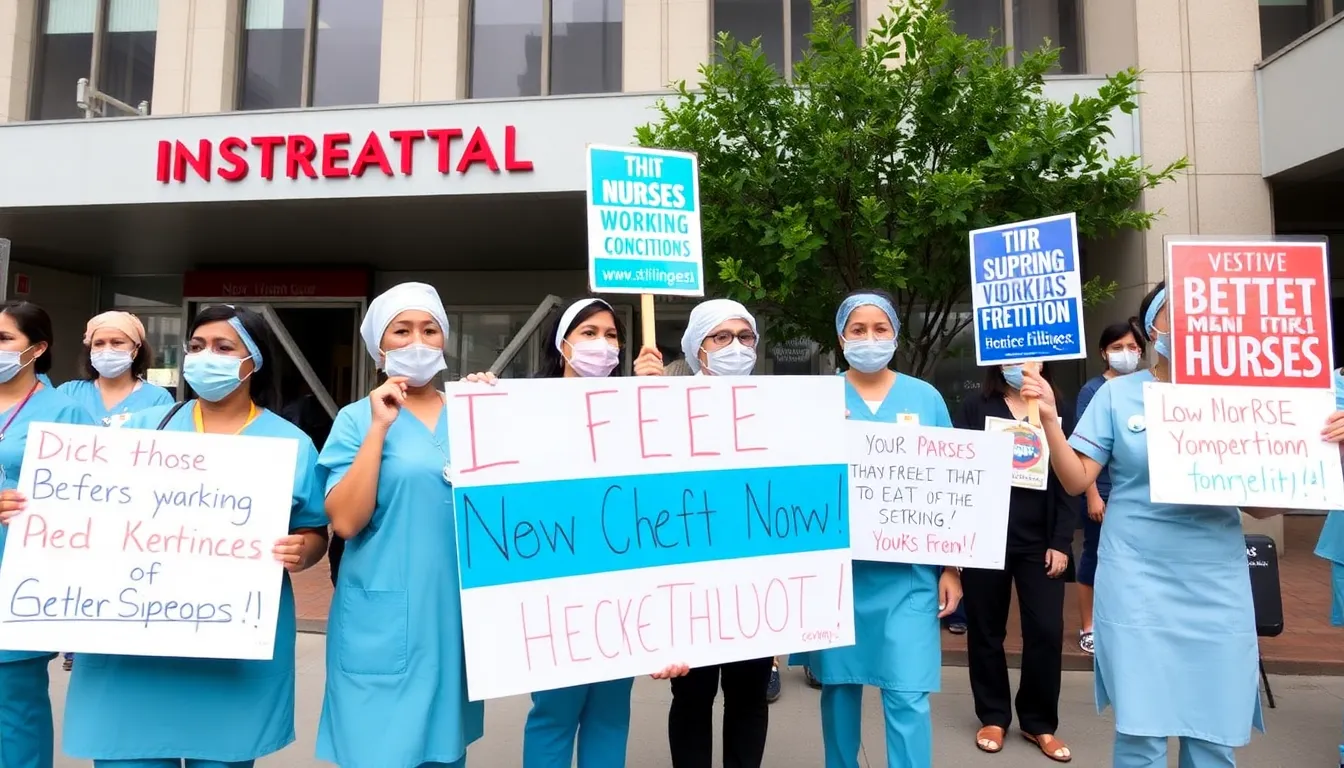
In the short term, the strike disrupts hospital operations, leading to a strain on emergency services and outpatient care. Patients requiring non-emergency procedures may experience cancellations or rescheduling, which can exacerbate health issues and lead to increased anxiety and uncertainty. Additionally, healthcare staff who remain on duty may experience heightened stress levels as they attempt to manage the workload with fewer colleagues.
In the mid-term, the strike could lead to significant policy changes within the healthcare sector. With nurses advocating for better pay and working conditions, there may be increased pressure on hospital administrations and policymakers to address these concerns. This could result in new regulations aimed at improving nurse-to-patient ratios and workplace safety, potentially benefiting both staff and patients in the long run.
- Risks: Increased patient health risks due to reduced care availability.
- Risks: Potential financial losses for hospitals and related businesses due to operational disruptions.
- Opportunities: A chance for systemic reform in nursing practices and healthcare policies.
- Opportunities: Increased public awareness of the challenges faced by healthcare workers.
As the strike continues, the ripple effects will likely extend beyond immediate healthcare concerns, influencing public sentiment and potentially reshaping the landscape of healthcare employment and policy in New York City and beyond.
A: The striking nurses are primarily demanding better pay, improved working conditions, and adequate staffing levels to ensure patient safety. A: While the duration of the strike is uncertain, both sides are preparing for a potentially extended conflict, which could last weeks or even months. A: Patients may experience delays in care and reduced services, as many nurses are participating in the strike, affecting hospital operations. A: Hospitals have been working to maintain essential services and have brought in temporary staff to cover for striking nurses, but challenges remain. A: Legal actions can vary, but hospitals may seek injunctions to limit the strike’s impact, while unions may argue for their right to strike under labor laws.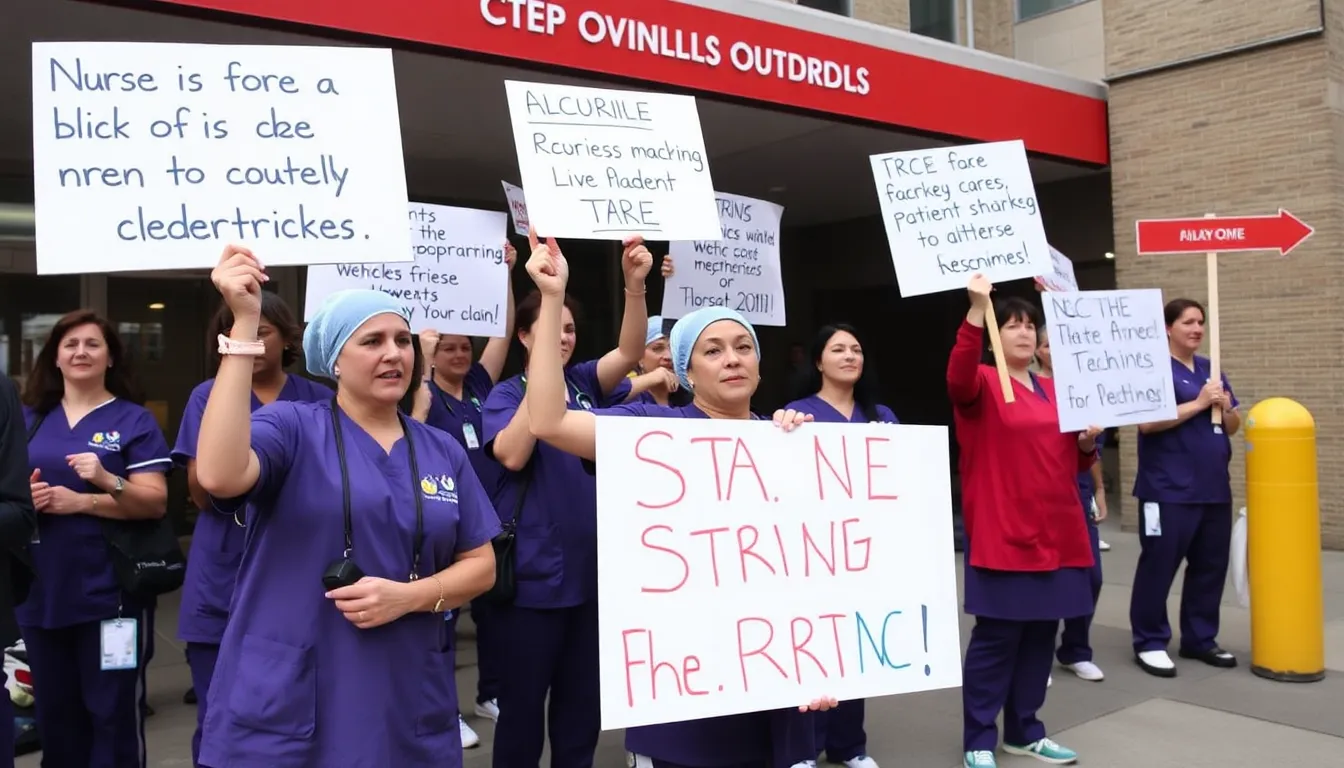
Frequently Asked Questions about the Nurses’ Strike
Looking ahead: potential outcomes of the strike and negotiations
The ongoing nurses’ strike in New York City reflects deeper issues within the healthcare system, highlighting the urgent need for reforms in staffing, pay, and working conditions. As both sides prepare for a protracted negotiation process, the outcomes could set precedents for labor relations in the healthcare sector nationwide.
Stakeholders should closely monitor the developments, as the resolution of this strike may influence future negotiations between healthcare workers and management across various institutions. The implications of these discussions could extend beyond immediate concerns, potentially reshaping the landscape of healthcare employment and patient care standards.
- Increased focus on staffing ratios: Expect heightened discussions around safe staffing levels, which could lead to legislative changes or new contractual agreements.
- Potential for broader labor movements: The outcome may inspire similar actions in other sectors, emphasizing workers’ rights and conditions.
- Impact on patient care: Prolonged negotiations could affect patient services and care quality, drawing public attention to the consequences of labor disputes.
- Financial implications for hospitals: Hospitals may face increased operational costs due to wage demands, impacting their financial stability and future hiring practices.
- Long-term changes in healthcare policy: The strike could catalyze discussions at higher levels about healthcare reform and workforce sustainability.