
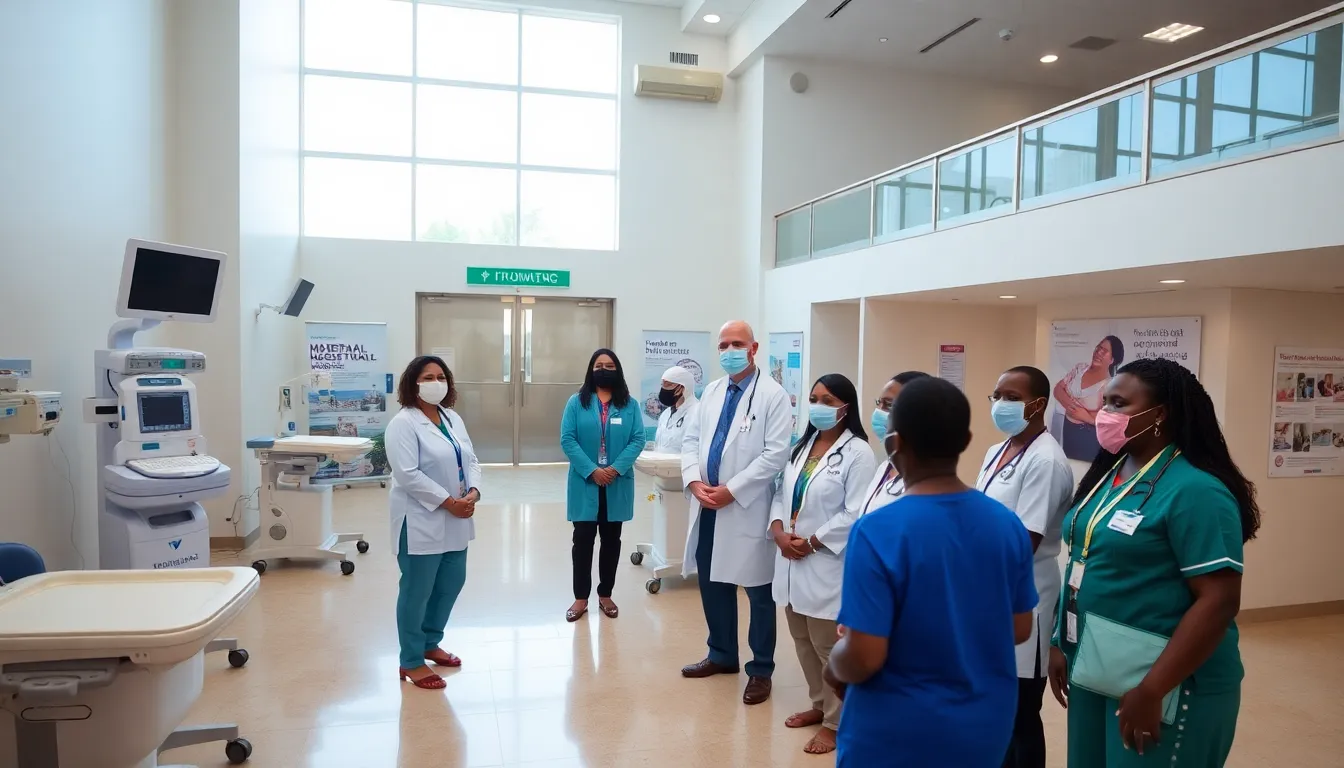
In response to this pressing issue, a new maternal hospital has been inaugurated in the capital city of Freetown, aiming to set a standard for maternal care across the nation. Opened in early October 2023, the facility is equipped with modern medical technology and staffed by trained healthcare professionals dedicated to providing comprehensive maternal and neonatal care. The initiative is part of a broader strategy to enhance healthcare access and reduce maternal mortality rates, and aligns with efforts observed in other sectors.
Key stakeholders, including the Sierra Leone Ministry of Health and Sanitation, have emphasized the importance of this hospital in addressing the healthcare disparities faced by women in rural and urban areas. The hospital is expected to serve as a training center for healthcare workers, fostering a new generation of professionals equipped to tackle the unique challenges of maternal health in Sierra Leone, much like various initiatives that have emerged in other developing contexts.
Moreover, community outreach programs are planned to educate women about maternal health and the services available at the new facility. By integrating education and healthcare, the initiative aims to empower women and encourage them to seek medical assistance during pregnancy and childbirth, ultimately contributing to better health outcomes.
Background on maternal health challenges in the region
Sierra Leone has faced significant maternal health challenges, particularly highlighted during and after the civil war that lasted from 1991 to 2002. The conflict devastated the country’s healthcare infrastructure, leading to a dramatic increase in maternal mortality rates. According to the World Health Organization, Sierra Leone has one of the highest maternal mortality ratios in the world, with approximately 1 in 17 women facing the risk of dying during childbirth.
The political landscape of Sierra Leone has also played a crucial role in shaping maternal health services. Following the end of the civil war, the government struggled to rebuild the healthcare system, which was further exacerbated by the Ebola outbreak in 2014. This epidemic not only claimed thousands of lives but also disrupted access to essential health services, including prenatal and postnatal care.
Economically, Sierra Leone is one of the poorest countries globally, with limited resources allocated to healthcare. The lack of funding has hindered the development of maternal health facilities and the training of healthcare professionals. As a result, many women in rural areas still lack access to skilled birth attendants and emergency obstetric care, which are critical for safe deliveries.
Key milestones in maternal health initiatives
In response to these challenges, various initiatives have emerged over the years aimed at improving maternal health. The Free Health Care Initiative, launched in 2010, aimed to provide free medical services to pregnant women, lactating mothers, and children under five. While this initiative marked a significant step forward, it faced implementation challenges, including shortages of medical supplies and personnel.
The establishment of the new maternal hospital represents a crucial milestone in Sierra Leone’s ongoing efforts to address these systemic issues. Designed to serve as a model for future healthcare facilities, the hospital aims to provide comprehensive maternal care, enhance training for healthcare workers, and ultimately reduce maternal and infant mortality rates in the region, similar to initiatives observed in emerging health strategies worldwide.
Key stakeholders and their roles in the hospital’s development
The development of the new maternal hospital in Sierra Leone involves a diverse array of stakeholders, each with distinct interests and contributions. At the forefront are the Sierra Leonean government and health authorities, who are primarily focused on improving maternal health outcomes in a country that has historically struggled with high maternal mortality rates. Their interest lies in ensuring that the hospital is equipped to provide essential services and that it aligns with national health policies.
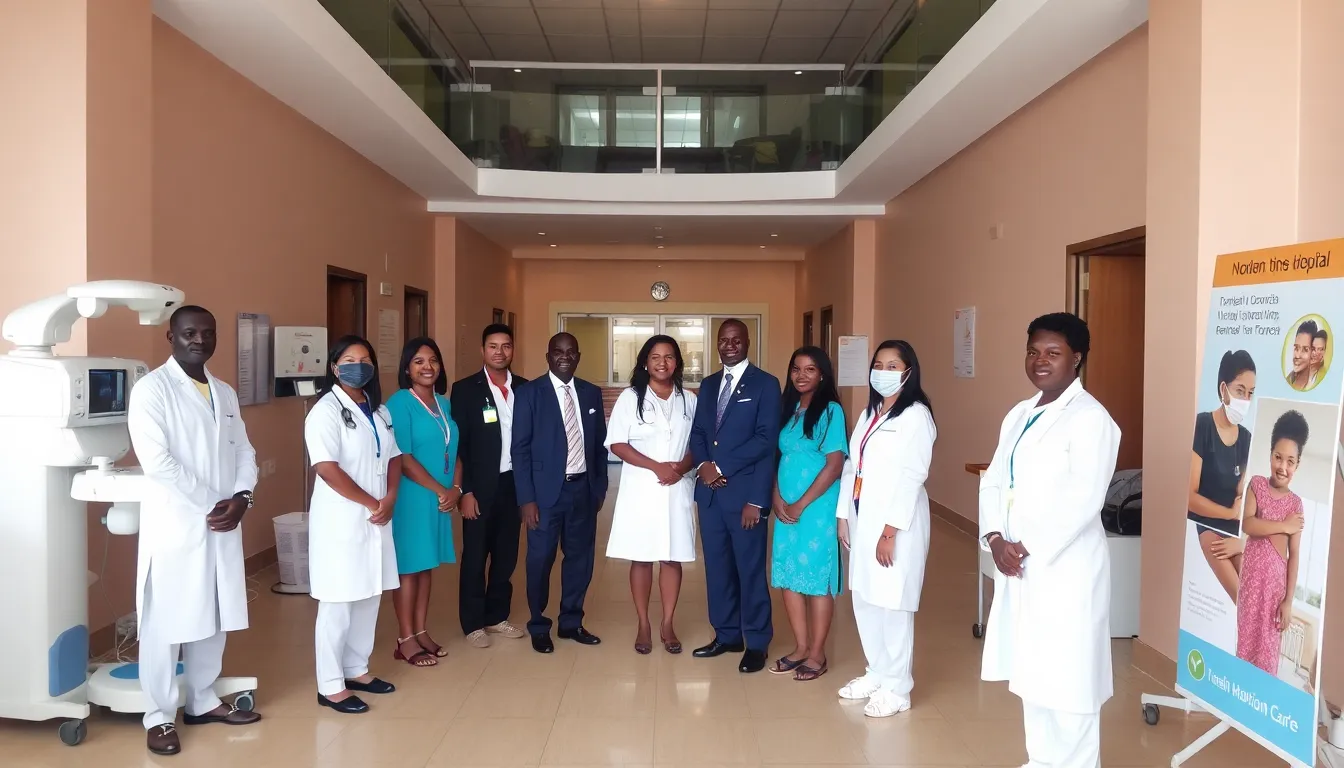
International organizations, such as the World Health Organization (WHO) and UNICEF, are also key players in this initiative. They provide technical assistance, funding, and expertise in maternal health. Their involvement is driven by a commitment to global health standards and the belief that improving maternal healthcare in Sierra Leone can serve as a model for other developing nations.
Additionally, local communities and women’s advocacy groups play a critical role in shaping the hospital’s services. Their insights into the specific needs and challenges faced by women in Sierra Leone are vital for the hospital’s design and operation. These stakeholders often advocate for culturally sensitive healthcare practices and accessibility, ensuring that the hospital meets the unique needs of the population it serves.
- The Sierra Leonean government aims to reduce maternal mortality rates and improve healthcare infrastructure.
- International organizations seek to implement best practices and provide financial support for sustainable health solutions.
- Local communities emphasize the importance of culturally appropriate care and accessibility for all women.
- Healthcare professionals advocate for adequate training and resources to ensure quality care.
- Donors and investors are interested in the hospital’s long-term viability and potential for positive social impact.
However, the development of the hospital is not without its challenges. Conflicts may arise between the interests of international donors, who may prioritize certain health programs over others, and local stakeholders who have a more nuanced understanding of community needs. Additionally, economic constraints can limit the scope of services that the hospital can offer, necessitating trade-offs in terms of staffing and resource allocation.
Potential impact on maternal and infant health outcomes
The establishment of the new maternal hospital in Sierra Leone is poised to significantly affect various groups, particularly expectant mothers, newborns, healthcare professionals, and the broader community. By providing essential maternal healthcare services, the hospital aims to reduce maternal and infant mortality rates, which have historically been among the highest in the world.
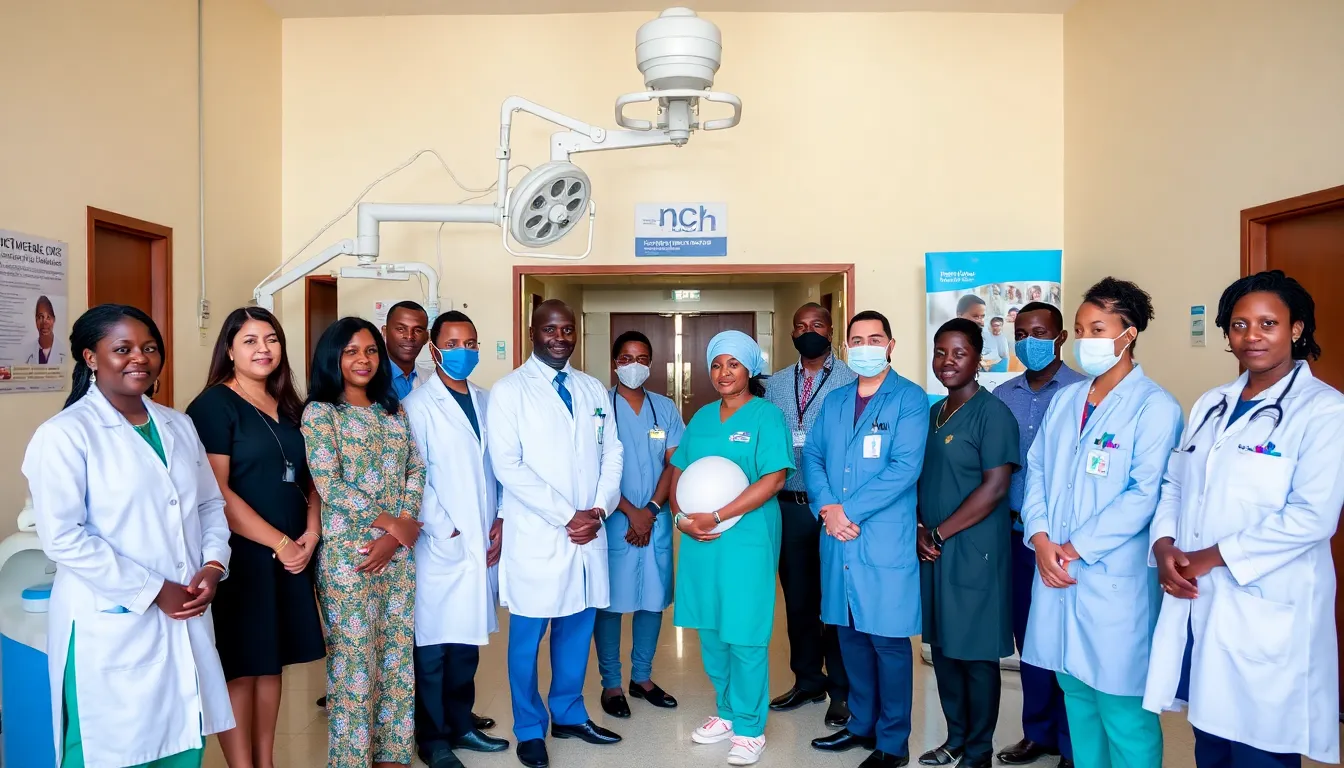
In the short term, the hospital’s opening is expected to enhance access to quality prenatal and postnatal care for women in Sierra Leone. This could lead to a decrease in complications during childbirth, ultimately improving the health outcomes for mothers and their infants. Healthcare workers will also benefit from improved training opportunities and resources, fostering a more skilled workforce.
Mid-term impacts may include a shift in public health policy as the success of the hospital could inspire similar initiatives across the region. Local businesses may see a boost as families invest in healthcare-related services and products, creating a ripple effect in the economy. Additionally, increased awareness of maternal health issues may drive community engagement and advocacy efforts.
- Improved maternal and infant health outcomes: Reduction in mortality rates.
- Economic growth: Increased demand for healthcare services and products.
- Policy change: Potential for new health initiatives and funding.
However, there are risks associated with this initiative. The hospital’s success depends on sustainable funding and the ongoing training of healthcare professionals. If these challenges are not addressed, the intended benefits may not fully materialize, leaving communities without the support they need. Conversely, if the hospital excels, it could become a model for healthcare reform in other regions, paving the way for further investments in maternal and child health.
A: The new hospital will offer comprehensive maternal and infant care services, including prenatal, delivery, and postnatal care, aimed at improving health outcomes. A: The hospital was funded through a combination of government support and international aid from various health organizations. A: By providing better access to healthcare, trained professionals, and modern facilities, the hospital aims to reduce maternal and infant mortality rates significantly. A: The hospital is projected to open within the next year, with ongoing construction and staffing efforts currently underway. A: The long-term goals include establishing a sustainable model for maternal healthcare that can be replicated in other regions of Sierra Leone and beyond.
Frequently asked questions about the new hospital
Looking ahead: Implications for the future of maternal healthcare
The establishment of the new maternal hospital in Sierra Leone represents a significant shift in the approach to maternal healthcare in the region. By prioritizing comprehensive care and community engagement, this initiative could serve as a model for similar projects across West Africa. The emphasis on training local healthcare providers and incorporating traditional practices alongside modern medicine highlights a holistic approach that may enhance trust and accessibility within communities.
As this hospital begins operations, it will be essential to monitor its impact on maternal and infant health outcomes. The lessons learned from this project could inform policy decisions, funding allocations, and healthcare strategies in other countries facing similar challenges in maternal health.
- Community Engagement: The involvement of local populations in healthcare delivery can improve trust and utilization of services.
- Training and Education: Investing in the training of local healthcare workers is crucial for sustainable improvements in maternal health.
- Integration of Traditional Practices: Blending traditional and modern medical practices may enhance acceptance and effectiveness of healthcare services.
- Data Collection and Monitoring: Ongoing evaluation of health outcomes will be vital to assess the hospital’s impact and guide future initiatives.
- Policy Implications: Successful outcomes could influence health policies and funding priorities at national and regional levels.