
This incident is emblematic of a nationwide trend, as similar raids have been reported in other regions, including Zhejiang and Anhui.
The Chinese Communist Party (CCP) has intensified its campaign against religious groups that do not align with state-sanctioned practices. In recent months, officials have implemented stricter regulations, including surveillance measures and increased fines for unregistered religious activities. Such actions have raised concerns among human rights organizations regarding the diminishing freedoms of religious expression in the country.
International reactions to these developments have varied, with some governments and NGOs calling for immediate action to protect religious freedoms in China. The U.S. State Department has expressed alarm over the arrests, emphasizing the need for China to uphold its commitments to protect religious rights. As the situation unfolds, the implications for religious communities and international relations remain significant.
Understanding the historical context of religious persecution in China
This ideological stance has led to systematic crackdowns on religious groups, particularly those that operate independently from state oversight.

One significant milestone in this ongoing struggle occurred during the Cultural Revolution (1966-1976), when religious practices were severely suppressed. Temples were destroyed, and clergy were persecuted, leading to a significant decline in organized religious activity. After the Cultural Revolution, there was a brief period of relative openness, but the CPC quickly reasserted its control over religious affairs, establishing the Three-Self Patriotic Movement to regulate Protestant churches and the Chinese Patriotic Catholic Association for Catholics.
Recent Developments and Intensifying Crackdowns
Reports from influential underground churches indicate that these crackdowns have become more frequent and severe, with many congregants living in fear of persecution.
The economic rise of China has also played a role in the religious landscape, as the government seeks to project a unified national identity. This has led to increased scrutiny of religious groups perceived as foreign or disloyal. The crackdown on Christians, particularly those in unregistered churches, reflects a broader strategy to eliminate any potential sources of dissent that could challenge the CPC’s grip on power.
As the international community becomes more aware of these human rights violations, the plight of Christians in China has drawn attention from various human rights organizations and foreign governments. However, the CPC remains resolute in its approach, viewing any external criticism as an affront to its sovereignty and internal affairs.
Key stakeholders and the implications of the crackdown
The recent reports of arrests within influential Chinese churches highlight a complex web of stakeholders, each with distinct interests and concerns. The primary actors include the Chinese government, religious organizations, local communities, and international observers, all of whom are affected by the ongoing crackdown on Christianity in China.

The Chinese government, particularly the Communist Party, seeks to maintain control over religious practices and ensure that they align with state ideology. This interest is rooted in a broader strategy to suppress any potential dissent that could challenge the party’s authority. In contrast, Christian organizations and their congregations aim to practice their faith freely, often facing increasing restrictions and surveillance.
Key issues arise from the clash of these interests, including legal restrictions on religious gatherings, the potential for increased persecution, and the impact on community cohesion. The government’s actions may be seen as a violation of human rights, drawing criticism from international human rights organizations and foreign governments, which advocate for religious freedom and the protection of minority rights.
- Legal issues: The enforcement of laws that limit religious expression raises questions about the legality of such actions under international human rights agreements.
- Economic implications: A crackdown may deter foreign investment and tourism, as companies and individuals may be wary of operating in an environment where religious freedoms are curtailed.
- Community impact: The suppression of religious practices can lead to social fragmentation and increased tension within communities, as believers navigate their faith in a hostile environment.
- International relations: The situation may strain China’s diplomatic relationships, particularly with Western nations that prioritize human rights in their foreign policy agendas.
As the situation evolves, the interplay between these stakeholders will shape the future landscape of religious freedom in China, with significant implications for both domestic stability and international relations.
Effects on local communities and international relations
The recent crackdown on Christians in China has significant implications for various groups and industries, particularly those involved in religious activities, human rights advocacy, and international relations. Local communities, especially in regions with a high concentration of Christian populations, are facing increased scrutiny and persecution. This situation not only affects the spiritual lives of these individuals but also their social and economic interactions within their communities.
In the short term, daily life for Christians in affected areas is likely to become more challenging. Increased surveillance and the threat of arrest may deter individuals from practicing their faith openly, leading to a decline in community gatherings and religious events. Businesses that cater to these communities may also experience a downturn as people become more cautious about public gatherings and expressions of faith.
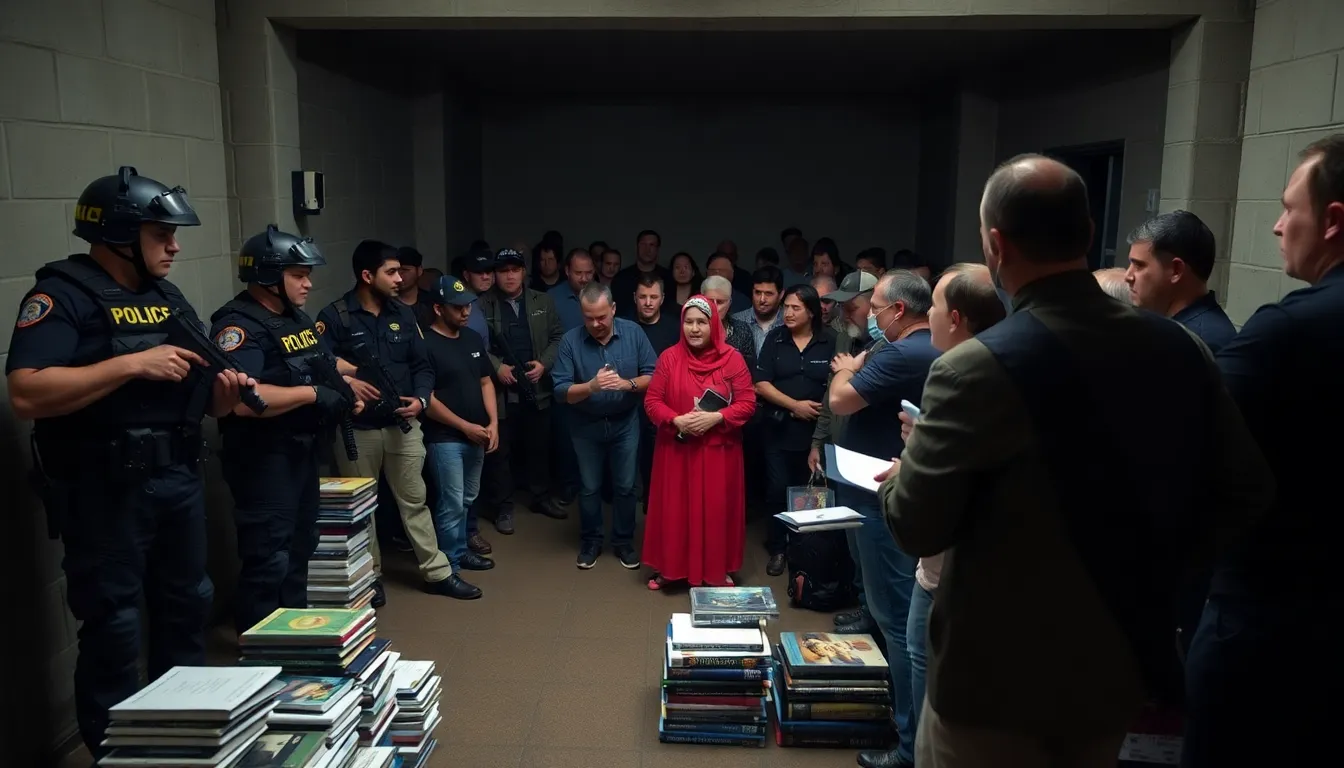
In the mid-term, the impact could extend to international relations, as foreign governments and organizations may respond to China’s actions with sanctions or diplomatic pressure. This could lead to strained relationships between China and countries that prioritize human rights, potentially affecting trade agreements and international cooperation on various issues.
- Increased persecution of religious groups in China.
- Potential decline in local businesses serving Christian communities.
- Strained international relations and possible sanctions.
- Opportunities for international advocacy groups to raise awareness.
While the risks are significant, there may also be opportunities for advocacy organizations to mobilize support and resources to assist those affected. Increased global awareness of the situation could lead to stronger coalitions among human rights groups, potentially influencing policy changes both domestically and internationally.
A: The Chinese government has intensified its crackdown on religious groups, viewing them as a threat to state authority. This has led to increased surveillance and arrests of church leaders and congregants. A: Various international human rights organizations and foreign governments have condemned the actions, calling for the protection of religious freedoms and urging China to respect human rights. A: While all Christian denominations face scrutiny, unregistered and underground churches are particularly targeted as they operate outside of state-sanctioned religious frameworks. A: The crackdown could lead to increased diplomatic tensions with Western nations, potential sanctions, and a negative impact on China’s global image regarding human rights. A: Individuals can raise awareness, support advocacy groups working on behalf of persecuted Christians, and urge their governments to take a stand against religious persecution.
Frequently asked questions about the crackdown on Christians
Outlook on religious freedom in China and future implications
The recent reports of arrests within influential Chinese churches signal a troubling trend in the government’s approach to religious freedom. As the crackdown on Christians intensifies, it raises concerns about the broader implications for civil liberties and the potential for increased repression of religious practices. Observers are urged to monitor the evolving landscape, as these developments could affect not only domestic faith communities but also international relations and human rights dialogues.
Moving forward, it is crucial to consider how these actions may influence public sentiment, both within China and globally. The response from international organizations and foreign governments will be pivotal in shaping the future of religious freedom in China. Additionally, the resilience of underground churches and their ability to adapt to heightened scrutiny will be a key factor in the ongoing struggle for religious expression.
- Increased Surveillance: Expect further monitoring of religious gatherings and practices, leading to potential isolation of faith communities.
- International Response: Watch for diplomatic reactions from Western nations and human rights organizations, which may influence China’s global standing.
- Adaptation Strategies: Observe how churches and religious groups innovate to maintain their faith practices under restrictive conditions.
- Public Sentiment: Consider the impact of these crackdowns on public opinion regarding the government’s legitimacy and its treatment of citizens’ rights.