
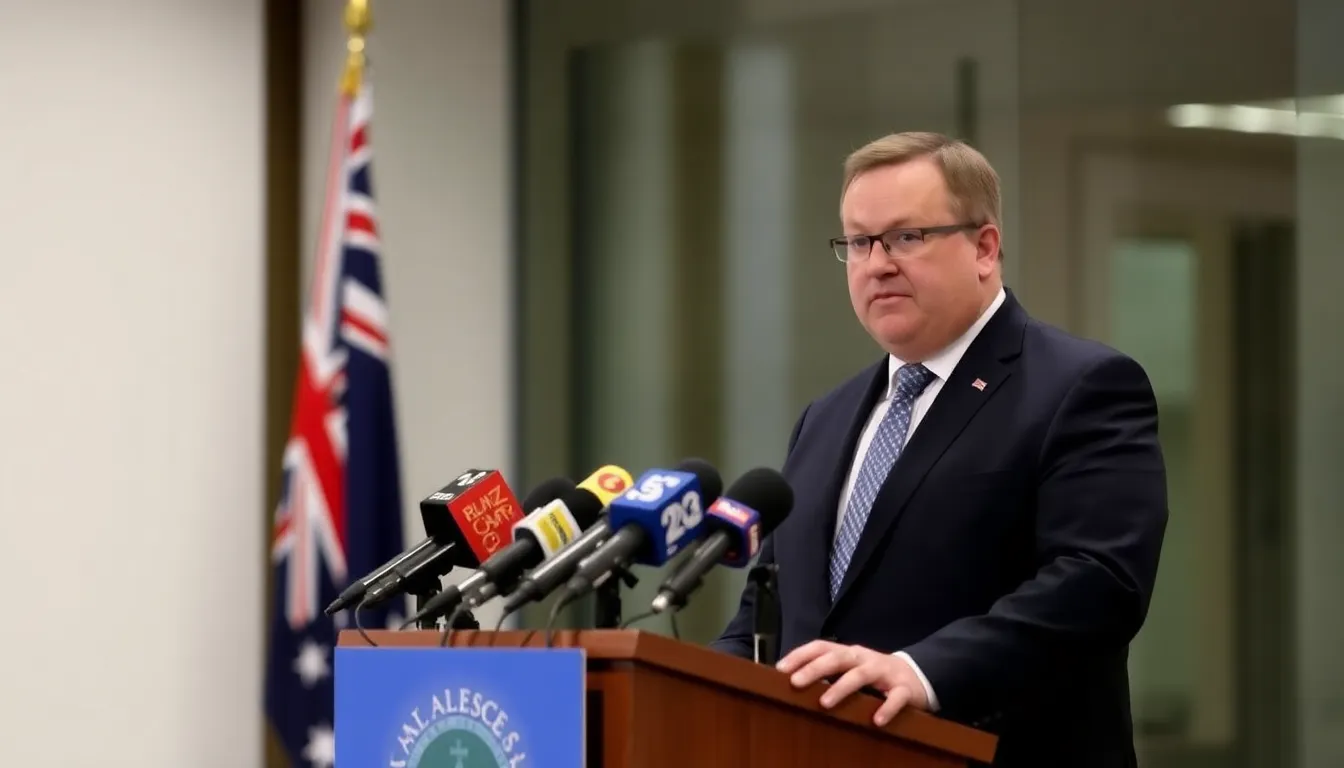
During a press conference on October 10, Albanese expressed his condolences to the victims and their families while emphasizing the need for a thorough inquiry. He acknowledged criticism regarding the delay in calling for an investigation, stating that the government was focused on immediate responses to the crisis before determining the necessity of a formal inquiry. For more details on political responses to crises, see the article on Machado’s leadership claim in Venezuela.
The royal commission aims to examine not only the events leading up to the attack but also the broader implications for community safety and policing in Bondi and similar areas. Key stakeholders, including local law enforcement agencies, community leaders, and victim advocacy groups, are expected to provide input during the investigation.
This inquiry is particularly significant as it comes amidst growing concerns about violence in public spaces, prompting calls for enhanced security measures. The outcomes of the royal commission could influence future policy decisions and funding allocations for public safety initiatives across Australia.
Background on recent violence and previous inquiries
The recent attack at Bondi Beach has reignited discussions about public safety and the government’s response to violent incidents. This attack, which occurred in a popular tourist area, has raised concerns among local residents and visitors alike, leading to calls for increased security measures and a thorough investigation into the circumstances surrounding the incident.
Historically, Australia has faced various incidents of violence that have prompted public outcry and demands for accountability. Previous inquiries into violent crimes, such as the 1996 Port Arthur massacre, led to significant changes in gun control laws. These events have shaped the national conversation around safety and the effectiveness of law enforcement agencies in preventing such attacks. To explore similar cases, check out the article about Zelensky’s peace talks with Russia.
In recent years, the rise in violent crime, particularly in urban areas, has been attributed to various social factors, including economic disparity and mental health issues. The government has been under increasing pressure to address these root causes, alongside calls for immediate action following violent incidents. Albanese’s announcement of a royal commission reflects a growing acknowledgment of the need for a comprehensive approach to tackling violence in society.
Previous Inquiries and Their Impact
Royal commissions and inquiries have historically served as a mechanism for the government to investigate significant societal issues. For instance, the Royal Commission into Institutional Responses to Child Sexual Abuse, which concluded in 2017, led to widespread reforms in how institutions handle allegations of abuse. Such inquiries not only aim to uncover the truth but also to provide recommendations that can lead to meaningful change, making them a critical tool in the government’s response to public concerns.
Key stakeholders and issues surrounding the royal commission
The recent announcement by Prime Minister Anthony Albanese to establish a royal commission following the Bondi attack has brought various stakeholders into the spotlight. Key actors include the Australian government, law enforcement agencies, victims’ advocacy groups, and the general public, all of whom have distinct interests and concerns regarding safety and justice.
One of the primary stakeholders is the Australian government, which aims to address public safety and restore confidence in law enforcement. Albanese’s decision to call for a royal commission reflects an acknowledgment of the need for systemic changes in response to violent incidents. However, the timing of this inquiry has raised questions about the government’s previous inaction, leading to criticism from opposition parties and community leaders.
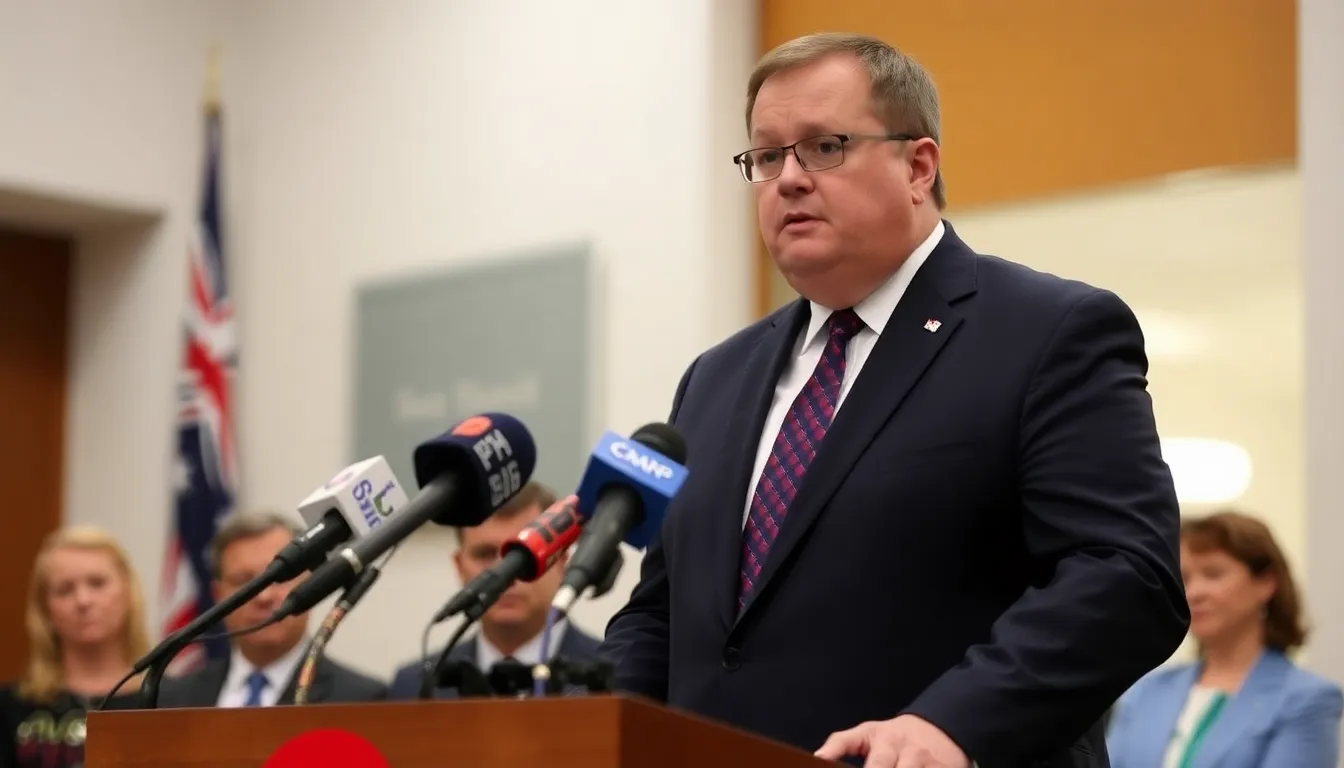
Law enforcement agencies are also significant players in this scenario. They face the challenge of balancing public safety with civil liberties while being scrutinized for their response to the Bondi attack. The commission could lead to recommendations that alter policing practices, which may create tensions between the need for effective crime prevention and the rights of individuals.
- Victims’ Advocacy Groups: These organizations are focused on ensuring justice for victims and their families, pushing for accountability and support services.
- Public Sentiment: The general public is increasingly concerned about safety in public spaces, which may influence political pressure on the government to act decisively.
- Legal Implications: The royal commission may uncover legal gaps in current laws regarding violence and public safety, prompting potential legislative changes.
- Economic Considerations: Increased security measures and reforms may have financial implications for both the government and local businesses affected by crime.
As the royal commission unfolds, the interplay between these stakeholders will be critical in shaping the outcomes of the inquiry. The potential for conflict arises from differing priorities, particularly between governmental accountability and the demands for enhanced public safety measures. This complex landscape underscores the importance of a thorough and transparent investigation into the Bondi attack and its broader implications for Australian society.
Impact on the community and potential policy changes
The announcement of a royal commission following the Bondi attack has significant implications for various groups within the community. Victims and their families are at the forefront, as they seek justice and accountability. Additionally, local businesses in Bondi, particularly those in the hospitality and tourism sectors, may experience immediate repercussions due to heightened security concerns and potential declines in visitor numbers. Such economic impacts are reminiscent of Trump’s calls for Congress intervention in other crisis situations.
In the short term, residents may face increased police presence and surveillance measures, impacting their daily lives. Local businesses might also see a shift in consumer behavior, with people becoming more cautious about their outings. This could lead to decreased foot traffic in the area, affecting sales and overall economic activity.
In the mid-term, the royal commission could result in new policies aimed at enhancing public safety and community resilience. Potential reforms may include stricter regulations on public safety measures, increased funding for mental health services, and community outreach programs designed to foster a safer environment. This could create opportunities for businesses that provide security solutions and mental health support.

- Victims and families: Seeking justice and support.
- Local businesses: Facing potential declines in revenue.
- Residents: Experiencing changes in daily life due to increased security.
- Policy makers: Opportunities to introduce reforms for public safety.
While the royal commission may initially create uncertainty, it also opens doors for community engagement and collaboration among stakeholders. By addressing the root causes of violence and implementing preventive measures, there is potential for long-term positive change that benefits both the community and local businesses.
A: The announcement was made following a violent attack in Bondi, which raised significant public concern regarding safety and government response. A: Albanese stated that he needed to assess the situation thoroughly before making such a significant decision, emphasizing the importance of a well-informed approach. A: The royal commission will investigate the circumstances surrounding the Bondi attack and evaluate the effectiveness of current safety measures and policies. A: While the exact timeline is not yet clear, royal commissions typically take several months to conduct thorough investigations and produce reports. A: The commission will include legal experts, community representatives, and possibly victims’ advocates to ensure a comprehensive examination of the issues.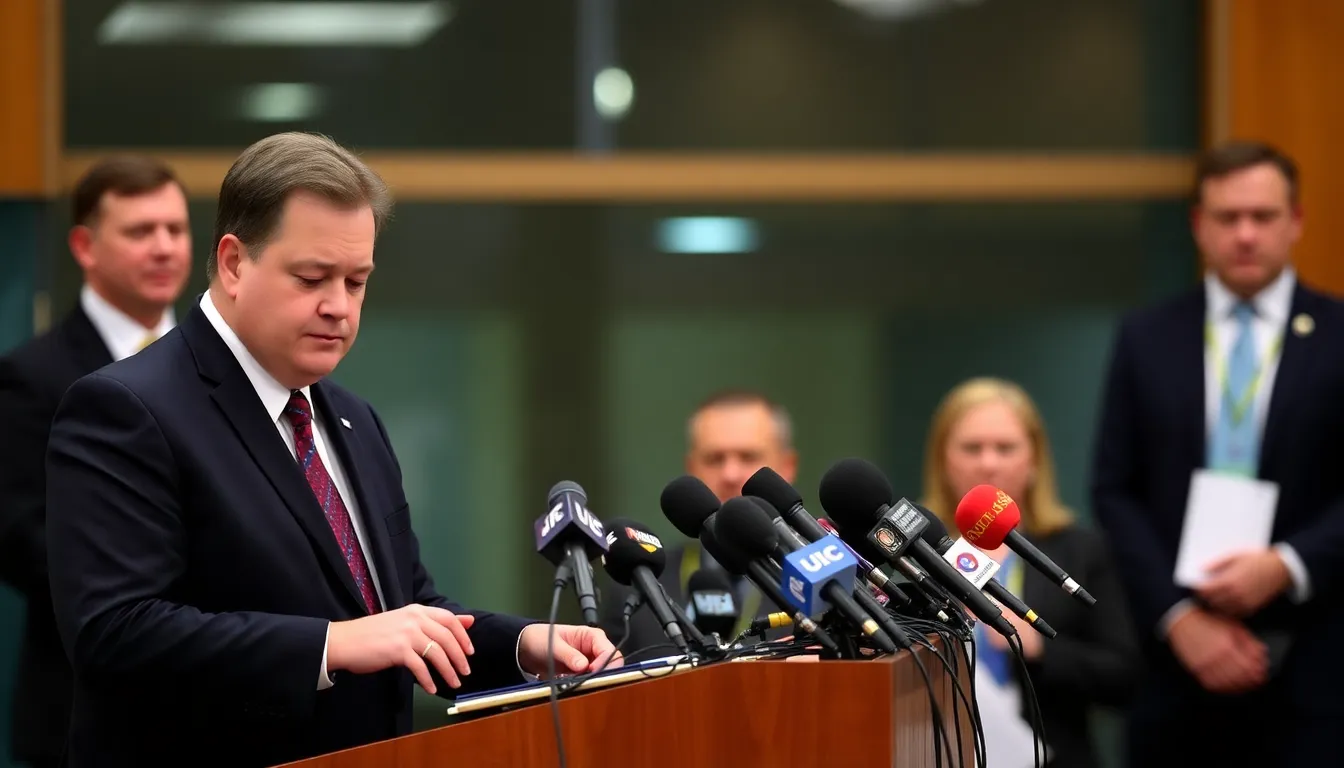
Frequently asked questions about the royal commission
Key takeaways and future outlook on public safety
The recent announcement of a royal commission following the Bondi attack marks a significant shift in the government’s approach to public safety and community concerns. Prime Minister Albanese’s defense of the delayed inquiry highlights the complexities involved in addressing such incidents while balancing political considerations and public demand for accountability. As the inquiry unfolds, it will likely shape future policy decisions and community safety measures.
Moving forward, stakeholders will need to closely monitor the commission’s findings and recommendations, as these could lead to substantial changes in law enforcement practices and community engagement strategies. The emphasis on transparency and responsiveness will be crucial in restoring public trust and ensuring that similar incidents are prevented in the future.
- Increased scrutiny on law enforcement protocols: The commission may recommend changes to how police respond to public safety threats.
- Community engagement initiatives: Expect a push for more community-based safety programs to foster trust and collaboration between citizens and authorities.
- Policy reforms: The findings could lead to legislative changes aimed at enhancing public safety and accountability within government agencies.
- Focus on mental health resources: The inquiry may highlight the need for improved mental health support systems to address underlying issues related to public safety incidents.
- Public awareness campaigns: Anticipate initiatives aimed at educating the public on safety measures and reporting suspicious activities.