
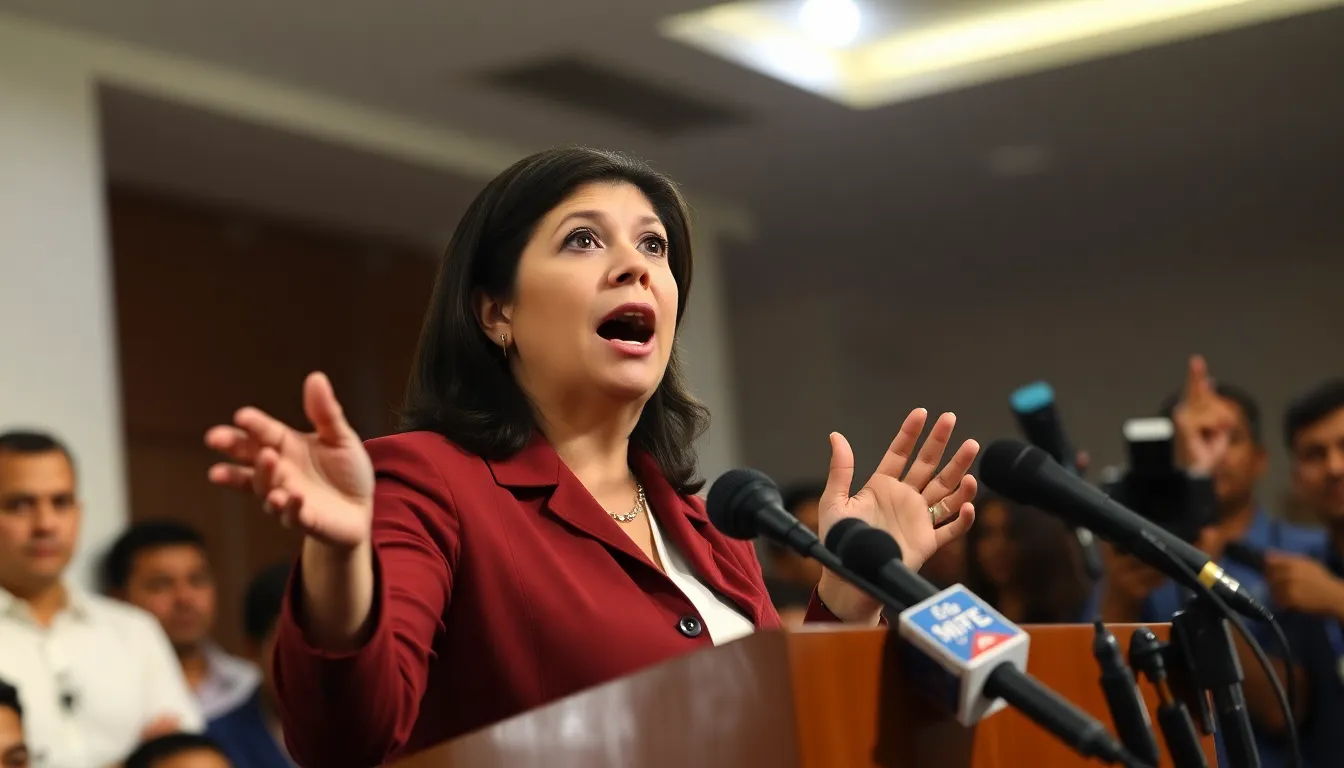
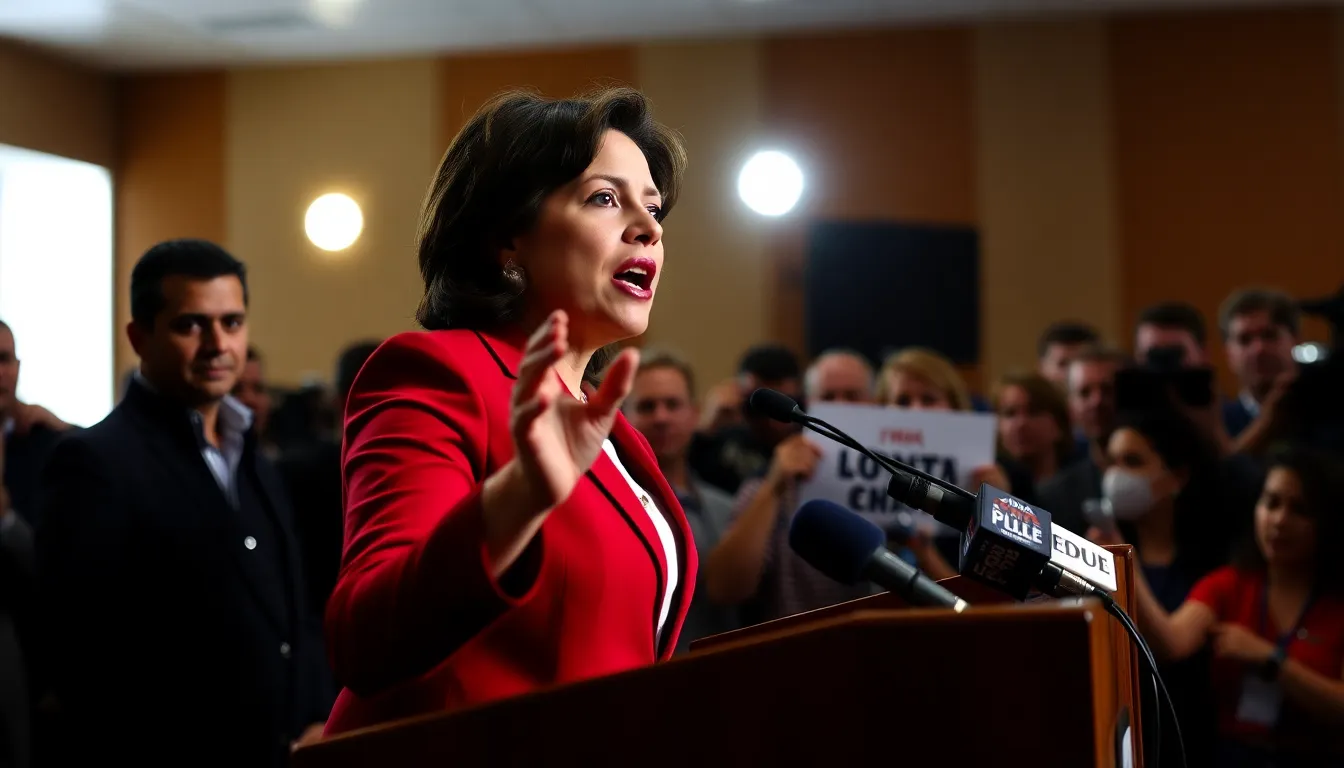
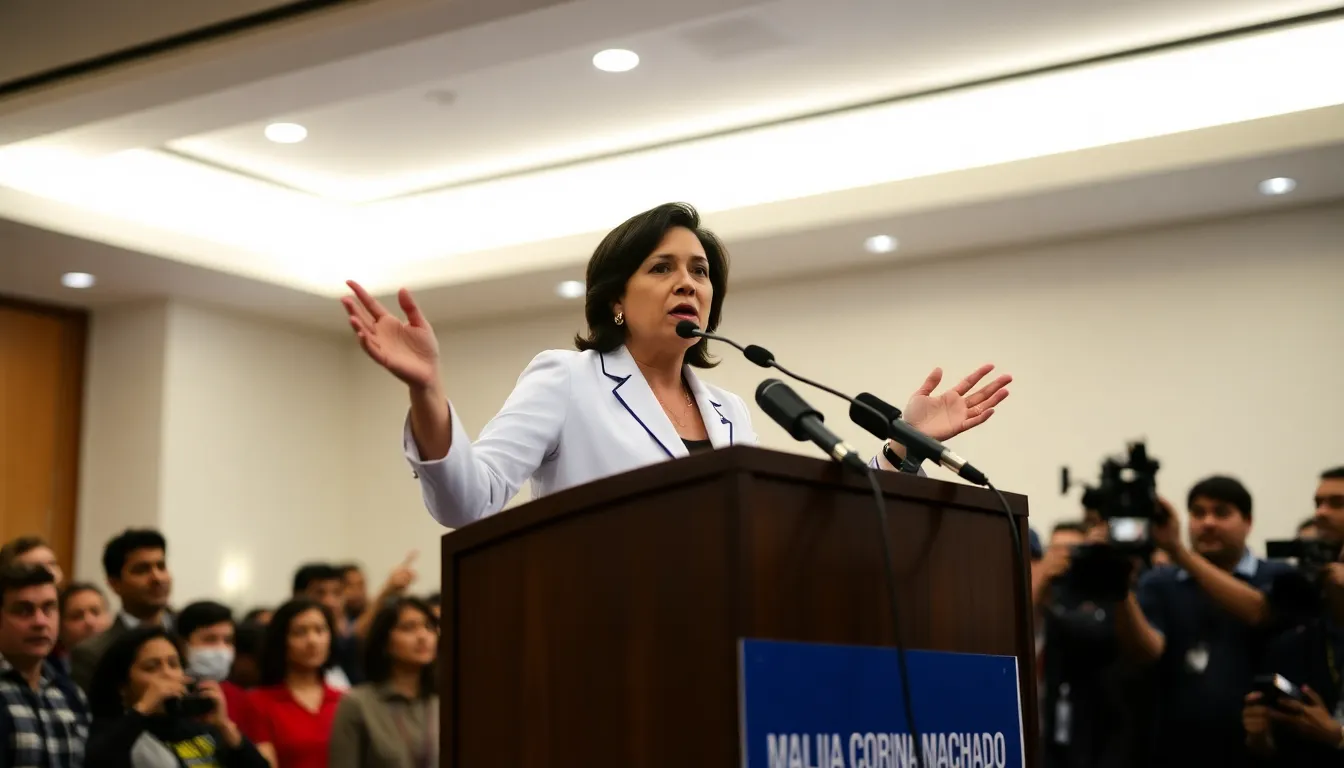
Machado’s comments were made during a press conference on October 15, 2023, where she emphasized the need for a unified opposition to restore democracy in Venezuela. She criticized the current regime for its failure to address the dire humanitarian situation affecting millions of Venezuelans, including food shortages and rampant inflation. For a deeper understanding of global political struggles, you can read more about Ukraine’s situation in this article.
The opposition leader’s call for leadership is not merely symbolic; it reflects a growing frustration among Venezuelans who have been enduring years of political repression and economic decline. Machado, who has been a prominent figure in the fight against Maduro’s government, believes that her leadership could galvanize support both within Venezuela and from international allies.
This declaration has reignited discussions about the future of Venezuela’s political landscape, especially as the country approaches potential elections. Analysts suggest that Machado’s rise could shift the dynamics of the opposition, which has been fragmented in recent years, potentially offering a more cohesive strategy to challenge the Maduro administration.
Understanding the political landscape in Venezuela
The political situation in Venezuela has been marked by decades of turmoil, characterized by a struggle between opposing ideologies and governance styles. The country, rich in oil reserves, has faced severe economic mismanagement and social unrest, particularly since the late 1990s. The rise of Hugo Chávez in 1998, who promoted a socialist agenda, set the stage for a polarized political climate that continues to affect the nation today.
Following Chávez’s death in 2013, Nicolás Maduro assumed the presidency, continuing Chávez’s policies. However, Maduro’s government has been criticized for authoritarian practices, including the suppression of dissent and manipulation of electoral processes. These actions have led to widespread protests and a humanitarian crisis, with millions of Venezuelans fleeing the country in search of better living conditions. The opposition, led by figures like María Corina Machado, has emerged as a critical voice against Maduro’s regime, advocating for democratic reforms and accountability.
The Role of Opposition Leaders
Opposition leaders in Venezuela have played a pivotal role in challenging the status quo. María Corina Machado, a prominent figure in the opposition, has consistently argued that she should lead the country, citing her commitment to democratic principles and economic recovery. Her calls for leadership resonate with many Venezuelans who are disillusioned with the current administration’s handling of the economy and the ongoing crisis. Key milestones in the opposition’s struggle include the 2015 National Assembly elections, where they gained a supermajority, and the 2019 attempt by Juan Guaidó to declare himself interim president, which garnered international support but ultimately failed to oust Maduro. The complexities of these political movements can be likened to the ongoing difficulties faced by organizations like the FDA, which are also under pressure during times of crisis, as discussed in this piece.
The current political landscape is further complicated by external influences, including sanctions imposed by the United States and other countries, aimed at pressuring Maduro’s government. These sanctions have had mixed results, impacting the economy while also contributing to the suffering of ordinary citizens. As the opposition continues to rally for change, the question of leadership remains central to the future of Venezuela, with figures like Machado advocating for a new direction in governance. Insights into similar regulatory actions can be found in China’s new regulations on AI for child safety, which you can explore here.
Key stakeholders and issues surrounding Machado’s claim
The political landscape in Venezuela is fraught with tension, particularly following the assertion by opposition leader María Corina Machado that she should assume leadership of the country. This claim has significant implications for various stakeholders, including political parties, international organizations, and the Venezuelan populace.
One of the primary actors in this scenario is María Corina Machado herself, who leads the opposition party and has garnered substantial support among citizens disillusioned with the current regime. Her interest lies in mobilizing this support to challenge the existing government led by Nicolás Maduro, which she views as illegitimate and oppressive.
On the other hand, Nicolás Maduro and his administration represent the ruling authority. They are focused on maintaining power and control, often employing legal and economic measures to suppress dissent. This creates a conflict of interest between the government and opposition forces, as Machado’s rise could threaten the stability of Maduro’s regime.
Additionally, international organizations such as the Organization of American States (OAS) and the United Nations (UN) play a crucial role in this context. These entities have expressed concern over human rights violations in Venezuela and may influence the political dynamics through sanctions or diplomatic pressure. Their interests often align with promoting democratic processes and ensuring humanitarian aid reaches those in need.
- Political Polarization: The division between pro-Maduro and anti-Maduro factions intensifies as Machado gains visibility.
- International Relations: The response of foreign governments to Machado’s claim could alter diplomatic ties and economic sanctions.
- Human Rights Issues: Ongoing reports of repression and violence against dissenters highlight the urgent need for reform.
- Economic Challenges: Venezuela’s economic crisis complicates the political landscape, affecting public support for any leader.
- Legal Framework: The legitimacy of Machado’s claim and her potential leadership hinges on Venezuela’s constitutional and electoral processes.
Potential effects on Venezuelan citizens and the economy
The announcement by opposition leader Maria Machado claiming she should be in charge of Venezuela has significant implications for various groups within the country. Citizens, particularly those living in urban areas, may experience immediate changes in their daily lives as political tensions rise and the possibility of a shift in governance looms. The general population, including workers, students, and families, will be closely monitoring developments, as they directly influence their stability and security.
Industries that are heavily reliant on government policies, such as oil, agriculture, and healthcare, could face both risks and opportunities. In the short term, uncertainty may lead to decreased foreign investments as businesses assess the political climate. However, should Machado gain traction, there could be a renewed interest in investment due to potential policy reforms aimed at revitalizing the economy.
Regions that have historically supported opposition movements, such as Miranda and Zulia, may see increased activism and public demonstrations. This could lead to enhanced community engagement but also poses risks of unrest or clashes with pro-government supporters. The impact on local businesses could be mixed; while some may benefit from increased consumer spending driven by political optimism, others might experience disruptions due to protests or strikes.
- Short-term impacts: Increased political instability, potential for protests, and decreased foreign investment.
- Mid-term impacts: Possible policy reforms, shifts in economic strategy, and changes in public sentiment towards governance.
- Risks: Economic downturn, social unrest, and heightened tensions between opposing factions.
- Opportunities: Revitalization of key industries, increased civic engagement, and potential for international support.
Overall, the assertion of leadership by Machado could catalyze significant changes in Venezuela, affecting both the daily lives of its citizens and the broader economic landscape. Stakeholders across various sectors must remain vigilant and adaptable as the situation evolves.
A: Machado’s declaration comes amid ongoing political instability and calls for change within Venezuela. She believes her leadership could bring about necessary reforms. A: The Venezuelan government has dismissed Machado’s claims, labeling them as politically motivated and lacking legitimacy. They argue that her leadership would not be accepted by the majority. A: Machado’s assertion could galvanize the opposition movement, potentially uniting various factions against the current regime. However, it may also lead to further divisions. A: Machado’s claim may influence international perceptions of Venezuela, with foreign governments reassessing their diplomatic stances based on her potential leadership. A: Yes, upcoming elections are crucial for the opposition’s strategy, and Machado’s leadership claim could play a significant role in shaping electoral dynamics.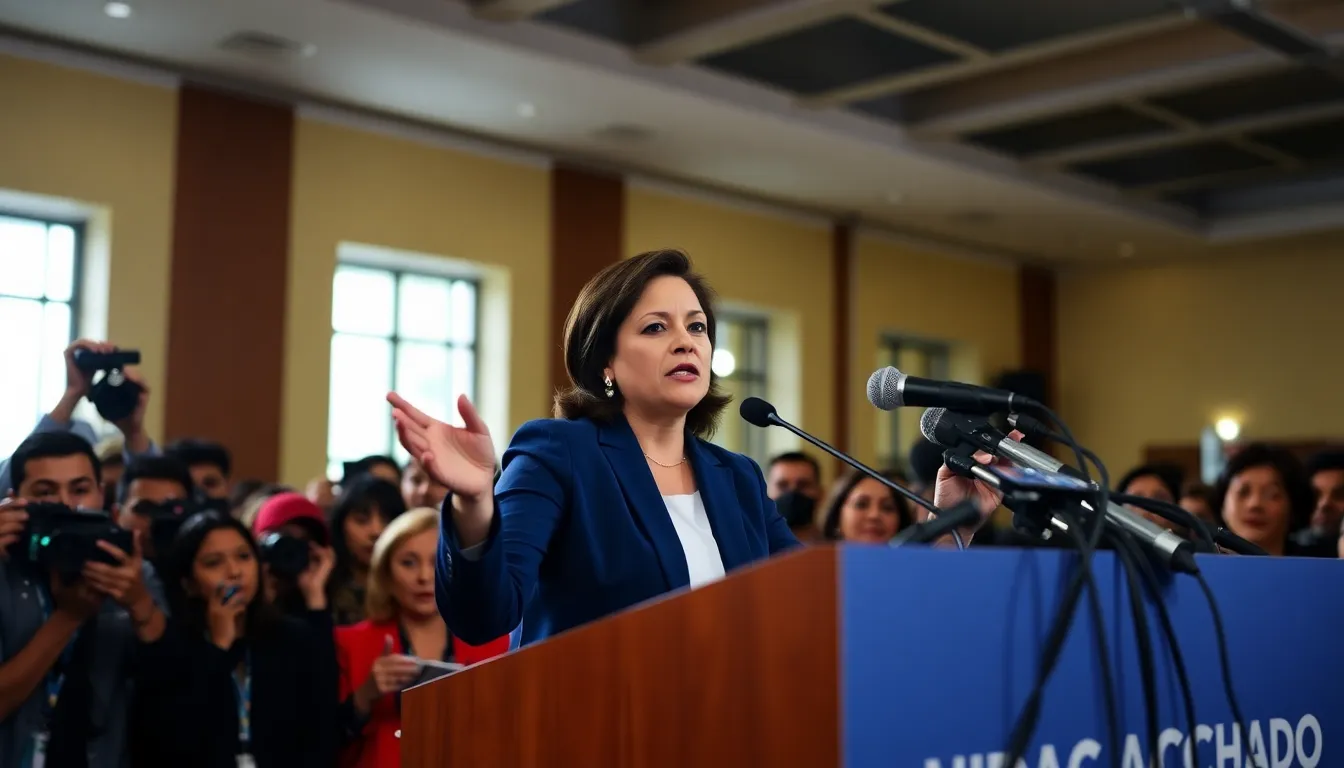
Frequently asked questions about Machado’s leadership claim
Insights on the future of Venezuela’s political situation
The assertion by opposition leader Machado that she should be in charge of Venezuela underscores a critical moment in the nation’s ongoing political struggle. As the country grapples with economic turmoil and social unrest, her claim not only reflects the discontent with the current regime but also highlights the potential for a shift in power dynamics. This development could catalyze further political mobilization among opposition groups and resonate with the populace yearning for change.
As the situation unfolds, several factors will influence the trajectory of Venezuela’s political landscape. The response from both the government and international community will be pivotal in determining whether Machado’s position gains traction or faces significant pushback. Observers should remain attentive to the evolving alliances within the opposition and the potential for new negotiations aimed at resolving the longstanding crisis.
- Monitor the reactions from the Maduro government and its strategies to counter opposition claims.
- Watch for potential shifts in international support, particularly from neighboring countries and global powers.
- Assess how Machado’s leadership could alter the dynamics within the opposition coalition.
- Evaluate the impact of public sentiment on the feasibility of any proposed transitional governance.
- Keep an eye on grassroots movements and civil society’s role in shaping the political discourse.