
Meanwhile, M&S has also seen impressive growth, with its food division recording a sales increase of 9.2% during the same period. The retailer highlighted that its premium food offerings, including ready-to-eat meals and luxury treats, have resonated well with customers looking to enhance their holiday celebrations. For insights into how these trends reflect larger market dynamics, check out our analysis on F.D.A. Turmoil.
This surge in sales is significant as it indicates a rebound in consumer confidence and spending, particularly after the challenges posed by the pandemic in previous years. The festive period traditionally represents a crucial time for retailers, and these results suggest that shoppers are willing to invest in quality food experiences this Christmas.
Both companies are capitalizing on the trend of home celebrations, as more families opt to host gatherings at home rather than dine out. With the holiday season being a key revenue driver, these strong sales figures could positively impact overall annual performance for both Tesco and M&S.
Understanding the backdrop of festive shopping trends
As the festive season approaches each year, retailers brace themselves for a significant uptick in consumer spending, particularly in the food sector. This year, Tesco and M&S have reported strong Christmas food sales, reflecting a broader trend in the UK retail landscape. Understanding the historical and economic context of these sales offers insight into consumer behavior and market dynamics during the holiday season.
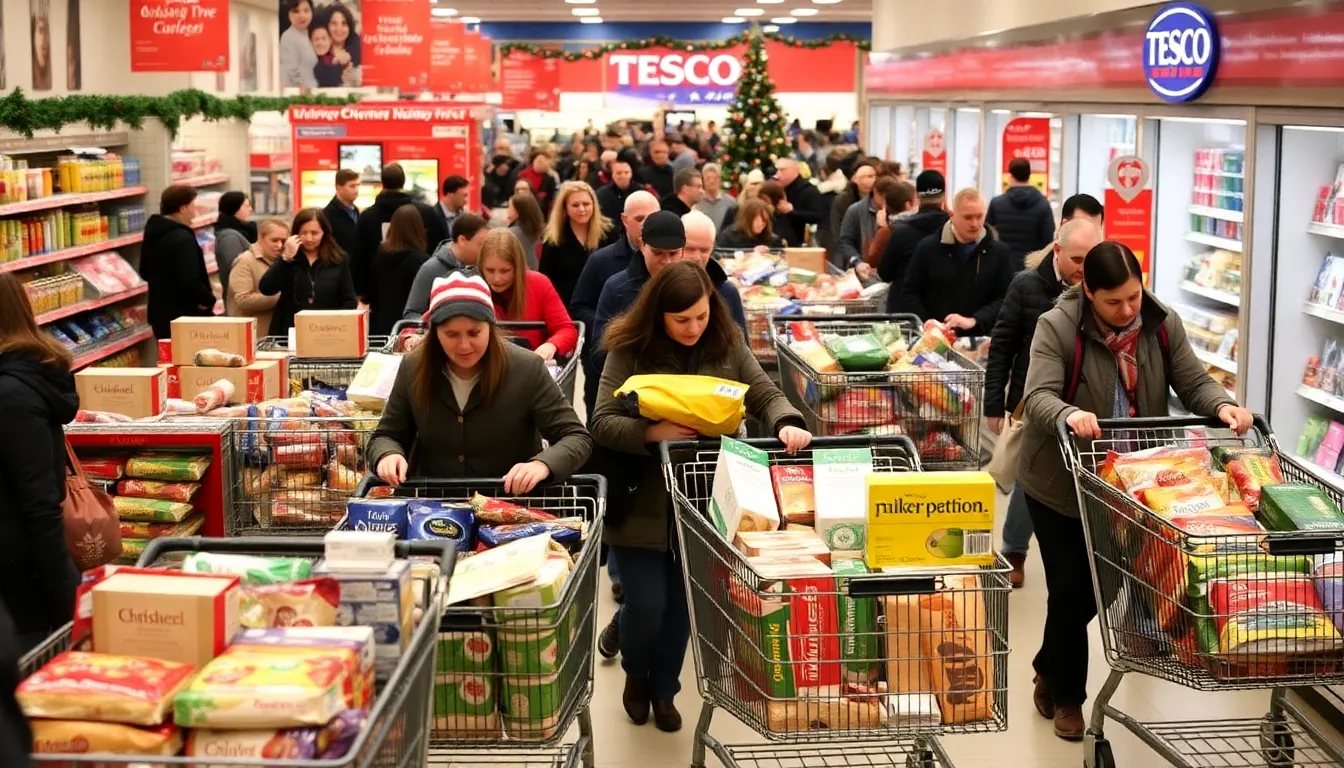
The UK’s retail sector has seen fluctuating trends over the past decade, influenced by economic factors such as inflation, changes in disposable income, and shifts in consumer preferences. The aftermath of the COVID-19 pandemic has also played a crucial role, as many consumers have shifted towards online shopping and prioritizing local purchases. This transition has prompted retailers to adapt their strategies, with a stronger emphasis on quality, convenience, and unique product offerings during the festive period. For more on consumer behavior, see our coverage of Sarah Jessica Parker’s reflections.
In recent years, M&S has positioned itself as a premium food retailer, particularly during the holidays, with its iconic Christmas food ranges becoming a staple for many families. Meanwhile, Tesco, as one of the largest grocery chains in the UK, has focused on competitive pricing and value for money, appealing to a broader consumer base. The combination of these strategies has created a dynamic market where both retailers can thrive, even amidst economic uncertainty.
Key milestones in festive retail evolution
The evolution of festive shopping in the UK can be traced back to several key milestones. The introduction of the Christmas food range by M&S in the 1980s marked a significant shift in how consumers approached holiday meals. Additionally, the rise of online shopping platforms in the 2000s revolutionized the way people purchased food for festive gatherings. These developments, along with targeted marketing campaigns and seasonal promotions, have contributed to the increasing importance of Christmas food sales for retailers.
Examining the factors driving sales for Tesco and M&S
As Tesco and M&S report strong Christmas food sales, several key stakeholders emerge in the analysis of this trend. The primary actors include the companies themselves, their customers, suppliers, and the broader economic environment. Each of these stakeholders has distinct interests that influence their actions and decisions.
Tesco and M&S, as major retailers, are primarily motivated by profitability and market share. Their strong sales figures during the festive season suggest effective marketing strategies and product offerings that resonate with consumers. Both companies have adapted their supply chains and inventory management to meet the increased demand during this period, showcasing their operational efficiency.
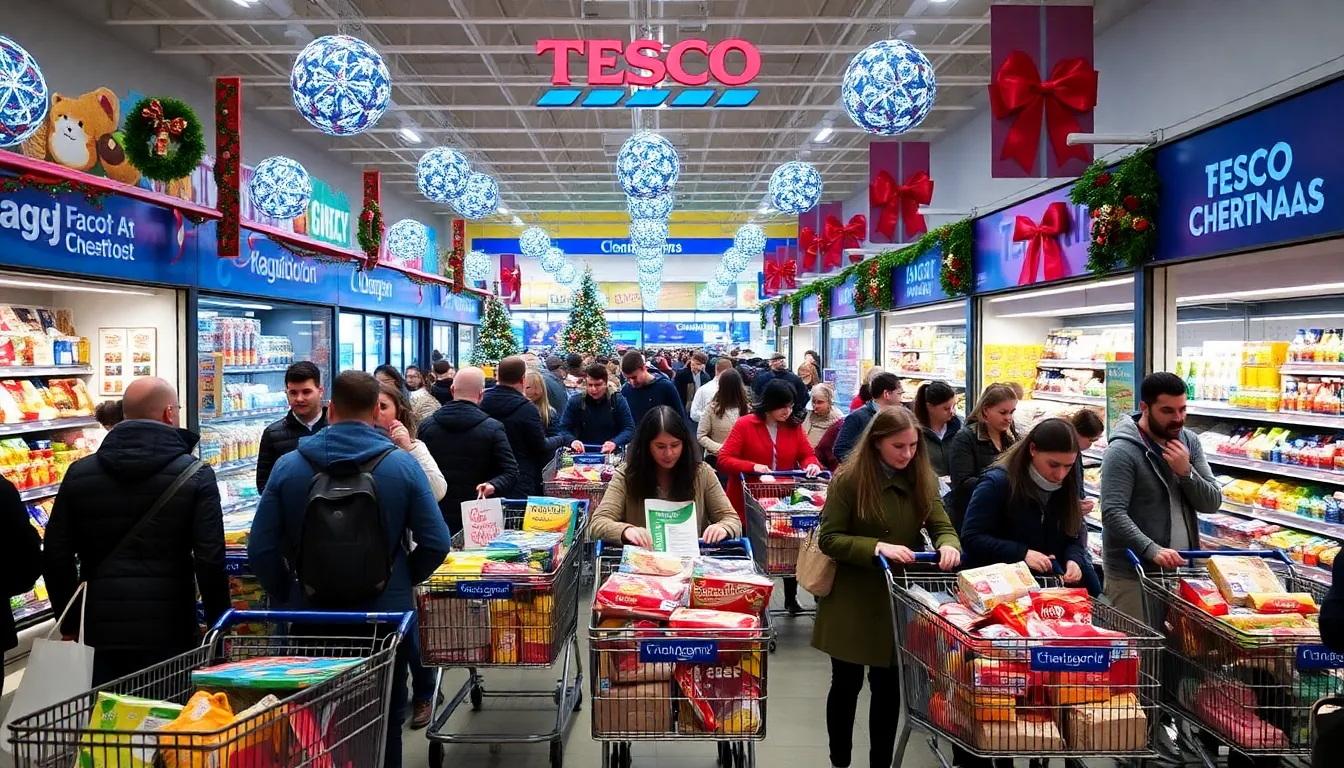
Customers, on the other hand, are seeking quality and value during the holiday season. The emphasis on festive food items, along with promotions and discounts, plays a crucial role in attracting shoppers. Additionally, the growing trend towards sustainability and ethical sourcing has influenced consumer purchasing decisions, prompting both retailers to enhance their product lines with organic and locally sourced options.
Suppliers also play a vital role in this dynamic. The relationship between retailers and suppliers can be complex, particularly when it comes to pricing and product availability. As demand surges, suppliers face the challenge of scaling production while maintaining quality. This can lead to potential conflicts over pricing and delivery timelines, impacting the overall supply chain. Understanding the interplay between these factors is crucial, much like the strategies for Welsh teams in their upcoming rugby matches.
- Economic factors: Inflation and cost-of-living pressures may influence consumer spending habits.
- Legal considerations: Compliance with food safety regulations and labeling requirements remains crucial for both retailers.
- Market competition: The rivalry between Tesco, M&S, and other grocery chains affects pricing strategies and promotional activities.
- Sustainability trends: Growing consumer demand for ethical products impacts sourcing decisions and supplier relationships.
- Consumer behavior: Shifts in shopping patterns, including online purchasing, influence sales strategies.
Assessing the impact on the grocery market and consumers
The strong Christmas food sales reported by Tesco and M&S highlight a significant trend in consumer behavior, particularly among households looking to celebrate the festive season with quality food products. This surge in sales affects various groups, including grocery retailers, suppliers, and consumers across the UK.
In the short term, the immediate impact on daily life is evident as consumers experience increased availability of festive food options. Grocery stores may see longer queues and higher foot traffic, which can lead to a more vibrant shopping atmosphere. However, this demand also puts pressure on supply chains, which may face challenges in keeping up with the heightened consumer appetite.
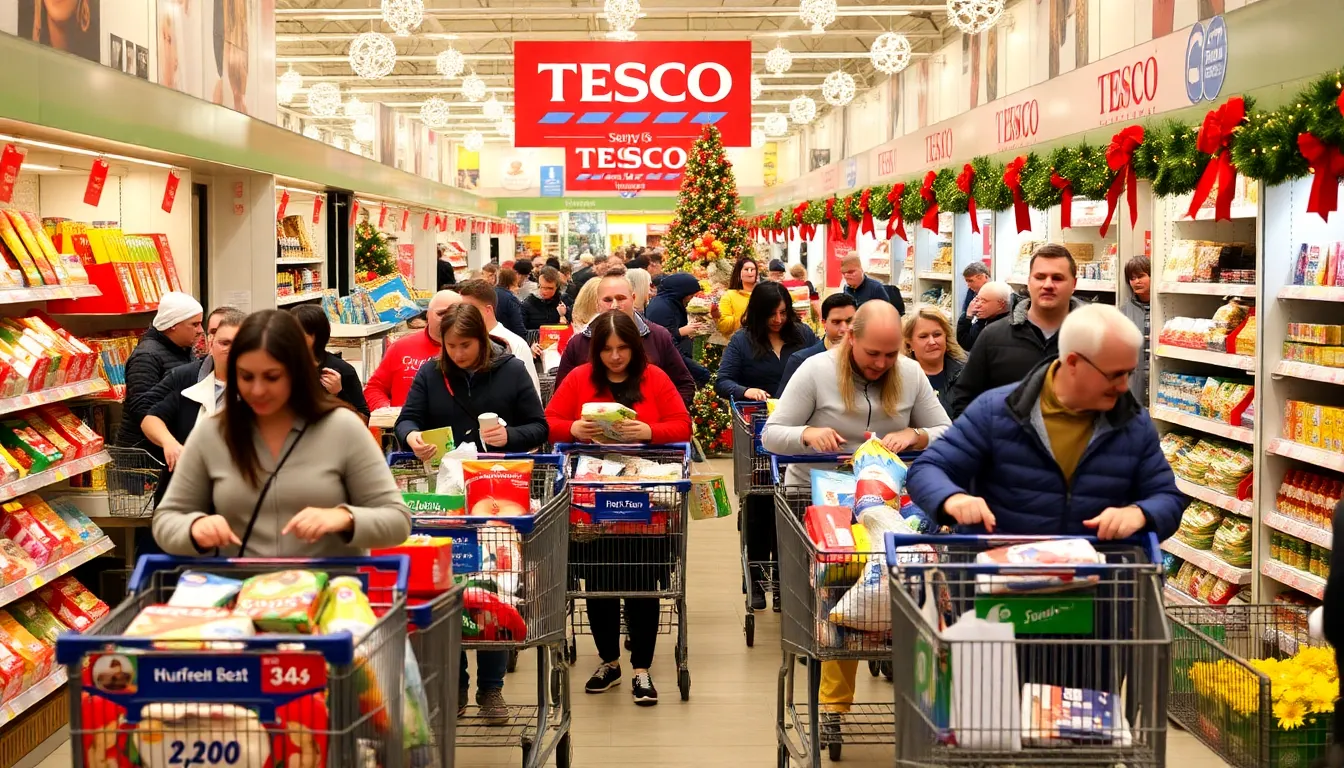
Mid-term impacts could include shifts in consumer preferences, as the success of these sales may encourage other retailers to enhance their holiday offerings. This could lead to increased competition in the grocery sector, driving innovation and potentially lowering prices as businesses strive to attract customers. On the other hand, if supply chain issues persist, it could result in stock shortages, affecting consumer satisfaction and loyalty.
- Risks: Supply chain disruptions may lead to product shortages.
- Opportunities: Increased competition could foster innovation in product offerings.
- Risks: Inflation may impact consumer spending on luxury food items.
- Opportunities: Successful sales can lead to expanded seasonal product lines in the future.
Regions with a higher concentration of Tesco and M&S stores are likely to benefit the most from these sales, as local economies see a boost from increased consumer spending. Additionally, suppliers who provide popular festive items may experience growth, leading to enhanced partnerships with major retailers.
A: Tesco reported a significant increase in food sales, while M&S also saw a rise, indicating strong consumer demand during the festive season. A: Both Tesco and M&S experienced better sales figures compared to the previous year, showcasing a recovery in consumer spending. A: Factors include changes in consumer behavior, promotional strategies, and the overall economic environment which encouraged festive spending. A: Increased sales could lead to competitive pricing strategies as retailers aim to maintain customer loyalty and attract new shoppers. A: Yes, suppliers may see increased demand for their products, which could lead to adjustments in production and supply chain management.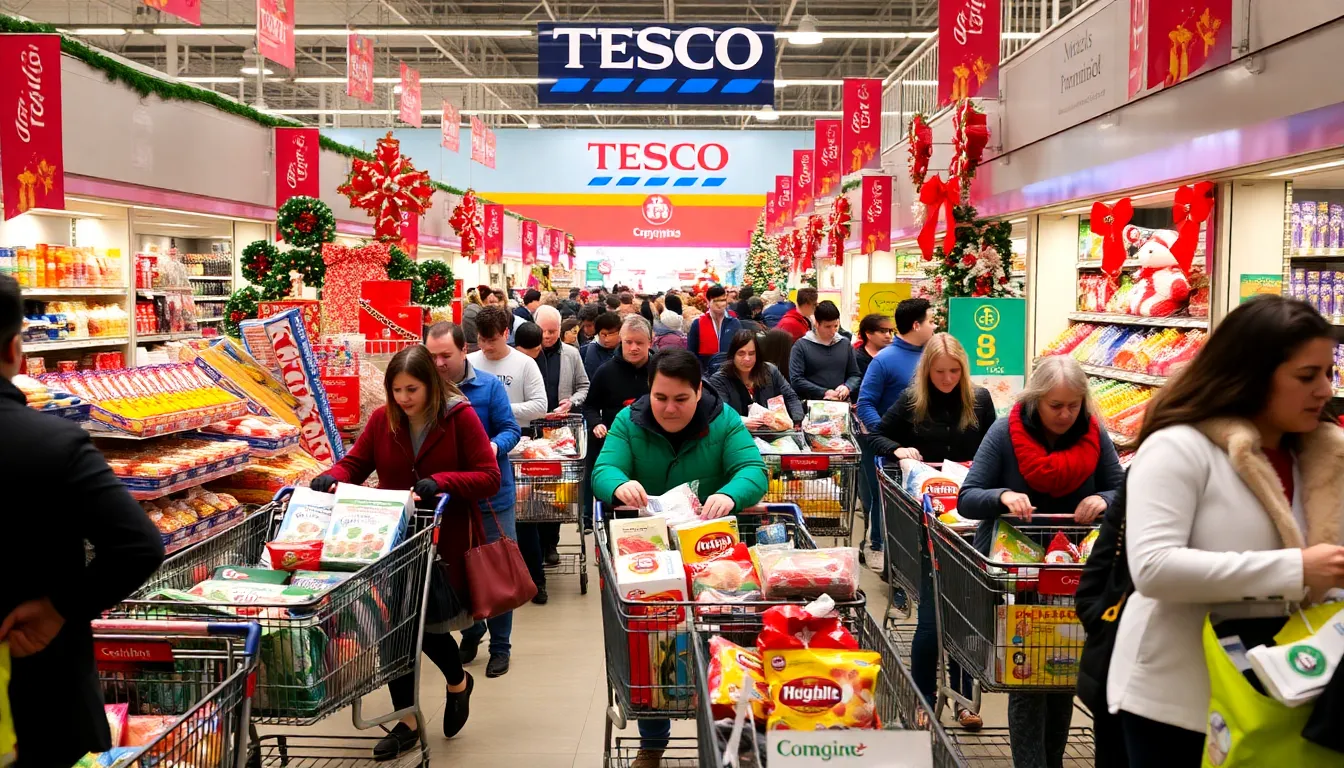
Frequently asked questions about Christmas food sales
Key takeaways and future outlook for grocery sales
The strong performance of Tesco and M&S during the Christmas period highlights a resilient consumer demand for quality food products, even amid economic uncertainties. This trend suggests that grocery retailers who focus on premium offerings and innovative product lines may continue to thrive as consumers seek value in their purchases.
Looking ahead, the competitive landscape may shift as retailers adapt to changing consumer preferences, emphasizing sustainability and convenience. Companies that effectively leverage technology and enhance their online shopping experiences are likely to capture a larger market share.
- Consumer Preferences: A growing inclination towards quality and premium products indicates retailers should refine their offerings to meet these demands.
- Sustainability Focus: As environmental concerns rise, grocery chains that prioritize sustainable sourcing may gain a competitive edge.
- Digital Transformation: Enhancements in online shopping and delivery services will be crucial for retailers aiming to retain and attract customers.
- Market Competition: Increased competition may lead to innovative marketing strategies as retailers seek to differentiate themselves.
- Economic Factors: Monitoring economic indicators will be essential, as shifts in consumer spending habits could impact future sales trends.