
Currently, the Lyric Theatre is hosting a series of performances that highlight contemporary issues and historical narratives, resonating with audiences both young and old. Notable productions include a mix of classic plays and new works that address themes of identity, conflict, and reconciliation, which are particularly relevant in the context of Northern Ireland’s complex socio-political history.
The theatre’s significance extends beyond entertainment; it serves as a platform for dialogue and community engagement. Initiatives aimed at involving local schools and underrepresented groups are integral to its mission, fostering a sense of belonging and encouraging participation in the arts. This outreach is crucial in a city still navigating the legacies of its past.
As the Lyric Theatre marks this milestone, it faces the ongoing challenge of securing funding and support in a competitive cultural environment. The importance of sustaining such institutions is underscored by their ability to contribute to social cohesion and economic growth, particularly in a post-pandemic landscape where the arts have been significantly impacted.
Historical background of the Lyric Theatre and its evolution
The Lyric Theatre in Belfast, established in 1945, has long been a cornerstone of Northern Ireland’s cultural landscape. Its inception came at a time when the region was grappling with the aftermath of World War II and the onset of the Troubles, a conflict that would dominate Northern Irish society for decades. The theatre was founded by a group of artists and visionaries who sought to provide a platform for local talent and to tell stories that resonated with the experiences of the community.
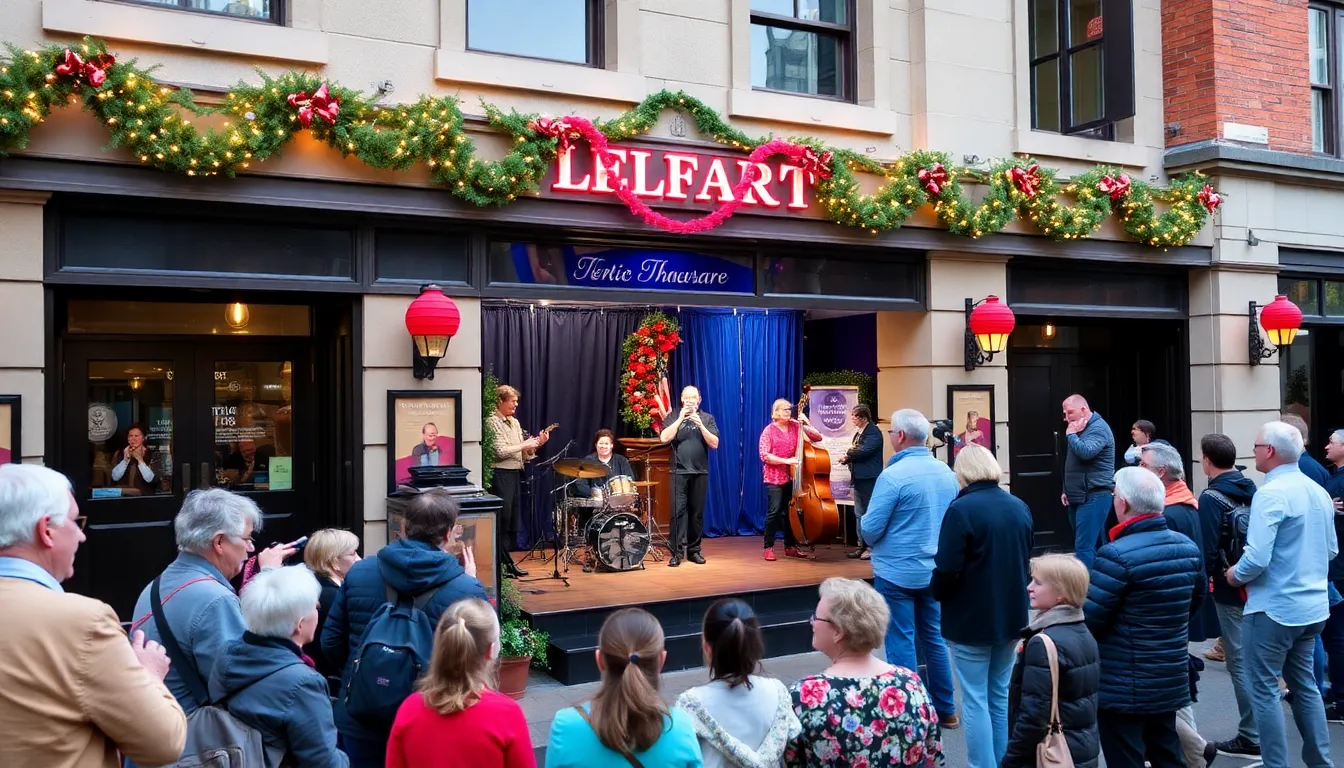
Throughout its history, the Lyric has played a pivotal role in reflecting and shaping the sociopolitical climate of Northern Ireland. In the 1970s and 1980s, as the Troubles intensified, the theatre became a space for dialogue and reflection, often addressing the complexities of identity, conflict, and reconciliation through its productions. Notable playwrights, including Brian Friel and Stewart Parker, used the stage to explore the nuances of life in a divided society, making the Lyric a vital cultural outlet during turbulent times, similar to themes explored in the broader cultural discussions.
The theatre underwent significant transformations over the years, with a major redevelopment completed in 2011 that expanded its facilities and modernized its offerings. This renovation not only enhanced the physical space but also solidified the Lyric’s commitment to nurturing new talent and producing contemporary works that resonate with both local and international audiences. As a result, the Lyric has become a hub for creativity, fostering collaborations with emerging artists and established playwrights alike.
The Lyric’s Role in the Peace Process
As Northern Ireland moved towards peace in the late 1990s, the Lyric Theatre emerged as a beacon of hope and unity. Productions often tackled themes of reconciliation and healing, contributing to the broader peace process by encouraging open conversations about the past, which echoes the narratives discussed in the importance of storytelling in overcoming division.
Key stakeholders and issues surrounding the theatre’s legacy
The Lyric Theatre in Belfast has played a pivotal role in the cultural landscape of Northern Ireland for 75 years, serving as a platform for artistic expression and community engagement. Several key stakeholders are involved in the theatre’s ongoing legacy, each with distinct interests that shape its operations and influence its future.
One of the primary actors is the Lyric Theatre management, which seeks to maintain the theatre’s reputation as a leading arts institution. Their interests include securing funding, attracting diverse audiences, and producing high-quality performances that reflect the community’s identity. Additionally, they aim to foster educational programs that engage local youth and promote the arts.
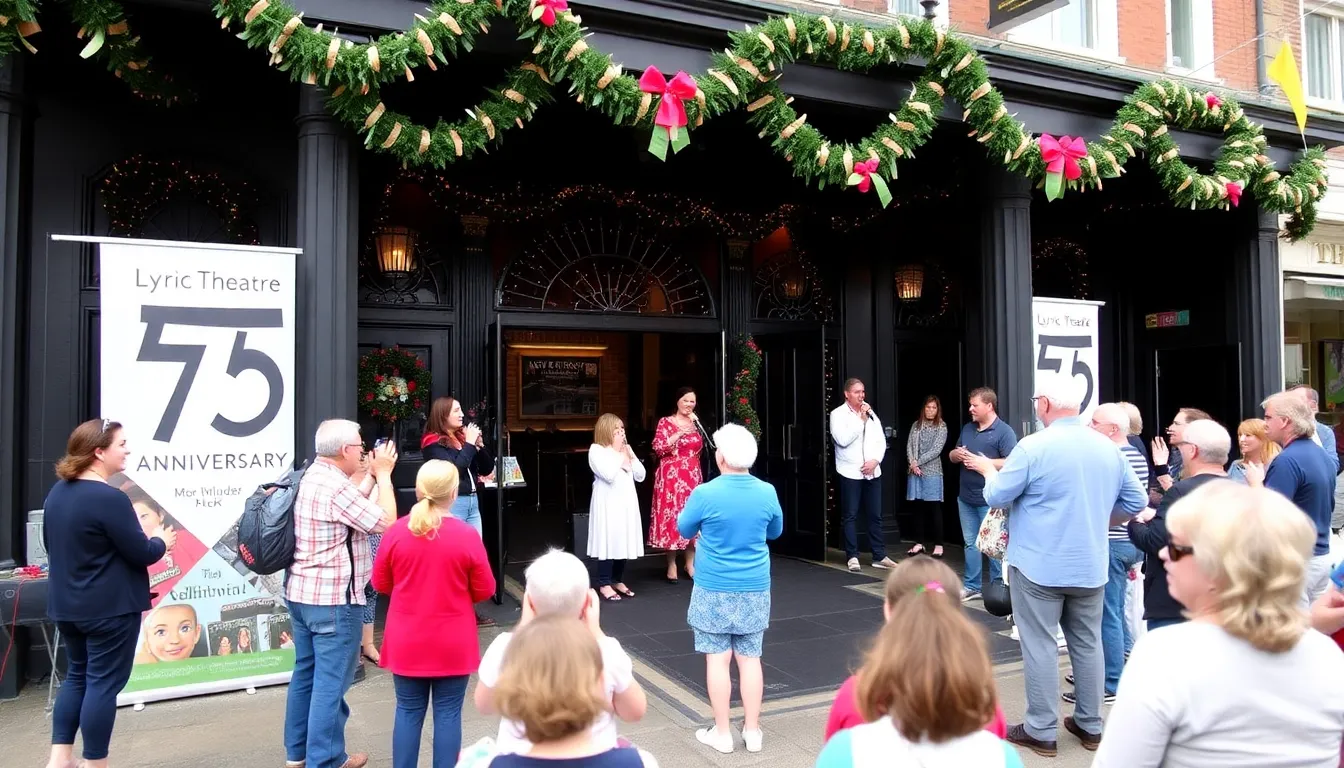
The local government also plays a crucial role, as it provides financial support and resources for the theatre. Their interests lie in promoting cultural tourism and enhancing the region’s image as a vibrant arts hub. However, budget constraints and competing priorities can lead to conflicts over funding allocation, particularly in times of economic uncertainty.
Moreover, the audience and community members represent a significant stakeholder group. Their preferences and feedback can influence programming decisions and the overall direction of the theatre. Conflicts may arise if the theatre’s offerings do not align with community interests or if ticket prices become prohibitively expensive.
- Funding challenges due to government budget cuts.
- Balancing commercial success with artistic integrity.
- Engaging diverse audiences while remaining true to local narratives.
- Competing with other cultural institutions for resources and attention.
- Addressing the evolving needs of the community through innovative programming.
The impact of the Lyric Theatre on local communities and arts
The Lyric Theatre in Belfast, celebrating its 75th anniversary, plays a crucial role in shaping the cultural landscape of Northern Ireland. Its influence extends beyond the stage, affecting various groups including local artists, theatergoers, and the broader community. The theatre serves as a platform for emerging talent, providing opportunities for actors, playwrights, and technicians, thus fostering a vibrant arts ecosystem.
In the short term, the theatre’s productions draw audiences from across the region, boosting local businesses such as restaurants, cafes, and hotels. This influx of visitors creates a ripple effect, enhancing economic activity in the area. However, the reliance on tourism for revenue can pose risks, particularly in times of economic downturn or public health crises, which may lead to decreased attendance and financial strain.
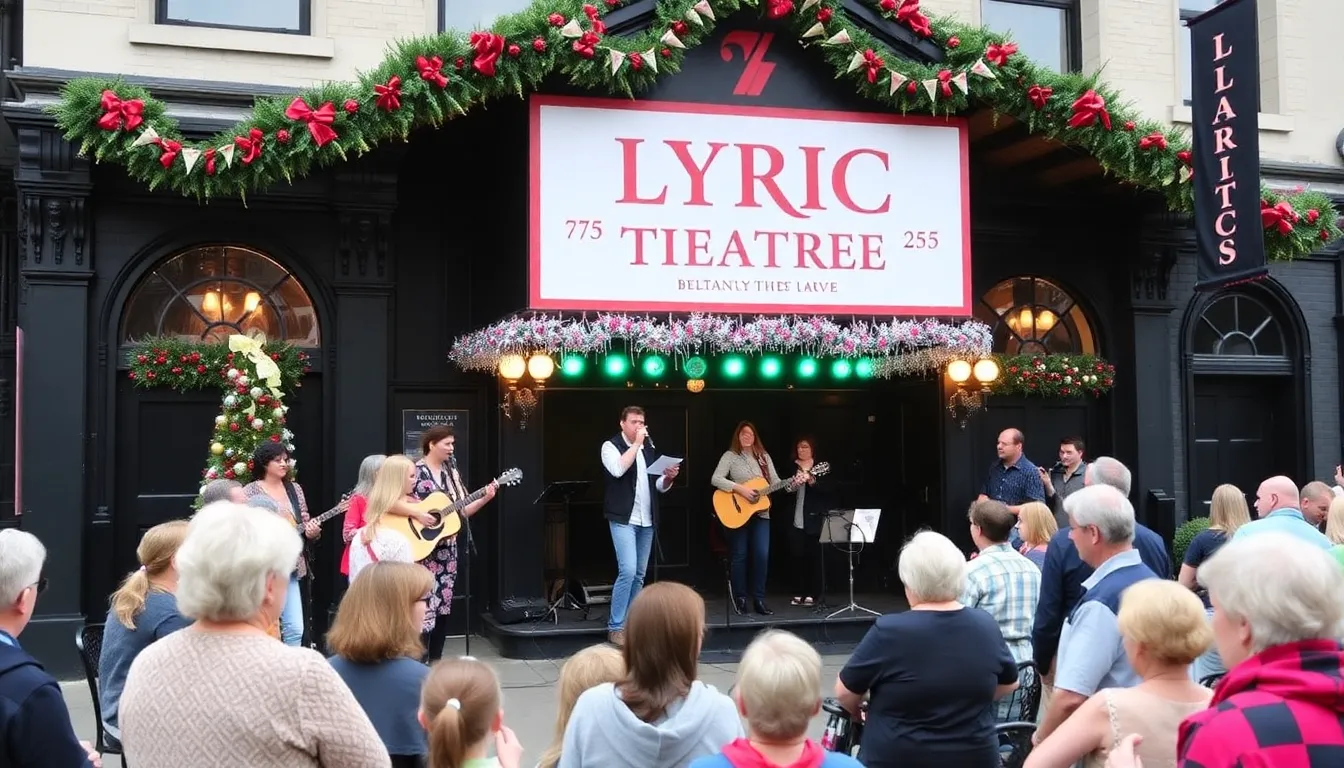
In the mid-term, the Lyric Theatre has the potential to influence policy related to arts funding and community engagement. As it continues to produce thought-provoking works that address social issues, it may inspire local government to invest more in the arts. This could lead to increased grants and support for cultural initiatives, benefiting not just the theatre but the entire arts community.
- Economic Impact: Increased patronage benefits local businesses.
- Cultural Opportunities: Supports local artists and creative talent.
- Policy Influence: May lead to enhanced funding for the arts.
- Community Engagement: Fosters a sense of belonging and cultural pride.
While there are risks associated with fluctuating audience numbers and funding challenges, the Lyric Theatre also presents numerous opportunities for growth and collaboration within the arts sector. Its ability to adapt and innovate will be key to maintaining its relevance and impact in the years to come.
A: The Lyric Theatre plays a crucial role in Belfast’s cultural scene, serving as a platform for local artists and addressing important social issues through its productions. A: Since its establishment, the Lyric Theatre has undergone several renovations and expansions, reflecting changes in the community and the arts landscape in Northern Ireland. A: The Lyric Theatre hosts a variety of productions, including dramas, operas, and community performances, often focusing on themes relevant to the local audience. A: The theatre often showcases works that explore themes of reconciliation and understanding, making it a vital space for dialogue in the context of Northern Ireland’s peace process. A: Yes, the Lyric Theatre is planning a series of events and performances to celebrate its 75th anniversary, highlighting its history and future in the arts.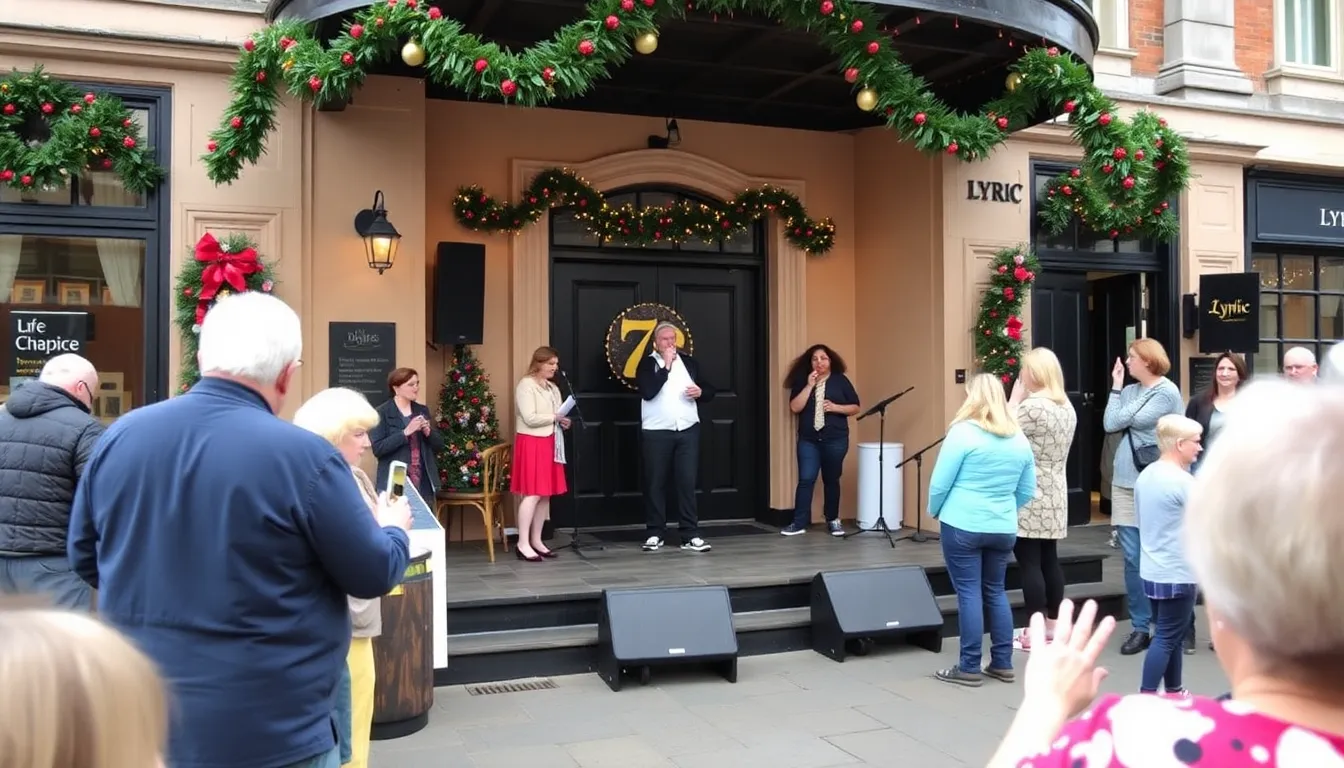
Frequently asked questions about the Lyric Theatre
Key insights and future outlook for Belfast’s Lyric Theatre
The Lyric Theatre, celebrating its 75th anniversary, stands as a beacon of cultural resilience and innovation in Belfast. Its unique ability to intertwine local narratives with broader themes of peace and reconciliation reflects the evolving societal landscape of Northern Ireland. As the theatre continues to adapt to changing audience expectations and the challenges of the modern arts environment, its role as a community hub and a platform for diverse voices becomes increasingly significant.
Looking ahead, the Lyric Theatre is poised to further enhance its impact on both local and national levels. By fostering collaborations with emerging artists and engaging with contemporary issues through its productions, the theatre can continue to be a catalyst for dialogue and understanding in a region still navigating its complex history.
- Continued focus on local storytelling will strengthen community ties and attract diverse audiences.
- Innovative programming that addresses current social themes can enhance the theatre’s relevance in today’s cultural landscape.
- Partnerships with educational institutions may provide new opportunities for youth engagement and talent development.
- Investment in digital platforms could expand the theatre’s reach beyond Belfast, offering virtual access to its productions.
- Ongoing commitment to inclusivity will ensure that a wide range of voices and perspectives are represented on stage.