
Key contributors to this slowdown include increased conservation initiatives and stricter regulations on logging practices in countries such as Brazil and Indonesia. These nations have implemented policies aimed at protecting their rainforests, which are crucial for biodiversity and carbon storage. For more insights on forest conservation, see the article Global forest loss slows amid concerns over El Niño fires. However, the report also emphasizes that the fight against deforestation is far from over.
Despite the positive trends in deforestation rates, the report warns of the rising threat posed by wildfires, which have intensified in various parts of the world. In 2023 alone, wildfires have devastated large areas of forest, particularly in regions experiencing prolonged droughts and extreme weather conditions. This dual challenge of deforestation and wildfires underscores the complexity of environmental management.
The W.R.I. report also notes that while some progress has been made, global forest loss remains alarmingly high, with an estimated 10 million hectares lost annually. This ongoing loss not only affects wildlife habitats but also contributes to climate change, making it imperative for governments and organizations to enhance their conservation efforts.
Understanding the factors behind deforestation trends
Deforestation has been a critical environmental issue for decades, driven by a complex interplay of historical, political, economic, and social factors. Historically, the expansion of agriculture and urbanization has led to significant forest loss, particularly in tropical regions. In the late 20th century, the rise of industrial agriculture and logging industries accelerated this trend, as countries sought economic growth and development. This pursuit often came at the expense of vast forested areas, which were cleared for cattle ranching, palm oil plantations, and timber extraction.
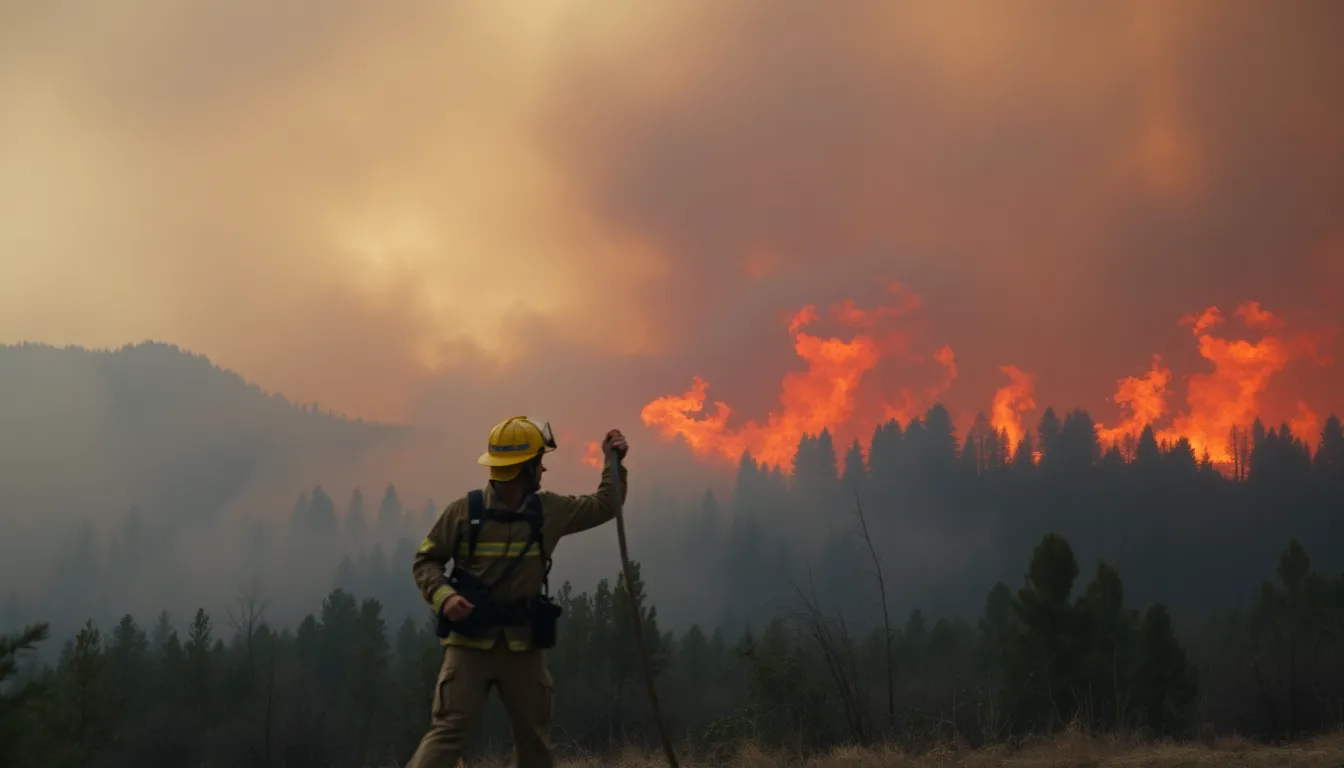
Political frameworks and governance also play a pivotal role in deforestation rates. In many countries, weak enforcement of environmental regulations and land tenure issues have allowed illegal logging and land grabbing to flourish. Moreover, political instability can exacerbate these issues, as governments may prioritize short-term economic gains over sustainable forest management. The lack of effective policies to protect forests has often resulted in a cycle of degradation that is difficult to reverse.
Economically, the demand for resources such as timber, paper, and agricultural products has driven deforestation. Global markets have incentivized countries to exploit their natural resources to boost GDP, often overlooking the long-term environmental consequences. The World Resources Institute (W.R.I.) report highlights that while deforestation rates have slowed in some regions, the pressure remains due to ongoing demand for land and resources. This economic dynamic is further complicated by the impacts of climate change, which can increase the frequency and intensity of wildfires, leading to additional forest loss, as discussed in the related article on Global forest loss.
The impact of wildfires
Wildfires have emerged as a significant threat to forests worldwide, exacerbating the challenges posed by deforestation. Climate change has contributed to drier conditions and increased temperatures, creating an environment conducive to wildfires. In regions where deforestation has slowed, the occurrence of wildfires can still lead to substantial forest degradation, as seen in the recent W.R.I. report. The interplay between deforestation and wildfires highlights the need for integrated approaches to forest management that consider both prevention and recovery strategies, similar to initiatives featured in the article Thousands of trees creating habitat powerhouses.
Key stakeholders and their roles in forest conservation
In the context of global deforestation and its recent slowdown, various stakeholders play crucial roles in shaping policies and practices related to forest conservation. These actors include governments, non-governmental organizations (NGOs), local communities, and the private sector, each with their own interests and motivations.
Governments around the world are key players in forest management, as they are responsible for enacting and enforcing laws that protect forested areas. Their interests often align with economic growth, as forests provide resources for industries such as timber and agriculture. However, the challenge lies in balancing economic development with environmental sustainability.
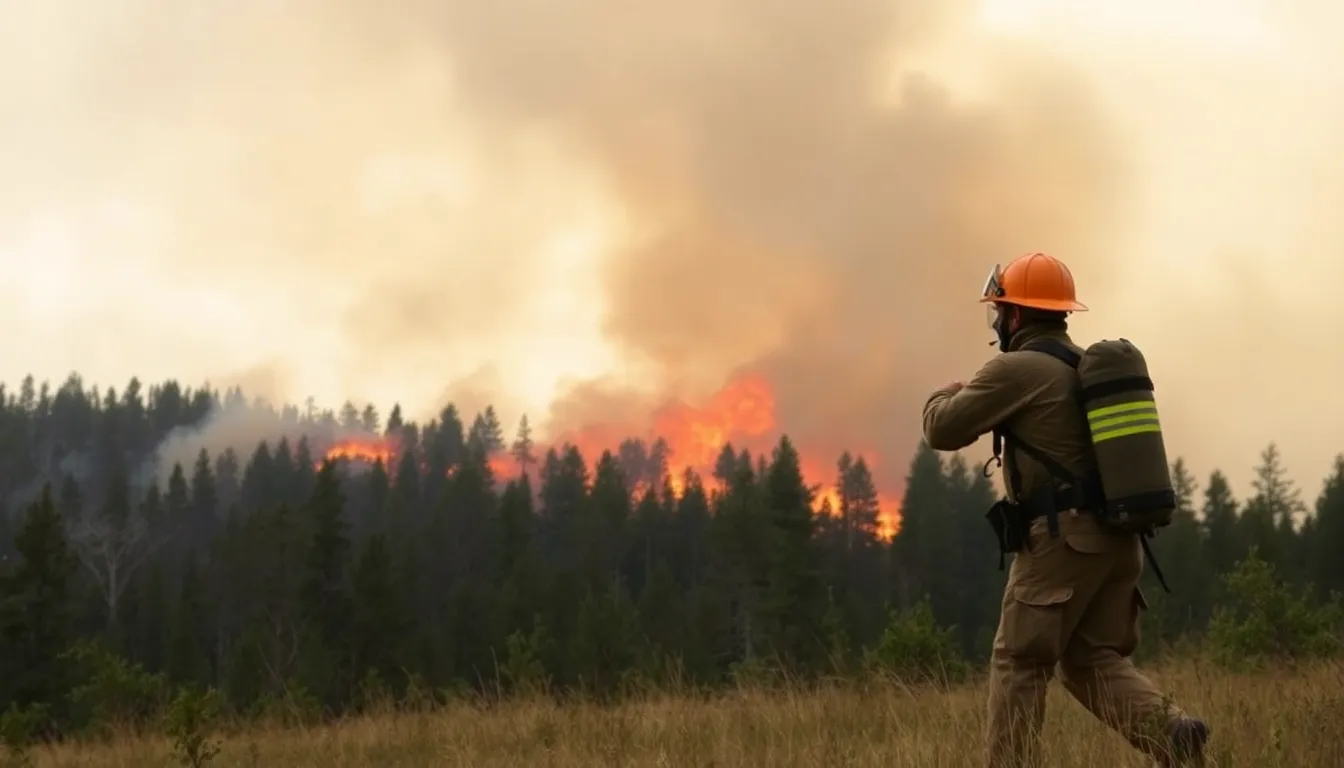
NGOs, such as the World Resources Institute (W.R.I.), advocate for stronger conservation measures and raise awareness about the impacts of deforestation and wildfires. Their primary interest is to promote sustainable practices and protect biodiversity, often pushing for legal frameworks that prioritize environmental health over short-term economic gains.
Local communities, particularly indigenous populations, are directly affected by deforestation and wildfires. They often rely on forests for their livelihoods and cultural practices. Their interests include securing land rights and ensuring that their voices are heard in decision-making processes regarding land use and conservation strategies.
The private sector, including corporations involved in agriculture, logging, and mining, has a significant impact on forest ecosystems. Their interests typically focus on profit maximization, which can lead to conflicts with conservation efforts. As such, there is a growing need for collaboration between businesses and environmental stakeholders to develop sustainable practices that mitigate adverse effects on forests.
- Governments must balance economic growth with environmental protection.
- NGOs advocate for sustainable practices and biodiversity conservation.
- Local communities seek recognition of land rights and participation in decision-making.
- The private sector faces pressure to adopt sustainable practices in resource extraction.
- Conflicts arise from differing priorities between economic development and environmental conservation.
The impact of wildfires on forest ecosystems and communities
Wildfires are increasingly affecting various groups, industries, and regions worldwide, particularly in areas already vulnerable to deforestation. Communities living near forested areas are directly impacted, facing threats to their homes, livelihoods, and health due to smoke and air quality deterioration. Indigenous populations, who rely on forests for their cultural and physical sustenance, are especially at risk as their traditional lands are engulfed in flames.
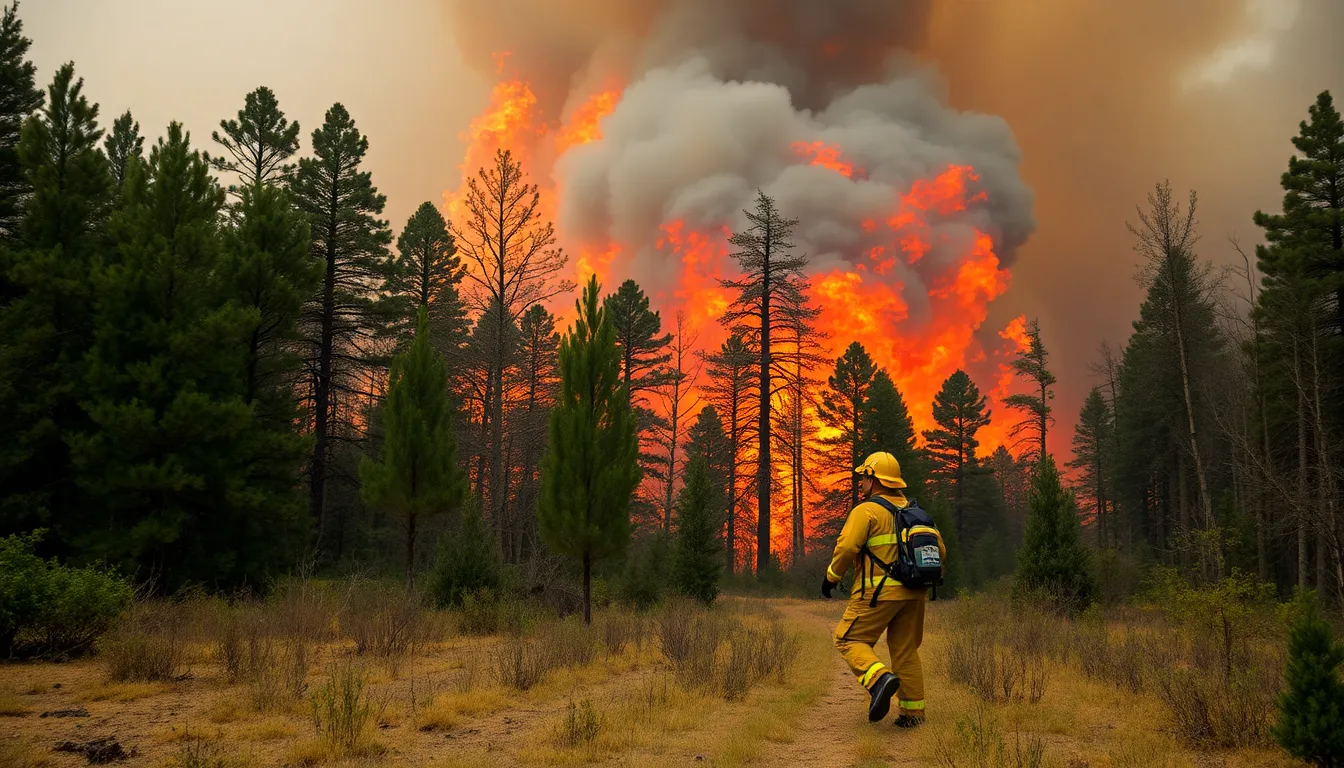
Industries such as agriculture, tourism, and forestry are also feeling the repercussions. In the short term, wildfires can disrupt local economies, leading to immediate financial losses for farmers whose crops are destroyed and for businesses that depend on natural beauty to attract tourists. In the mid-term, recovery efforts may strain resources, diverting funds from other essential services and delaying infrastructure improvements.
Policy responses may shift as governments prioritize wildfire management and forest restoration. This could lead to increased funding for fire prevention and management strategies, creating potential opportunities for companies specializing in environmental services and technology. However, there is also a risk that the focus on immediate wildfire impacts may overshadow the need for long-term sustainable forest management practices.
- Communities: Increased health risks and displacement.
- Industries: Economic losses in agriculture and tourism.
- Policy: Shift towards wildfire management funding.
- Opportunities: Growth in environmental services sector.
As wildfires continue to threaten forest ecosystems, the balance between immediate response and sustainable practices will be critical. Stakeholders must navigate these challenges while seeking innovative solutions that protect both people and the environment.
A: The slowdown is attributed to various factors, including improved forest management practices and international conservation efforts. However, the challenge remains significant due to ongoing agricultural expansion. A: Wildfires can devastate large areas of forest, leading to loss of biodiversity and carbon storage. They are often exacerbated by climate change and can hinder recovery efforts. A: The World Resources Institute (W.R.I.) conducts research and provides data on global forest trends, helping policymakers and organizations make informed decisions regarding forest conservation. A: Solutions include better land management practices, controlled burns, and community awareness programs. Investing in technology for early detection can also help mitigate wildfire risks. A: Individuals can contribute by supporting sustainable products, reducing waste, and advocating for policies that protect forests. Engaging in reforestation projects also makes a difference.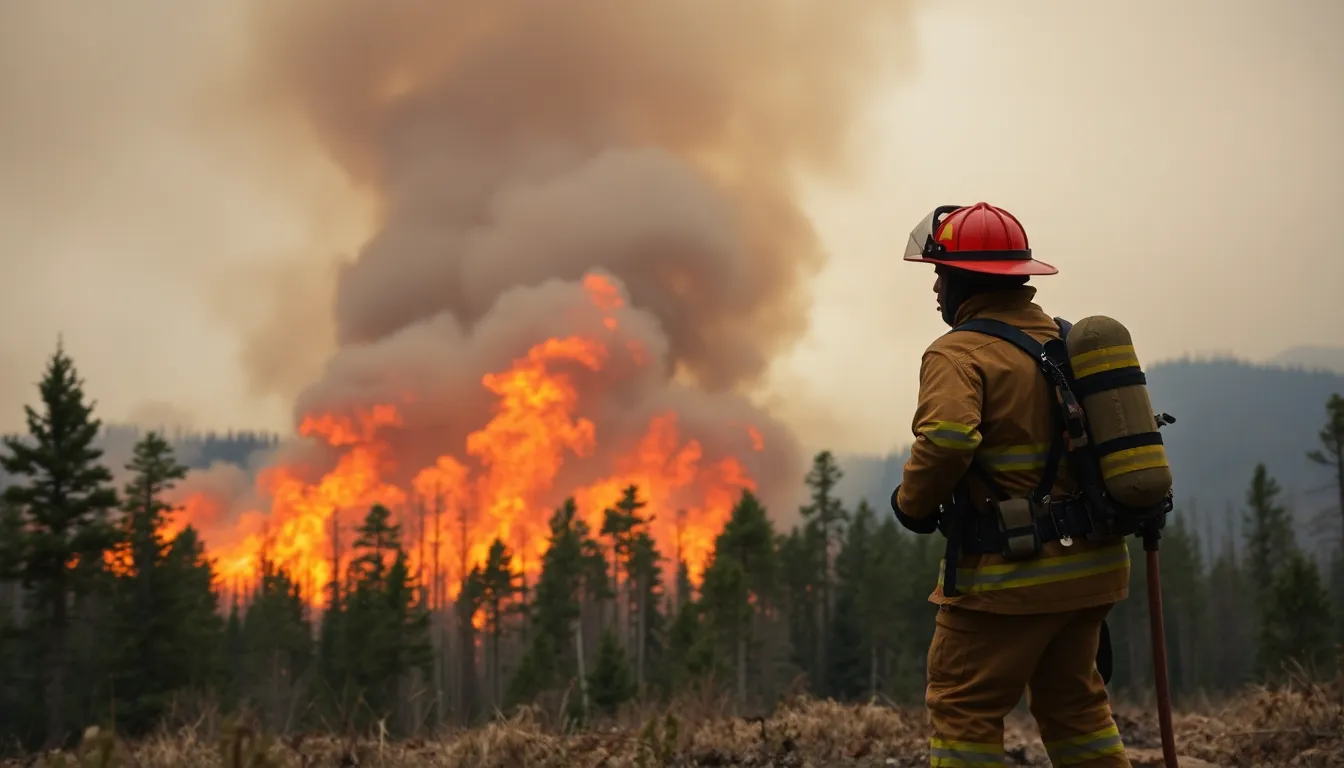
Frequently asked questions about deforestation and wildfires
Insights on future forest conservation efforts
The recent findings from the World Resources Institute highlight a critical turning point in global deforestation trends. While the slowing rate of deforestation offers a glimmer of hope, the increasing frequency and intensity of wildfires pose significant challenges to forest ecosystems. This duality underscores the need for a multifaceted approach to conservation that not only addresses deforestation but also mitigates the impacts of climate change, which exacerbates wildfire risks.
As stakeholders in environmental policy and forest management look ahead, it is essential to remain vigilant and proactive. The interplay between deforestation rates and wildfire occurrences will require innovative strategies and collaborative efforts across sectors to ensure the resilience of global forests.
- Monitor and adapt policies to address regional wildfire risks, especially in areas where deforestation rates are slowing.
- Invest in forest restoration projects that incorporate fire-resistant species and practices to enhance ecosystem resilience.
- Encourage community engagement and education on sustainable land management to reduce fire hazards.
- Explore technological advancements in satellite monitoring to better track forest health and early signs of wildfire threats.
- Foster international cooperation to share resources and knowledge on effective forest conservation strategies.