
Several key exhibitions and publications have emerged recently, showcasing iconic images that capture the spirit of punk. Notable among these is the exhibition at the Museum of Contemporary Art in Los Angeles, which features works from photographers like Jenny Lens and Bob Gruen. For further insight into the artistic movements that influenced punk, you can explore the revolution of street culture, which shares similar roots.
The relevance of punk photography extends beyond mere artistic appreciation; it serves as a historical lens through which to examine societal issues. For instance, the stark imagery often reflects themes of anti-establishment sentiment, gender identity, and racial inequality, which remain pertinent today. These photographs act as a visual archive, reminding us of the power of youth culture to instigate change, much like the dynamics addressed in the connections between cultural figures that reveal deeper societal narratives.
Moreover, the accessibility of punk photography through digital platforms has allowed for a broader audience to engage with this influential art form. Social media channels are flooded with images that evoke the punk aesthetic, inspiring a new generation of artists and musicians. This ongoing dialogue underscores the enduring impact of punk culture on contemporary art and music, reinforcing its significance in today’s socio-political landscape, events that echo in creative movements like Geirr Tveitt’s musical legacy.
Understanding the Origins of the Punk Movement
The punk movement emerged in the mid-1970s as a reaction to the prevailing social, political, and economic conditions in the United States and the United Kingdom. At this time, both countries were experiencing significant turmoil, including economic recession, high unemployment rates, and a general sense of disenchantment among the youth. The disillusionment with mainstream culture and the establishment fueled a desire for a new form of expression that was raw, authentic, and often confrontational.
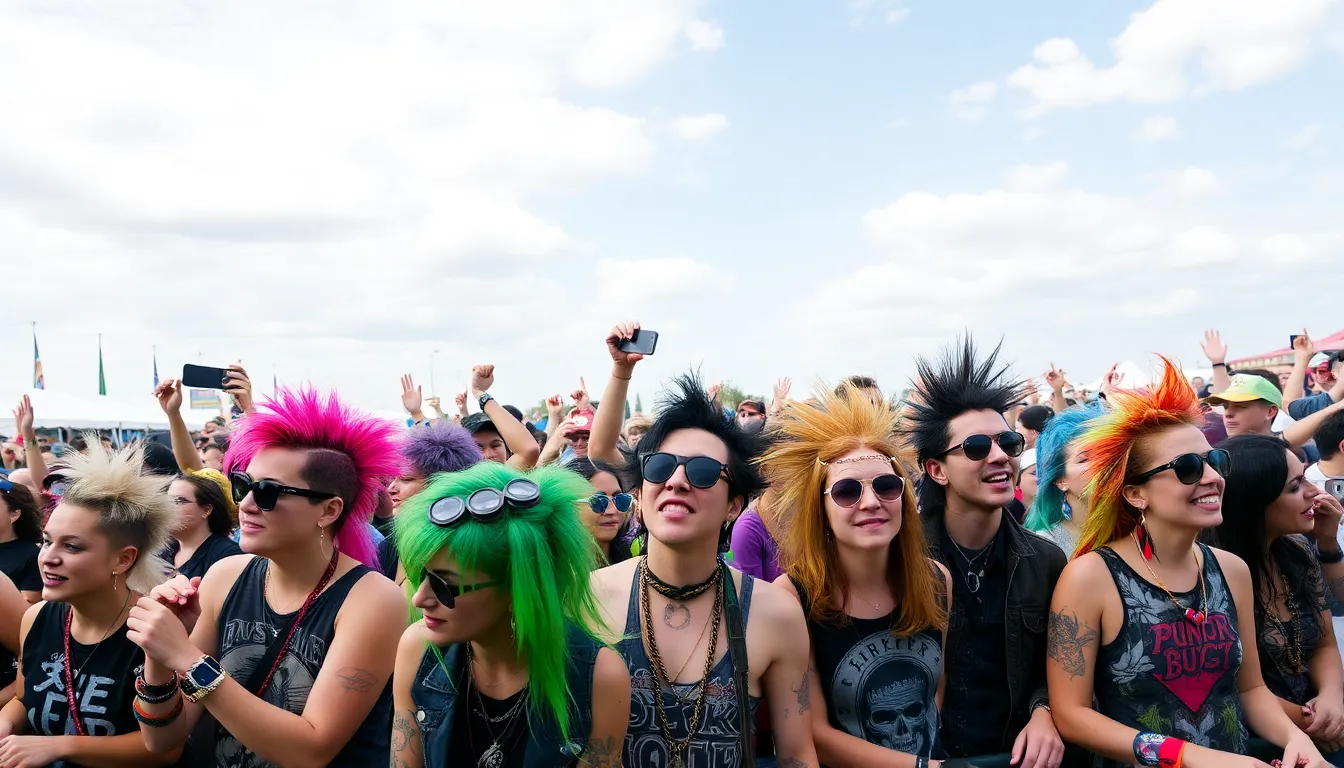
Musically, punk rock was characterized by its fast tempos, simple chords, and rebellious lyrics. Bands like The Ramones, Sex Pistols, and The Clash became emblematic of this movement, using their music as a platform to address issues such as class struggle, political corruption, and societal norms. The DIY ethos of punk encouraged individuals to create their own music, art, and fashion, rejecting the polished productions of mainstream rock and pop.
Key Milestones in Punk History
Several key events marked the rise of punk culture. The release of the Sex Pistols’ single “Anarchy in the U.K.” in 1976 is often cited as a pivotal moment, as it encapsulated the anger and frustration of a generation. Additionally, the first punk festival, the 1976 CBGB’s concert in New York City, brought together various underground bands and solidified the punk scene on both sides of the Atlantic. These milestones not only shaped the music but also influenced fashion, art, and attitudes, creating a lasting legacy that continues to inspire new generations.
Furthermore, the punk movement was not just confined to music; it extended into visual arts, literature, and fashion. The iconic punk aesthetic, characterized by ripped clothing, safety pins, and bold hairstyles, became a symbol of rebellion against societal norms. This cultural revolution challenged the status quo and provided a voice for those who felt marginalized, ultimately leading to a broader conversation about identity, freedom, and self-expression.
Key Figures and Their Influence on Punk Culture
The emergence of punk culture in the 1970s was shaped by a variety of influential figures and organizations, each with distinct interests and motivations. Musicians, artists, and independent labels played critical roles in defining the aesthetic and ethos of punk, while various media outlets helped disseminate its message to a broader audience.
Prominent musicians such as Johnny Rotten of the Sex Pistols and Debbie Harry of Blondie not only created iconic music but also embodied the rebellious spirit of punk. Their performances and public personas challenged societal norms and expressed dissatisfaction with the status quo, making them key figures in the movement.
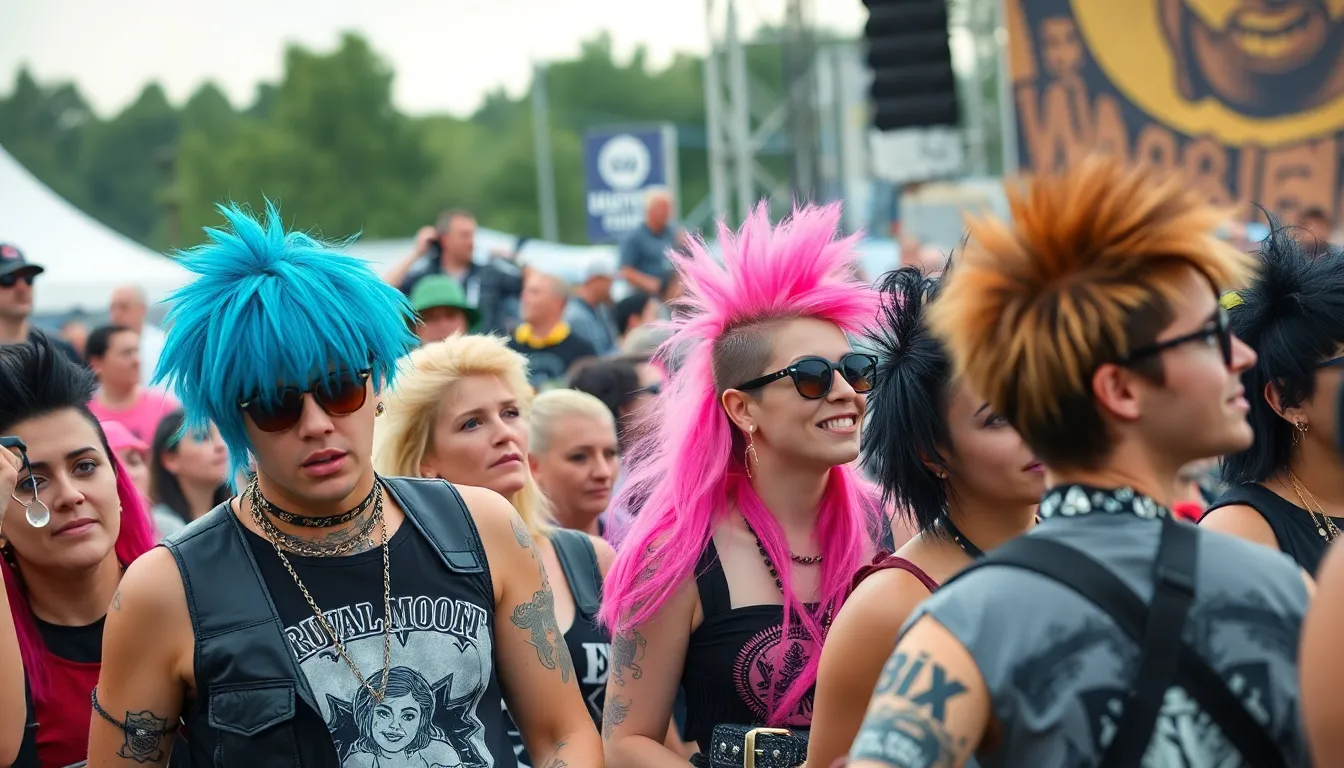
Independent record labels, like Stiff Records and Rough Trade, were instrumental in promoting punk music outside of mainstream channels. They provided a platform for emerging artists and prioritized artistic integrity over commercial success, which resonated with the anti-establishment ethos of punk culture.
Media coverage also played a significant role in the rise of punk. Publications such as Rolling Stone and NME helped legitimize punk as a cultural phenomenon, while also sparking debates over its impact on youth culture and societal values. This attention brought both support and criticism, highlighting the tensions between artistic expression and public perception.
- Conflict between mainstream music industry and independent labels over artistic control.
- Legal issues surrounding copyright and the use of provocative imagery in punk art.
- Economic challenges faced by punk bands in securing funding and distribution.
- Social backlash against the perceived nihilism and aggression of punk culture.
- Trade-offs between commercial success and maintaining the authenticity of the punk message.
The Lasting Effects of Punk on Modern Music and Fashion
The punk movement, which emerged in the 1970s, has had a profound impact on various groups and industries, shaping the cultural landscape in ways that are still felt today. Musicians, fashion designers, and youth subcultures are among those most affected by the raw energy and rebellious spirit of punk. Additionally, the movement has influenced broader societal attitudes toward self-expression and individuality.
In the short term, the rise of punk rock led to a surge in independent music labels and venues, creating opportunities for emerging artists to share their work outside of mainstream channels. This shift has encouraged a DIY ethic in the music industry, allowing for a more diverse range of voices to be heard. As a result, many young musicians found inspiration in punk’s ethos, leading to the birth of various subgenres and movements that continue to thrive.
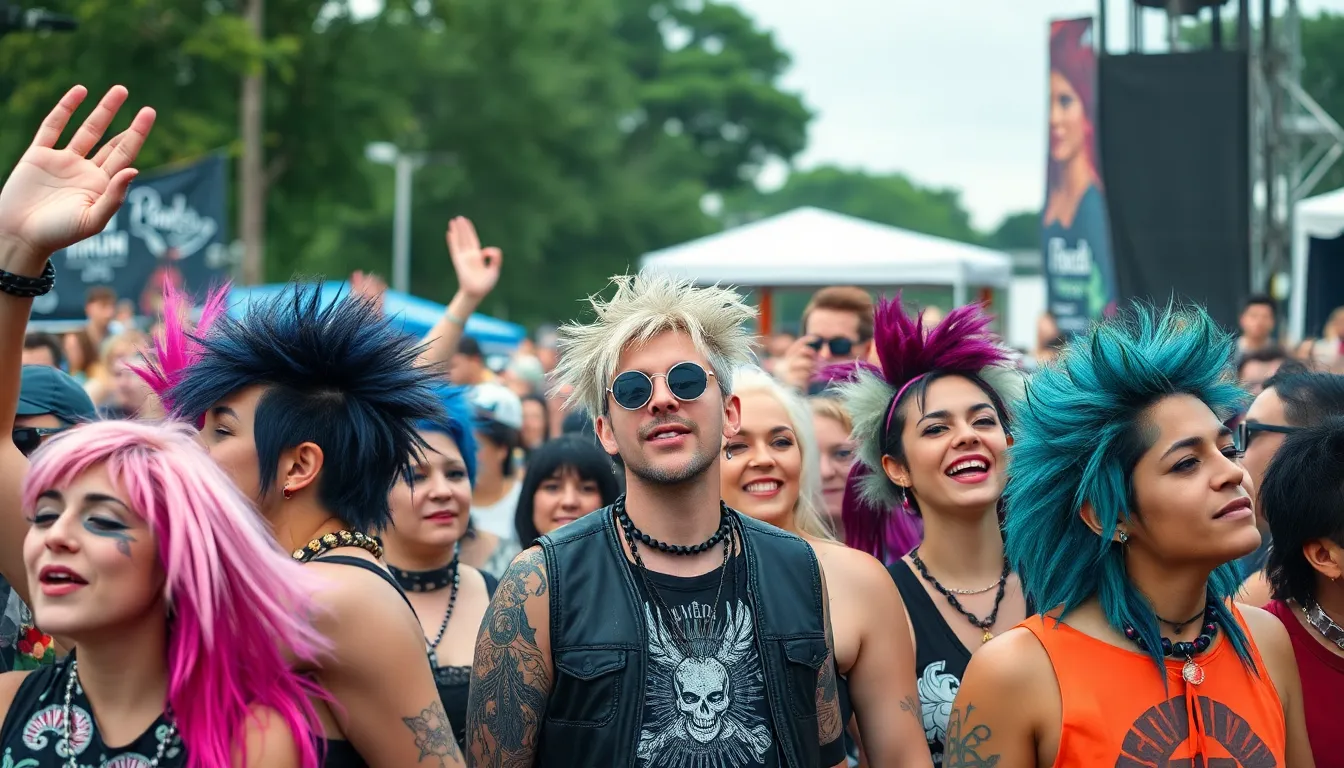
Mid-term impacts include changes in fashion industries, where punk’s distinctive stylecharacterized by leather jackets, ripped jeans, and bold hairstyleshas influenced high fashion and streetwear alike. Designers have drawn on punk aesthetics to create collections that resonate with youth culture, blending rebellion with high-end fashion. This intersection has opened doors for collaborations and new market opportunities, particularly in urban areas where street style reigns supreme.
- Music Industry: Growth of independent labels and diverse musical expressions.
- Fashion Industry: Integration of punk aesthetics into mainstream collections.
- Youth Culture: Empowerment of self-expression and individuality.
However, there are risks associated with the commercialization of punk. As its core values become diluted in the pursuit of profit, there is a danger that the authenticity of the movement may be lost. This could lead to disillusionment among fans and artists alike, prompting a backlash against mainstream interpretations of punk. Nonetheless, the ongoing relevance of punk serves as a reminder of the importance of staying true to one’s roots while navigating the evolving landscape of culture and commerce.
A: The photos serve as a visual documentation of the punk culture, capturing its raw energy and rebellion. They reflect the attitudes and styles that defined an era and continue to influence artists today. A: Notable photographers include Jim Marshall, Penny Smith, and Bob Gruen, each of whom played a crucial role in documenting the punk scene. A: Punk photography has influenced various genres by introducing a more candid and gritty aesthetic, impacting everything from fashion photography to music videos. A: Yes, many of the photos capture legendary concerts and events, showcasing the vibrant atmosphere and energy of live punk performances. A: There are numerous documentaries, books, and online resources that explore the history of punk, including its music, fashion, and cultural impact.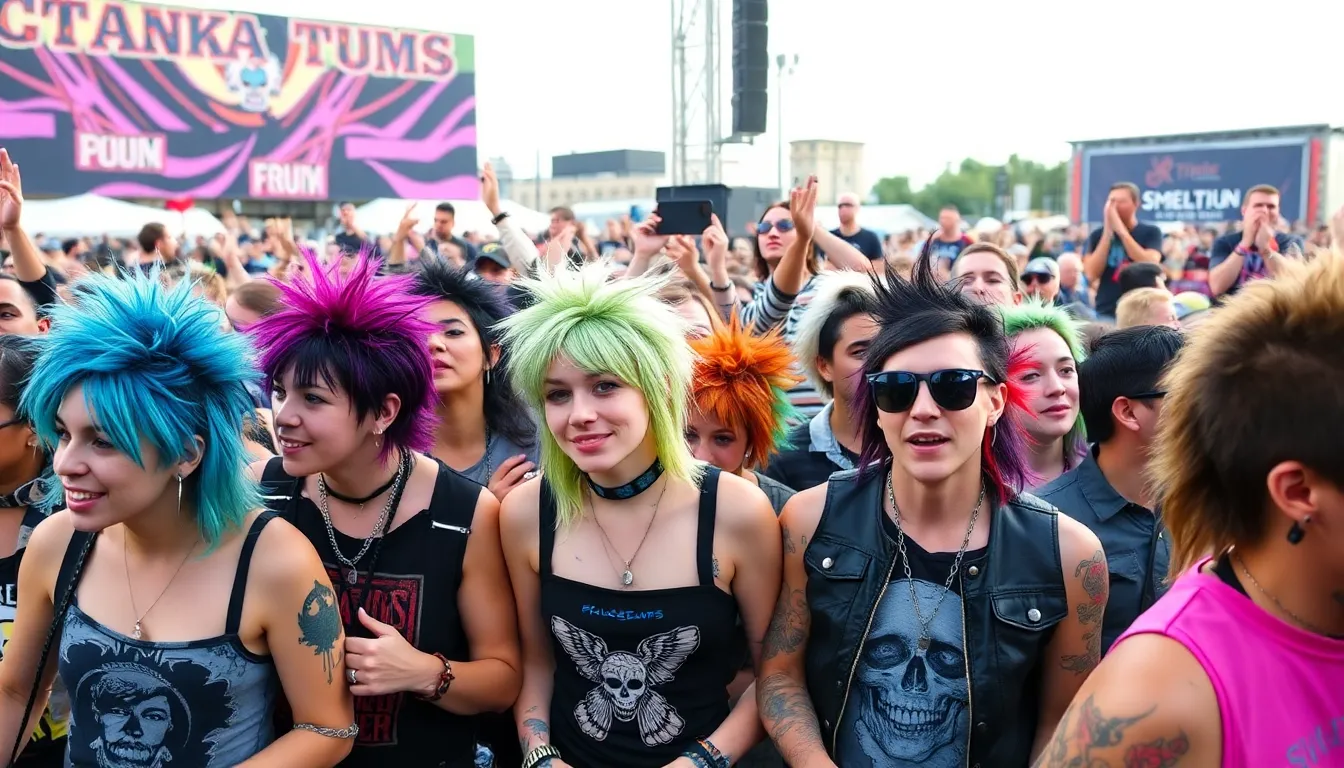
Frequently Asked Questions About Punk Photography
Key Takeaways and Future Perspectives on Punk
The emergence of punk in the 1970s was not just a musical revolution; it was a cultural shift that challenged societal norms and inspired generations. The photographs captured during this era serve as a visual documentation of the raw energy, defiance, and creativity that defined punk culture. As we reflect on these images, it becomes evident that the spirit of punk continues to resonate today, influencing various aspects of art, fashion, and social movements.
Looking ahead, the lessons learned from the punk movement can inform contemporary discussions around individuality, resistance, and the role of art in society. The enduring legacy of punk suggests that as new generations confront their own challenges, they may draw inspiration from the boldness and authenticity that characterized this transformative period.
- Embrace Authenticity: The punk movement reminds us of the importance of staying true to oneself in art and life.
- Challenge Norms: Punk’s rebellious spirit encourages questioning societal norms and advocating for change.
- Community and Collaboration: The sense of community within punk culture highlights the power of collaboration in driving movements.
- Visual Storytelling: The impact of photography in capturing cultural moments emphasizes the role of visual media in shaping narratives.
- Adaptability of Punk Ideals: As society evolves, punk’s core principles can be adapted to address contemporary issues.