
In its first three days, the film grossed over ₹10 crores, surpassing the previous record held by another popular Marathi film. This remarkable achievement highlights the growing popularity and commercial viability of Marathi films within the Indian film industry, as seen in other successful releases.
The success of ‘Raja Shivaji’ is not only significant for its box office numbers but also for its cultural impact. The film, which portrays the life and legacy of the legendary Maratha king Shivaji Maharaj, resonates deeply with regional pride and historical significance, further drawing audiences to theaters.
As the film continues to perform well, it is expected to inspire more filmmakers to invest in high-quality regional content. The response from audiences and critics alike indicates a positive trend for Marathi cinema, potentially leading to increased production budgets and more ambitious projects in the future.
The significance of Raja Shivaji in the Marathi film industry
The release of Riteish Deshmukh’s film ‘Raja Shivaji’ marks a watershed moment for the Marathi film industry, not only due to its impressive box office performance but also because of its cultural resonance. The film, centered around the legendary Maratha king Shivaji Maharaj, taps into a rich historical narrative that holds significant importance for the Marathi-speaking populace, similar to acclaimed projects like ‘Swaas’.

Historically, Marathi cinema has been a platform for storytelling that reflects the socio-political landscape of Maharashtra. Films like ‘Swaas’ and ‘Court’ have garnered national acclaim, yet ‘Raja Shivaji’ stands out by bringing a larger-than-life figure into the mainstream spotlight. The film’s success can be attributed to a growing trend of regional films gaining traction beyond their local markets, a phenomenon that has been bolstered by the rise of streaming platforms and increased accessibility to diverse narratives.
Evolution of Marathi Cinema
The Marathi film industry has undergone significant transformation over the decades, evolving from its roots in the early 20th century to a more contemporary and commercially viable sector. The 1990s and early 2000s saw a decline in the production of Marathi films, but the resurgence in the last decade has been marked by innovative storytelling and high production values. ‘Raja Shivaji’ is a testament to this evolution, showcasing how traditional narratives can be revitalized for modern audiences.
Economically, the success of films like ‘Raja Shivaji’ has implications for the broader Marathi film ecosystem, encouraging investment and attracting talent. The record-breaking opening weekend not only highlights the film’s popularity but also signals a renewed interest in regional cinema, which can lead to increased funding for future projects and a more vibrant cultural landscape, reflecting trends in other industries.
Key factors contributing to the film’s success
The record-breaking opening weekend of Riteish Deshmukh’s ‘Raja Shivaji’ marks a significant milestone for Marathi cinema, showcasing the evolving landscape of regional films in India. Several stakeholders played pivotal roles in this achievement, each with distinct interests and influences.
One of the main actors in this scenario is Riteish Deshmukh himself, who not only stars in the film but also serves as a producer. His dual role allows him to influence both the creative direction and the marketing strategies, aiming to enhance the film’s reach and appeal. Deshmukh’s established reputation in the industry attracts a loyal audience, which is crucial for box office success.

Another key stakeholder is the production house behind ‘Raja Shivaji’. Their investment in quality storytelling, innovative marketing techniques, and strategic partnerships with distributors has been essential. By leveraging social media and local events, they effectively generated buzz and anticipation leading up to the film’s release.
Additionally, the government plays a role in the promotion of regional cinema through various initiatives aimed at supporting local filmmakers. This support can manifest in the form of subsidies, tax incentives, and film festivals that celebrate Marathi culture. Such initiatives not only foster talent but also encourage audiences to engage with regional films.
- Audience Engagement: The film’s success hinges on its ability to resonate with local audiences, tapping into cultural narratives and themes that are familiar and relatable.
- Economic Impact: The success of ‘Raja Shivaji’ can lead to increased investment in Marathi cinema, potentially resulting in job creation and boosting the local economy.
- Competition with Bollywood: The film’s performance highlights the growing competition between regional cinemas and mainstream Bollywood, raising questions about market dynamics and audience preferences.
- Legal Considerations: Intellectual property rights and distribution agreements are critical in ensuring that the film’s revenue is maximized while protecting the interests of all stakeholders involved.
The impact of the film on the Marathi film market
The record-breaking opening weekend of ‘Raja Shivaji’ is a significant milestone for the Marathi film industry, affecting various stakeholders including filmmakers, actors, and production houses. This success not only boosts the morale of those involved in the project but also sets a precedent for future Marathi films, encouraging more investments in regional cinema.
In the short term, the film’s performance is likely to increase foot traffic in local cinemas, benefiting not only the film industry but also related sectors such as hospitality and food services. Restaurants and cafes near theaters may experience a surge in customers, while local businesses could see a positive impact from increased consumer spending.
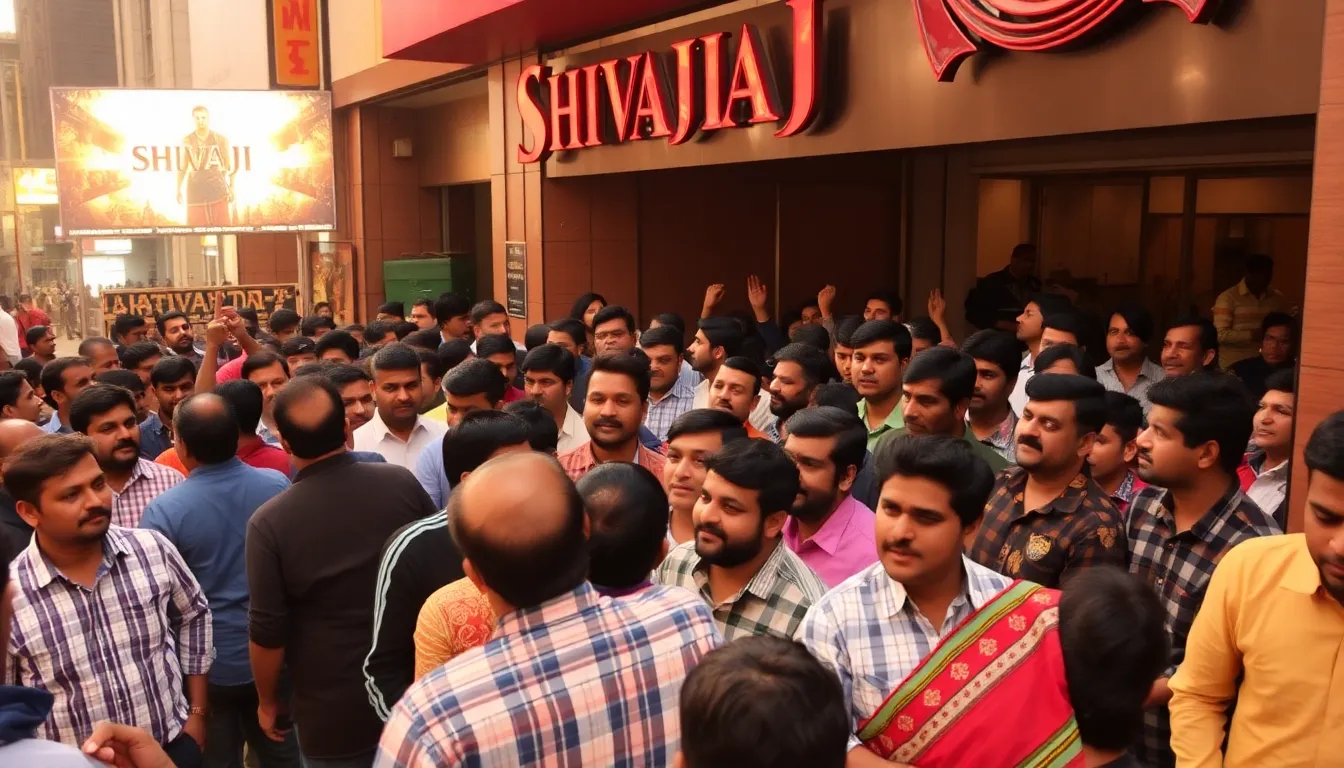
In the mid-term, the success of ‘Raja Shivaji’ could lead to a shift in audience perceptions about Marathi cinema, potentially attracting larger budgets and more prominent actors to the industry. This could pave the way for higher production values and more diverse storytelling, ultimately enriching the cultural landscape of the region.
- Increased investment in Marathi films as stakeholders see potential for profitability.
- Boost in local economy due to increased cinema attendance and related business activity.
- Enhanced visibility for regional talent, leading to more opportunities in the entertainment sector.
- Potential risks of oversaturation in the market if too many similar projects are greenlit too quickly.
While the initial excitement can lead to a boom, there is also a risk of burnout among audiences if the quality of subsequent films does not meet expectations. Balancing quantity with quality will be crucial for sustaining this momentum in Marathi cinema.
A: Raja Shivaji revolves around the life and valor of the Maratha king Shivaji Maharaj, showcasing his battles and leadership. A: The film earned a record-breaking amount, surpassing previous Marathi films and setting a new standard for box office collections. A: The film stars Riteish Deshmukh in the lead role, along with notable actors from the Marathi film industry. A: This success indicates a growing audience for Marathi cinema and may encourage more investments in high-quality productions. A: Currently, Raja Shivaji is primarily being screened in theaters, with streaming options expected to be announced later.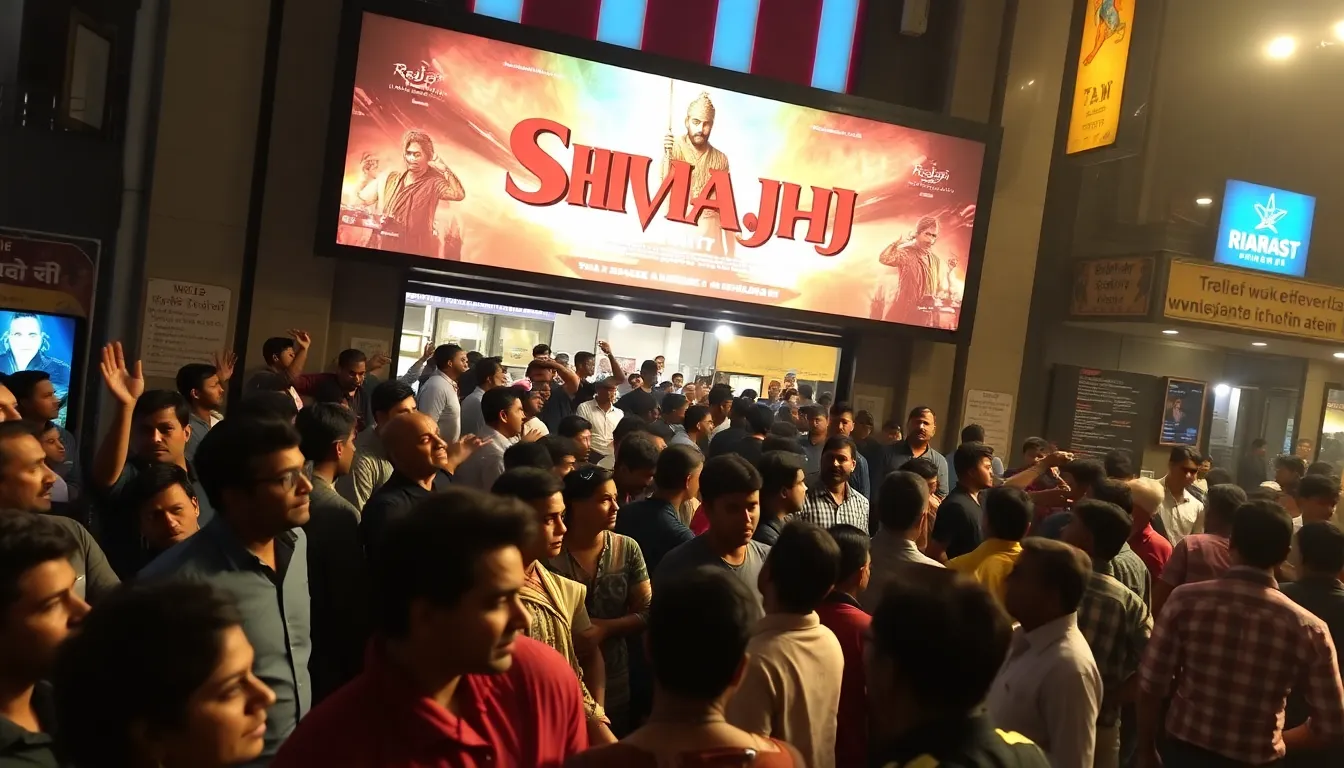
Frequently Asked Questions about Raja Shivaji
Key takeaways and future outlook for Marathi cinema
The record-breaking opening weekend of Riteish Deshmukh’s ‘Raja Shivaji’ signifies a pivotal moment for Marathi cinema, showcasing its growing appeal and potential for mainstream success. This achievement not only highlights the increasing audience engagement but also sets a benchmark for future productions in the regional film industry.
As the landscape of Indian cinema continues to evolve, the success of ‘Raja Shivaji’ may encourage filmmakers to explore diverse narratives and innovative storytelling techniques, ultimately enriching the cultural tapestry of Marathi films. The industry is now at a crossroads where strategic investments in quality content and marketing can further amplify its reach and impact.
- Monitor the audience’s response to varied genres within Marathi cinema as filmmakers experiment with new themes.
- Watch for increased collaboration between Marathi filmmakers and larger production houses to enhance distribution and marketing strategies.
- Expect a rise in investment in technology and production quality, as the success of ‘Raja Shivaji’ sets a precedent.
- Keep an eye on how this success influences regional films in other languages, potentially leading to cross-industry collaborations.