
Advocates for the program argued that it was a necessary step in addressing the ongoing opioid crisis and reducing the stigma associated with drug use. For further details on the implications of drug policy, check this link. However, critics have raised concerns about its effectiveness, citing a rise in drug-related incidents and public safety issues. The provincial government has stated that the decision reflects a need for a more comprehensive strategy to tackle addiction.
Local law enforcement agencies and health officials are now tasked with finding alternative solutions to support drug users while ensuring community safety. The end of the program coincides with increasing pressure on the government to address the escalating overdose crisis, which has claimed thousands of lives in recent years. For insights on public health policy, you can read about Australia’s social media ban here. As the province navigates this complex issue, the implications of this decision will likely resonate throughout the community.
With the program’s closure, stakeholders are calling for a more integrated approach that combines harm reduction, treatment options, and law enforcement. The outcome of this policy change will be closely monitored, as it may set a precedent for how other regions in Canada address similar challenges. The situation remains fluid, and the coming months will be critical in determining the future of drug policy in British Columbia.
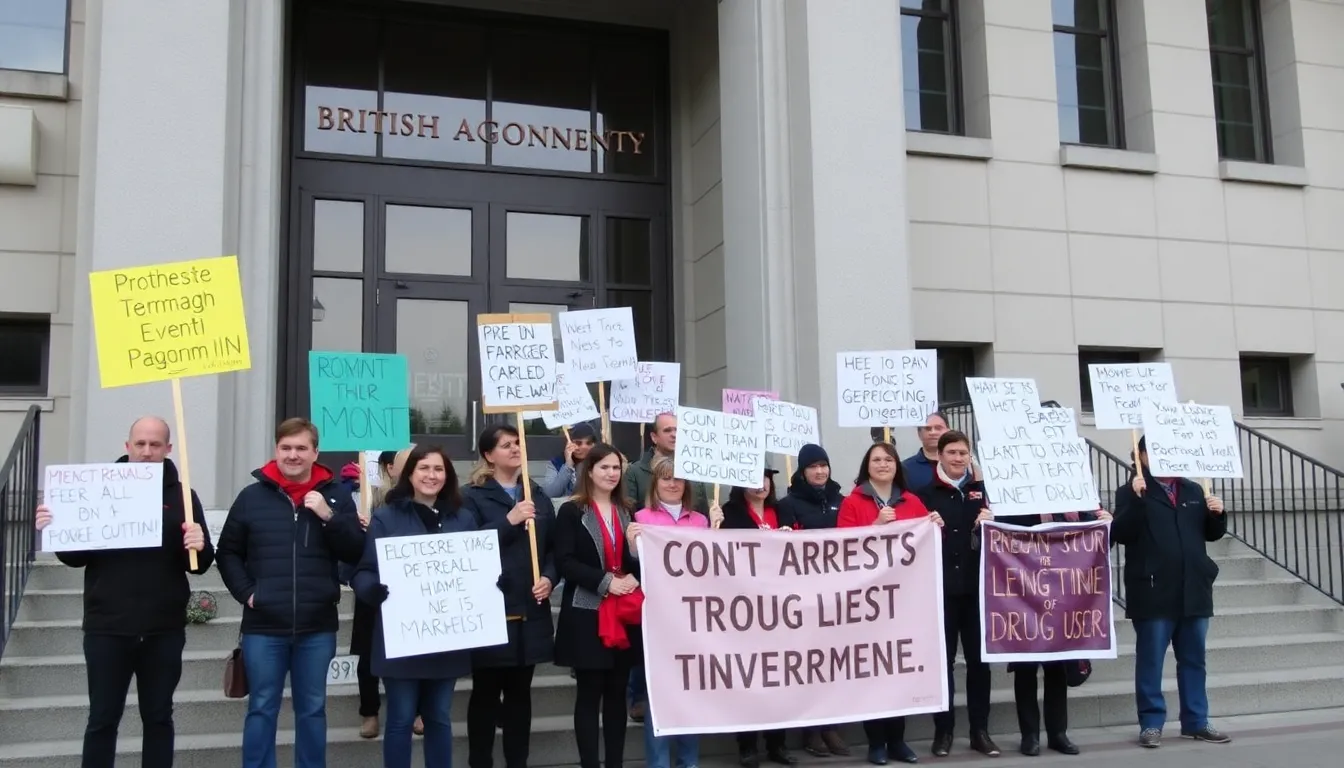
Understanding the background of the drug user arrest program
In recent years, British Columbia has faced a significant public health crisis due to the opioid epidemic, which has led to a surge in drug-related deaths and a growing recognition of the need for reform in how society addresses drug use. The province’s response has evolved from punitive measures to more compassionate approaches aimed at reducing harm and supporting recovery. This shift culminated in the introduction of programs designed to curb arrests of drug users, reflecting a broader trend towards decriminalization and harm reduction.
The program aimed at reducing arrests of drug users was part of a larger movement that gained momentum in the early 2010s, as advocates pushed for policies that prioritize health over criminalization. This shift was influenced by research indicating that punitive measures often exacerbate the problems associated with drug addiction, leading to cycles of incarceration and recidivism. Key milestones in this movement included the establishment of supervised consumption sites and increased funding for addiction treatment services.
Politically, the program’s inception was supported by various advocacy groups and health professionals who argued that criminalizing drug use disproportionately affects marginalized communities. The province’s government, responding to public pressure and the growing evidence of the harms of criminalization, began to implement policies that aimed to de-stigmatize drug use and promote recovery-oriented approaches. However, as the program evolved, challenges emerged regarding its effectiveness and the ongoing stigma surrounding addiction.
Challenges and Controversies
Despite its intentions, the program faced significant challenges and controversies. Critics argued that the initiative did not adequately address the root causes of addiction and failed to provide sufficient resources for treatment and rehabilitation. Additionally, rising crime rates and public safety concerns led some community members to question the wisdom of decriminalizing drug use without comprehensive support systems in place. These debates highlighted the complexity of addressing addiction in a societal context, prompting ongoing discussions about the best path forward.

Analyzing the stakeholders involved and key issues surrounding the program’s termination
The decision to end the program aimed at reducing arrests of drug users in British Columbia has significant implications for various stakeholders. Key actors include the provincial government, law enforcement agencies, healthcare organizations, and advocacy groups representing drug users and their families. Each of these stakeholders has distinct interests and concerns that shape their perspectives on the program’s termination.
The provincial government, particularly the Ministry of Health and the Ministry of Public Safety, is primarily concerned with public safety and the effective allocation of resources. Their interest lies in addressing the ongoing opioid crisis while balancing the need for law enforcement. The termination of the program may reflect a shift in policy priorities, potentially leading to increased arrests and criminalization of drug users, which some argue could exacerbate public health issues.
Law enforcement agencies have a vested interest in maintaining public order and addressing drug-related crime. However, the program’s end raises questions about the efficacy of punitive measures versus harm reduction approaches. Officers may face challenges in navigating community expectations, particularly in areas heavily impacted by drug use and related crime.
- Healthcare organizations are concerned about the potential rise in overdose deaths and the strain on medical services if users are driven away from seeking help due to fear of arrest.
- Advocacy groups argue that the termination undermines harm reduction strategies, which have been shown to save lives and improve health outcomes for drug users.
- Legal implications arise as the program’s end may lead to increased legal actions against drug users, raising ethical questions about the criminalization of addiction.
- Economic considerations include the potential costs associated with increased incarceration rates and the impact on social services that support drug users.
The termination of the program highlights a broader societal debate regarding the best approaches to drug use and addiction. Balancing public health and safety concerns with the rights and needs of individuals struggling with addiction remains a complex and contentious issue for all stakeholders involved.
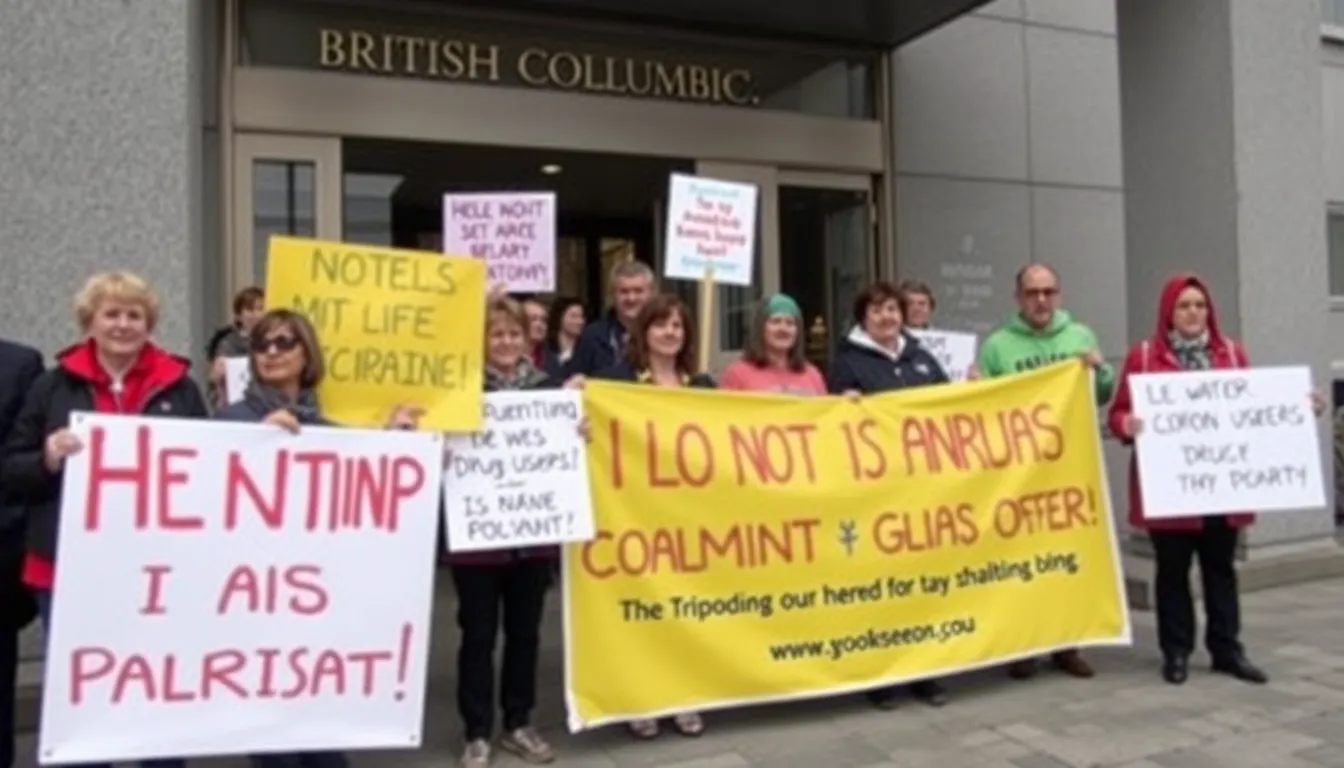
Exploring the potential impact on drug users and law enforcement
The decision to end the program aimed at curbing arrests of drug users in British Columbia affects several key groups, including individuals struggling with addiction, law enforcement agencies, and local communities. Drug users may face increased risks of arrest and criminal charges, which can exacerbate their health issues and hinder access to treatment services. Law enforcement agencies may experience a shift in focus, potentially leading to a rise in drug-related arrests and impacting their relationships with community members.
In the short term, the immediate impact on daily life for drug users could be significant. Increased policing may lead to a heightened sense of fear among users, discouraging them from seeking help or accessing harm reduction services. This could result in a rise in public health crises, as untreated addiction often leads to increased overdose rates and associated health complications.
From a business perspective, local businesses in areas with high rates of drug use may experience changes in customer behavior. Some may face challenges due to increased visibility of drug-related activities, which could deter potential customers. Conversely, businesses focused on addiction treatment and recovery services might see an uptick in demand as individuals seek support in a more challenging environment.
- Risks: Increased arrests of drug users, exacerbated health crises, strained community relations.
- Opportunities: Growth in addiction treatment services, potential for policy advocacy, increased community support initiatives.
In the mid-term, the policy change could prompt a reevaluation of public health strategies in British Columbia. Policymakers may be compelled to address the underlying issues of addiction and mental health more comprehensively, potentially leading to new initiatives aimed at prevention and treatment. This shift could create opportunities for collaboration between health services and law enforcement to develop more effective approaches to drug-related issues.
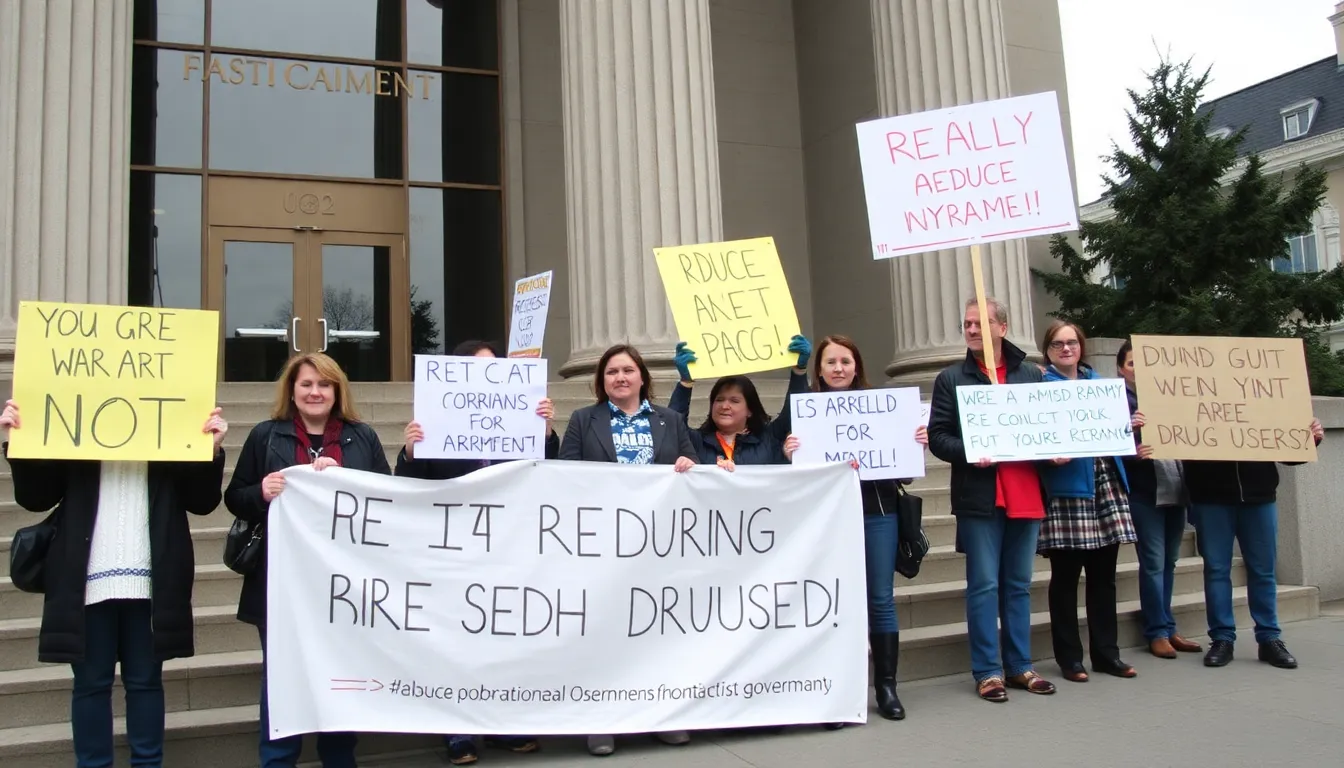
Frequently asked questions about the program’s end
A: The program was initiated to address the rising number of arrests among drug users and to promote harm reduction strategies. It aimed to provide support rather than punishment for individuals struggling with addiction.
A: The decision to end the program was influenced by various factors, including political pressures and debates over its effectiveness in addressing drug-related issues. Critics argued that it did not lead to significant improvements in public health.
A: The end of the program may lead to an increase in arrests among drug users, as law enforcement may revert to more traditional policing methods. This change raises concerns about the potential for worsening health outcomes for vulnerable populations.
A: Yes, there are discussions about implementing alternative strategies that focus on treatment and rehabilitation rather than criminalization. Stakeholders are exploring various models to better support individuals with substance use issues.
Key takeaways and future outlook on drug policy in British Columbia
The recent decision by British Columbia to end the program aimed at reducing arrests of drug users marks a significant shift in the province’s approach to drug-related issues. As the conversation around drug policy evolves, this move raises important questions about the future of harm reduction strategies and the potential impact on public health and safety. Observers will need to closely monitor how this decision affects the relationship between law enforcement and vulnerable populations, particularly in light of ongoing challenges related to substance use and addiction.
Moving forward, it is essential to consider the implications of this policy change on both individuals directly affected by drug use and the broader community. Stakeholders, including health officials, law enforcement, and advocacy groups, will need to collaborate to develop alternative strategies that address the root causes of addiction while ensuring public safety.
- Watch for potential increases in arrests and criminalization of drug users as the program ends.
- Monitor the response from harm reduction advocates and their proposals for alternative measures.
- Consider the impact on public health outcomes, particularly in relation to overdose rates.
- Evaluate the effectiveness of law enforcement strategies in addressing drug-related issues without the program.
- Keep an eye on community reactions and potential shifts in public sentiment regarding drug policy reform.