
Government officials, including Prime Minister Anthony Albanese, have defended the ban as a necessary measure to safeguard Australian citizens from harmful content and data exploitation, which has become a significant topic in discussions about digital safety. Critics, however, argue that the ban infringes on personal freedoms and stifles open communication. The ongoing discourse highlights the delicate balance between regulation and individual rights in the digital age.
Recent surveys indicate that public opinion is divided, with approximately 45% of Australians supporting the ban while 40% oppose it. As the government assesses the impact of this policy, discussions continue about potential reforms and the future of digital communication in Australia. The situation remains fluid, with stakeholders from various sectors closely monitoring developments.
In the wake of the ban, alternative platforms have emerged, with some Australians turning to lesser-known social media sites to maintain their online presence. This shift raises questions about the long-term effects of the ban on social media habits and the potential for a fragmented digital landscape. As the month progresses, the implications of this policy will likely continue to unfold, shaping the future of social media in Australia.
Exploring the background of the social media ban in Australia
The decision to implement a social media ban in Australia has deep roots in a complex interplay of political, social, and economic factors. Historically, Australia has grappled with issues surrounding digital privacy, misinformation, and the influence of social media on public discourse. The rise of these platforms has led to increasing concerns about their role in shaping political narratives and the potential for harm, particularly among younger populations.
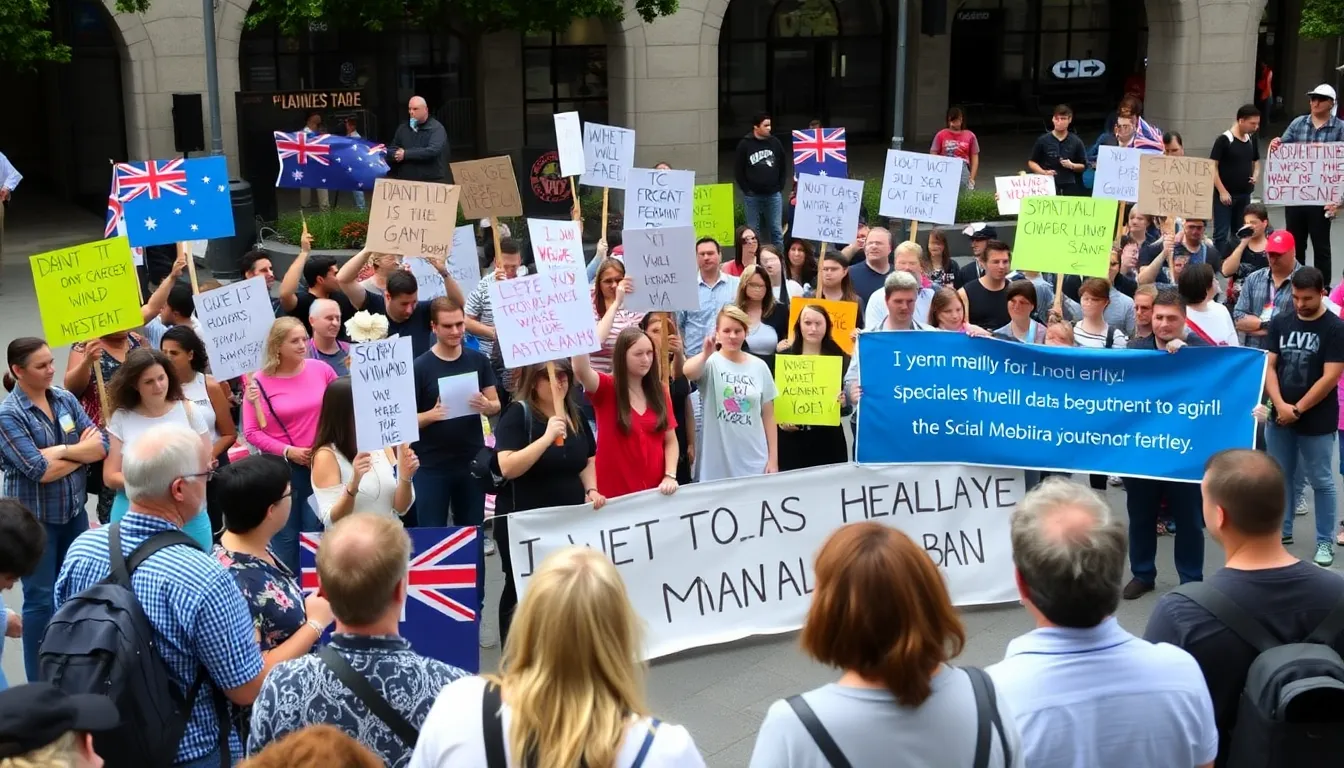
In recent years, Australia has witnessed a surge in political discussions surrounding the regulation of social media, including the response to misinformation. In 2020, the Australian government proposed legislation aimed at holding tech giants accountable for the content shared on their platforms. This move was largely driven by public outcry over misinformation related to health, politics, and climate change, which many believed undermined democratic processes. The social media ban can be seen as a culmination of these ongoing debates about the need for stricter controls and accountability.
Key Milestones Leading to the Ban
Several key milestones have paved the way for the current social media ban. In early 2021, Australia became the first country to pass a law requiring tech companies to pay for news content, setting a precedent for media regulation in the digital age. This law was met with resistance from major platforms like Facebook and Google, which led to significant negotiations and changes in how news is shared online. The fallout from these events heightened tensions between the government and social media companies, ultimately contributing to the decision to impose a ban.
Additionally, the COVID-19 pandemic highlighted the challenges of misinformation on social media, prompting the government to take a firmer stance. With the rise of conspiracy theories and false information regarding health measures, the public’s trust in these platforms waned, leading to calls for more drastic measures. The social media ban, enacted a month ago, reflects a broader societal shift towards prioritizing safety and truth in public discourse, even at the cost of limiting digital freedoms.
Analyzing key stakeholders and issues surrounding the ban
The recent social media ban in Australia has brought various stakeholders into the spotlight, each with distinct interests and motivations. The Australian government, led by Prime Minister Anthony Albanese, aims to curb misinformation and enhance public safety, believing that limiting access to social media platforms will promote a healthier information environment, which has drawn parallels to challenges seen in other political contexts. This move has garnered both support and criticism from different segments of the population.
Social media companies, including major players like Facebook and Twitter, are directly affected by this ban. Their interests lie in maintaining user engagement and revenue generation through advertising. The restrictions imposed by the Australian government could lead to significant financial losses and a shift in user demographics, prompting these companies to reconsider their operational strategies in the region.
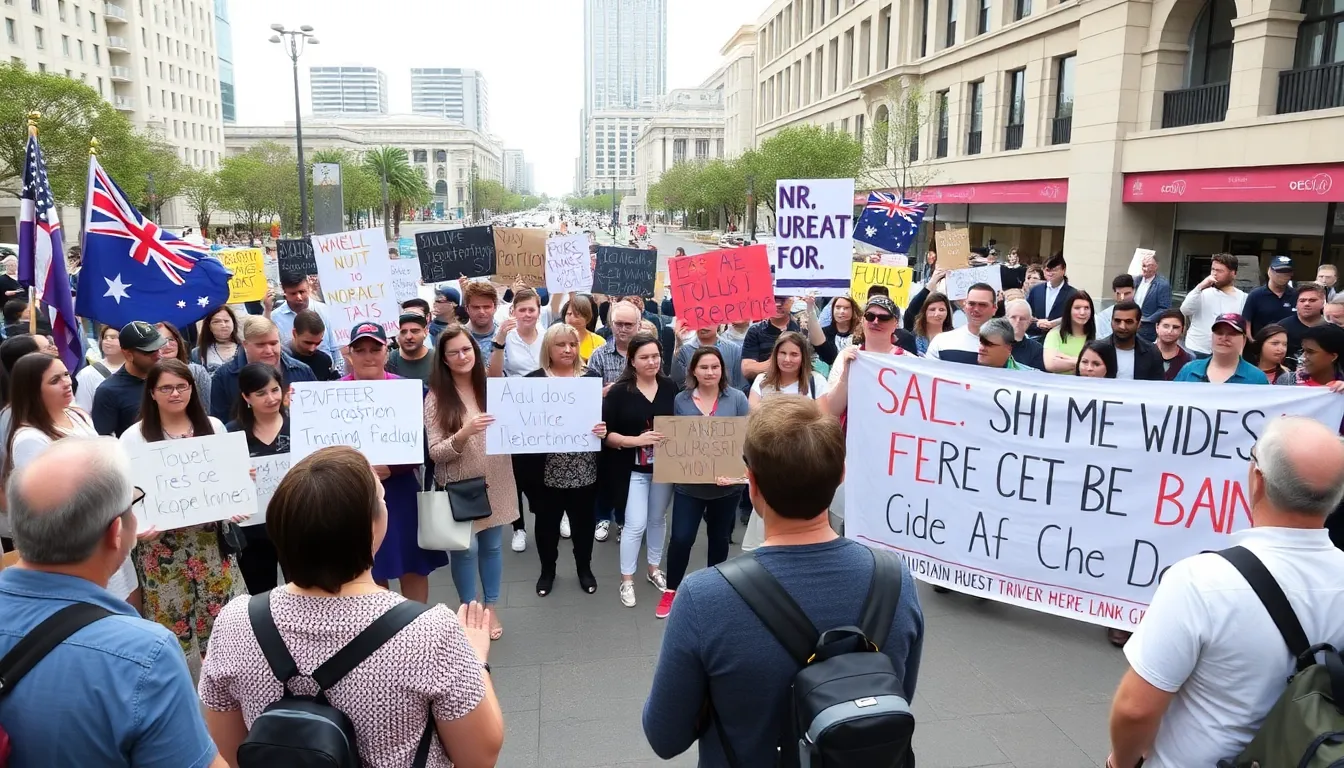
Additionally, civil rights organizations and digital freedom advocates are crucial stakeholders in this scenario. They argue that such bans infringe on freedom of expression and access to information, raising concerns about the potential for government overreach. These groups emphasize the importance of finding a balance between public safety and individual rights, advocating for transparency and accountability from government officials.
- Government interests: Enhancing public safety and reducing misinformation.
- Social media companies’ concerns: Financial losses and user engagement challenges.
- Civil rights advocates’ focus: Protecting freedom of expression and preventing government overreach.
- Public reaction: Mixed feelings, with some supporting the ban for safety reasons and others opposing it for its implications on personal freedoms.
- Legal implications: Potential challenges regarding the constitutionality of the ban and its alignment with international human rights standards.
As the situation evolves, the trade-offs between safety and freedom will likely continue to dominate discussions. The ongoing dialogue among these stakeholders will be pivotal in shaping future policies and public sentiment regarding social media regulation in Australia.
Assessing the impact on users and the market
The recent social media ban in Australia has had a profound effect on various groups and industries across the nation. Notably, young people, small business owners, and content creators have been significantly impacted. These demographics heavily relied on social media for communication, marketing, and engagement, making the ban a substantial disruption to their daily routines and professional activities.
In the short term, individuals are experiencing a sense of disconnection as they lose a primary platform for social interaction and information sharing. This has led to increased reliance on traditional media and face-to-face communication. For businesses, especially those in the retail and service sectors, the absence of social media marketing has resulted in decreased customer outreach and engagement, potentially leading to a drop in sales.
In the mid-term, the impact may extend to policy changes as the government reassesses its approach to digital communication and media regulation. Businesses might pivot to alternative marketing strategies, exploring new platforms or enhancing their websites to compensate for the loss of social media presence. This shift could foster innovation in digital marketing techniques.
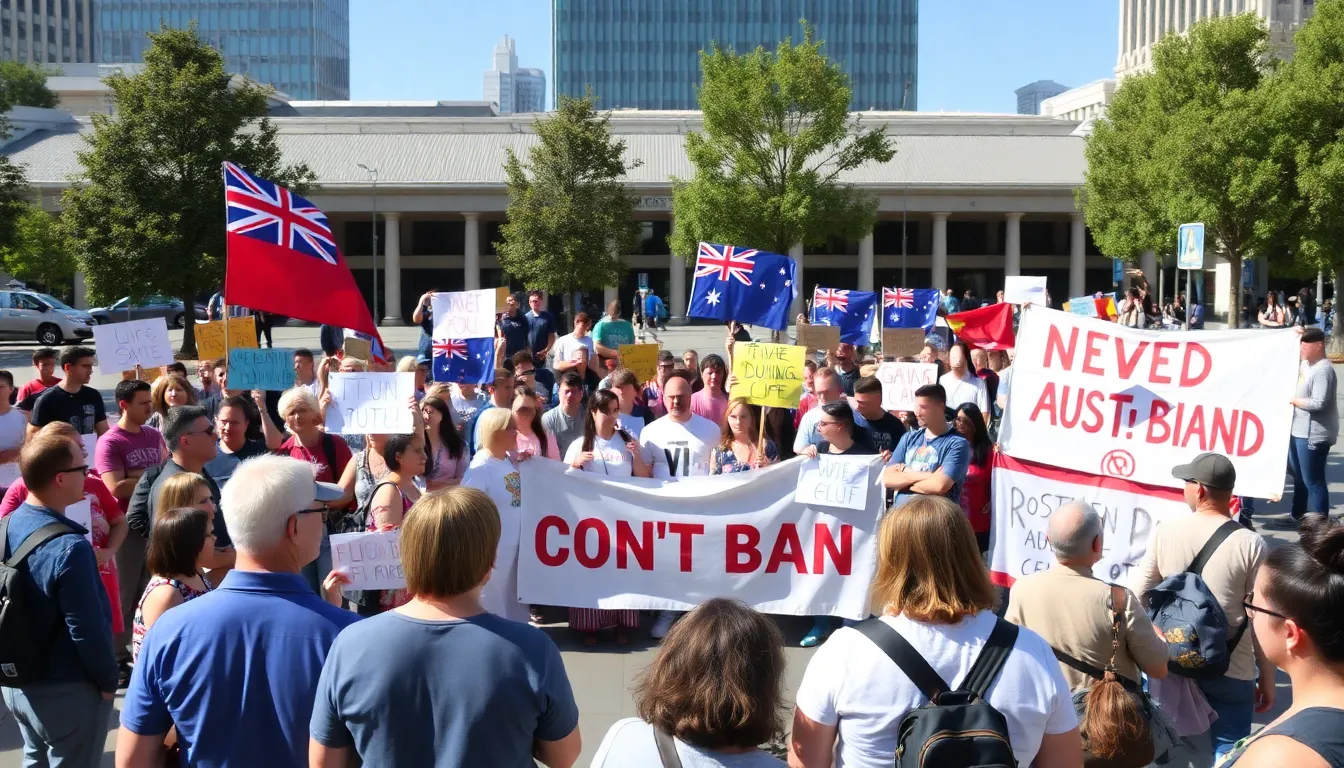
- Risks: Decreased customer engagement, loss of brand visibility, and potential economic downturn for small businesses.
- Opportunities: Increased innovation in alternative marketing strategies, potential growth in traditional media consumption, and a renewed focus on community-based interactions.
Ultimately, while the ban presents significant challenges, it also opens the door for new avenues of engagement and communication that may reshape the digital landscape in Australia for the foreseeable future.
A: The ban was implemented in response to concerns about misinformation and harmful content on social media platforms. The government aimed to create a safer online environment for users. A: Many users have expressed a sense of freedom from social media pressures, while others feel disconnected. The overall sentiment is mixed, with some appreciating the break from online platforms. A: Businesses are facing challenges in reaching their audiences, leading to a shift in marketing strategies. Companies are exploring alternative channels to engage with customers. A: Currently, the ban is set to be reviewed periodically. The government has indicated that it may lift the ban if certain conditions are met regarding online safety. A: Social media companies are actively engaging with the government to address concerns and are exploring ways to comply with regulations while ensuring user engagement.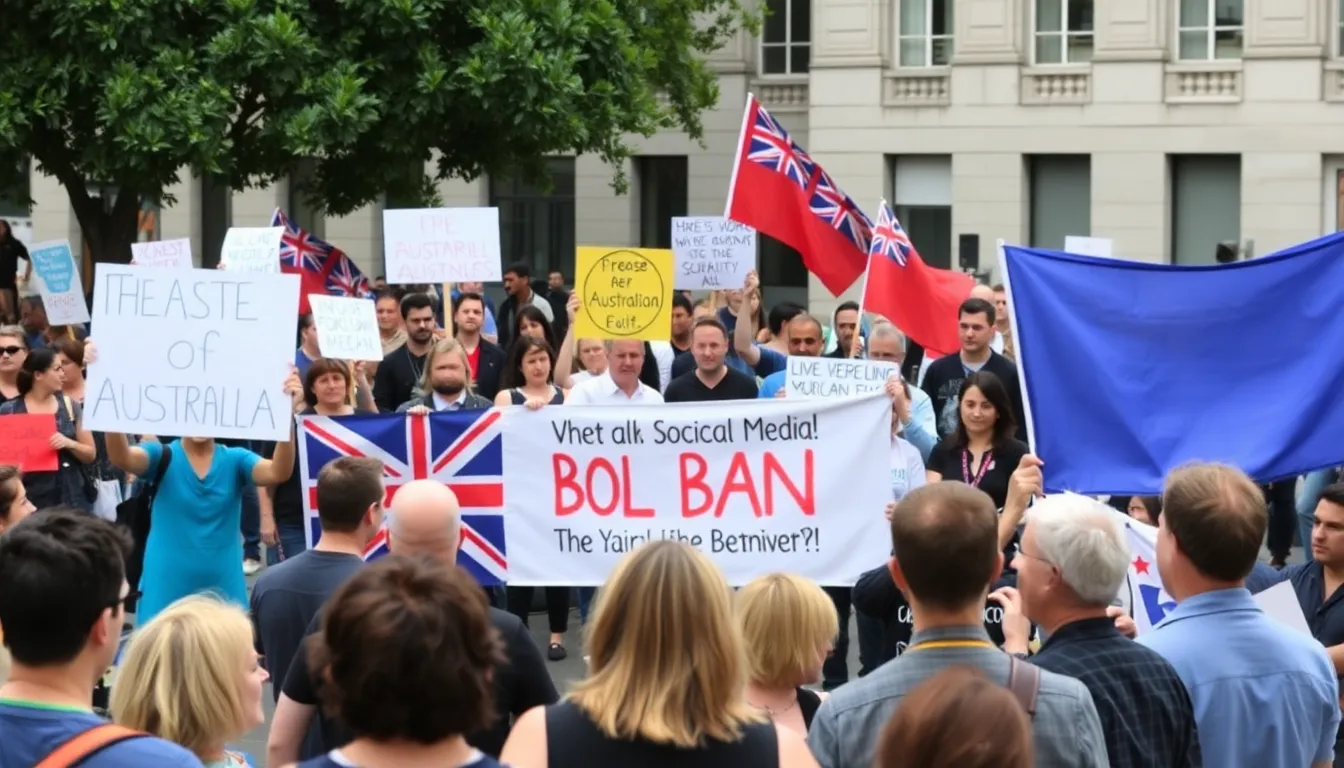
Frequently asked questions about the social media ban
Key insights and future outlook on the social media ban
The one-month mark since Australia’s social media ban has revealed significant shifts in public sentiment and behavior. Many citizens report a newfound sense of freedom, indicating a potential long-term cultural shift towards reduced reliance on digital platforms. However, the implications of such a ban extend beyond personal experiences, affecting communication dynamics, business practices, and information dissemination across the nation.
As the country navigates this new landscape, it is crucial to monitor how these changes will influence future policies and societal norms. The ongoing discourse around privacy, mental health, and the role of social media in daily life will likely shape public opinion and government actions in the months to come.
- Increased local engagement: With social media usage down, there may be a rise in community-focused events and local businesses as people seek alternative ways to connect.
- Shift in information sources: Traditional media outlets could see a resurgence as individuals turn to them for news, impacting the landscape of journalism.
- Potential for new platforms: The gap left by major social media networks may open opportunities for new, local platforms to emerge, catering to the unique needs of Australian users.
- Long-term mental health effects: Continued analysis will be needed to understand the psychological impacts of reduced social media use on various demographics.
- Policy implications: Observing how this ban influences governmental regulations on digital platforms could provide insights into future legislative actions.