
The initiative, launched on October 1, 2023, aims to address the rising concerns surrounding knife-related violence and its impact on public safety. For more insights on public safety issues, you can read about local government measures in our other articles. Hospitals have become focal points for this issue, as they are often the first place victims of knife attacks seek help. The presence of amnesty bins is intended to encourage individuals to surrender weapons voluntarily, thereby reducing the potential for further violence.
Local law enforcement agencies have expressed support for the initiative, emphasizing the importance of creating a safe environment for both patients and medical staff. Reports indicate that in the last month alone, over 150 knives have been surrendered across participating hospitals, highlighting the urgent need for community engagement in addressing this public safety crisis. This is part of a larger conversation about how communities can tackle crime, as discussed in related articles.
As discussions continue about the root causes of knife violence, community leaders are calling for comprehensive strategies that include education, outreach, and support services. The establishment of amnesty bins is seen as a critical first step in fostering a culture of safety and accountability, while also encouraging individuals to seek help rather than resort to violence.
Understanding the background of knife-related incidents in healthcare settings
The issue of knives being taken to hospitals has been a growing concern in recent years, reflecting broader societal issues related to violence and public safety. Historically, healthcare environments have been seen as safe havens for individuals seeking medical attention. However, the rise in knife-related incidents has prompted a reevaluation of security measures in these settings. The proliferation of knife crime in urban areas has led to increased awareness and fear, pushing healthcare institutions to take proactive steps to ensure the safety of both patients and staff.

Politically, the response to knife crime has varied across regions, with some governments implementing strict laws and penalties aimed at reducing access to knives and other weapons. These legislative measures, however, have often been met with mixed reactions from the public and advocacy groups. Critics argue that such laws may not address the root causes of violence and instead advocate for community-based solutions that focus on education and prevention. This political landscape has influenced how hospitals approach the issue of knives being brought into their facilities.
Economically, the rising costs associated with knife-related incidents, including increased security measures and healthcare expenses for treating injuries, have prompted hospitals to seek innovative solutions. The establishment of amnesty bins secure containers where individuals can anonymously dispose of knives represents an attempt to mitigate risk while addressing public health concerns. By providing a safe outlet for individuals to surrender weapons, hospitals aim to reduce the likelihood of knife-related incidents occurring on their premises. Check out more on healthcare solutions in our healthcare articles.
Key milestones in addressing knife-related incidents
In recent years, several key milestones have marked the response to knife-related incidents in hospitals. Initiatives such as community outreach programs and partnerships with local law enforcement have been implemented to educate the public about the dangers of carrying knives. Additionally, some hospitals have begun to adopt comprehensive security protocols, including the installation of surveillance systems and the hiring of security personnel. These measures not only aim to deter potential incidents but also to foster a sense of safety within healthcare environments.
Examining the stakeholders involved in the amnesty bin initiative
The initiative to set up amnesty bins in hospitals for the surrender of knives involves a variety of stakeholders, each with distinct interests and concerns. Key actors include healthcare organizations, local governments, law enforcement agencies, community groups, and the general public. Their engagement reflects a multifaceted approach to addressing knife crime and promoting public safety.
Healthcare organizations, such as hospitals and clinics, are primarily motivated by the need to ensure patient and staff safety. The presence of knives can pose significant risks in healthcare settings, and amnesty bins provide a means to mitigate these dangers. Additionally, these organizations aim to foster a supportive environment for individuals who may feel compelled to carry weapons for self-defense.

Local governments play a crucial role in facilitating the implementation of amnesty bins. Their interests often revolve around public safety and the reduction of knife-related incidents in the community. By supporting this initiative, local authorities can demonstrate their commitment to addressing violence and promoting community well-being. However, they must also navigate budgetary constraints and public opinion, which may vary regarding the effectiveness of such measures.
Law enforcement agencies have a vested interest in the amnesty bin initiative as it aligns with their broader goals of reducing crime rates and enhancing community trust. However, there are potential conflicts between the desire for crime reduction and concerns about the implications of amnesty programs, such as whether they may inadvertently encourage illegal behavior. Balancing these interests is critical for the success of the initiative.
- Public perception: The effectiveness of amnesty bins may be influenced by how the community views knife crime and the initiative itself.
- Legal implications: The legal framework surrounding the possession of knives and the surrender process must be clearly defined to avoid confusion.
- Community engagement: Involving local residents and organizations can enhance the initiative’s acceptance and success.
- Resource allocation: Funding and resources for the bins and associated programs must be carefully managed to ensure sustainability.
- Impact measurement: Establishing metrics to assess the effectiveness of the initiative is essential for ongoing support and improvement.
The impact of amnesty bins on hospital safety and community relations
The introduction of amnesty bins in hospitals is poised to affect various groups, including healthcare professionals, patients, and local communities. Hospitals, as key players in public health, are directly impacted by the presence of these bins, which aim to reduce the number of knives and other weapons brought into healthcare settings. This initiative also extends to law enforcement agencies, as they collaborate with hospitals to ensure safety and security.
In the short term, the establishment of amnesty bins can lead to increased safety within hospital environments. Healthcare workers may feel more secure, knowing that there is a designated place for individuals to dispose of dangerous items without fear of legal repercussions. This can foster a more trusting atmosphere for patients seeking medical care, as they may feel more comfortable accessing services without the risk of encountering violence.

Mid-term, the impact on community relations could be significant. As hospitals engage with local neighborhoods to promote the use of amnesty bins, there may be opportunities for community outreach programs. These initiatives can help educate the public about the importance of safety and responsible disposal of weapons, potentially leading to a decrease in violence and improved public health outcomes.
- Enhanced safety: Reduces risk of violence in hospitals.
- Community engagement: Encourages dialogue between hospitals and neighborhoods.
- Potential stigma: Risks of labeling individuals who use the bins.
- Policy implications: May influence future legislation on weapon disposal.
However, there are risks involved in this approach. The presence of amnesty bins may inadvertently create a stigma around individuals who choose to use them, leading to potential social isolation. Additionally, the initiative could spark debates about the effectiveness of such measures in addressing the root causes of violence. Policymakers will need to navigate these complexities while considering the long-term implications for community safety and health.
A: Amnesty bins are designated containers placed in hospitals where individuals can safely dispose of knives and other sharp objects without fear of legal repercussions. A: They were introduced to enhance safety in hospitals and to encourage individuals to surrender potentially dangerous items. A: Individuals can anonymously deposit knives into the bins, which are regularly monitored and emptied by hospital staff. A: No, using an amnesty bin is a safe and legal way to dispose of knives, and there are no penalties involved. A: Yes, the amnesty bins are available for anyone in the community who wishes to dispose of knives safely. A: The knives are typically disposed of in a safe manner, often through specialized waste management services.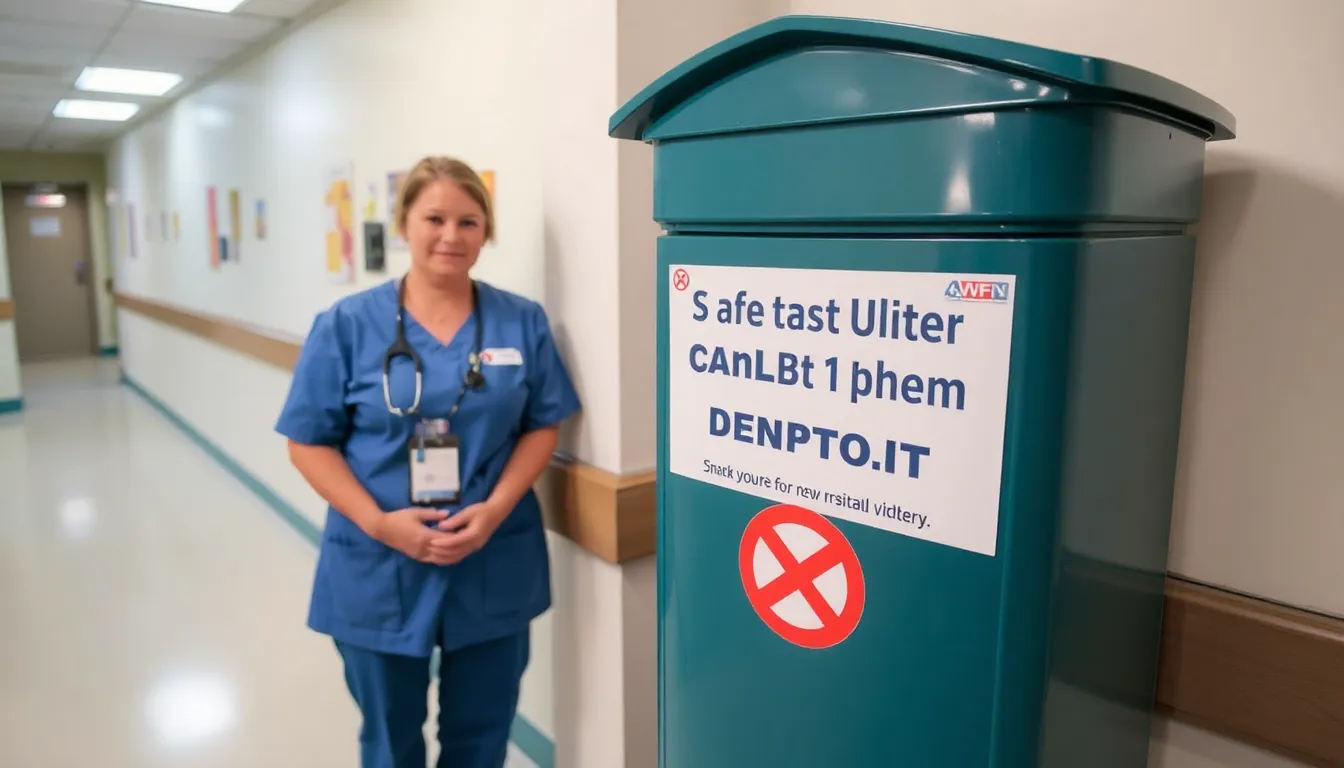
Frequently asked questions about amnesty bins and knife safety
Key insights and future outlook on knife amnesty initiatives
The establishment of amnesty bins in hospitals marks a significant step towards addressing the growing issue of knife-related violence. This initiative not only provides a safe and anonymous way for individuals to dispose of weapons but also serves as a crucial component in broader public health and safety strategies. As communities grapple with the implications of knife crime, the effectiveness of these bins will depend on public awareness and participation, as well as the integration of support services for those seeking help.
Looking ahead, the success of knife amnesty initiatives may influence policy decisions and funding allocations for violence prevention programs. It is essential for stakeholders, including healthcare providers, law enforcement, and community organizations, to collaborate in promoting these efforts and ensuring they are accessible to all who may need them.
- Monitor the impact of amnesty bins on local knife crime statistics over the coming months.
- Evaluate the level of community engagement and awareness surrounding the initiative.
- Consider the potential for expanding similar programs to other public spaces, such as schools and community centers.
- Assess the availability of support services for individuals who may be at risk of engaging in violence.
- Explore the role of educational campaigns in further reducing the stigma associated with seeking help.